

Press Start may receive a commission when you buy from links on our site at no extra cost to you.
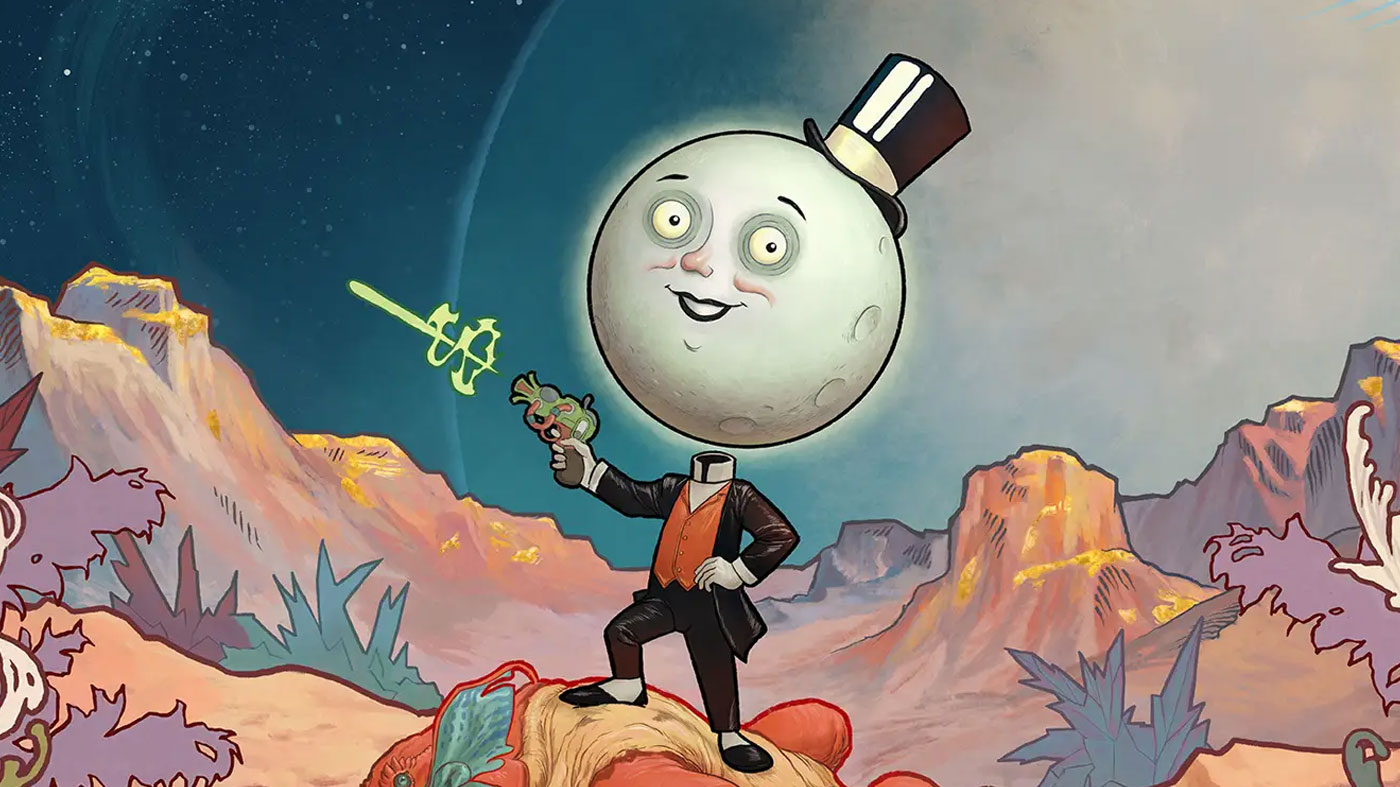
While a solid experience all around, 2019’s The Outer Worlds felt like a blueprint for something greater. It combined Obsidian Entertainment’s RPG chops with a novel premise that was and still is unlike anything else in the genre. It’s the kind of title that only Obsidian could deliver, a product of the studio’s learnings and tendencies over some 22 years of developing games. If The Outer Worlds is the blueprint, The Outer Worlds 2 is the end product. A confident and refined RPG that proves Obsidian Entertainment is still one of the best in the business.
While there are ties to the first game in the key corporations, factions, and brands of the Halcyon colony, The Outer Worlds 2 takes place in a different colony called Arcadia. Rifts seeping through the very fabric of space and time have cut Arcadia off from Earth, leaving it isolated and vulnerable to corporate and totalitarian exploitation. Your custom character is an agent for the Earth Directorate, an administrative body responsible for coordinating between Earth and the colonies, while also keeping the power-hungry corporations in check.
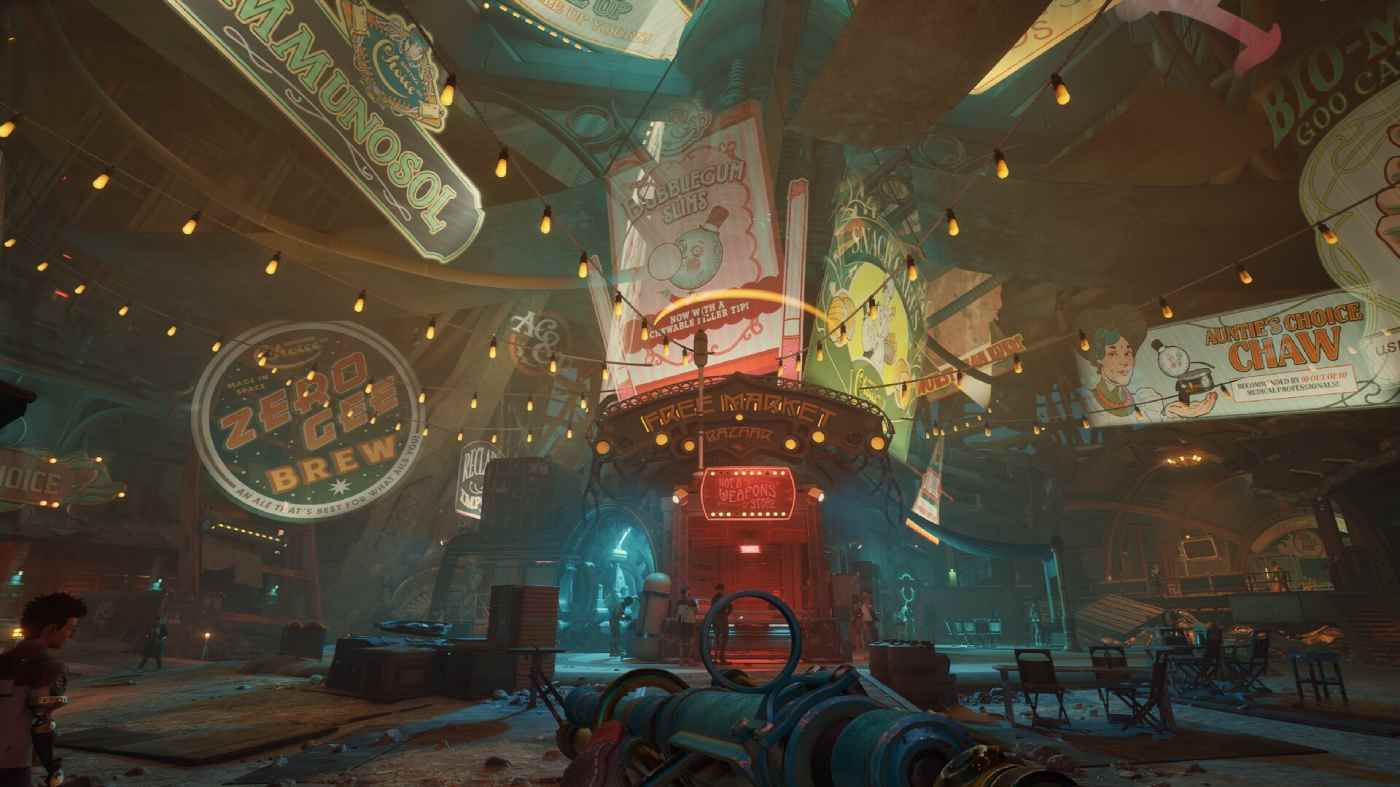
Our journey begins as we venture to the Arcadia colony with a small team to investigate the rifts. Unfortunately, this undercover mission on Horizon Point Station goes awry after being sabotaged, plunging the player character into hibernation. We wake up some years later to an entirely unfamiliar environment. Auntie Cleo’s and Spacer’s Choice have undergone a corporate merger, resulting in Auntie’s Choice, which is in a three-way power struggle with The Order of the Ascendant and the Protectorate.
With only a few clues and a ship called the Incognito, our character and his companions set out to explore the Arcadia colony to uncover the truth behind the rifts and what went so wrong on Horizon Point Station. It’s an incredibly strong opening that effortlessly sets the tone of this adventure. Unfortunately, I do think it’s the least consistent aspect of The Outer Worlds 2. Its biggest twists beyond the opening hours are a little too predictable, and the lack of a key antagonistic force until its final hours leads to a narratively rushed final act.
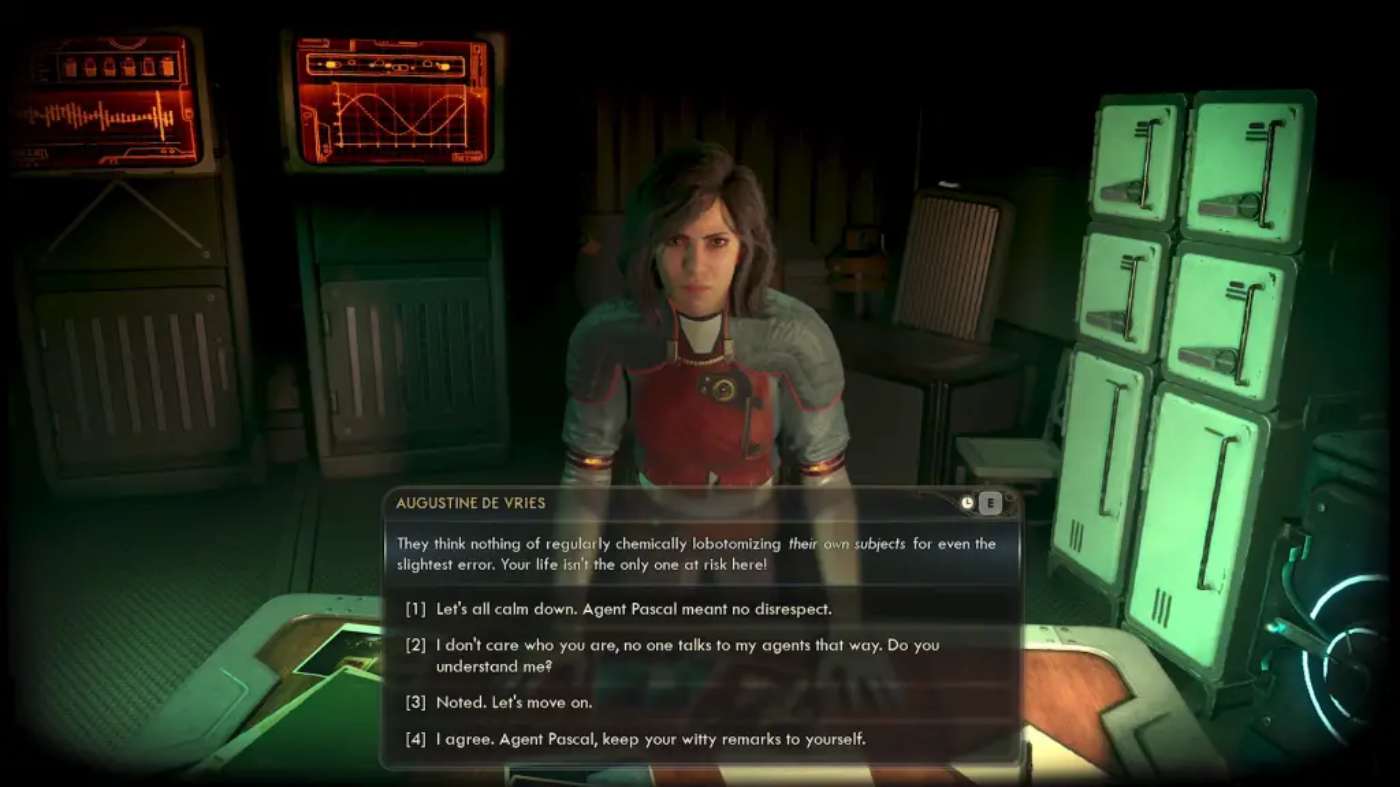
It is absurdly flexible when it comes to role-playing, though. Much like the first game, the many directions in which you can take your character can and will shape the way in which the story wraps up. My jack-of-all-trades agent meant I couldn’t interface with a lot of the endgame skill checks necessary for certain endings. It’s an experience dripping with replay value, one that would take many playthroughs to see everything it has to offer.
Like the first game, The Outer Worlds 2 nails its world(s) and setting. While the satirical analysis of late-stage capitalism still lies at the beating heart of The Outer Worlds 2, it’s the game’s new factions that really leave an impact. The Order of the Ascendant are faith-based futurists dedicated to solving the enigmatic Universal Equation. They deal in predictions and patterns with mathematical precision in the service of a better tomorrow – even if that tomorrow doesn’t include you. The Protectorate, on the other hand, are a whole other can of worms.
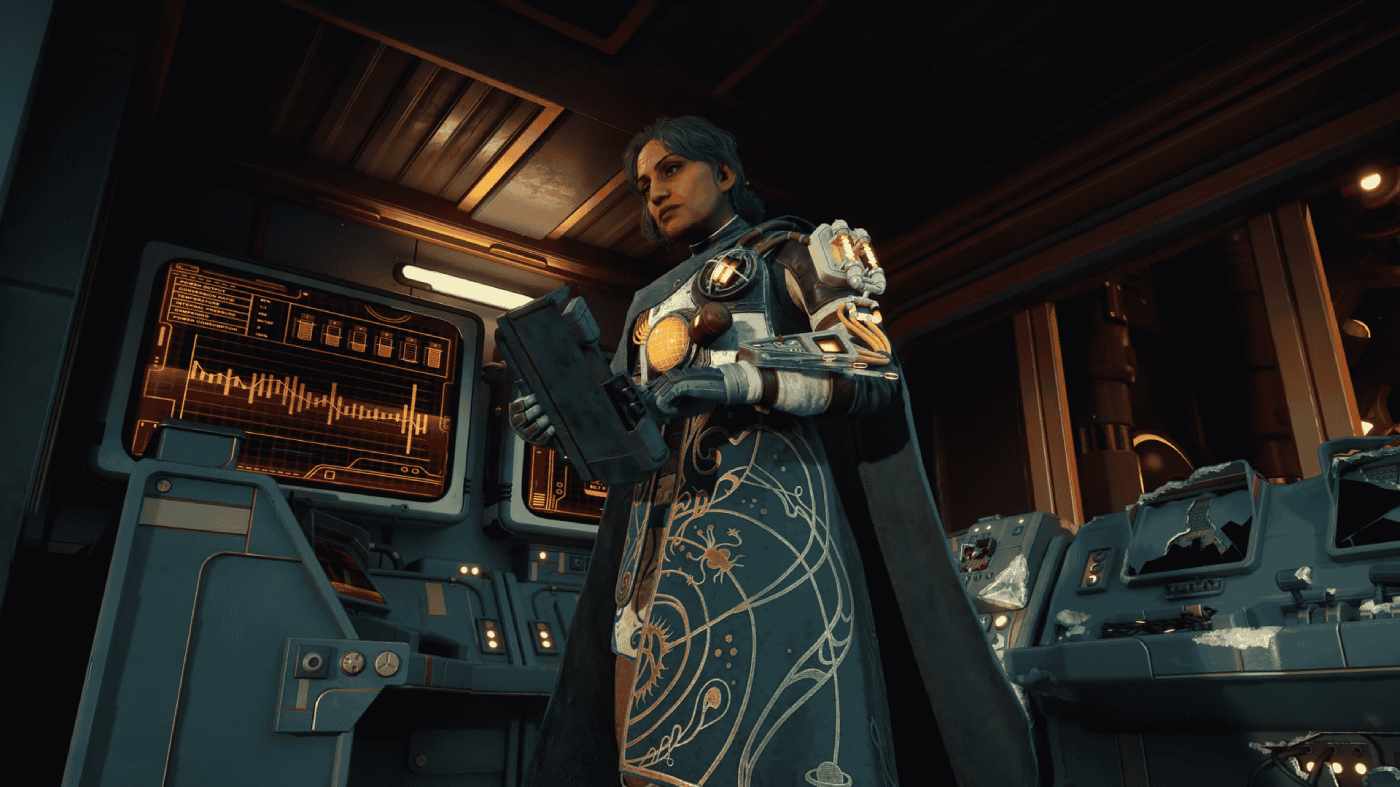
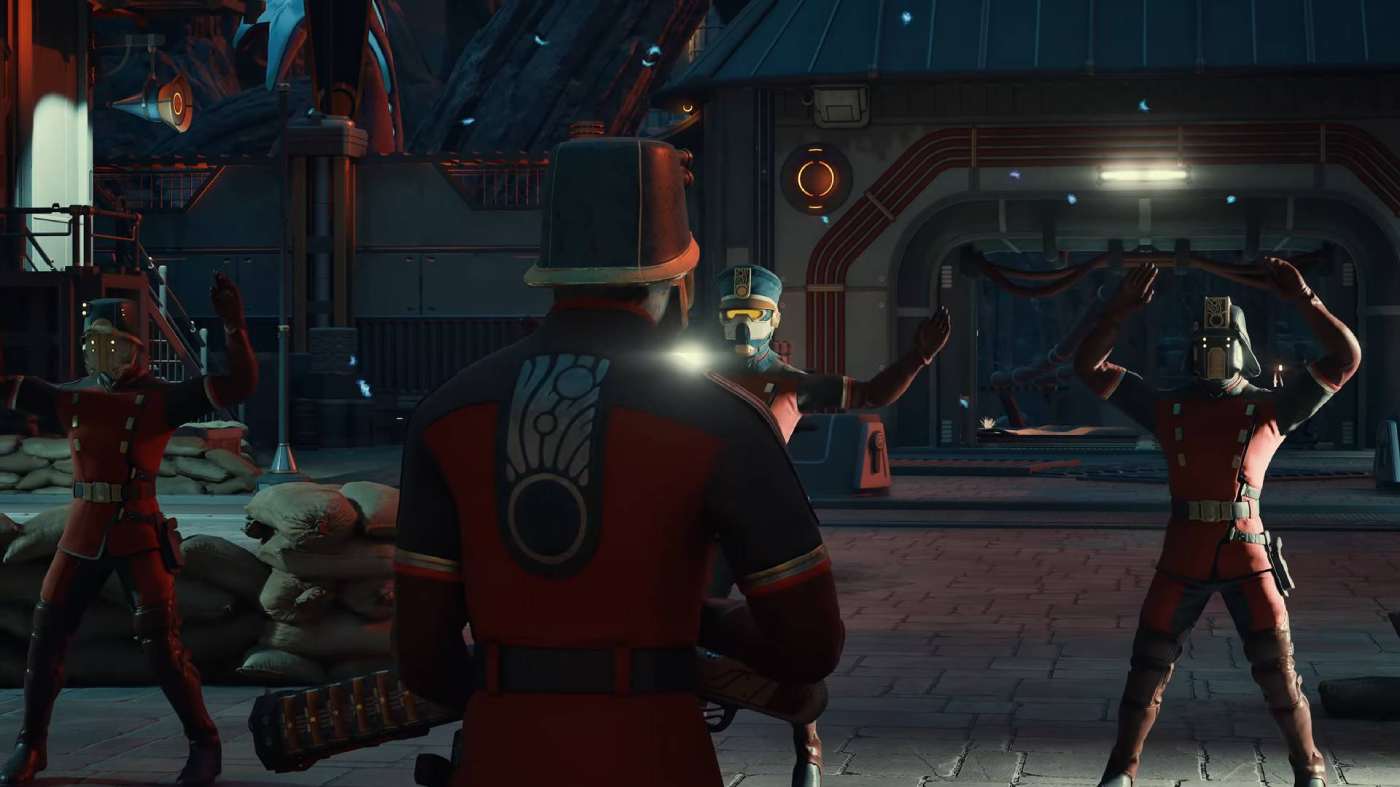
If you thought Spacer’s Choice and Auntie Cleo’s from the first game were despicable, just you wait until you see what the Protectorate gets up to. This totalitarian faction holds the most influence in the Arcadia colony, demanding subservience and obedience to their way of life, rules, and beliefs. They’re inflexible in their desire to make their utopia a reality, forcefully shaping its loyal subjects into unfeeling and morally bankrupt individuals who put the idea of the Protectorate above all else.
Perhaps it’s a coincidence given the lengthy timelines of game development, but the Protectorate feels all too real set against the backdrop of today’s world. Those who stray from the Protectorate’s ideals are swiftly pulled in line via an ominous process known as Mental Refreshment, corruption spreads like wildfire through its higher ranks, and their general inability to display any level of nuance when confronted with complex situations is scary to say the least. They’re a haunting enemy faction that feels like a natural extension of the themes and ideas explored in the first game.
There are so many great characters within these factions – a few of which will join you as companions. While they aren’t made equal, I do think this is a step up over the first game. My undisputed favourite is Tristan Rao, a high-ranking member of the Protectorate who doesn’t quite believe what the Protectorate has been feeding him about the death of his superior. Tristan’s stoic belief in the Protectorate’s ideals is regularly challenged as he accompanies you throughout the Arcadia colony, leading to some poignant character development through his companion quest.
Broadly speaking, the writing here is also fantastic. It has the same shrewd sense of humour as the first game, poking fun at capitalist and totalitarian constructs to great effect. Combine this with some similarly great performances across the board, and it’s hard not to try and speak with any and every NPC that will engage in conversation with you. It also continues to throw tough decisions at you, forcing you to weigh up options or maybe even dig a little deeper to see if you can find a better-suited outcome for involved parties.
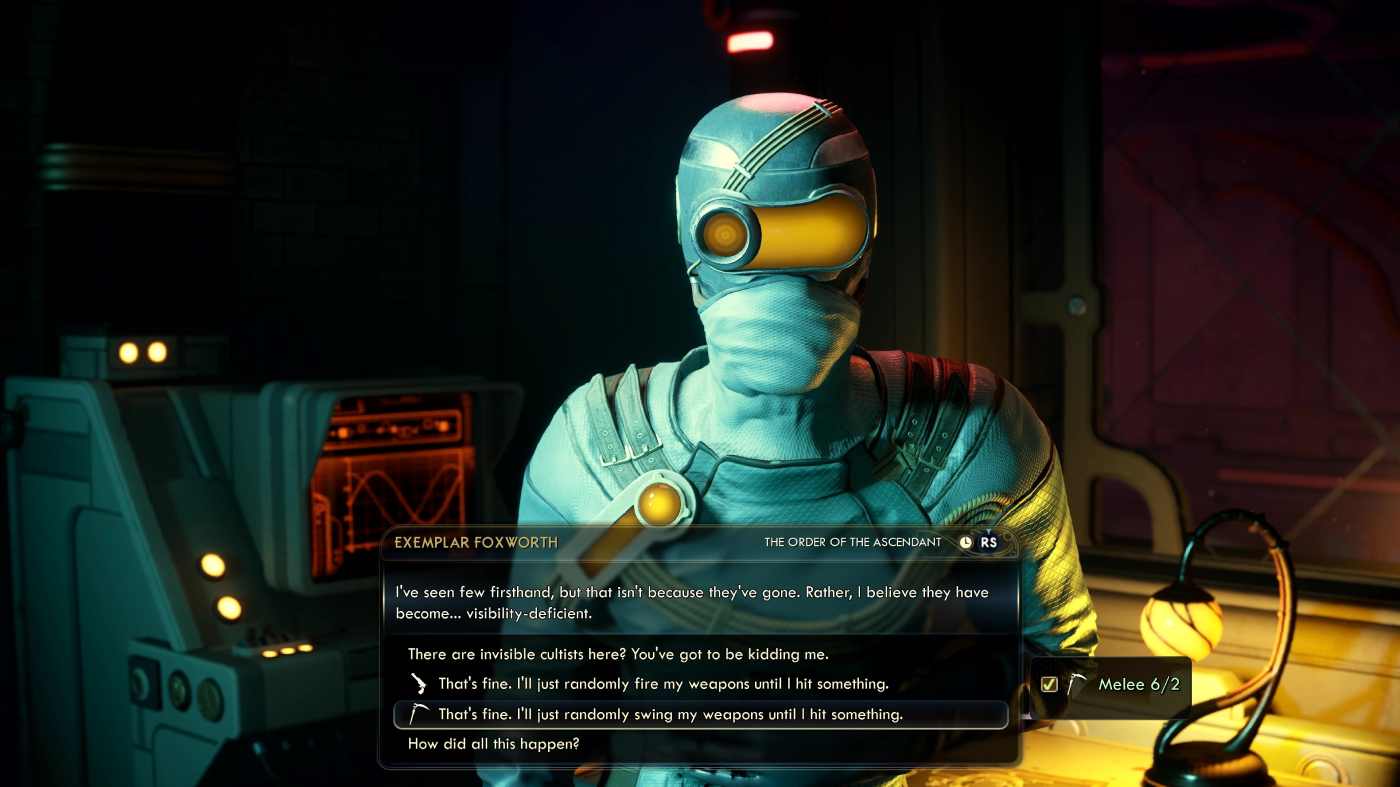
The role-playing systems here have also been heavily iterated upon. Parts have been chopped out of modified, but not in a way that makes The Outer Worlds 2 shallow. Skills have been fundamentally reworked and are immediately easier to understand without compromising on depth, omitting specialised skills entirely in favour of a more traditional RPG framework. Unlockable Perks are no longer dictated by tiers, but instead are made available to you as you put points into their related skills.
The brilliant Flaw system also makes a return and feels fully realised here. These continue to analyse your gameplay tendencies and offer you negative traits; only the trade-offs here are much more long-term. Where the first game would give you a perk point if you accepted a Flaw, The Outer Worlds 2 will tie that Flaw to a permanent positive bonus. One Flaw I took early on, for example, gave me an extra skill point per level up, with the concession that each skill I put points into cannot exceed another by more than one point.
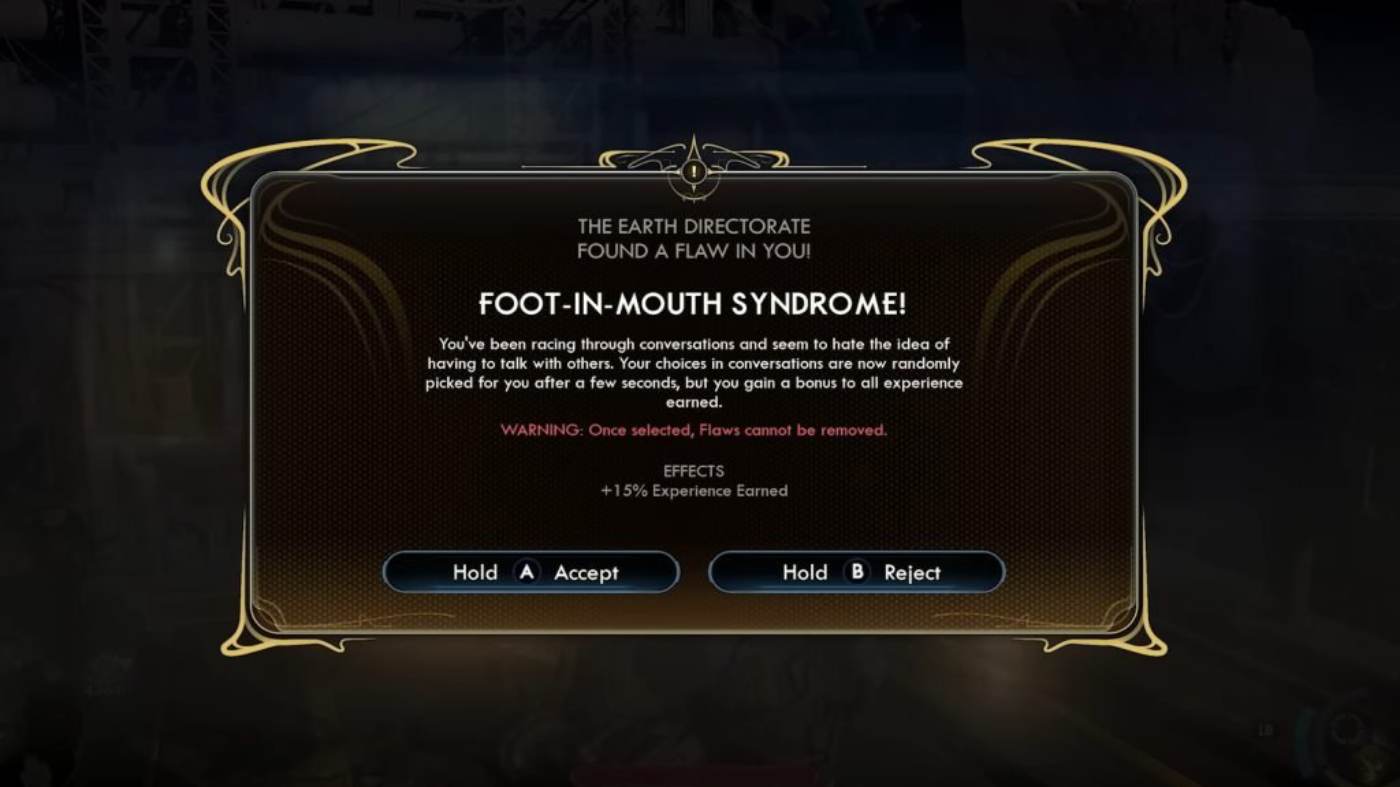
This is exactly what led to my build becoming a jack-of-all-trades, but other Flaws offer similar fun bonuses that incentivise you to take them on more frequently. Kleptomaniac is another great example, where stolen goods and loot sell for more, but you’re also put into a position where you’ll randomly take items if you so much as glance in their direction. Combine all of this with backgrounds and traits when you create your character, and it’s clear to see that The Outer Worlds 2 promotes player choice above all else. The inability to respec is also a brilliant choice, forcing you to live with your decisions and work within the constraints of your build.
THE CURRENT CHEAPEST SHIPPED PRICE IS $89 AT TARGET WITH FREE SHIPPING
Combat is also vastly improved here, mostly thanks to new movement options. You can mantle, sprint, double jump, slide, and more, all leading to more kinetic and immediate engagements. Companion abilities no longer have those slow-motion animations tied to them, significantly improving combat pacing overall. You can also choose to play in third-person if your heart so desires, but it does feel somewhat unfinished in its current state. It just feels like the experience hasn’t been designed around it, with stilted animations and awkward camera controls that undermine the other combat improvements.
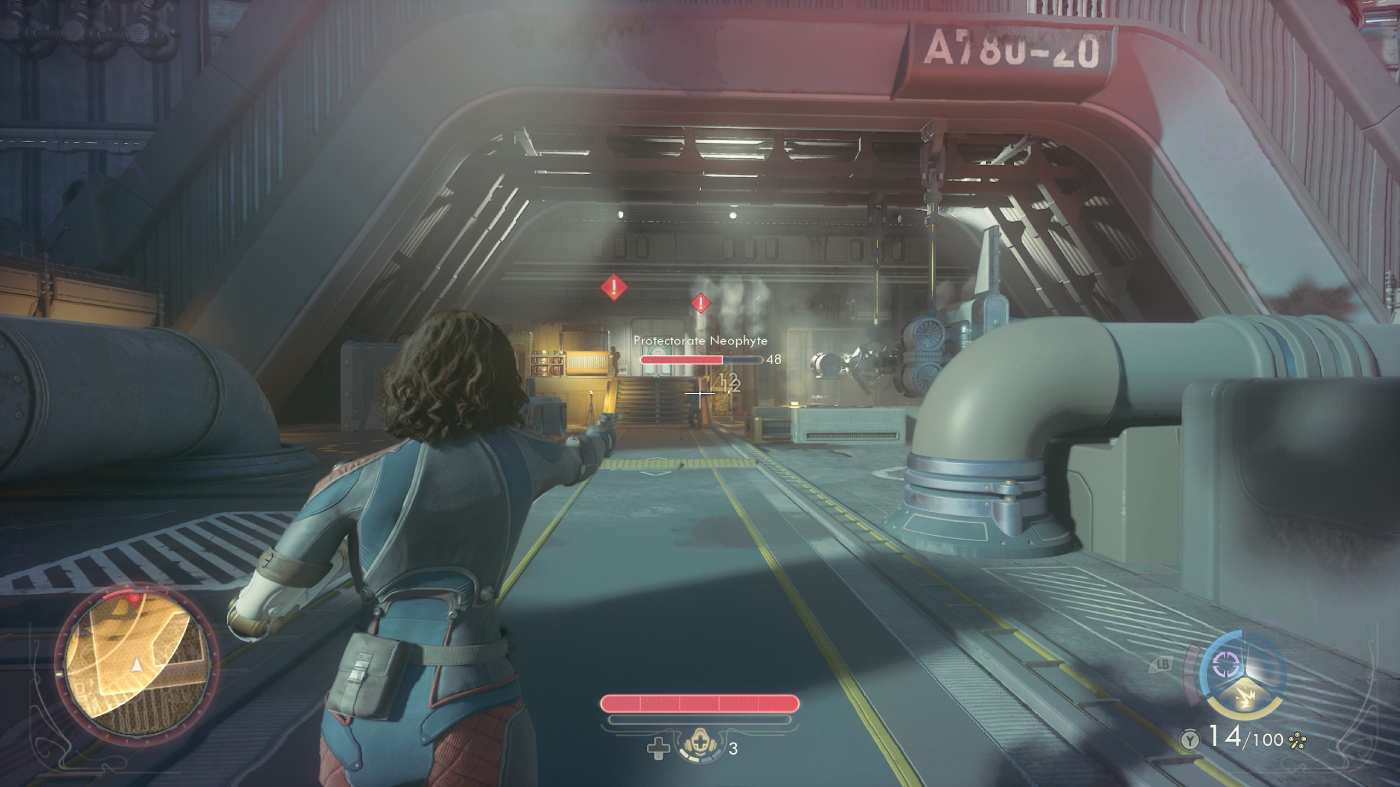
This is a good thing because you’ll often find yourself getting into altercations with all the exploration you’ll be doing. The Outer Worlds 2 again opts for smaller, more dense worlds that are jam-packed with stuff to do. Excellently written sidequests, points of interest, hidden armour and weapons to further flesh out your build, companion mod-kits, and more. Fleshing this out further are permanent unlocks called Gadgets, which you’ll steadily unlock through the main progression and allow for fun environmental puzzle solving and platforming.
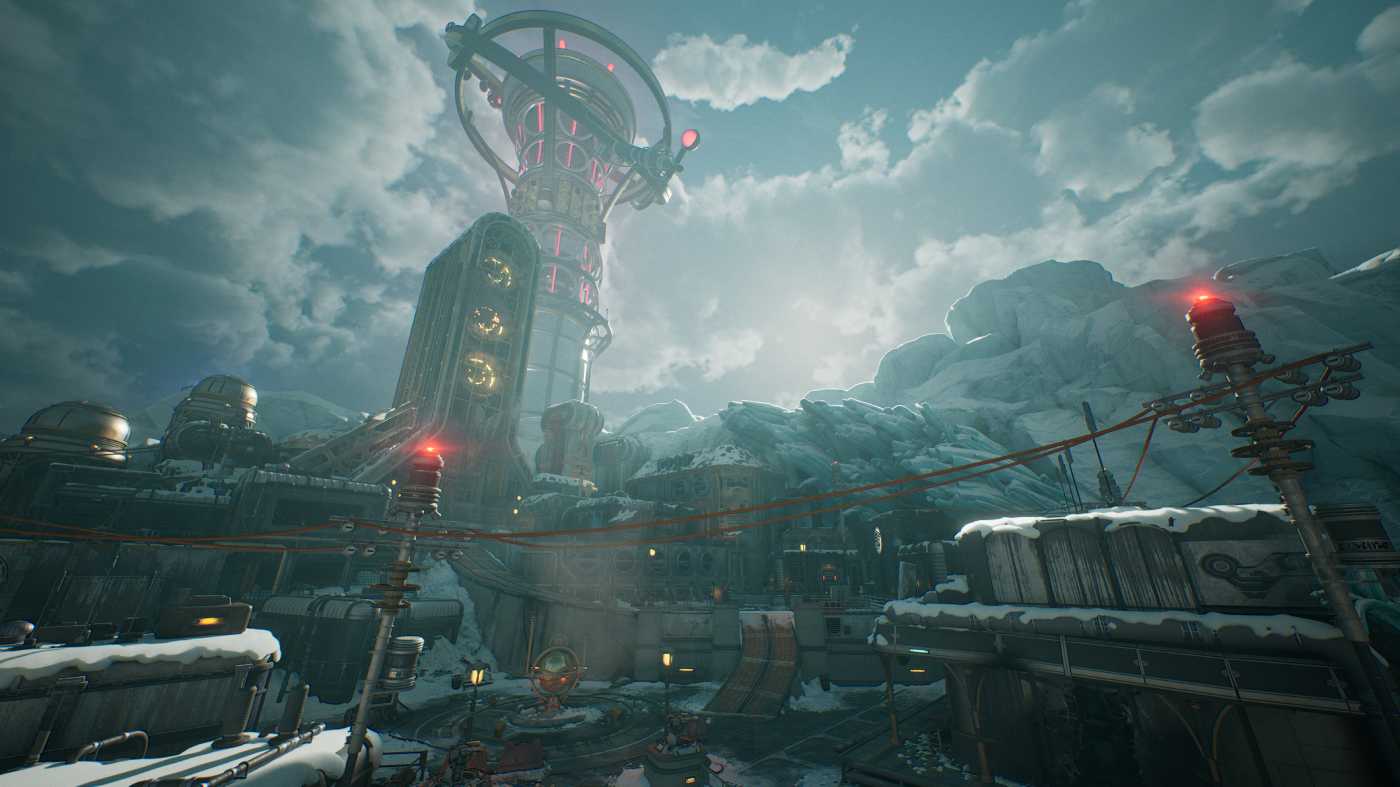
There’s much more visual diversity on display compared to the first game as well. Early areas like Paradise Island or Golden Ridge share some of the visual design language of the first game, while planets like Cloister and Praetor are exploring new frontiers within the franchise. Cloister is a particular highlight, its surface caked with snow, with monolithic structures that loom large within its perpetual blizzard. Its underground areas stand in opposition to that chaos, offering a serene calm as light refracts through the ice overhead.
Everything looks great and runs smoothly for the most part. Series X offers three modes, Quality, Balanced, and Performance, each running at 30, 40, and 60 frames per second, respectively. Each scales dynamically depending on the situation, while making use of upscaling, but I did see some noticeable drops in performance mode when things got particularly busy. I also had a couple of hard crashes and softlocks, which were fixed by loading my most recent save, but still frustrating nonetheless.
I’m delightfully surprised at how much I enjoyed The Outer Worlds 2. It may seem that its changes are superfluous or even counter-intuitive to deepening the kind of experience Obsidian Entertainment consistently deliver, but they’re quite the opposite. It’s a truly refined and distilled RPG experience, one we don’t often see in the industry today. It’s an easy recommendation as some of Obsidian’s best work, especially as a day-one Game Pass title.