

Press Start may receive a commission when you buy from links on our site at no extra cost to you.
Stranger Than Heaven—weird Tupac feature set right aside—is the most interested I’ve been in a game out of Japan’s RGG Studios, known best for the Like A Dragon games as well as its many spin-offs, of which Stranger Than Heaven is one, being a distant prequel. Almost like a Richard Linklater film, the game takes place over a long life, spanning several decades, as Makoto Daito makes for Japan in search of a better life.
Over the course of half an hour, I got to go hands-on with the game’s unique brand of combat. By separating the left and right sides of the body, assigning regular and heavy hits on each side to their respective bumper and trigger, Stranger Than Heaven offers a combat experience that’s easy to engage with, but incredibly difficult to master. Blocks and parries are handled the same, as you can hold down B to take a prepared stance and time those bumpers with incoming attacks to deflect. There is stamina, and holding a block stance drains it quickly, so remaining nimble but prepared is key.
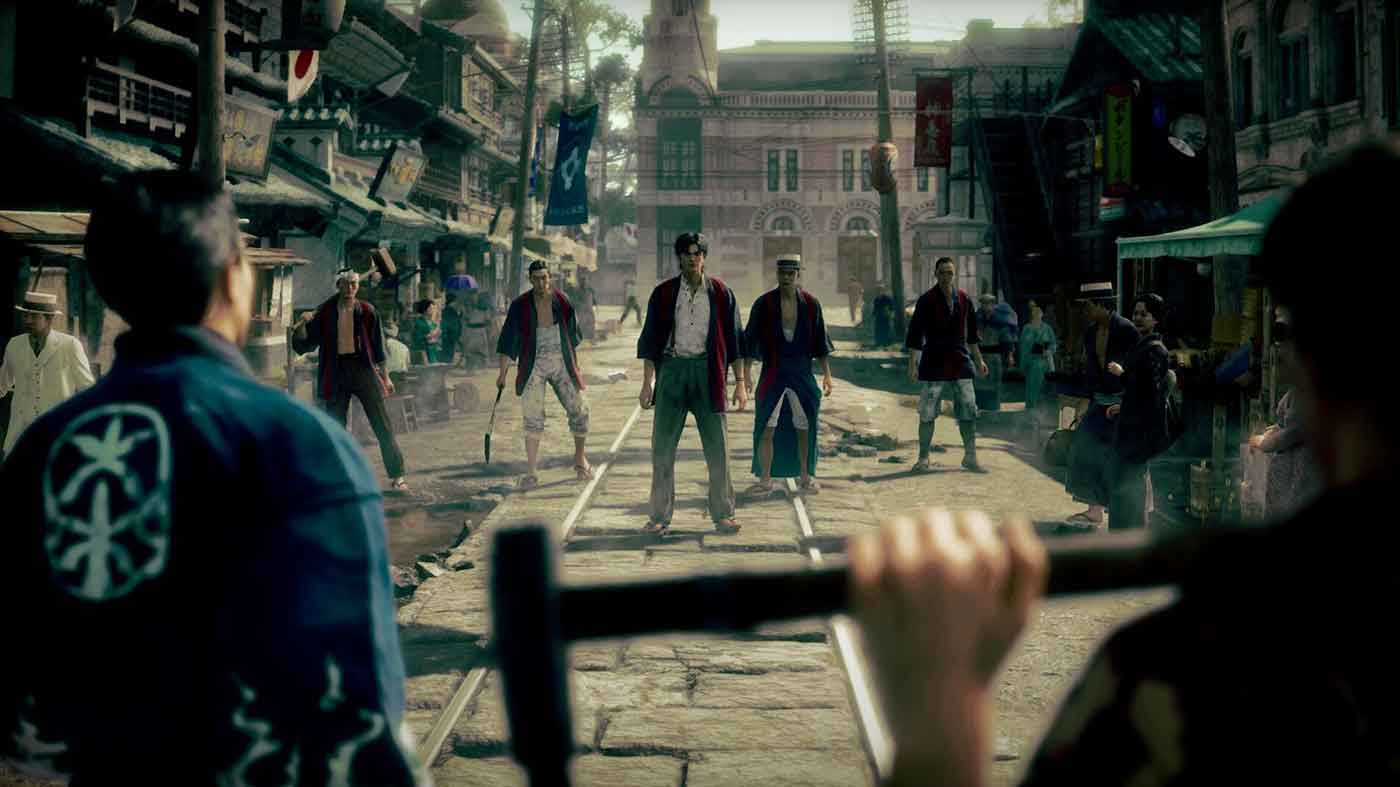
The game will have thirteen weapons at launch, three of which were available for the purpose of this demo: the fists, knife, and crowbar. As you’d expect, throwing hands is fast but deals less damage than something hefty like a big old crowbar, which has a much slower wind-up. You can hot swap between weapons mid-fight to vary attacks, and you can also pick up things in the environment, like glass bottles, and throw them for a quick stagger. It’s important to buy yourself space in this game, as it doesn’t take a lot to get overwhelmed.
Grabs are a big part of Stranger Than Heaven’s street fights, and I feel they add a movie-like, gritty realism to how the fights unfold. If a thug grabs your right arm, it leaves your left hand free to sock him in the face, or even deal separately with those looking to join the fight. I encountered a very cool moment where I was able to grab another thug with my free hand and clap their heads together like a couple of cymbals. I wasn’t able to replicate it, but it seemed brutal and folded an element of realism into the combat through that kind of sheer reactivity.
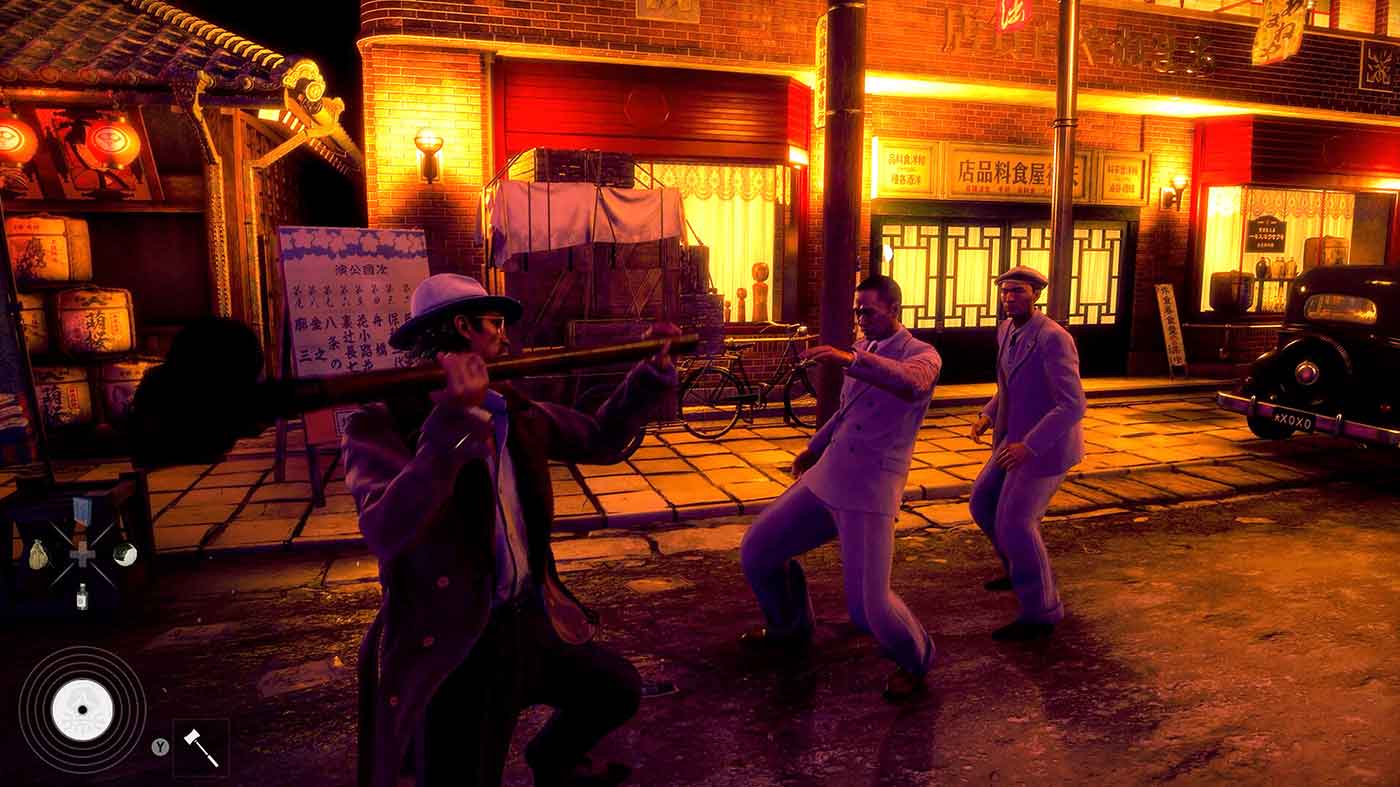
I didn’t walk away from Stranger Than Heaven’s demo with a great sense that combat varies era to era; however, the thugs you’ll encounter do. That might have to do with the fact that the three fights I took part in fell under regular, intermediate, and advanced categories. The learning curve is rather steep and comes at you fast; after breezing through the first couple and perhaps feeling a little bit cocky, I was quickly humbled by the third fight, which was a one-on-one, of all things.
This last fight was more punishing and demanded much more concentration than the gang brawls, so it seems to run the gamut between experiences that are either chaotic fun or rewarding. I’m interested to see how the game can continue to evolve the experience to sustain those feelings over the course of several hours. With music being an integral part of the game, I’ve seen a mechanic where Daito can source sounds from the environment mid-fight and unearth a beat for a new track. With novel ideas like that, I expect Stranger Than Heaven to sustain the fun in its combat, though it’s likely half of a greater whole.
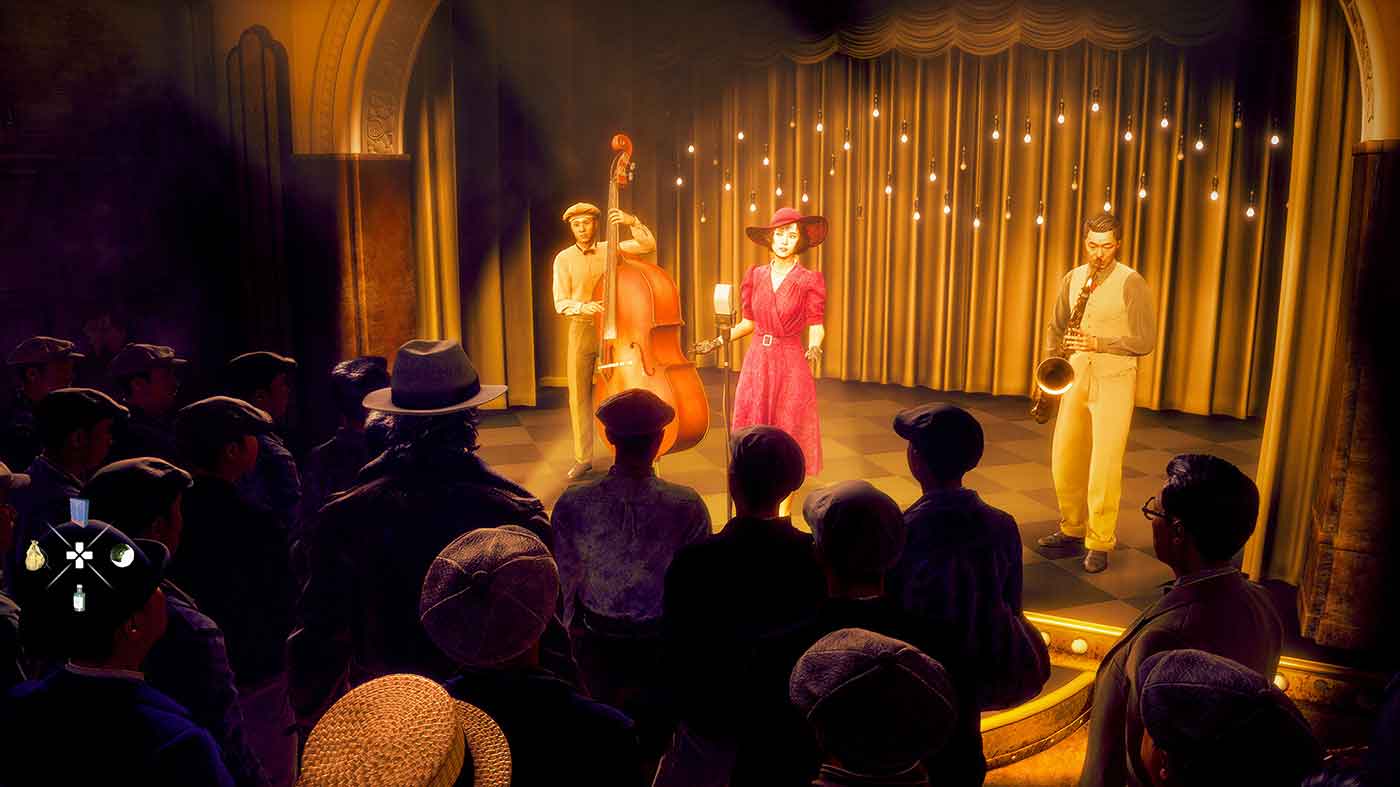
Speaking of the music, I think it’s used incredibly to form the game’s identity and sound. For a game that takes place across generational leaps, the decision to use something as timeless as jazz for the bedrock of Stranger Than Heaven’s soundtrack is an inspired choice. It’s splashy, beat-driven, and creates a swing rhythm that’s as punchy as the combat is. I expect there’ll be other genres mixed through, given that the game’s title track, performed by Ado and featuring none other than Snoop Dogg himself, is more of a pop and hip-hop hybrid.
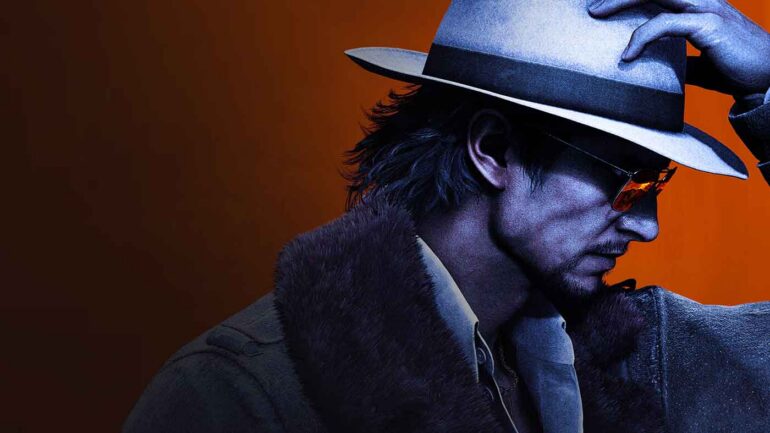
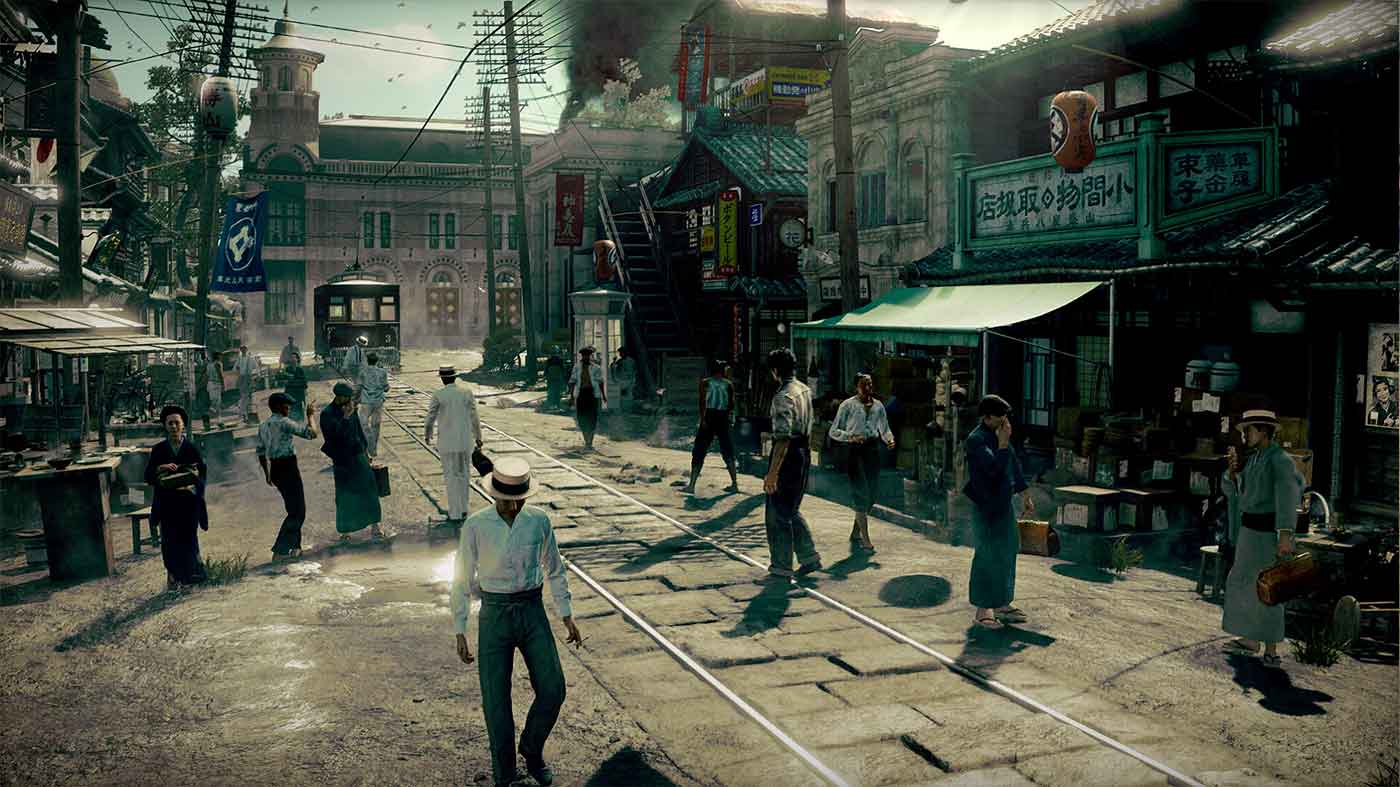
Architecture is one way the game is able to define its eras. Seeing how built-up the cities become is pretty incredible; the play spaces we had were quite small. I expect the full game’s various sandboxes will be fun to explore. Stranger Than Heaven also uses fashion to create a sense of time and place, and it was amusing to see the character’s fluffed-up feathers and leather jacket come out to keep in step with the style of the time.
I’m glad to have walked away from Stranger Than Heaven with the outlook of it not being just another Like A Dragon game, which is how I’d perceived it up until this point. The combat is cinematic, offers up a challenge that demands mastery, and is unlike anything else on the market.