

Press Start may receive a commission when you buy from links on our site at no extra cost to you.
As a long time fan of the Mafia series, I’ve been cautiously optimistic about the prospect of a prequel to the long-running crime epic. Following the disappointment of Mafia 3 and Hangar 13’s course correction with Mafia: Definitive Edition, Mafia: The Old Country looks to the series’ roots, striking a perfect balance between narrative-driven crime drama and an enjoyable gameplay loop. While it doesn’t always hit the mark, The Old Country is utterly engrossing from beginning to end.
The game takes place in early 1900s Sicily, where technological advancements have begun to shape the world around it and the divide between poverty and prosperity continues to grow. You play as Enzo Favara. Sold to a sulfur mine at the age of five in order to pay off family debts, Enzo’s spent years saving money in order to leave as a free man.
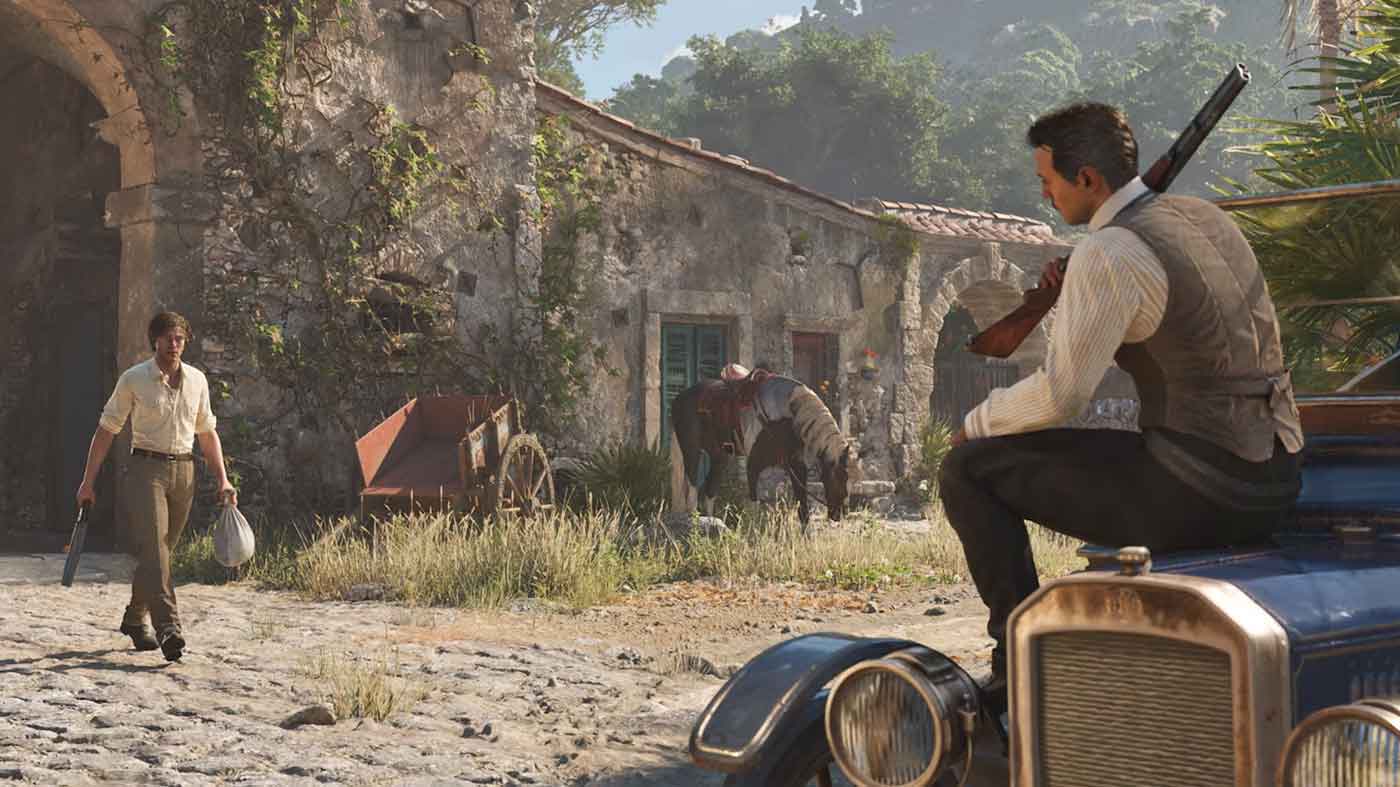
The Old Country’s story takes some time to get going as it sets the stage for Enzo to make his way into the Torrisi crime family. While this would usually irk me in most games, strong character writing and narrative set pieces in the lead up to Enzo being accepted as a member of the family made the payoff all the better. From there, the game progressively amps up the stakes until the final crescendo, keeping me well and truly compelled all the way through.
A strength of the Mafia games has always been the writing and narrative direction, and there’s no question these are at the core of what makes The Old Country so good. Focusing in on a smaller cast of characters within the Torrisi family allows the story to breathe, while also giving Enzo time to meet and understand each character’s motivations. The writing and performances from the entire cast are excellent, making me feel attached to each character in their own way.
THE CHEAPEST PRICE: $79 WITH FREE SHIPPING FROM AMAZON
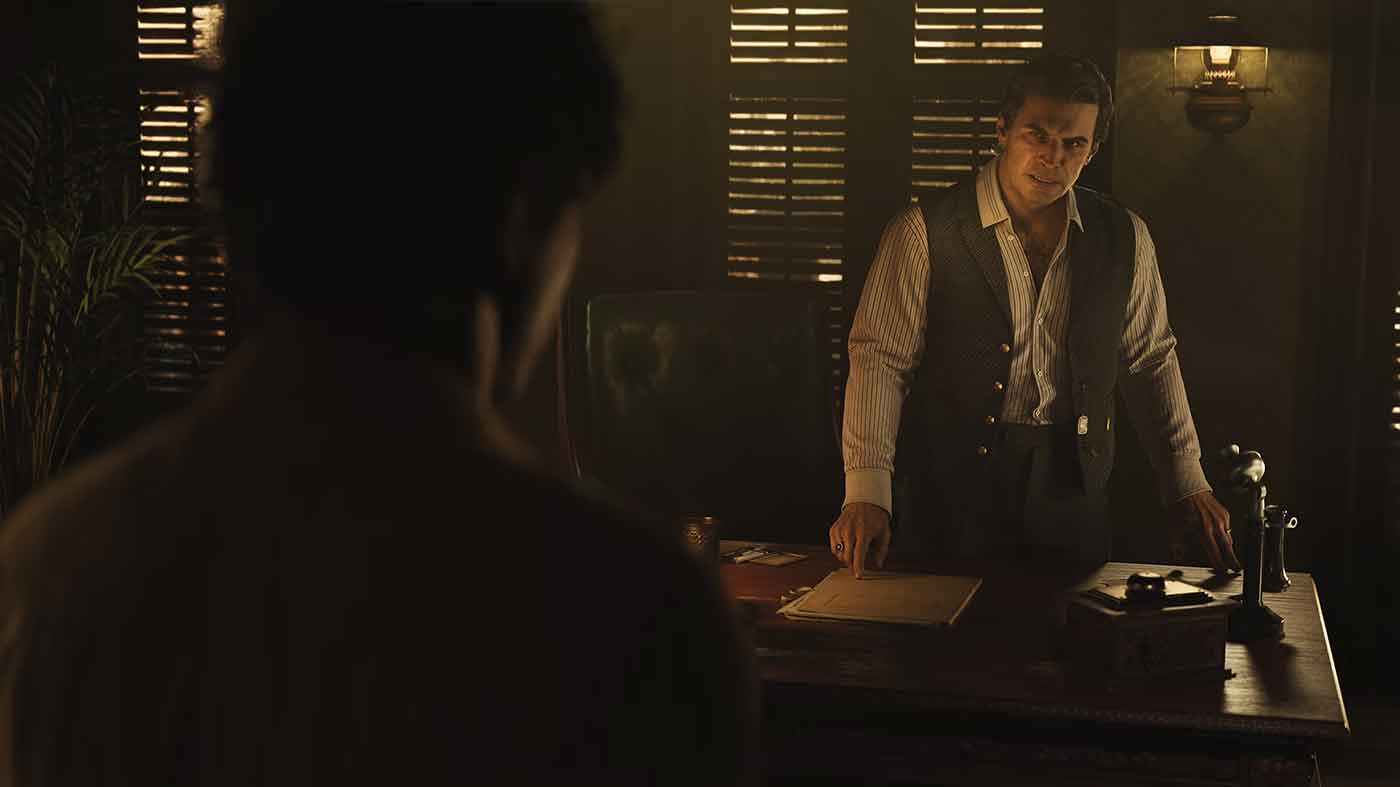
I was particularly impressed by the cinematic direction and animation work in The Old Country. There’s no question the team’s taken particular inspirations from some of the best mob movies around (more on that here), and that shines in key story beats. While the Mafia games have always been known for whipping up a great story, The Old Country takes that a step further thanks to some seriously good camera work within the cinematics, enhancing the mood and atmosphere during the game’s most intense moments. It’s a shame these cutscenes are locked to 30fps, which made the jump from a higher framerate on PC quite jarring.
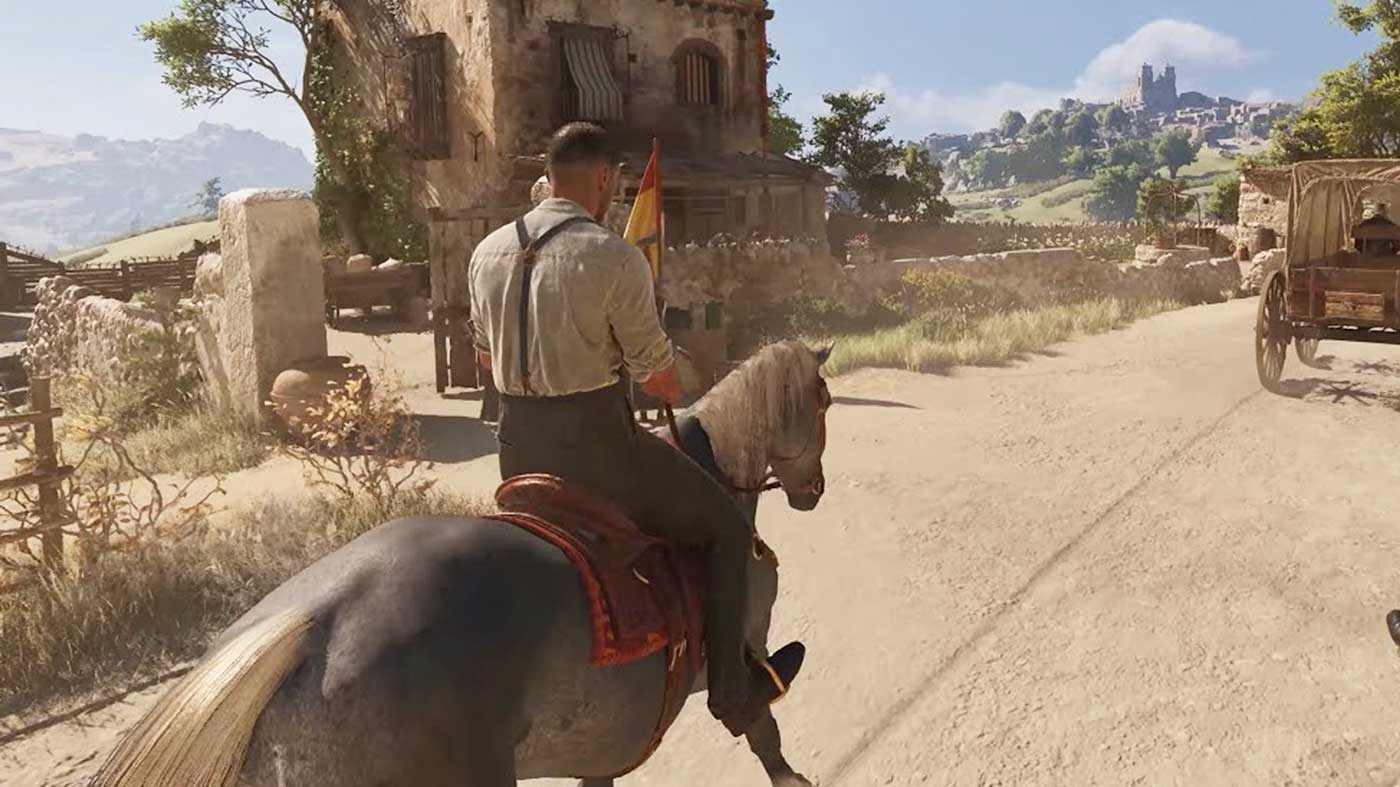
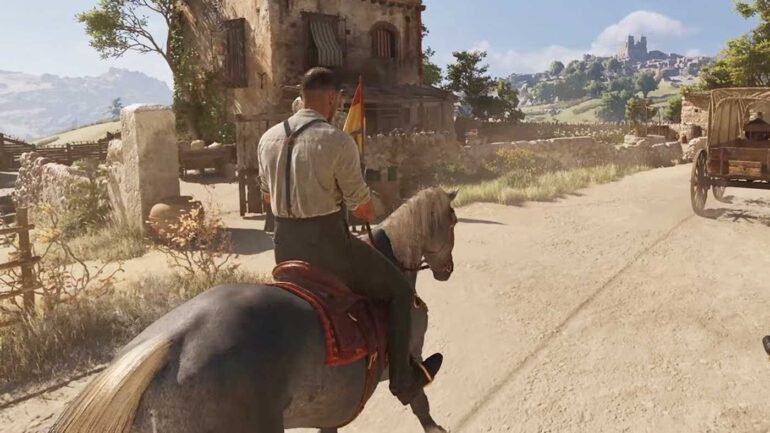
Whether you’re watching a cutscene or exploring in-game, The Old Country is an absolute looker. Early 1900s Sicily doesn’t have the hustle and bustle of Empire Bay or Lost Heaven, and is instead packed with gorgeous mountain views, sprawling vineyards and little towns to explore. I did encounter the dreaded Unreal Engine 5 stutter while traversing the region, though I tried to look past it thanks to all of the little details you come across as you make your way around Sicily.
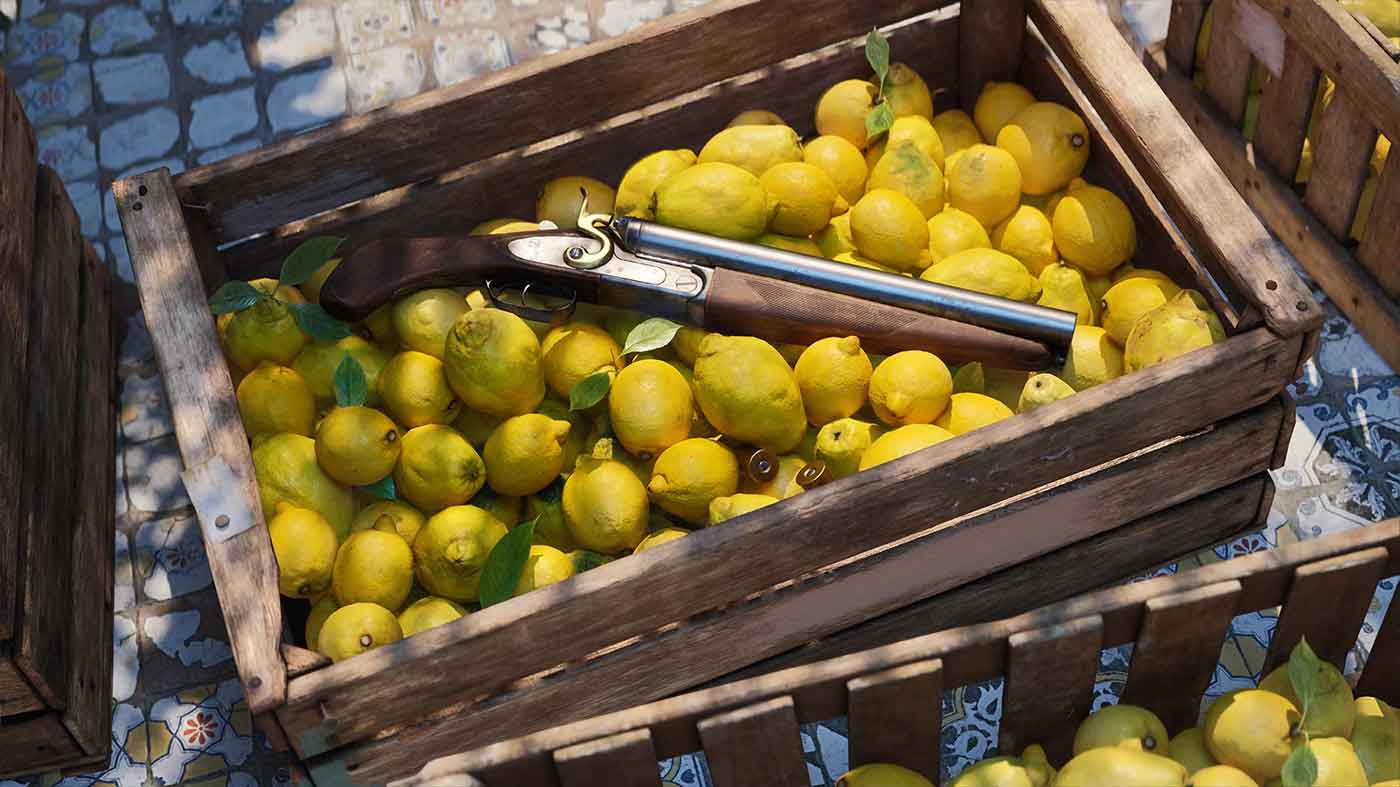
Exploring the region is made simple thanks to the range of transport options on offer for Enzo, too. Whether you want to take your time and explore the game world on horseback or drive a car, The Old Country gives you a decent amount of freedom to take in the sights however you like. Car handling has been upgraded significantly from Mafia: Definitive Edition, which made getting around a lot less cumbersome. I also appreciated the option to skip drives to certain mission objectives, however the contextual chats between characters you end up missing out on during these rides far outweigh the few minutes you’d save to skip the trip.
Throughout the 12-hour story, you’ll travel across Sicily doing a wide range of jobs for Don Torrisi. I never found these missions mundane, mostly thanks to the ever-changing locations and scenarios Enzo was thrown into. That said, the actual mission structure became a bit too similar towards the halfway point of the game. It always ended up being something around infiltrating an area and taking out a target that’s posing a problem for the family.
Even so, the general gameplay loop in The Old Country is enjoyable enough. Hangar 13’s improved a range of systems from previous entries, while taking inspiration from other games to craft a combat system that rewards stealth and quick-thinking.
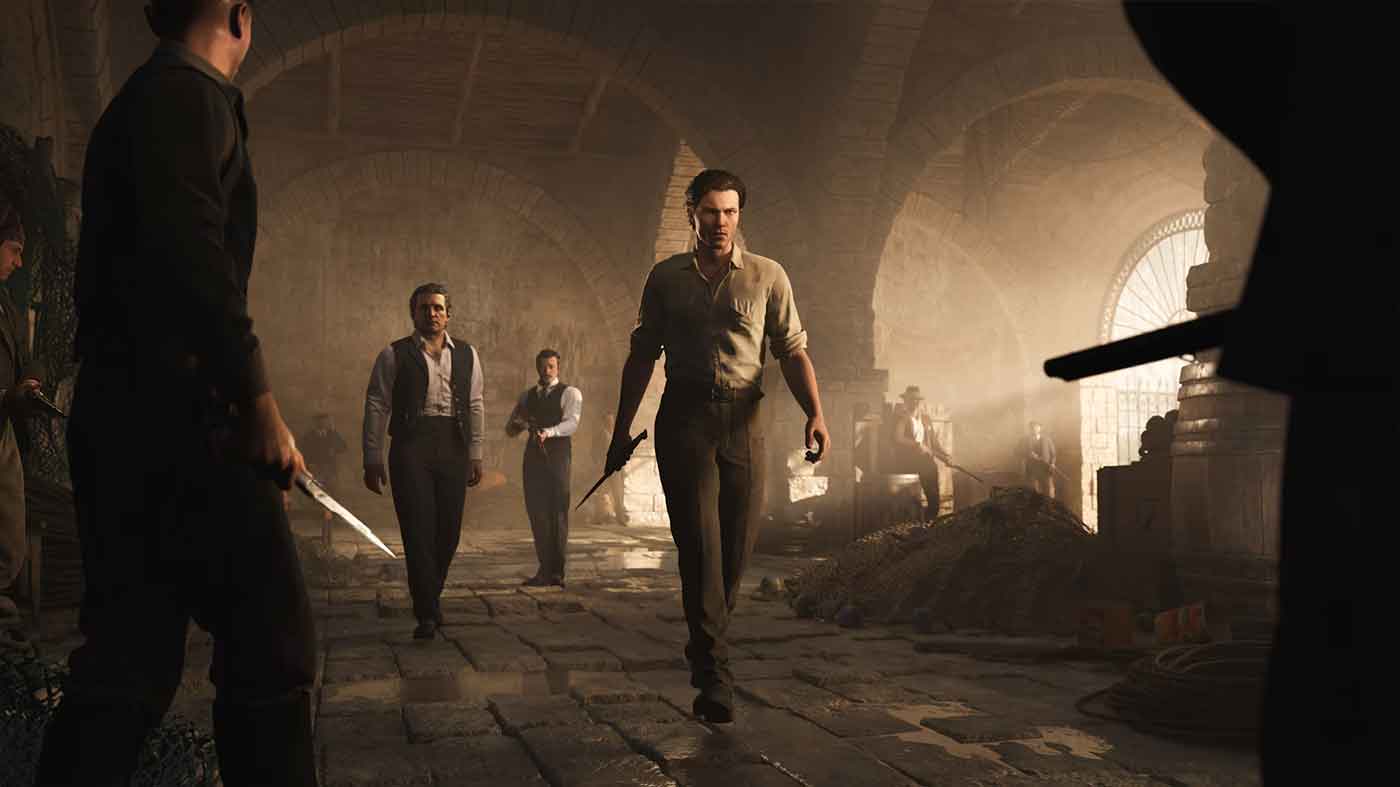
Enzo’s ever-trusty knife can be used to instantly take out enemies, open lockboxes and pick door locks. It needs to be kept sharp though, so you need to manage the dullness of the blade by sharpening it with whetstone found throughout the game. Enzo can also carry a sidearm, a primary weapon, some coins to use for distractions and grenades for when it all goes to hell. Mixing this all in together creates a decent arsenal for Enzo to make use of, which is capped off with a listening ability called ‘instinct’ that highlights enemies around you (think The Last of Us’ listen mode).
Gunplay feels better than it’s ever been, too. There’s a bit of sway to get used to, but before too long I was able to handle each weapon relatively easily and get through enemies without too much trouble. Much like Mafia: Definitive Edition, making use of cover is your best friend in The Old Country. You’re also able to enhance various attributes through charms scattered throughout the world, each giving Enzo additional buffs like a boost to ammo capacity or faster looting. You’re also able to buy new weapons, vehicles and horses in various areas in the open world.
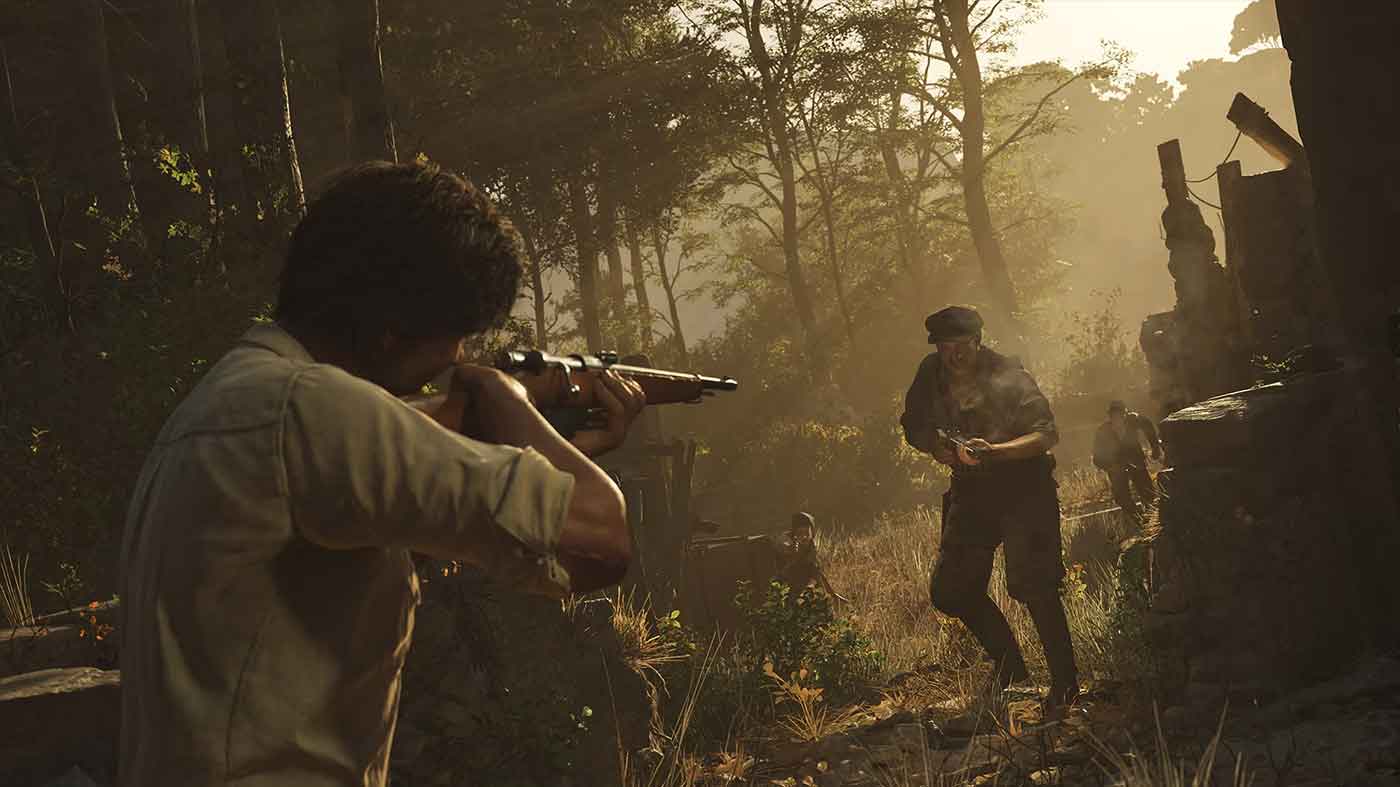
One of my biggest gripes with the game, however, is the amount of stealth-focused missions. While I’m all for this style of gameplay, there were too many missions that had instant fail stealth sections for my liking. It takes away too much agency from the player to tackle situations how they choose, while also shedding a light on the not so bright AI. I couldn’t count the number of times I saw two enemies have a quick chat with one another, separating and then standing around in one spot to wait for their eventual demise. They didn’t seem to have any intelligence in these moments, often not spotting their mates sprawled out in the open. Ironically, this is starkly contrasted with enemy AI when you’re in a gunfight, who will go out of their way to flank you (though they seem to lack the ability to run away from grenades).
One of the biggest surprises with The Old Country was the focus on one-on-one knife fights. These fights, while sporadic throughout the game, have you parrying, dodging and attacking an enemy, slowly knocking down their health bar to eventually take them out. These fights often felt vicious and claustrophobic, as you’re in a relatively tight space and enemies can be fairly aggressive. Being able to parry and dodge at the right time to get a hit or two in took some time and patience, with the tension ratcheting up multiple times throughout a fight. I really liked how these took some focus away from the relatively by the books gunplay, often bookending significant story beats.
Another highlight is the game’s soundtrack. I really loved the way the team managed to blend familiar themes from previous Mafia games with The Old Country, while making the score feel original in its own way. There’s a certain flavour to the soundtrack, and it fits the tone and atmosphere perfectly. Whether you’re exploring the world, interacting with a character or going through a major plot point, the soundtrack is one of the major highlights in The Old Country.
Mafia: The Old Country is an excellent game. It’s a significant improvement from Hangar 13’s previous entries, and shows they clearly understand what makes a Mafia game tick. Whether it’s the engrossing story, the excellent cast of characters or the thoroughly well-realised world, The Old Country is everything I’d hoped it would be. Fans of the series and newcomers alike will find a lot to love about the game, with welcome nods for long-time fans scattered throughout. Minor gripes aside, this is Hangar 13’s best Mafia game by some margin and is a fantastic experience from beginning to end.