
Press Start may receive a commission when you buy from links on our site at no extra cost to you.
If you’d asked me at the start of the year what I was expecting to make my game of the year shortlist out of known titles, Monster Hunter Stories 3: Twisted Reflection wouldn’t have been one of them. While both prior entries are very enjoyable experiences, they’ve always been lacking in a few key areas that kept them from cracking the upper echelon. It felt like CAPCOM wasn’t quite sure about investing too heavily in these games, and that reluctant confidence manifests in some glaring ways.
Twisted Reflection is almost entirely the opposite of that. It feels more premium, more tuned, more expressive, and more ambitious than before. Twisted Reflection is an improvement on Wings of Ruin in every conceivable way – production values are heightened, roleplaying systems are deepened, and its narrative isn’t afraid to brush up against mature subject matter. The end result is the best Monster Hunter Stories game thus far, and one of the best games I’ve played this year.
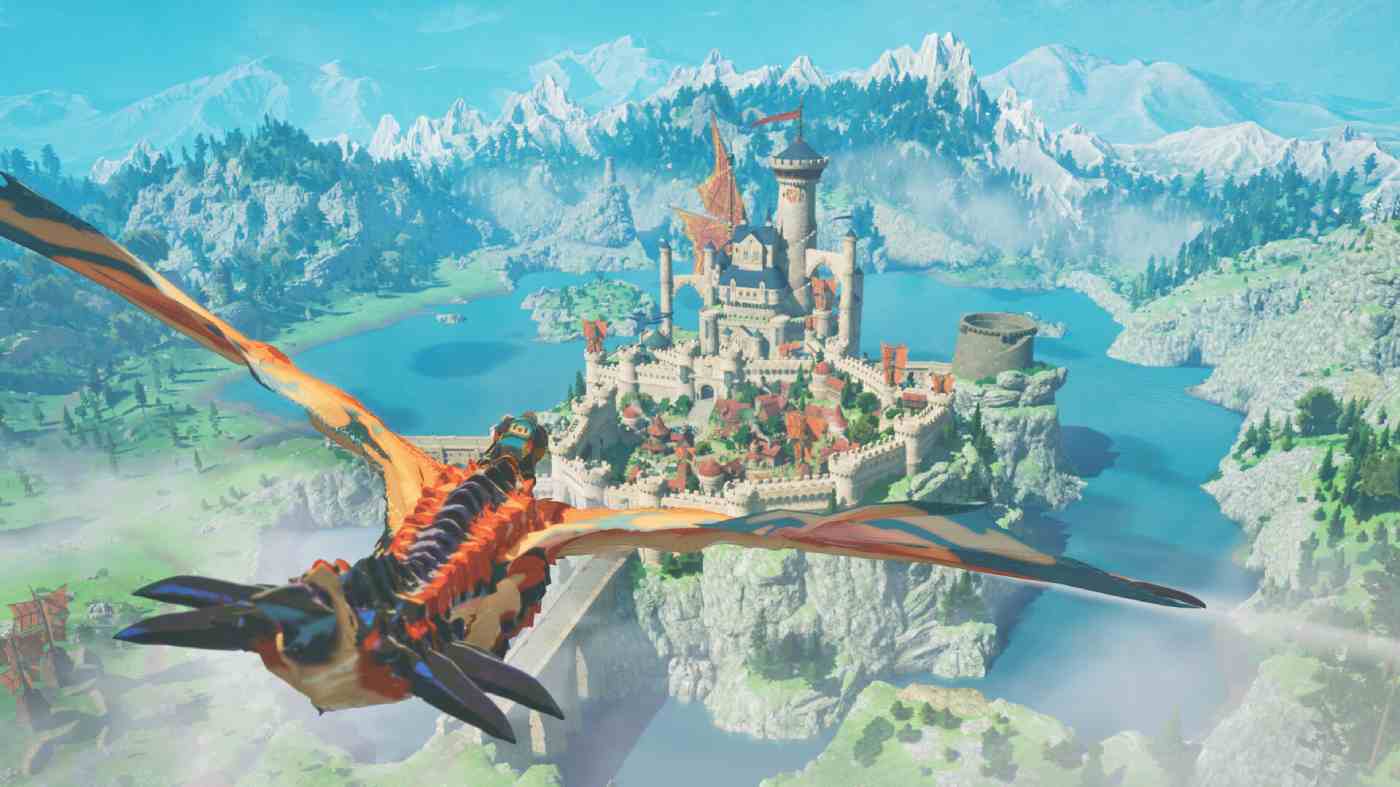
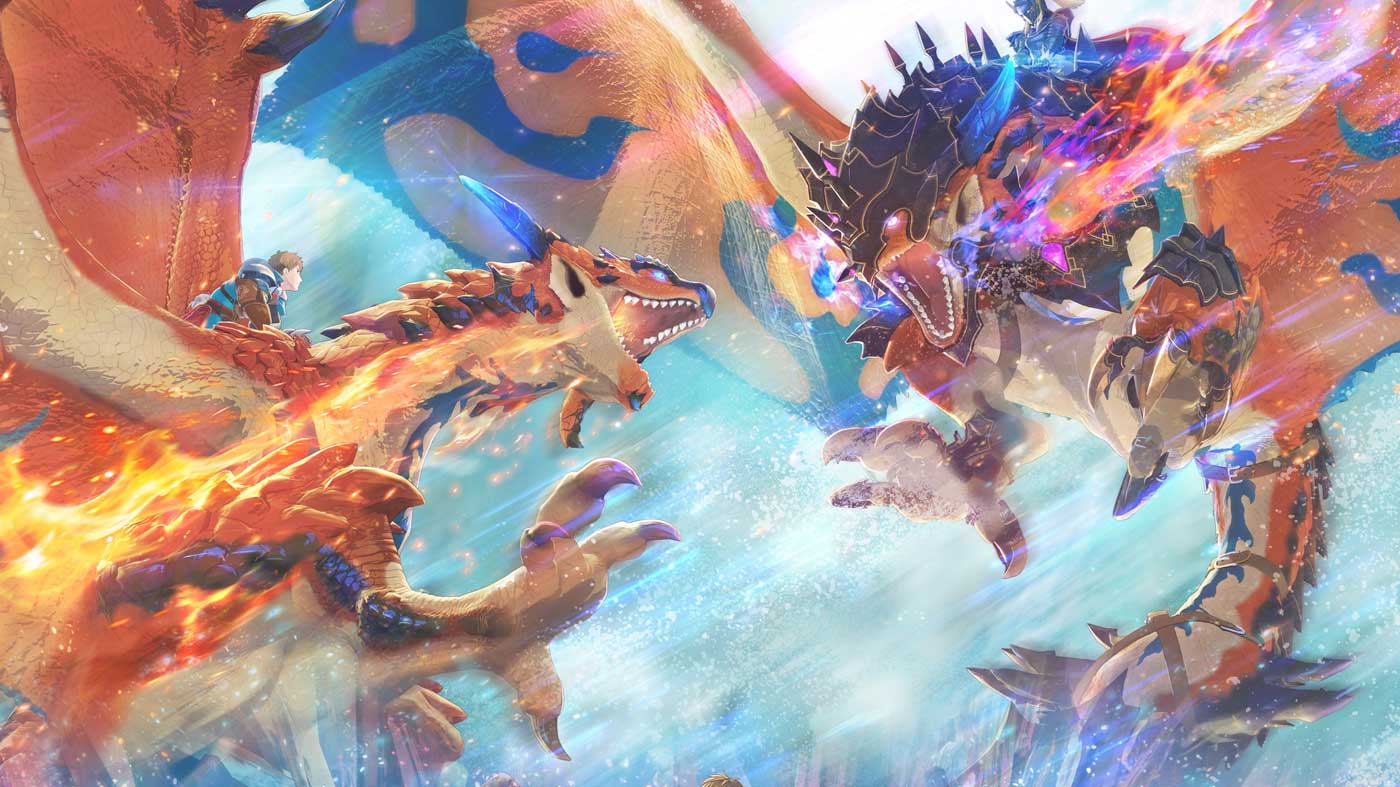
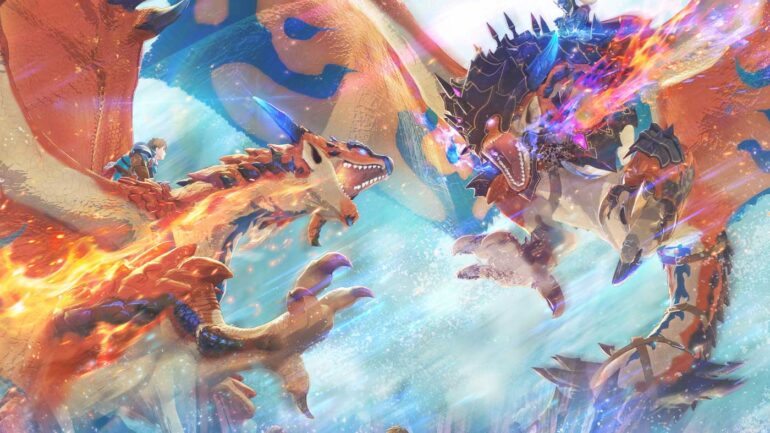
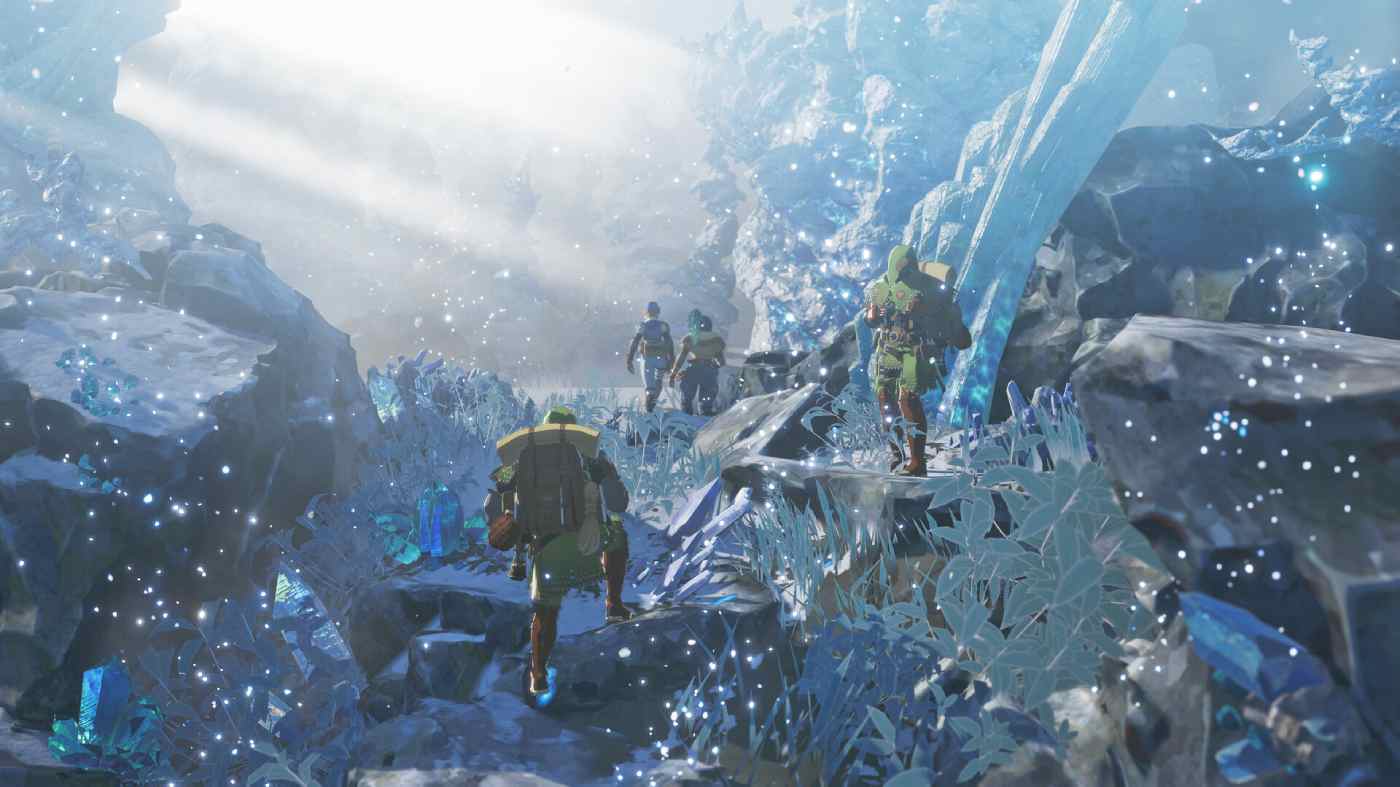
Entirely separate from the previous entries, Twisted Reflection is centred on the kingdoms of Azuria and Vermeil. The lands are under constant threat of the Crystal Encroachment – a strange phenomenon crystallising the land, destroying natural resources, ravaging the environment, and even driving some species of monsters to near-extinction. Set against this backdrop are a pair of twin Rathalos, each bearing a Skyscale marking that calls back to a catastrophic civil war that occurred 200 years prior.
While Azuria has time before the encroachment reaches its territory, Vermeil hasn’t been so lucky. With resources dwindling, tensions are high, and the prospect of war between these nations rears its ugly head once again. Our protagonist here is the prince or princess of Azuria, following in their mother’s footsteps, who was investigating the crystal encroachment. With things on the verge of falling apart, our royal heir departs for distant lands in the hopes of stopping the Crystal Encroachment and preventing all-out war in the process.
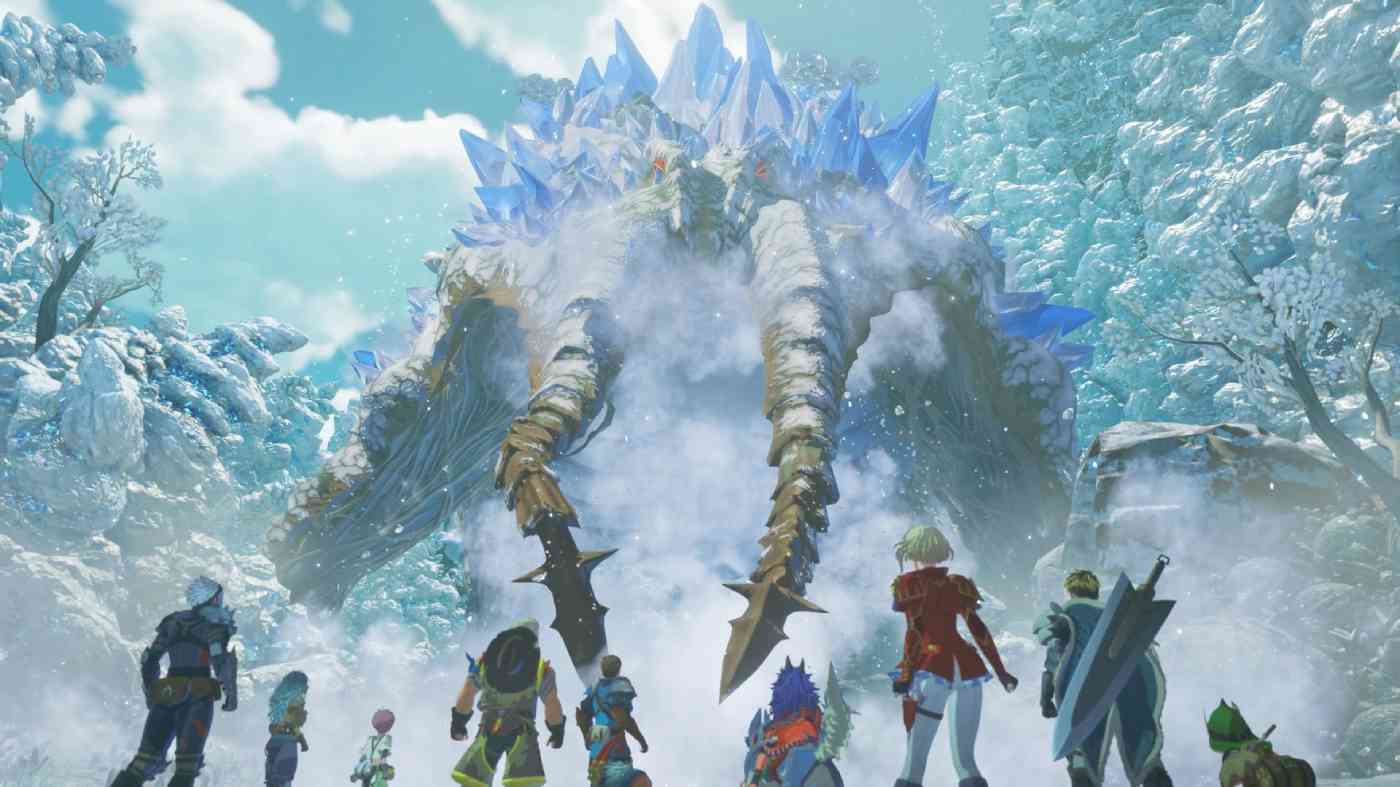
While all Monster Hunter games follow something of a predictable pattern in their narratives, Twisted Reflection is refreshing in that it bucks many of those trends. Some of them are still here, only recontextualised and used in a way that sets it apart from other games. The general tone and subject matter also skew more mature than previous titles, leaning into the complexities of war and the motivations behind those in power. It has some really excellent narrative reveals, even if they are a bit predictable, and much of that is due to vastly improved presentation.
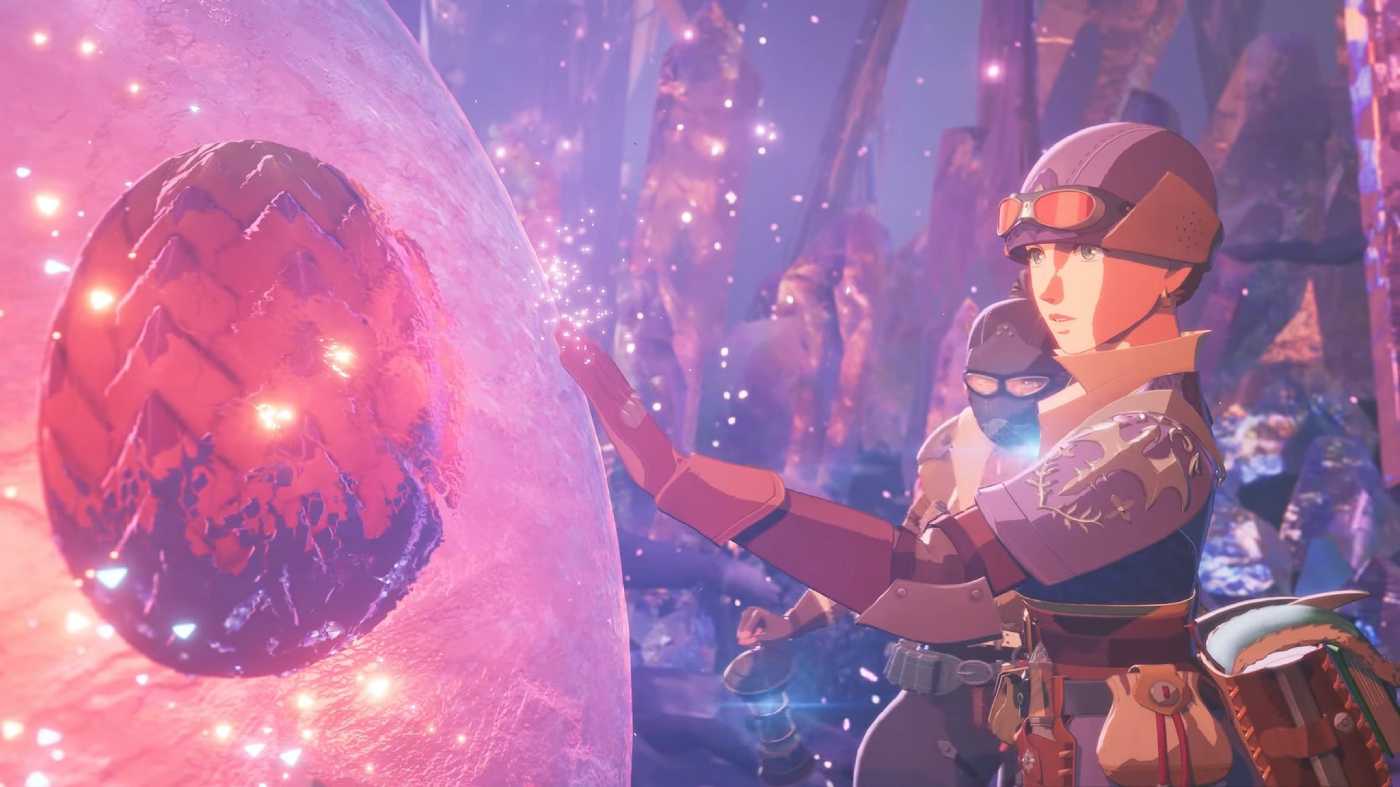
The overall increase in production values is what struck me immediately while playing the preview portion of Twisted Reflection. These games have always looked and performed great thanks to timeless art styles, but the cinematics and voicework in Twisted Reflection are leagues above what came before. They’re all so well shot and believably acted that it’s difficult not to get pulled into the world and characters Twisted Reflection presents. It also explores the dynamics between riders and hunters, how they perceive each other, and how they interact, which is always novel and engaging.
Many of the elements around the core gameplay systems of Monster Hunter Stories have also been vastly overhauled or improved in Twisted Reflection. The biggest change in combat itself is the introduction of the Wyvernsoul Gauge, posed as a sort of stun mechanic that has more complexity layered on top. Each large monster you fight comes with a Wyversoul Gauge that represents its fighting spirit. Fully depleting this gauge will stagger it, fatiguing them and exposing its Wyvernsoul Stock.
Emptying a monster’s Wyvern Soul stock will topple it, leaving it open to a massive team-wide attack called a Synchro Rush. This sounds simple, but the depth is added in the way that certain moves might do more damage to the Wyvernsoul Gauge, while others deal more actual damage to health bars or even to monster parts. It encourages you to prioritise different things depending on the fight and how well prepared your team is for the confrontation. It means there’s quite a bit to juggle in active combat, but I enjoyed the more demanding difficulty of Twisted Reflection.
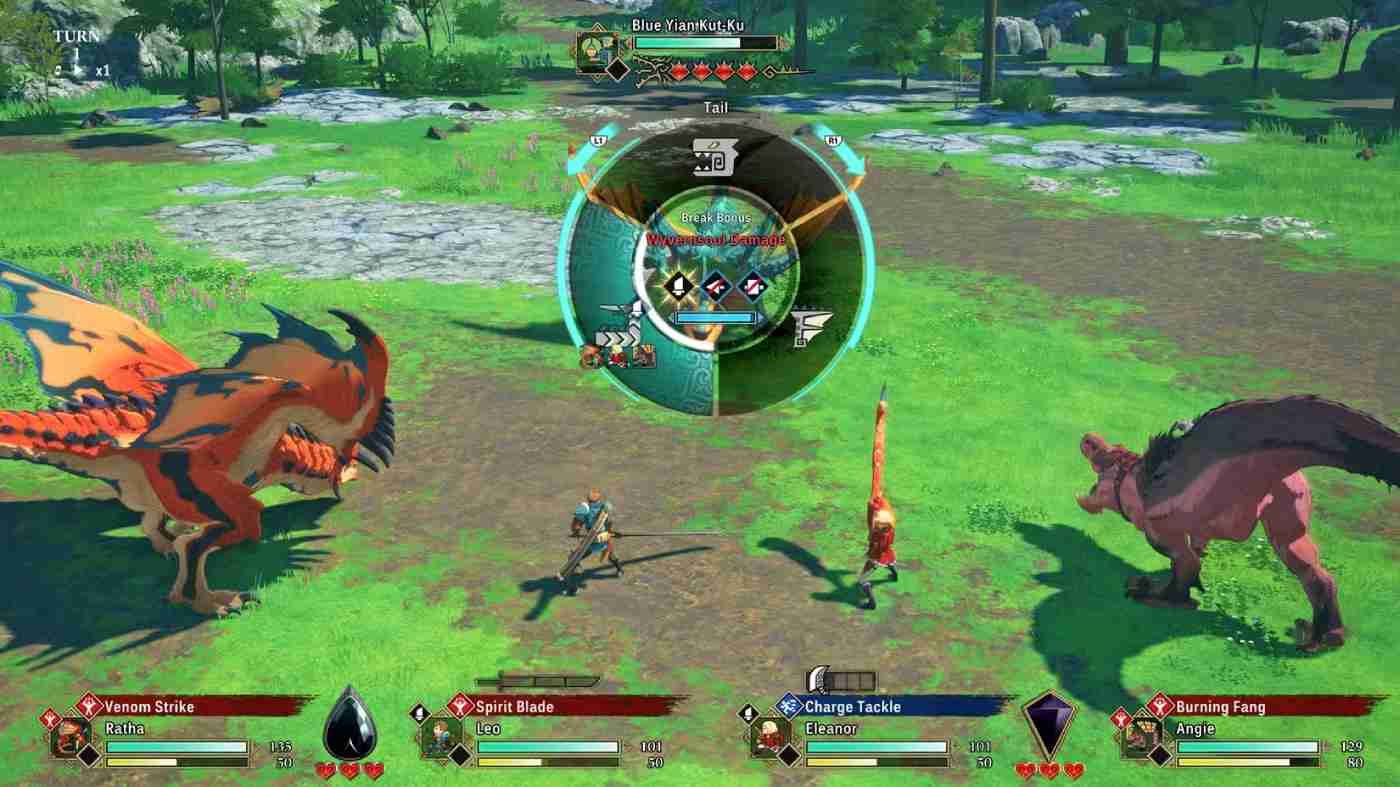
There’s also a brand-new weapon type to play around with here in the form of Long Sword. The identity of this immensely popular weapon type is brought across effortlessly in Twisted Reflection, making use of the Soul Gauge to unleash powerful attacks and counters. Gunlance has also seen a major revamp, which brings it more in line with its identity as a defensive/offensive hybrid. I do wish we got at least one more new weapon to play around with here, because it does feel like the less popular weapons are underrepresented (Charge Blade, my beloved).
AMAZON HAVE THE BEST LAUNCH PRICE FOR $119 WITH FREE DELIVERY
The other major shake-up comes in the form of Feral Monsters. These are monsters that have fallen victim to the Crystal Encroachment, which has altered their behaviour, making them more aggressive. They’ll often enter states of rage while in combat, countering with their own attacks if you hit specific parts. It’s through part breaking on these monsters that you can cause topples and even reduce their overall damage output, but you’ll often find yourself umming and ahing over what to do on any given turn. They’re challenging fights, but overcoming them unlocks Twisted Reflection’s big-ticket change to acquiring Monsties: Habitat Restoration.
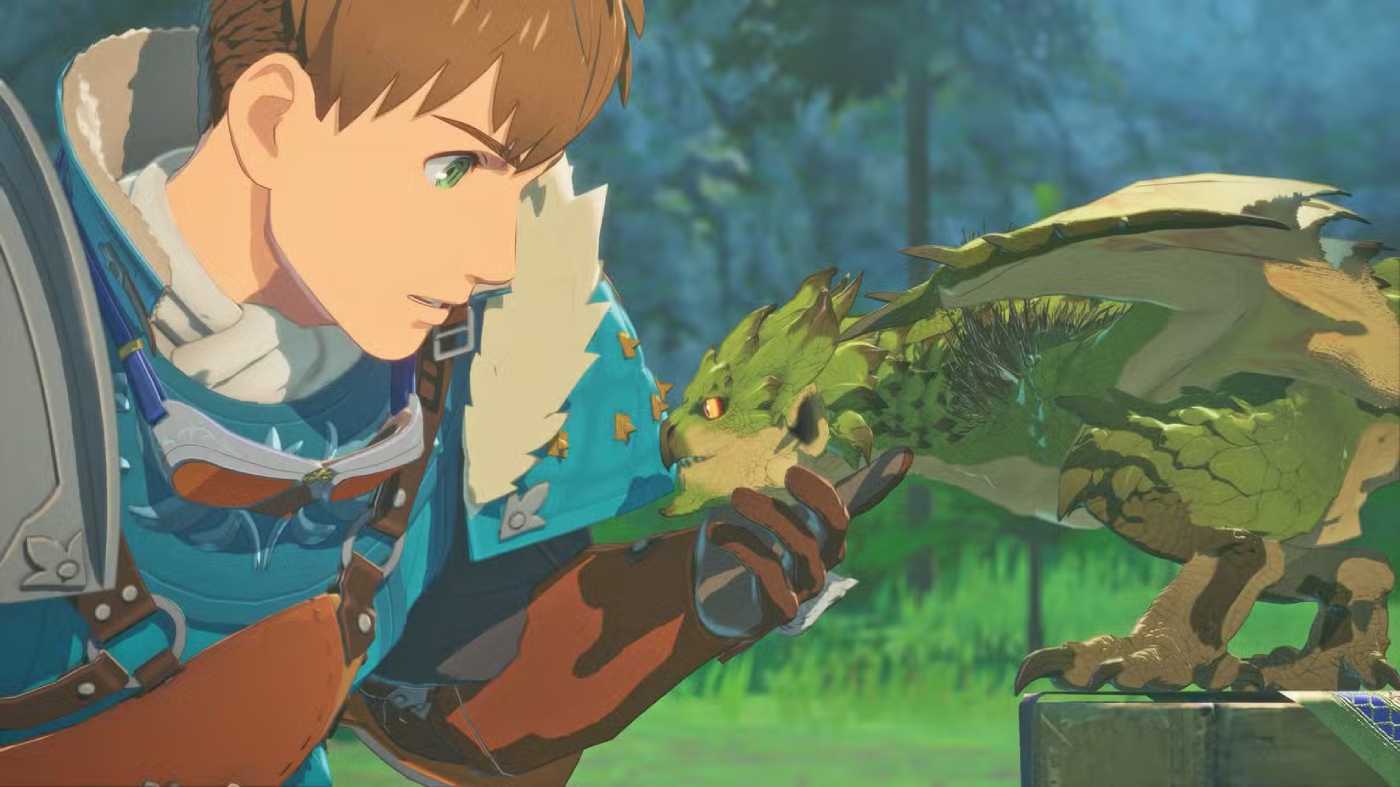
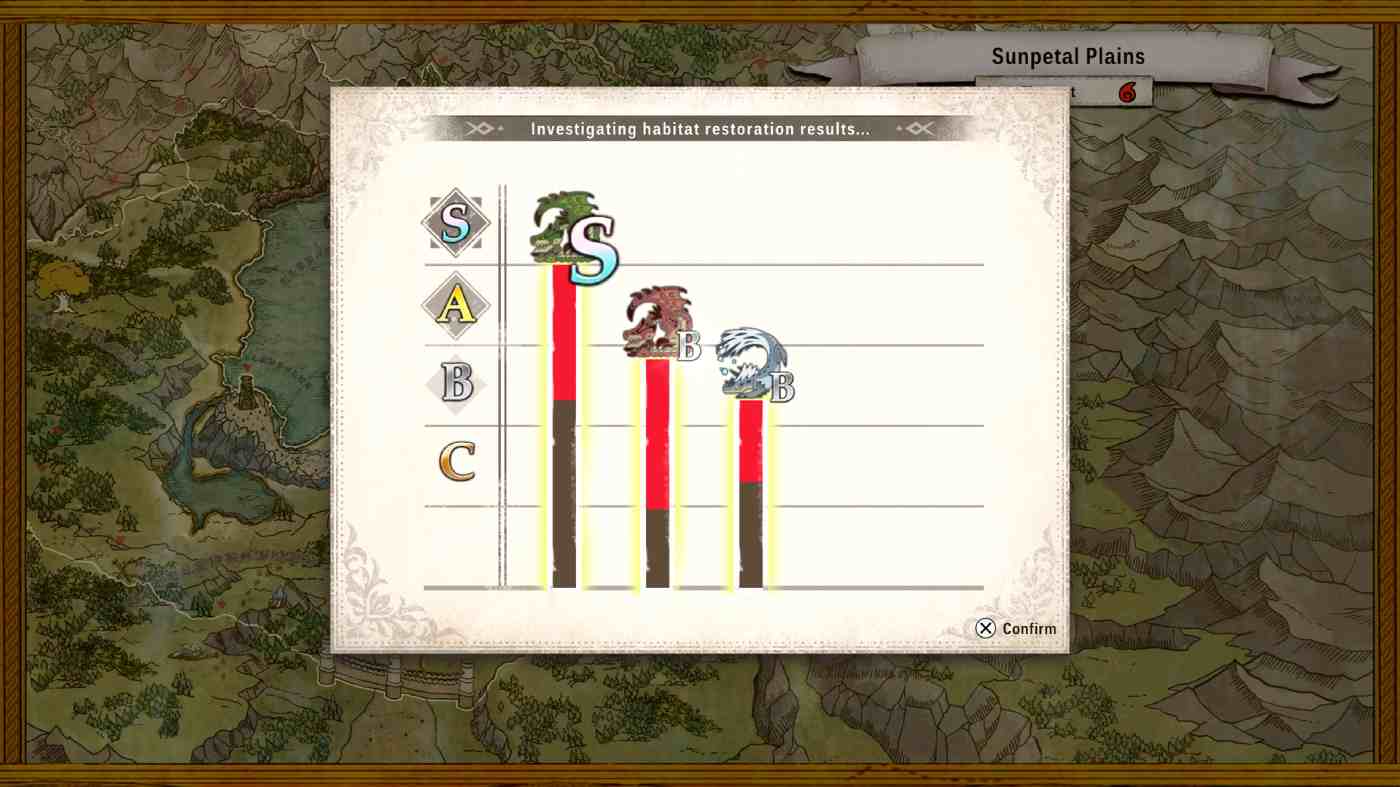
A genius fusion of story and gameplay, Habitat Restoration has you releasing caught Monsties back into the wild to restore monster populations to healthy numbers. Releasing Monsties subsequently improves their Ecosystem Rank, increasing the strength of that particular monster and its eggs within that environment. Hitting an ecosystem rank of S with a Monstie yields stronger genes, better skills, and can lead to dual-element monsters.
The best part of Habitat Restoration, though, is undoubtedly the Mutation system. By hitting certain conditions, you can cause mutations within the Monsties of a specific area. For example, reaching S rank with Rathian or Pink Rathian will cause a mutation where Dreadqueen Rathian’s can be found in the wild. There are many other examples of this, but each one is immensely satisfying, and often heavily rewarded by being some of the strongest Monsties in the game. It also doesn’t take too long to hit rank S, so it never feels like a time-sink if you want to find a particular Monstie variant.
This system also creates a need for larger maps. Many of the maps in Twisted Reflection are more open than those of the prior games, encouraging you to ride your Monsties and use their unique skills to traverse the lands. Finding secrets in each one feels like a genuine challenge, with many of these maps utilising economic but meaningful vertical level design. Unfortunately, this hasn’t translated across to the transitory maps between areas, which remain bafflingly linear and sparsely populated with things of note.
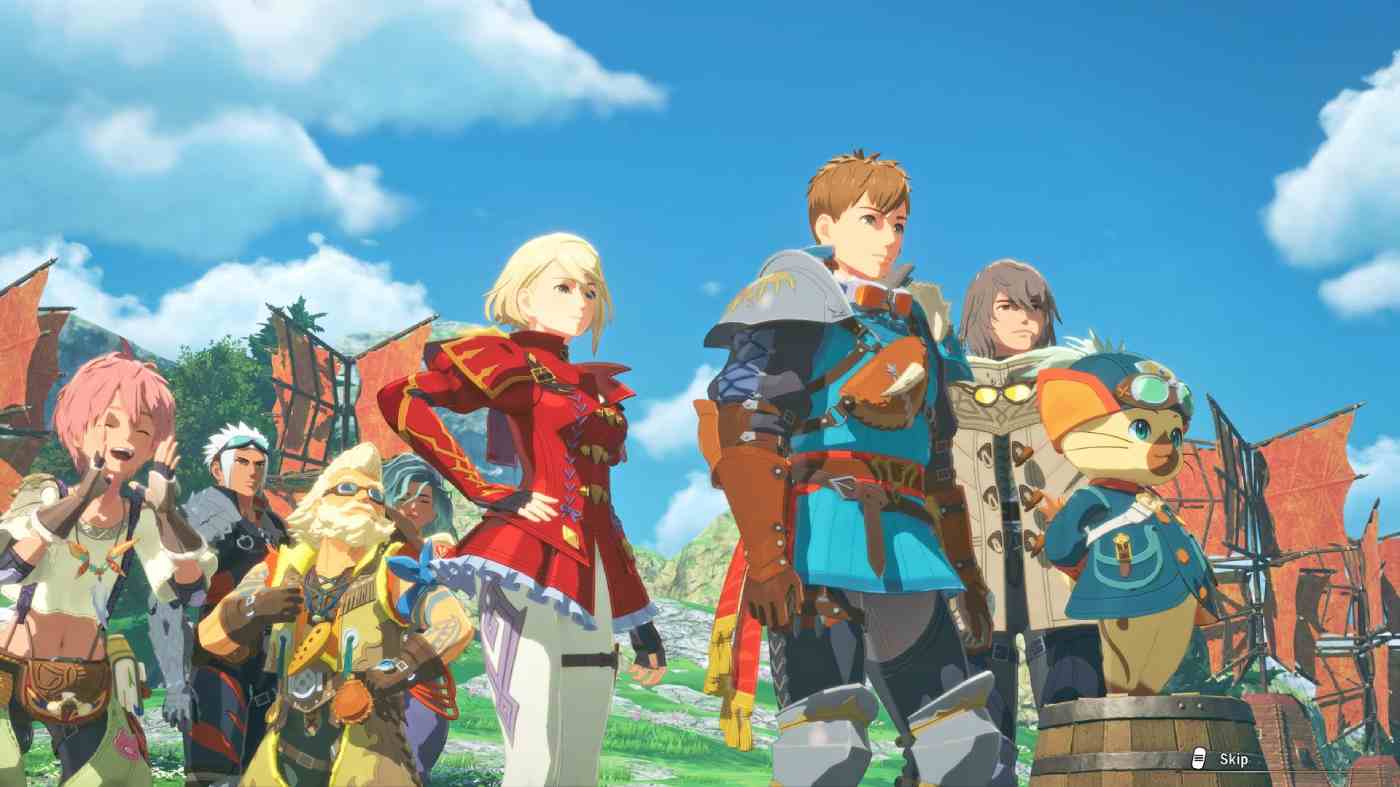
Side quests also remain quite dull, but that’s now offset by the inclusion of Side Stories. These are additional storylines that revolve around the protagonist and the rangers that join you on your adventure. You unlock new ones for each ranger as you progress through Twisted Reflections’ different chapters, each building on the last. It’s a nice way to get to know these characters, and even if you aren’t interested in the backgrounds of these people, they always yield worthwhile rewards.
The roster here is also an undisputed win. It’s a bit of a slow burner, bringing in monsters from the likes of Monster Hunter Rise and its expansion, Sunbreak. It does eventually pick up, though, introducing new fan favourites from Wilds like Rey Dau, Ajarakarn, and Arkveld. Each major area also has Calamitous Elder Dragons, which are posed as optional end-of-area or even endgame challenges for you to face when you’re ready. These are lengthy and difficult fights, but they’re incredibly rewarding to triumph over.
As mentioned before, Twisted Reflection continues to carry forward the unique visual identity of the Stories games. The highly saturated colour palette, in tandem with impeccably designed character and monster models continue to stand out, and it’s really neat to see some of the Rise, Sunbreak, and Wilds monsters get new renditions. While it’s to be expected with RE Engine at this point, I had no issues with the PC version of the game, and it runs like a treat.
In a lot of ways, it feels like the first two Stories games walked so that Twisted Reflection can run. You’d be hard-pressed to find anything this game does that’s inferior to the prior entry, so much of what it does is either a clear improvement or an evolution of what came before. If you’ve ever found the other Stories games to be lacking, I’m confident that Twisted Reflection will be the game to remedy that. It’s without a doubt, the best Stories game so far, and it’s hard to see how CAPCOM will top it if they ever do a fourth entry.