


You don’t understand how much self-control I’ve had to have to avoid Hades II. I prefer not to dabble in early access; it’s just a personal preference of mine. When the original Hades came out, I knew it would be good, but I wasn’t ready for how good it would be. Supergiant hasn’t set me wrong so far – besides Bastion – but that’s a story for another day. They seem to be, as developers, going from strength to strength. Hades was easy to wait for its full release, as I had no idea what I was getting into. However, when Hades II was announced in 2022, I was being thoroughly tested. The fact I’ve had to wait three years now only makes the fruit taste sweeter – Hades II was well worth the wait and an incredible addition to the now illustrious Supergiant pantheon.
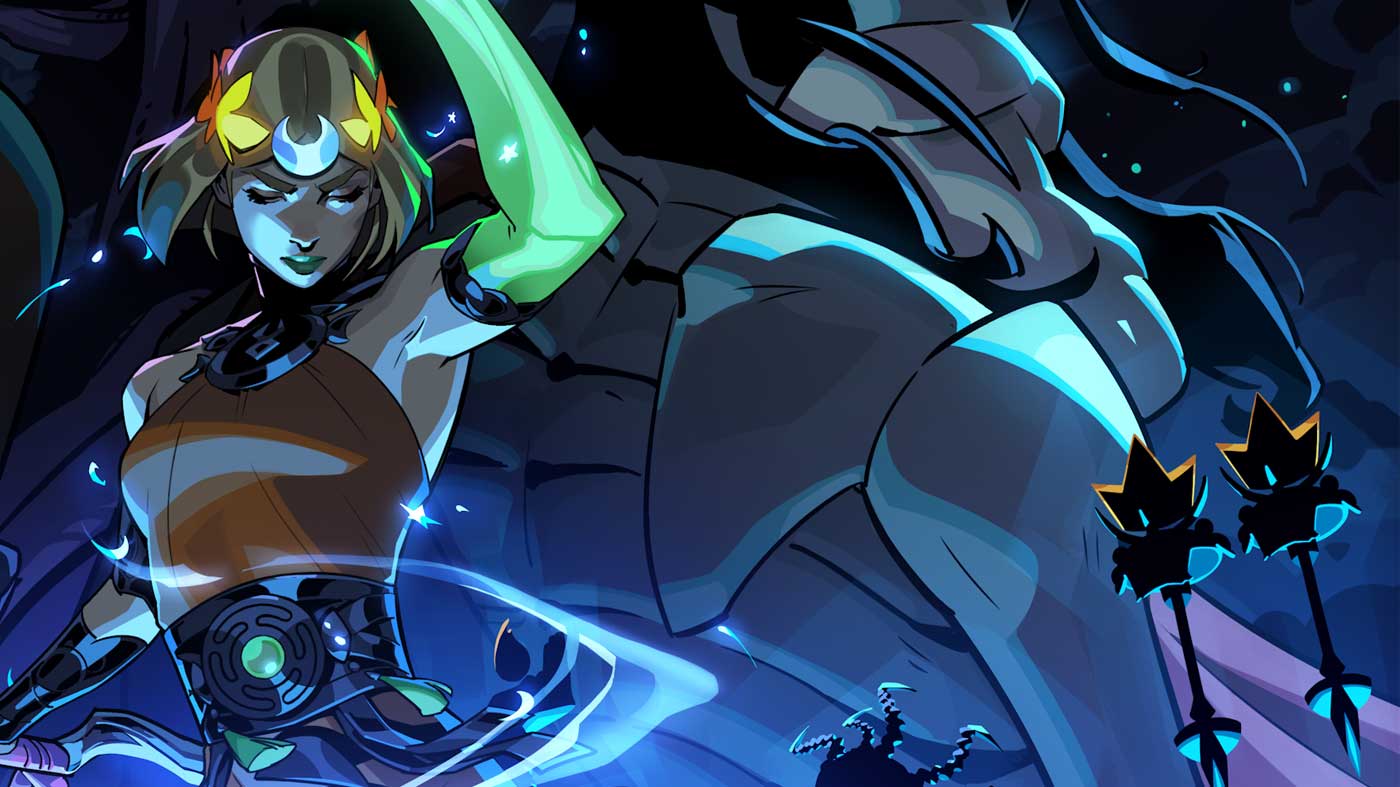
Much like the first game, Hades II has you playing as underworld royalty, clearing multiple rooms of enemies in an attempt to battle an almighty being at the end. This time around, you play as Melinoë, sister to Zagreus from the first game, who is seeking to defeat her grandfather, Chronos. It’s again a straightforward premise, though one that feels better thought out than the original game. Giving Melinoë stakes greater than the “just because” storyline of the original game overall is a much better way to tell a story, and in this aspect, Hades II delivers.
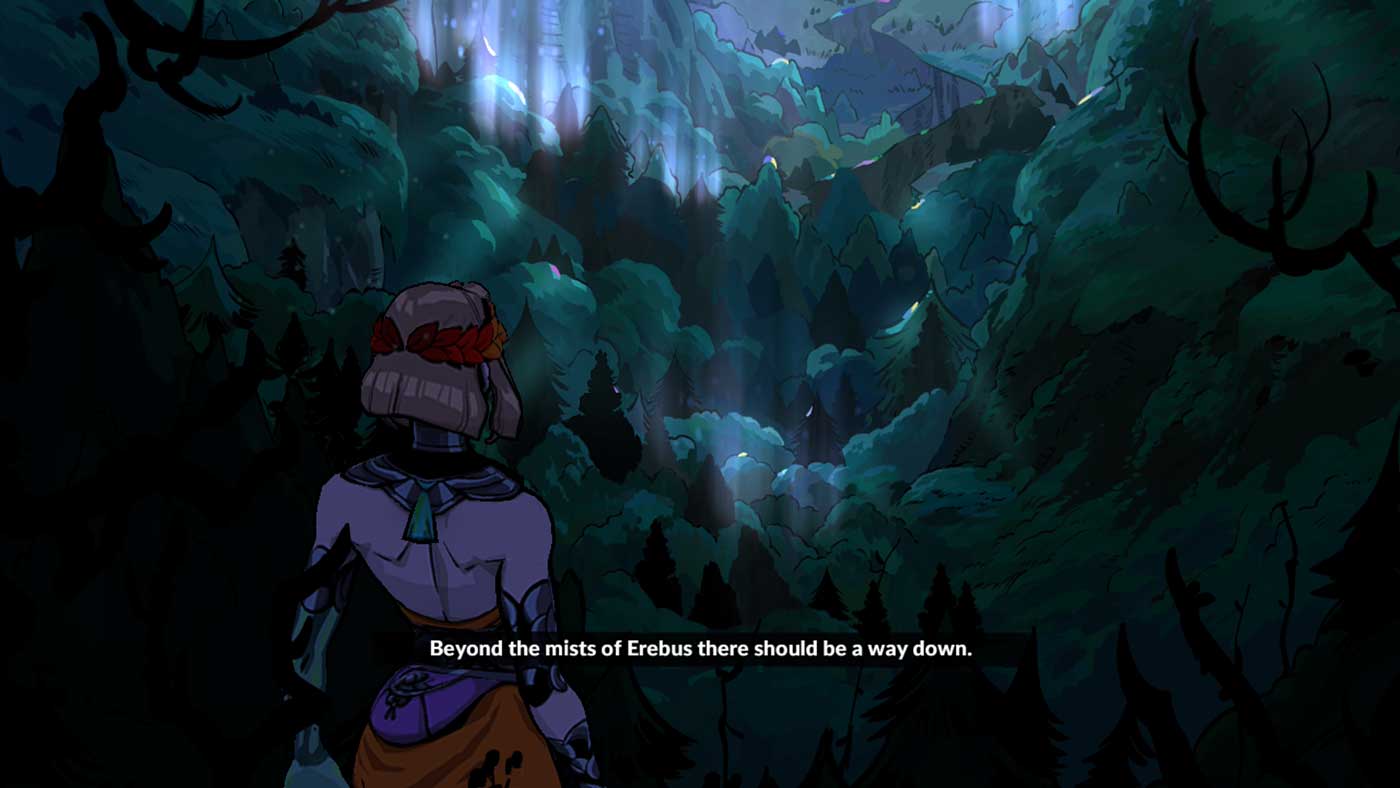
As with the original game, much of the flavour of the story is peppered throughout dialogue with the many gods and beings you’ll interact with between runs. Something I adored about the original Hades that carries over here is how the story is told. Every success and every failure is commented on and sometimes even given more background between runs. This is just one of the many ways in which Hades II doesn’t make your failures seem wasteful. Instead, the failures enrich the experience in many ways.
But if you have no idea what I’m talking about when I say runs, then you probably don’t know how Hades II plays. As Melinoë, you set out on a quest to defeat Chronos. Each trip comprises randomised levels of rooms, with a reward given to the player at the end of each battle. Whether items or abilities from the gods you worship, each of them can help you build up Melinoë to the power that she needs to defeat Chronos. Of course, it’s easier said than done, and not a single person will defeat Chronos (or even reach them) on their first try.
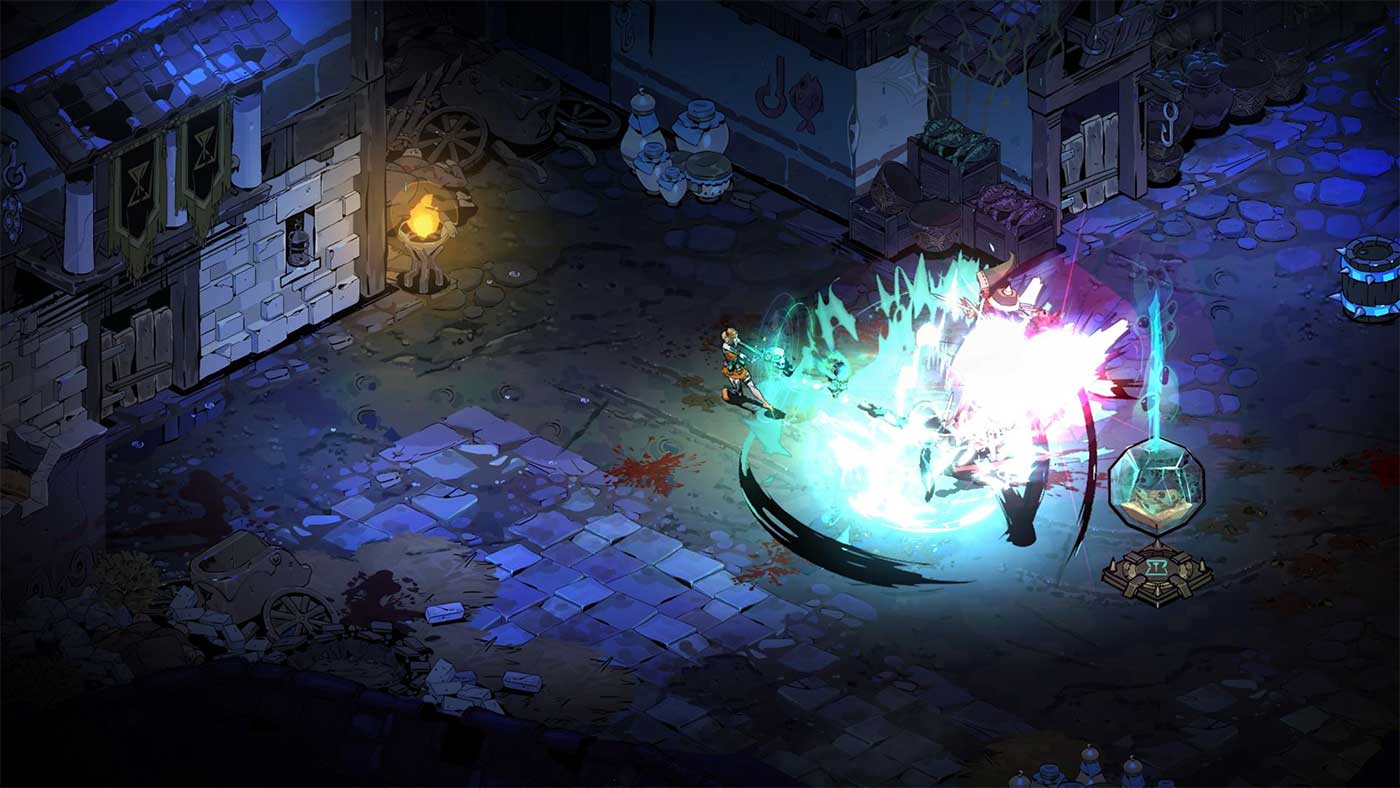
Hades II, as such, really builds on the already stellar formula that Hades established half a decade ago. However, there are subtle differences between the two games that have a significant impact on the overall gameplay. The first and most obvious is Melinoë. She doesn’t have double dash like her brother, but instead can dash into a sprint to avoid enemies. Her more occult leanings also grant her access to a magick meter, which can be used to power up abilities. These are two smaller changes that might make Hades II seem slower at first, but as things ramp up, it becomes anything but. Hades II flows much more smoothly as a result of these small changes.
THE CHEAPEST PRICE: $64 WITH FREE SHIPPING FROM AMAZON
The crux of the combat comes from the boons you receive from each of the gods you encounter on a run. While there are just as many, if not more, boons in Hades II, they all feel a bit more balanced than previously. Most players will find some that they really gel with, but overall, the selection is a lot more sensible than in the original Hades. The real beauty in both Hades and Hades II comes from this system is the way you can combine these powers in some pretty gnarly ways to deal out big damage. It’s an endlessly satisfying combat system and an especially integral part of the experience – crafting the perfect builds with abilities that complement each other perfectly.
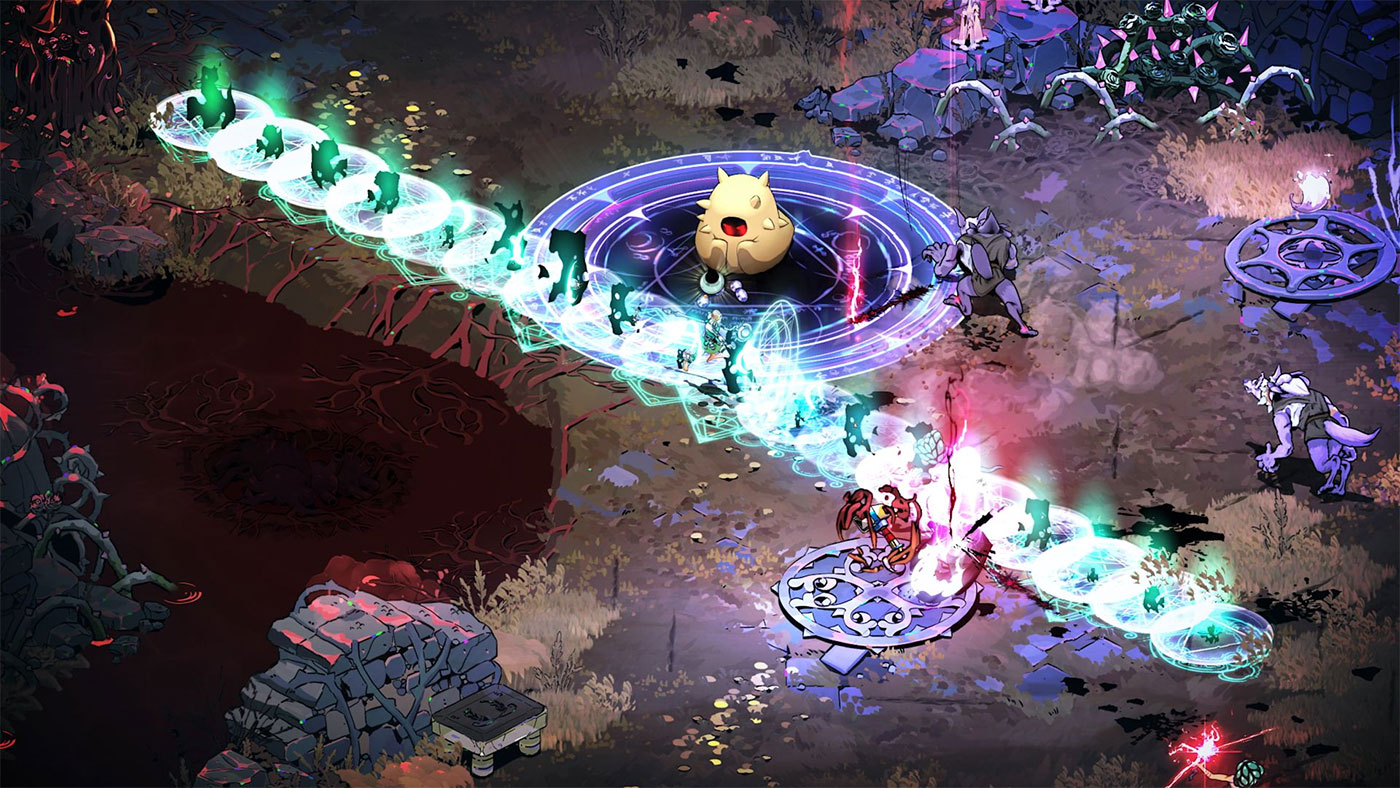
The addition of a magick meter helps to really bolster this selection of boons, too. For one, Melinoë now has a few different attacks (called omega attacks) to use with each weapon she gains in exchange for magick. Her spell cast, instead of being a projectile like Zagreus’, is an area of effect spell that slows down enemies within it. Boons can offer improvements for both regular attacks and her cast. They’ll sometimes even provide an improvement in one area by “priming” or locking a section of your magick bar in exchange. It’s a minimal change that has a big impact on the crafting of your builds and gives players limitless options in how they build Melinoë up for her big battle. Magick replenishes between rooms, too, encouraging its frequent use.
While you lose most of your upgrades when you die, there are things you can invest in back at your home base to improve Melinoë’s chances of a successful run against Chronos. This is the way that Hades II essentially “gives back” to you between each run, allowing you to bank some of your progress in the form of certain perks or tarot cards. It’s a simple system, but one that, again, affords you more flexibility in how you build up your character. So many choices are available to you before you head off on an adventure in Hades II, to the point that it feels like a game in and of itself.
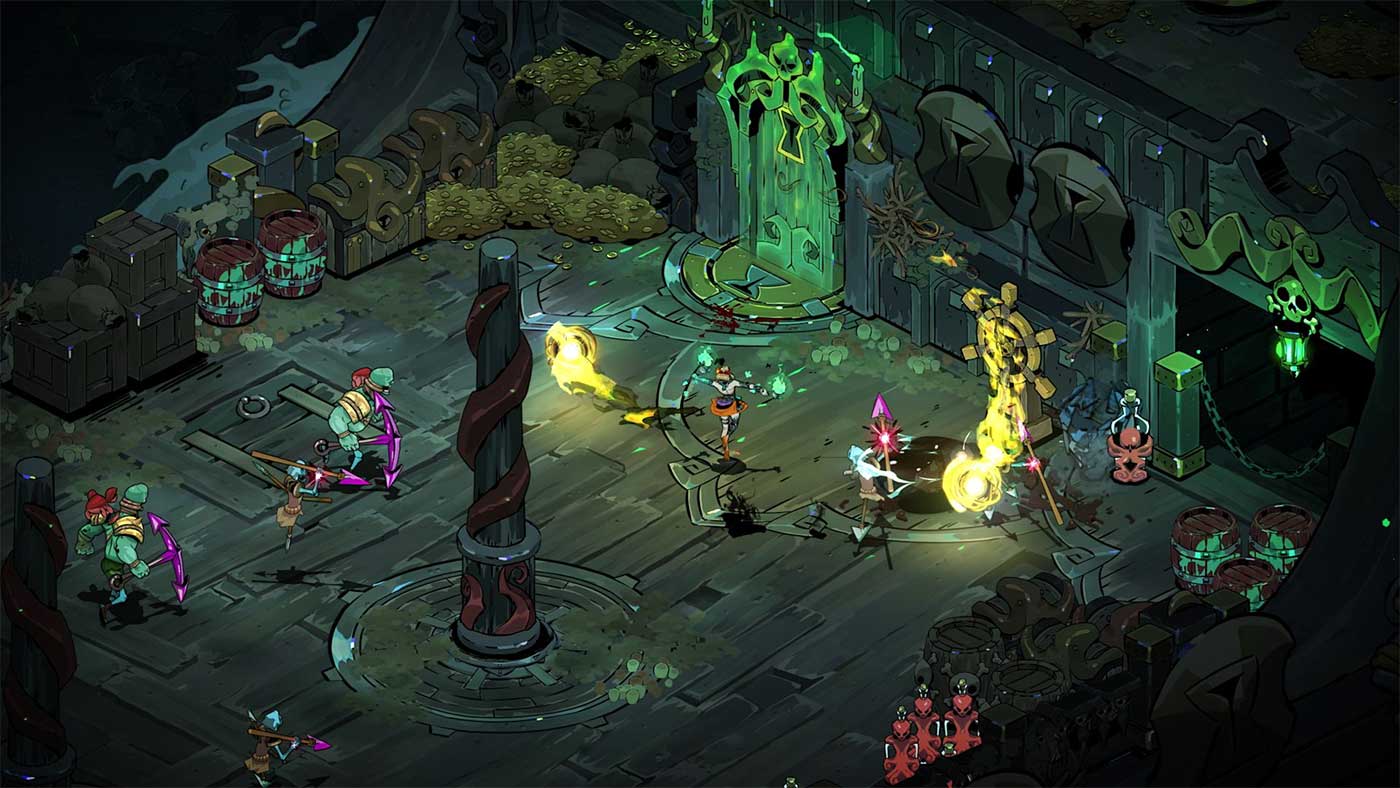
In adhering to its ‘bigger is better’ design philosophy, where Hades had one path with four areas to get through, Hades II doubles that offering. Now, at first, Melinoë can travel from Erebus down to Tartarus to face Chronos. Following some developments and a few hours of play, she can instead travel from Ephyra up to Mount Olympus. Each of the areas you’ll visit feels distinct from the last, with many of them feeling significantly more open than those presented in the original Hades. It also substantially improves Hades II’s replayability, which was already off to a strong start, building upon the foundation of the original Hades.
That being said, while Hades II is pretty special, some aspects feel like a step down from the previous game. Admittedly, this is minor, but the Daedalus Hammer upgrades in Hades II feel much less inventive than those in the original Hades. One of the bosses, in particular, is also a bit tedious to fight on repeat playthroughs, which is obviously a problem for a roguelike. Nothing as dramatic as the Bone Hydra in the original game, mind you, who I still loathe to this day, but some minor blemishes on an otherwise incredible package.

From an artistic standpoint, Hades II looks similar to Hades, as you’d expect. Although the game opts for a darker palette, which I’d awkwardly describe as nocturnal, it feels suitably darker given the game’s witchy vibe when compared to the original. The result is something that, despite borrowing heavily from its predecessor, stands out distinct enough to be its own entity as well. Performance is similarly rock-solid, with the Switch not slowing down, regardless of what is happening on screen. And, of course, the character designs are all great. They’ve never been hornier than ever, which at this point is obviously an essential aspect of the Hades design language.
The biggest compliment I can pay Hades II is that it’s the original Hades game, but so much more. Even better, as a sequel, it offers an experience that’s true to the original while presenting a new angle that you wouldn’t have even considered previously. The result is a game that’s just as good, if not better than the original Hades. But, regardless of your taste, the strength of the core of Hades means you can jump between Hades and Hades II seamlessly and still enjoy both. Both are incredible games, though Hades II is just a smidge better for me; both are incredible and some of the most fun I’ve had with games.