

Press Start may receive a commission when you buy from links on our site at no extra cost to you.
Confession time. When Super Mario 3D All-Stars was released five years ago, I vowed to finish all those games to completion. I finished both Super Mario 64 and Super Mario Sunshine, as expected, but the blue coin challenges in Sunshine were so soul-destroying that I never got around to Galaxy. While I’ve played Super Mario Galaxy in the past, I’ve never really delved into it as deeply as I have other Mario games. Perhaps even more embarrassingly, I’ve never played Super Mario Galaxy 2. When Nintendo revealed that they were re-releasing both on the Nintendo Switch, I was excited to dive into both of them. But make no mistake, Super Mario Galaxy + Super Mario Galaxy 2 is precisely what it says on the box. Literally, that’s all.
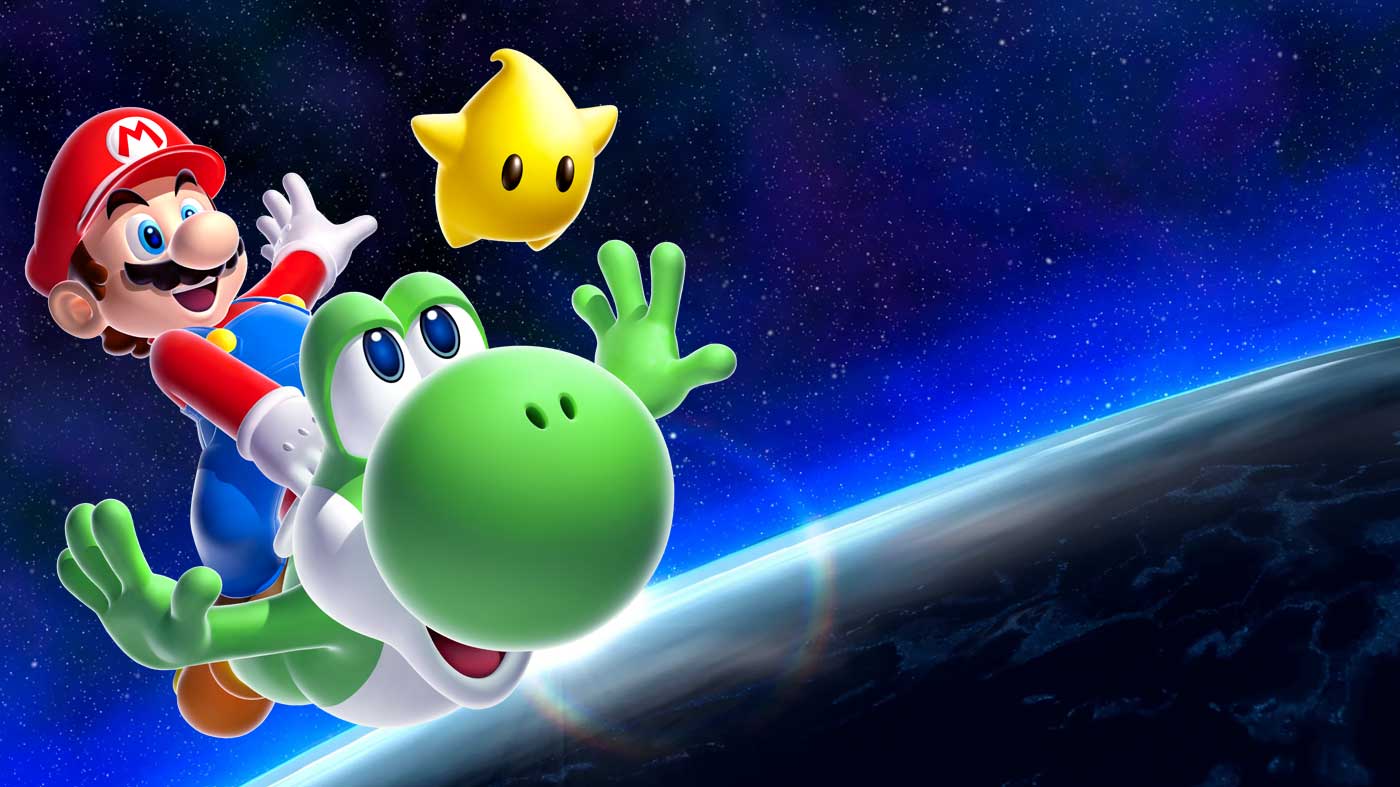
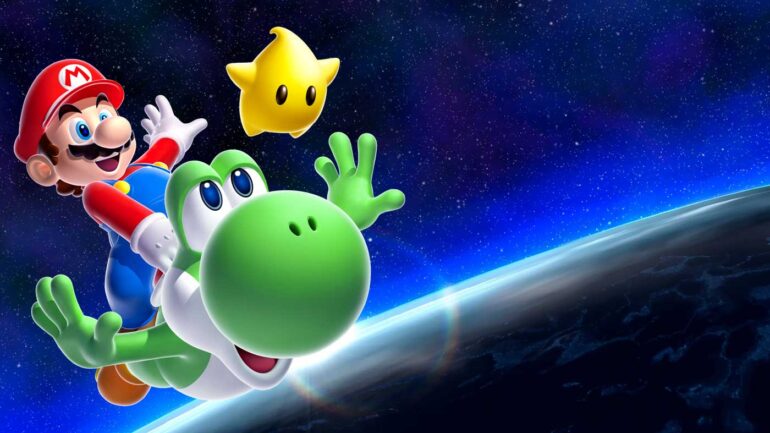
As you’d expect from this creative choice of title, Super Mario Galaxy + Super Mario Galaxy 2 is a compilation of both Super Mario Galaxy games. Released together, these games feel like two sides of the same coin. Played together, they feel like a long platformer that happens to get easier in the middle. These similarities make sense for packaging them together in a compilation like this; however, be warned that there are no fancy wrappers or menus like those found in 3D All-Stars.
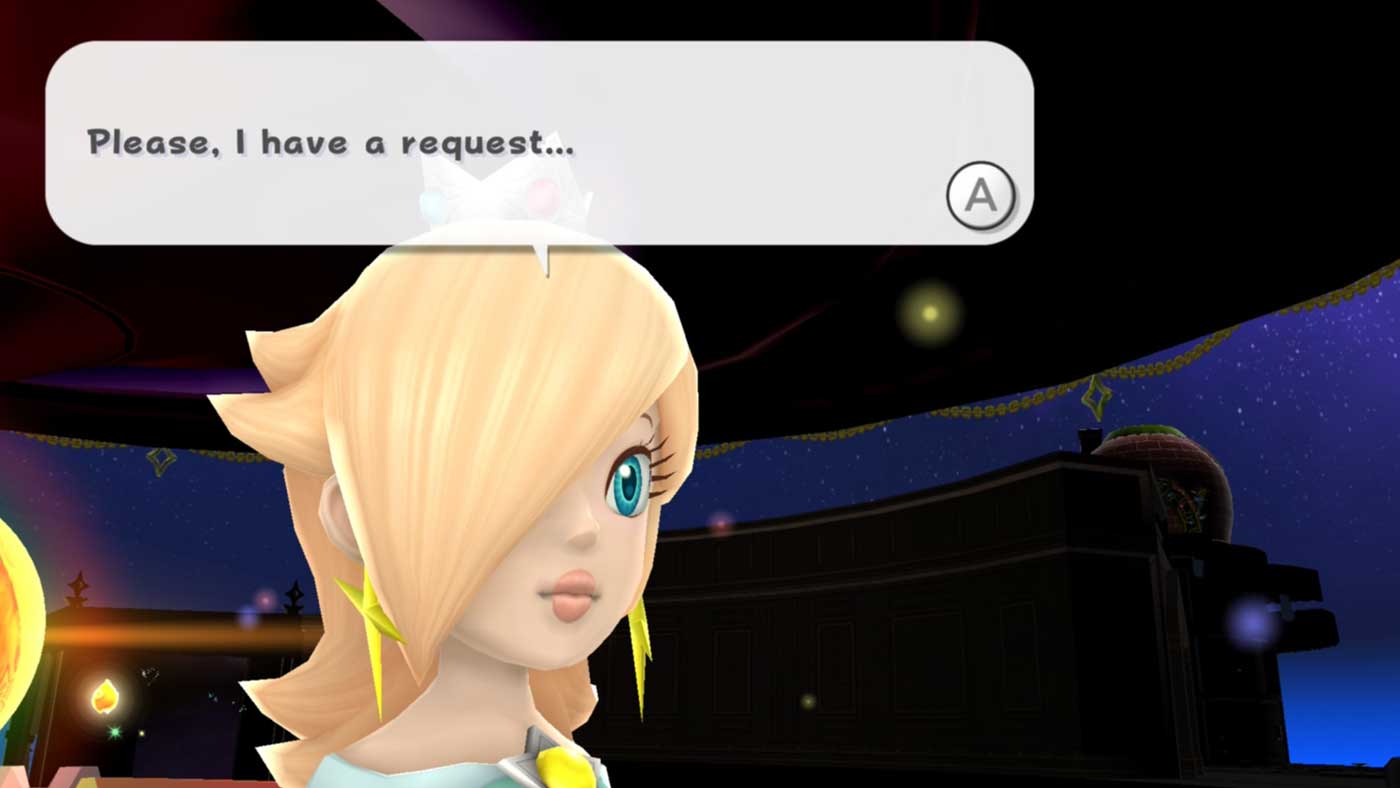
Putting aside the moral quandary about how Nintendo handled 3D All-Stars and its continuing availability, I’ll state the obvious. These two ports are more than fine ways to experience both the Galaxy games, especially if you’ve never experienced them before. And if you’ve already played Galaxy as part of 3D All-Stars, you might be surprised to hear that the port of Galaxy included here is entirely different. As such, these ports have their own unique sets of pros and cons, separate from those that came before. While the result is that no single version of Galaxy is the definitive one now, the versions included with Galaxy 1 + 2 are still great ways to play some of Mario’s greatest adventures.
The most obvious changes with the jump to Switch and Switch 2 are the improved presentation. Regardless of whether you play on either console, both games are presented in a greater resolution than they were initially. While on paper, these bumps in resolution do result in a crisper and clearer image, some artistic choices are made that might be controversial among superfans. Beyond visuals, new storybook content is included in both games, essentially serving as lore dumps that provide players with more context and background information about the characters. They’re a nice addition, but hardly something to return to the game for if you’ve already played it through multiple times.
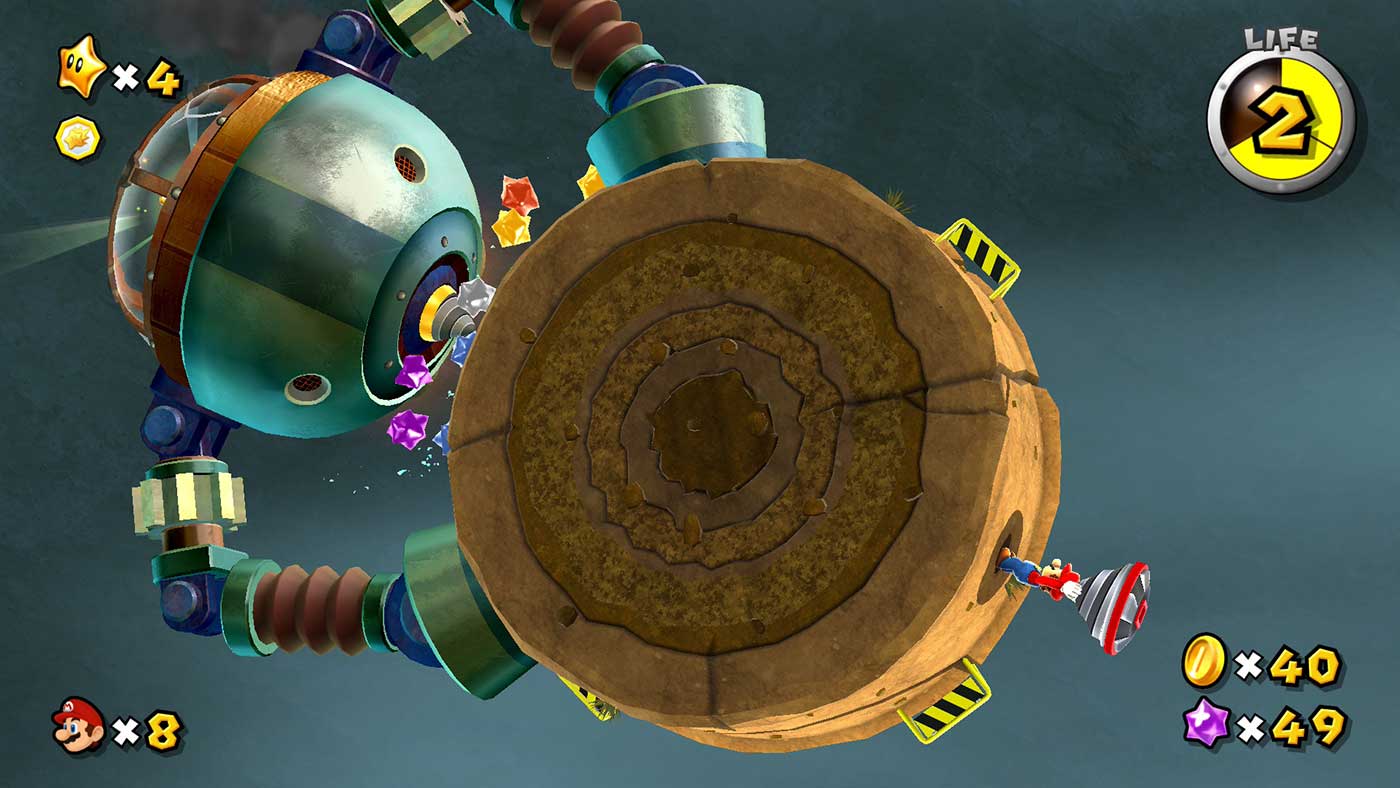
These ports also bring some improvements to the controls, which feel more fitting for the Nintendo Switch. The major improvement is the ability to perform specific actions without the need for motion controls, as well as the use of the gyro to control the pointer for collecting star bits or controlling Yoshi’s tongue. Both of these applications for the new controls feel great. And, again, it brings the games more in line with the motion-complemented design of Odyssey, rather than the motion-dominated design of the original Super Mario Galaxy release.
THE CHEAPEST PRICE: $79 WITH FREE SHIPPING FROM AMAZON
Other elements, however, don’t transition as well. Some aspects, like those where you have to control Fluzzard (a bird) with motion controls, fall flat. Nintendo doesn’t need to push the Wii Remote’s motion controls anymore, so its forced inclusion feels odd here. Especially when you consider that the Loftwing, which suffers from similar unintuitive controls, was fixed for the HD remaster of Skyward Sword. I admit these are minor moments within huge games, but they are something I dreaded whenever they appeared, and again, it’s a minor issue that prevents this port of Galaxy 2 from being definitive.
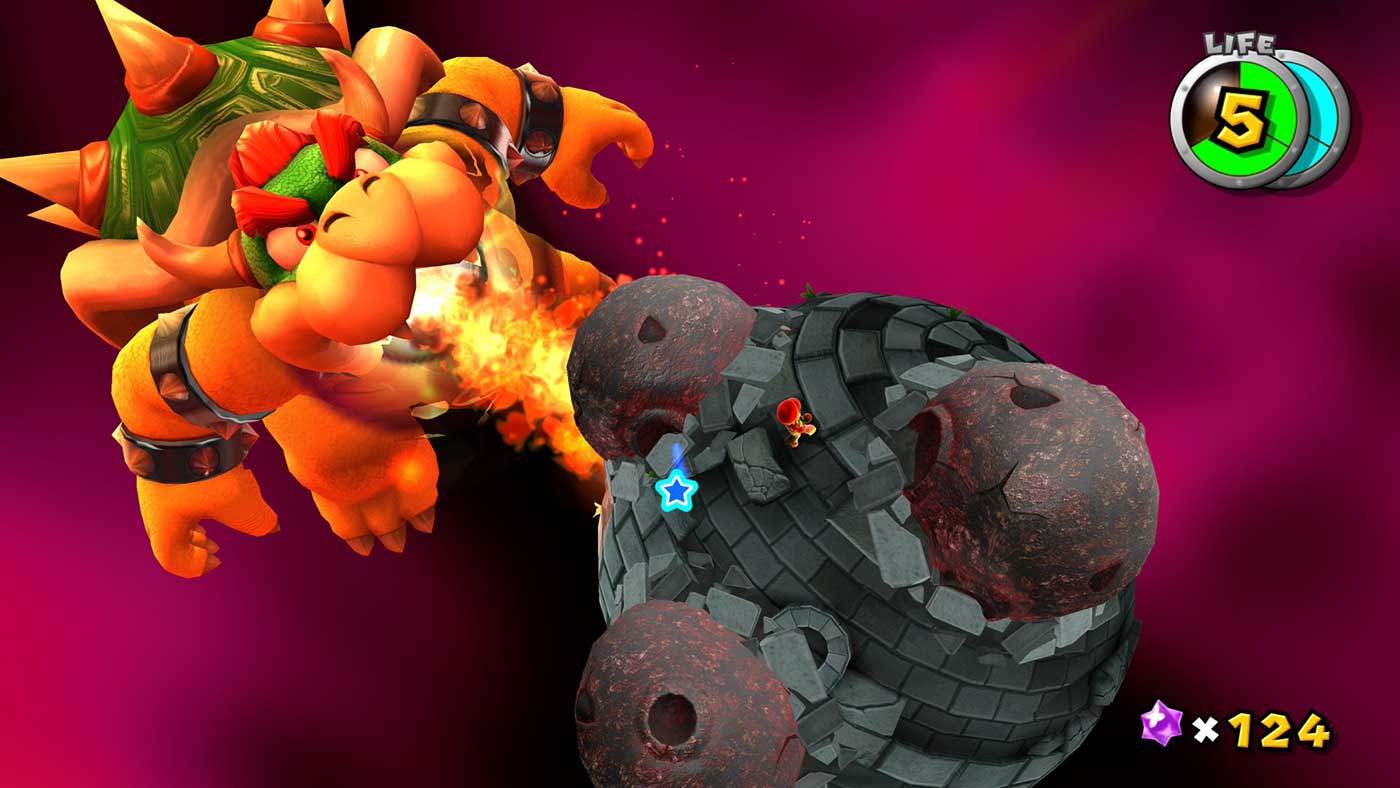
Beyond my nitpicks with the controls, however, it can’t be stated enough just how incredible both the Galaxy games are. Despite their lengthy runtimes, both games leverage clever level design to remain interesting and inventive throughout. Every level and every gimmick is used in a way that never gets boring, twisting design elements you’ve seen before to offer up something unexpected. They’re both solid games that I’m kicking myself for not playing sooner, filling the same void that Super Mario Odyssey left when I finished it eight years ago. It’s shocking to think that, after these two games, we didn’t see the same level of innovation in the platforming space until Odyssey and Astro Bot, respectively.
Although the strength of both games is evident, the question remains as to whether these ports are worth it. Regardless of which side of the argument you sit on, it’s hard to deny that these games aren’t. Both will take players between fifteen and twenty hours to complete, and even more if you choose to collect everything. If you find all of this too overwhelming, you can enlist a friend to assist you in an Odyssey-like Assist mode, controlling the pointer to help collect things for Mario and pelt star bits at enemies. Some of the late-game optional challenges are also difficult, satisfying that need for challenge from Mario games that I often crave.
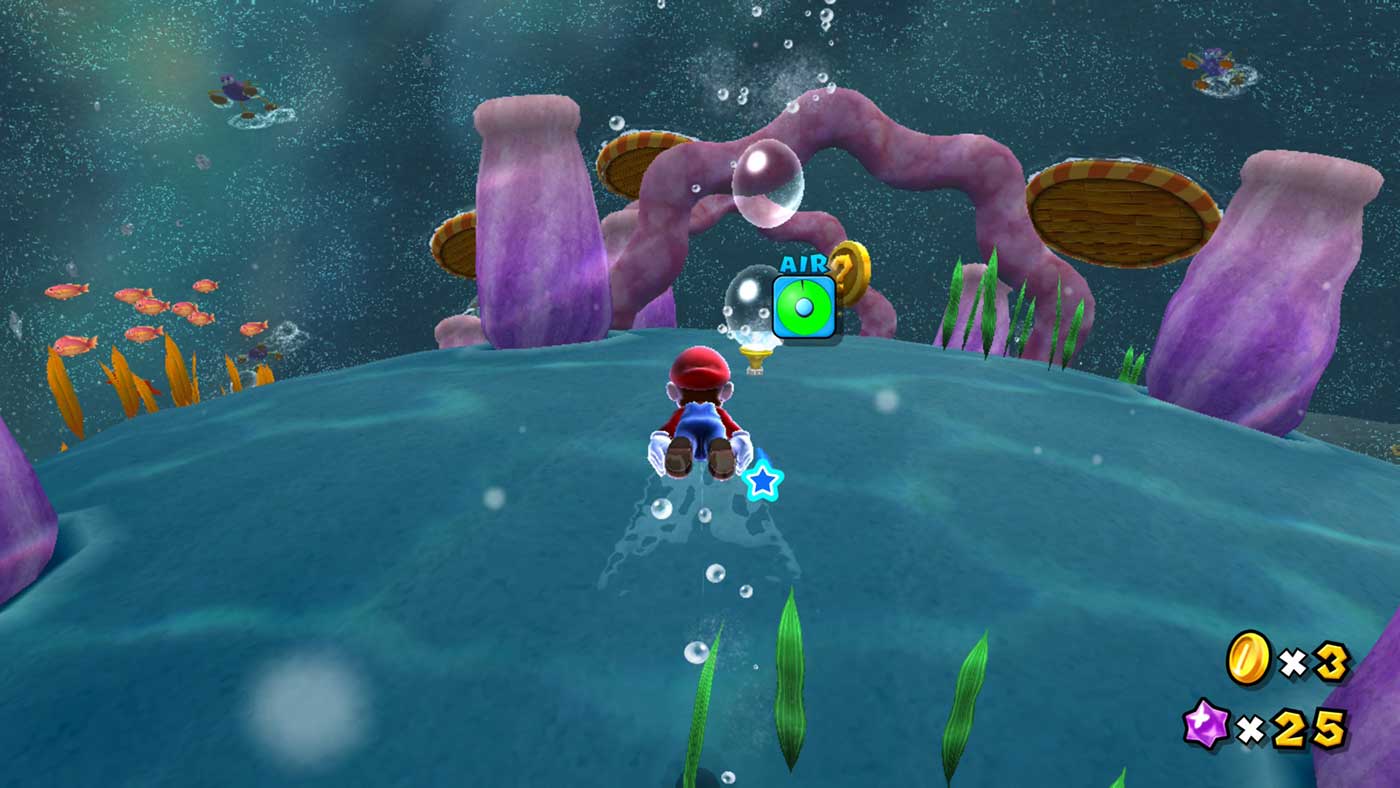
However, the most contentious issue arising from these ports is the presentation. These games should look much better than what was originally presented on the Wii and even the Switch. With these ports, both games are running at an improved resolution, up to 4K if you’re playing on the Nintendo Switch 2. However, beyond these resolution bumps, which do appear crisper, textures have also been altered. Most of these, when placed side by side with other versions of the game, look less detailed. However, most players won’t notice this unless they make direct comparisons, so it’s worth mentioning, but it’s honestly a non-issue.
Some other, more questionable choices in the game’s presentation are in the lighting. These issues, which I’ve noticed a few times, were stark enough that I had to look up how they looked when the games were originally presented on the Wii. Some of the lighting effects, seen below, are just odd. Whether it’s an artefact from the upscaling process or something else entirely, it’s hard to argue that these changes improve the experience. Regardless, while these changes are admittedly small, they have drastic effects on how the games look and undermine the great work that these resolution bumps have done in getting the games running so well.
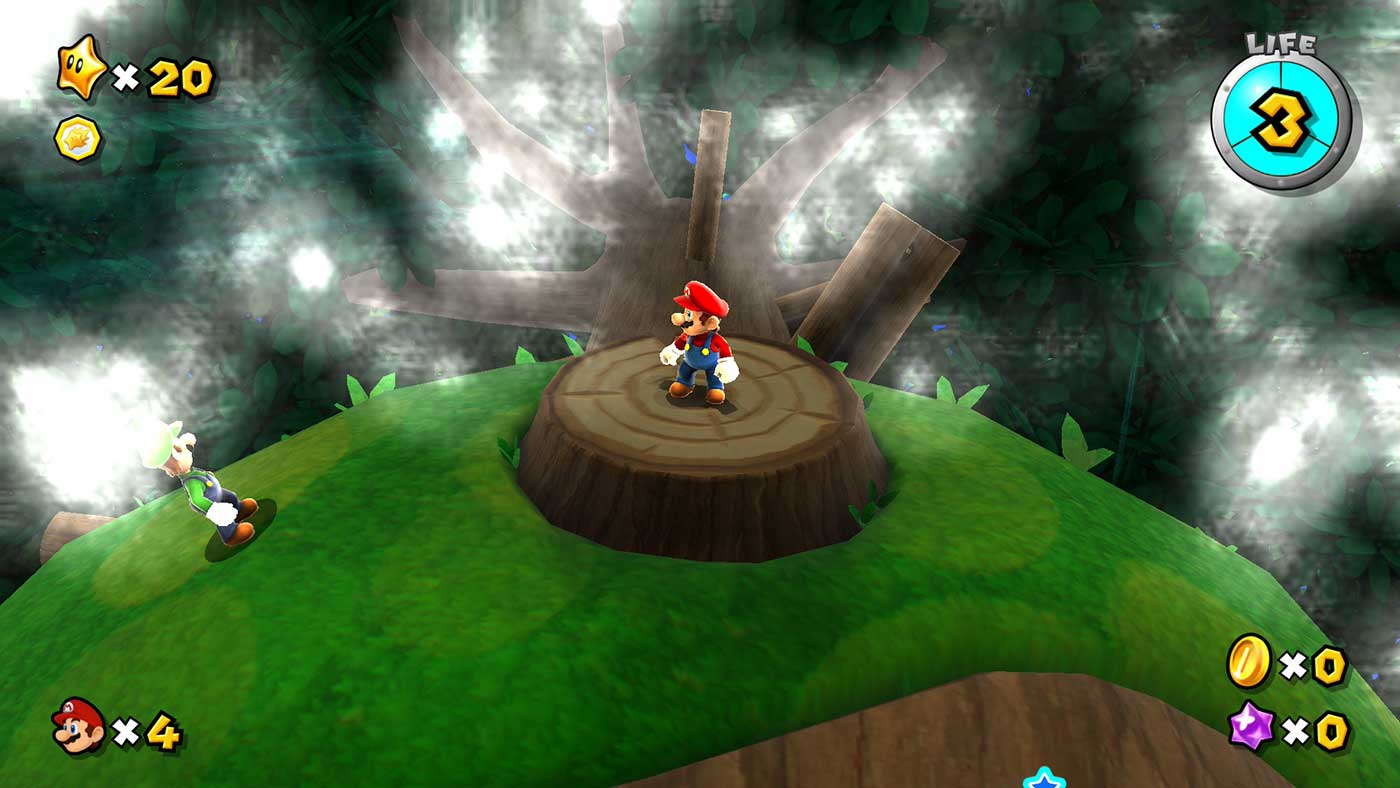
But from a sound perspective, these were some of the first Mario games to use an orchestra for the original score, and you can really feel how it benefits the whole experience. Both the Galaxy games, even if Galaxy 2 feels a bit more low-key in its storytelling, benefit hugely from these soundtracks. They’re loud, they’re huge, and they’re bombastic. They give the game a massive sense of joy and wonder as you’re flipping through space and between planetoids across both games.
It’s hard to properly put into words how I feel about Super Mario Galaxy + Super Mario Galaxy 2. On one hand, remasters and ports of this nature should always strive to be definitive versions, adding new technology where possible but preserving the original vision of the game. I’ve voiced similar sentiments before for other remakes. And while the visual changes to Super Mario Galaxy and it’s sequel aren’t as drastic as those seen in games like Metal Gear Solid: Delta, it does feel like a barebones treatment that could honestly have been so much more. Regardless, while there are some spotty issues I have with the presentation of these games, Super Mario Galaxy + Super Mario Galaxy 2 is a more than competent way to play some of the best games ever made.