




Although these thoughts are largely final based on a full week with Marathon. Our score will be withheld until we’re able to experience Cryo Archive, the launch window’s intended endgame experience.
Bungie’s presence as a constant throughout my gaming life, I’ve realised in the last week, has been profound from my beginnings with Halo, which taught me an initial love for science fiction, lore-rich storytelling within the medium, and the inherent fun of online play, right through to a rather lengthy tenure with Destiny, which became a community. For a developer that has left people wanting more at launch, Marathon’s first step into the space feels confident and content-rich; however, you’ll need to drown out the constant, deafening cries of live-service detractors who’d sooner pray for a game’s swift demise than try it.
Despite not adapting the gameplay of the original Marathon trilogy, published back in the nineties by Bungie, this co-op extraction shooter does appear to adapt the lore, which verges on a magnitude that’d seem biblical. This new game’s core mystery, on face value, surrounds what exactly happened to the colonists aboard the titular ship as warring corporations return to the once-dead colony of Tau Ceti IV, beckoned by a strange signal, driven by their respective motives—recouping investment in the Marathon expedition, cataloguing history and preservation, the dispersion of chaos, or Arachne’s unquestionably cool as fuck reason, which is to spread death and explore the “thermodynamics of violence.”
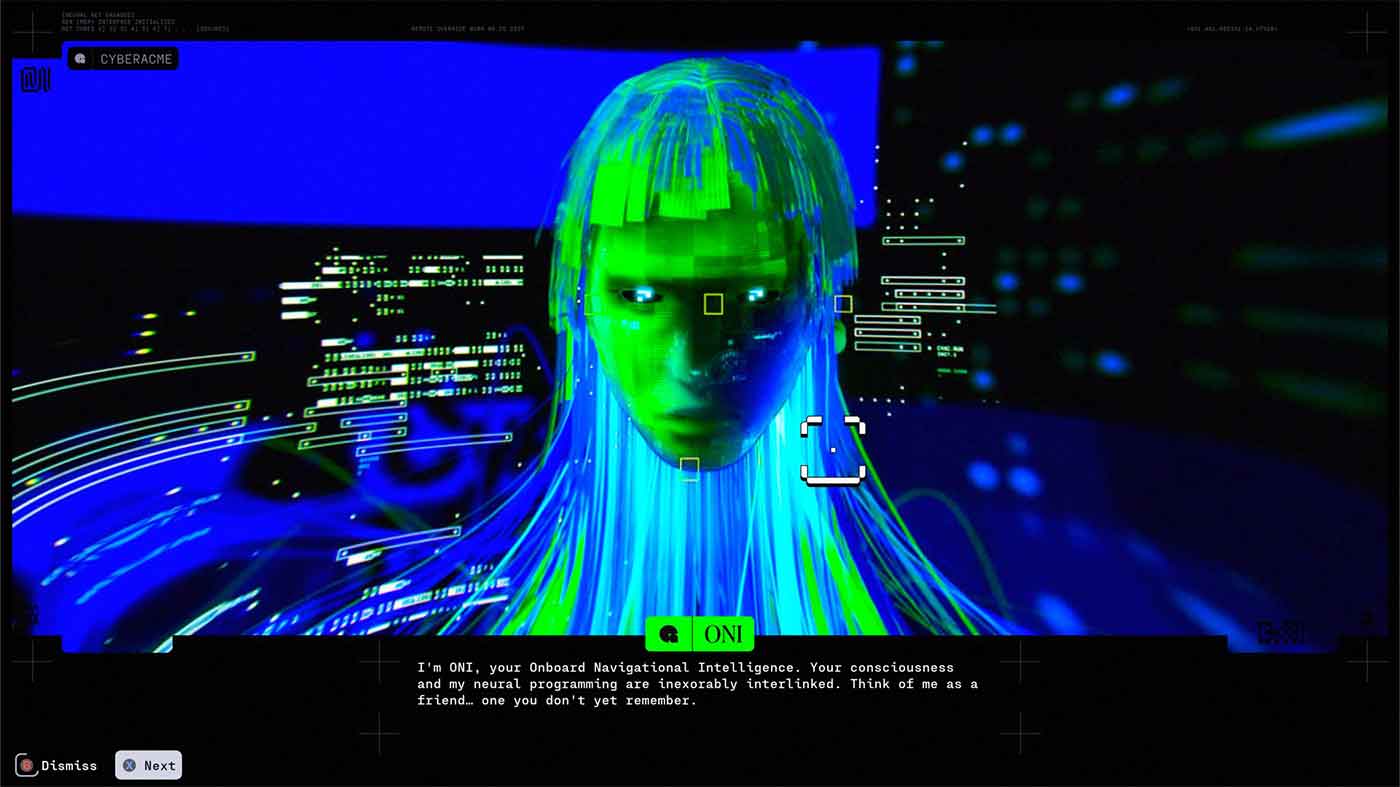
While there are tidbits of lore packed into every crevice of Marathon, like item sluglines, the larger narrative, and Durandal’s role in things, as the rampant AI on the other end of terminals throughout the game’s few maps, have trickled out piecemeal on the back of players hitting communal targets and participating in Bungie’s ARG. It’s, of course, secondary to the experience, but people who don’t rely on having things spelled out for them should find a lot of stuff to chew on initially. Presuming Marathon stays on track, it’ll go places in the story.
The world’s trailblazers at the Runners, people who’ve traded their corporeal form for a cybernetic shell, which can be broken down and rewoven, in an attempt to complete contracts, kill rivals, and scavenge and extract with as many wares as they’re able to carry, all in an effort to erase their debt—as the game says, it isn’t a form of immortality, it’s indentured servitude on repeat. I love the justification for our place in this very violent world, whether we’re exploring in a solo queue or with a trio. The aim, if you decide to even have one outside of griefing, is always clear, and your role as an extension of these mega-corporations is a great setup for each run.

Picking and settling on your shell is always going to be a tricky task, and I think Marathon does an exceptional job of making most of them appealing with their specific use cases. I began as a Destroyer, which seems the most multi-purpose of the lot, but whenever I opt for a solo queue, I tend to gravitate towards the Assassin, who is evasive and can slip by unnoticed courtesy of this camouflage ability. Of course, team composition is expected to be an enormous part of the game, and once a meta emerges, a standard will be set. But I think, given the varying contracts on offer, that there’s enormous room to experiment with shells and find the right one for your context.
Unlike Destiny, which kept me hooked through its moreish gear treadmill, Marathon does try to encourage its players to run the gear they’ve got. Not only is it useless to you rotting in a vault, but it’s especially hard to be competitive in the hotter maps if you’re running sponsored kits, which are a great fallback for when you do lose it all. Getting over that ‘gear fear’ is the first step to enjoying the game’s core loop.
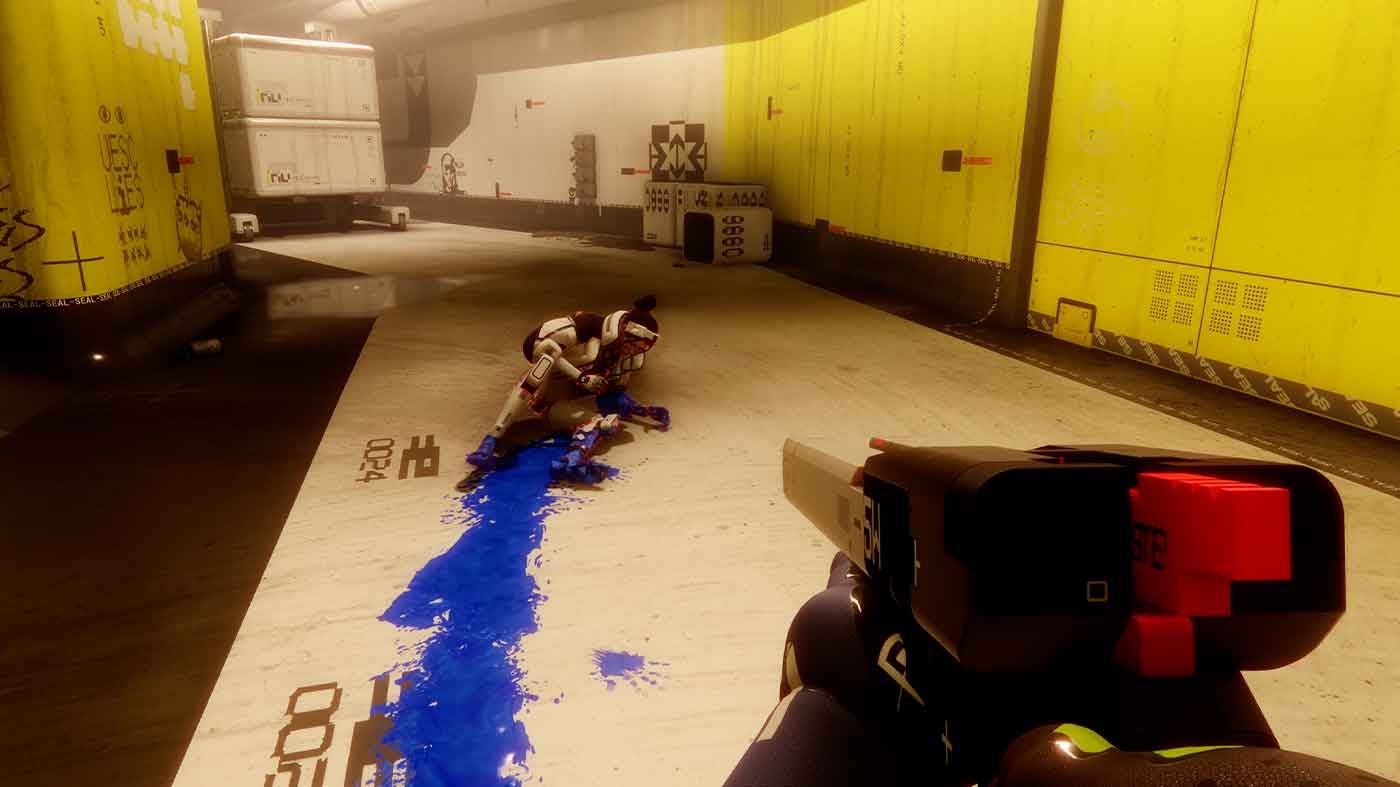
Death is, indeed, the first step in Marathon.
Anyone who has touched a Bungie game before would know what to expect with Marathon. There’s no one better at pure gunfeel than them, and this game feels almost like a flex. With Tau Ceti IV being such a hostile place, the game is tough as nails. Each map you work inward towards, from Perimeter to Dire Marsh to Outpost, is an escalation on the one before it; not only are the Runners hungrier and more fierce, but the AI also ratchets the tension up and hem your crew into tight encounters. The weaponry at your disposal hits the usual notes, although the game is already in desperate need of balancing, as thermal scopes that can spot a freckle on an ant’s ass and long-range shotguns that’d make Destiny’s Matador blush are the current, overpowered means of domination in PVP skirmishes where the time-to-kill is already rapid; I’ve died to more toxic plants than I’d care to admit, that’s how hostile the game’s world is.
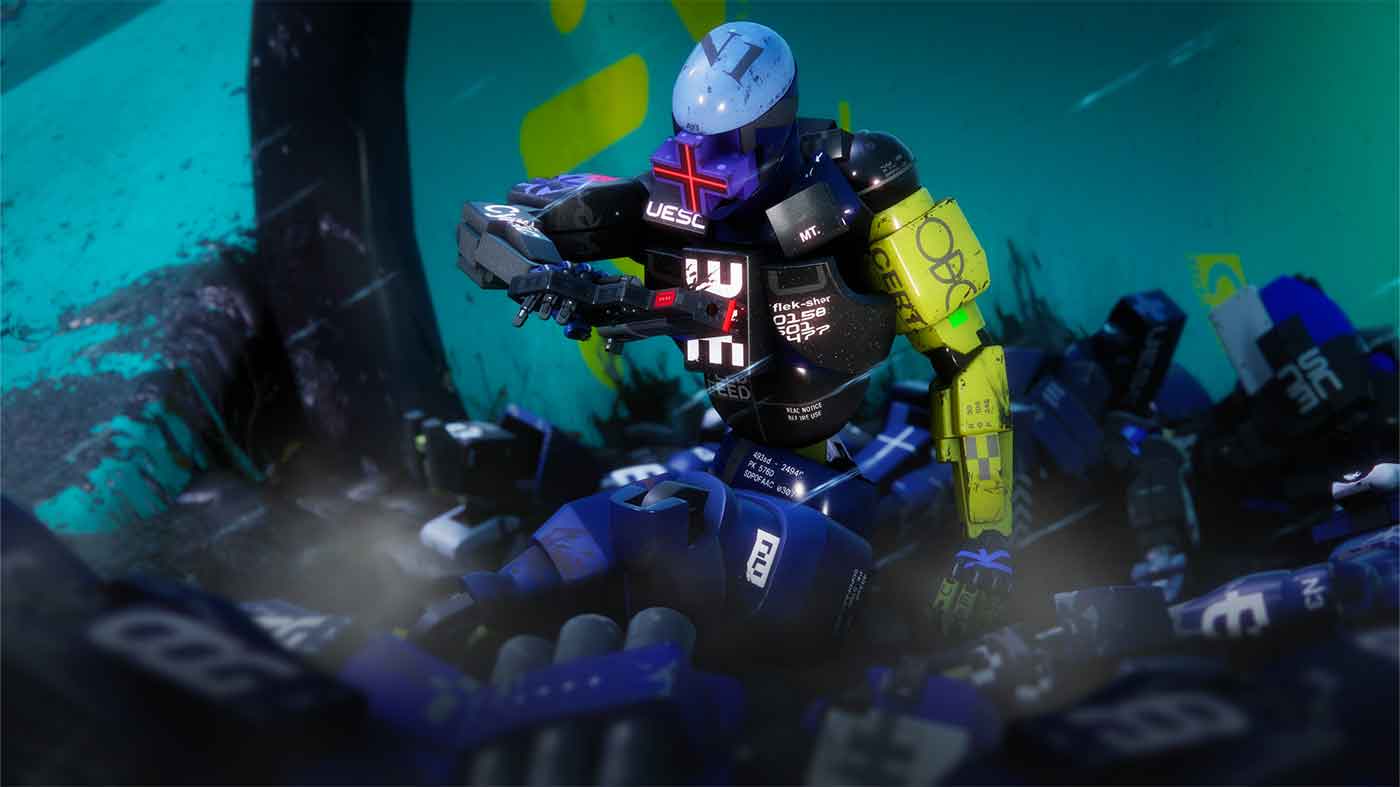
This PVPVE approach, which Bungie has tinkered with in Destiny modes like Gambit, does leave me appreciating how ahead of its time a game like Titanfall was. If the opportunity presents itself in the future for Bungie to have players lay down arms against each other and take them to a larger threat, perhaps in a raid-like setting, I think that’d be a great move that plays to Bungie’s strengths as a developer. We’ve already seen in week one how collaborative players can be in decoding the game’s secrets. I’d love to be able to run with that a little more.
Although a fourth ‘endgame’ map is coming in Cryo Archives, the three maps are all geared towards different things. Perimeter feels a bit broader, accessible, and focused on giving opportunities to breathe between encounters. Dire Marsh’s facilities are more contiguous, leading to more close-quarters fights, while Outpost is a much more vertical map where the threat can come from above. Not only do the maps have tremendous flow, they’re memorable and, through context clues, tell small but critical pieces of the Marathon story. Each subsequent map has a growing complexity that’ll be appreciated by people who’ve ever spent time in a Destiny raid or dungeon; there’s so much to be found within the maps besides death.
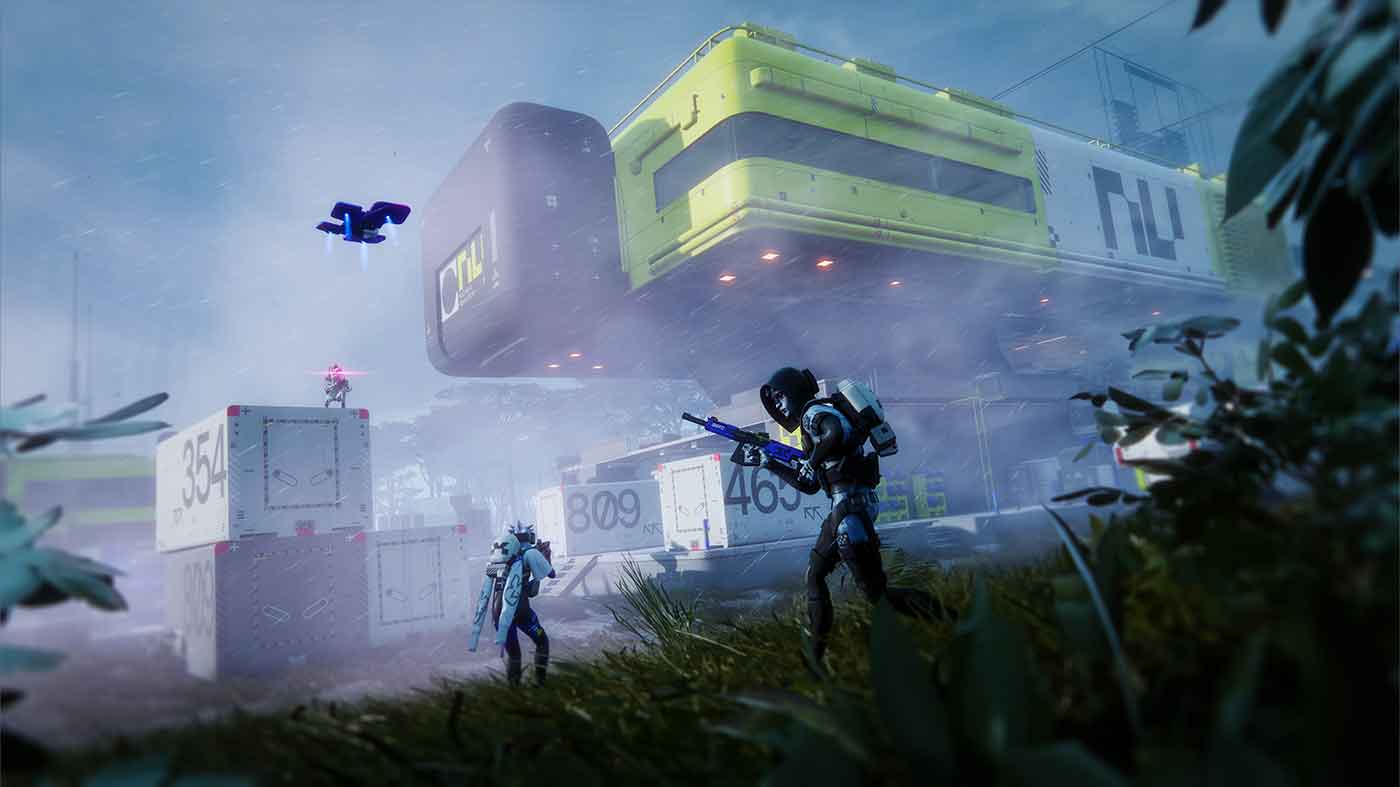
Marathon is undeniably a complicated game; it’s so dense from a systems perspective, with its mods, cores, and material-fuelled upgrade paths, that it renders the game’s attempts at onboarding more or less useless. The simplest way through is a straight line, and all it took, for me, was spending time with the game and absorbing it all. I do think there’s a little bit of work to be done to make everything, from the loadout to the vault to the armory, more readable, though it isn’t a horrendous beginning.
What makes it harder to parse through, in addition to the ‘fontslop’ UI (which I adore), is Bungie’s choice of iconography, which veers from what I’d consider standard, and trades instant recognition for the sake of character and style.
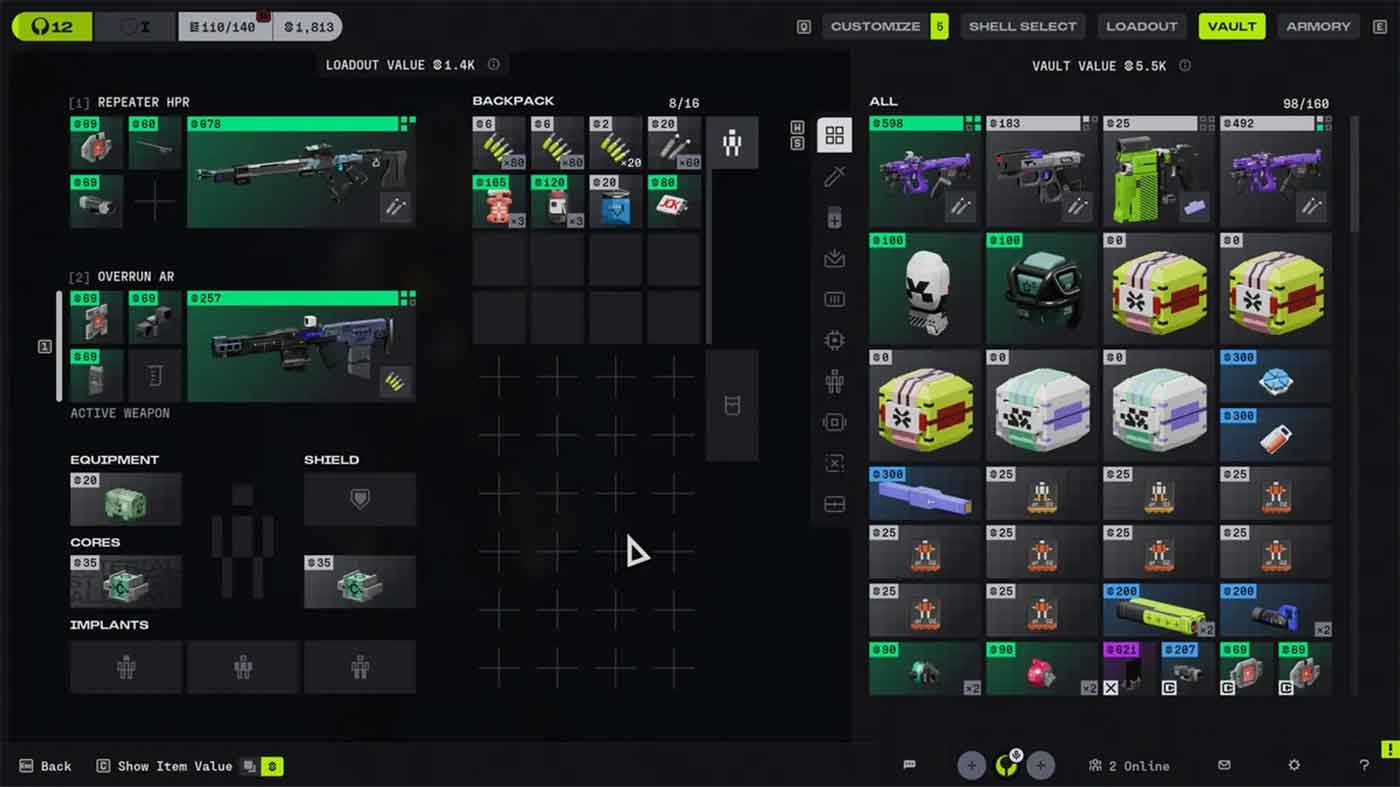
Although I did struggle initially with working out just what the carrot on the stick would be with Marathon. The gear doesn’t feel quite as prestigious as it did in their last game, and there isn’t a traditional campaign to pick story morsels out of, but I quickly settled into the groove of working through contracts for all of the corporations. If I got stuck on one, I’d change tracks and, oftentimes, pick up another, vastly different contract that, instead of looting rods, had me acting as an agent of chaos and smashing windows. As far as progression goes, all roads lead through the contracts system, which I feel is rather tidy. Levelling up factions deepens the upgrade pool available to you, and, in perhaps the smartest move, experience is shared between crews for completing each other’s contracts.
From my experience playing with people across multiple platforms, Marathon’s connectivity and crossplay have been extremely solid. I might have had one server drop during the server slam, so I’d say the game, since launch, has been faultless in terms of performance online. I’ve found loads to be quite arduous, but that might be exacerbated by how quickly I’m dispatched each run. I also appreciate the friendly nature of everyone I’ve played with, so far. The few exchanges I’ve had via proximity chat, which isn’t used nearly enough in general play, have been good-natured.
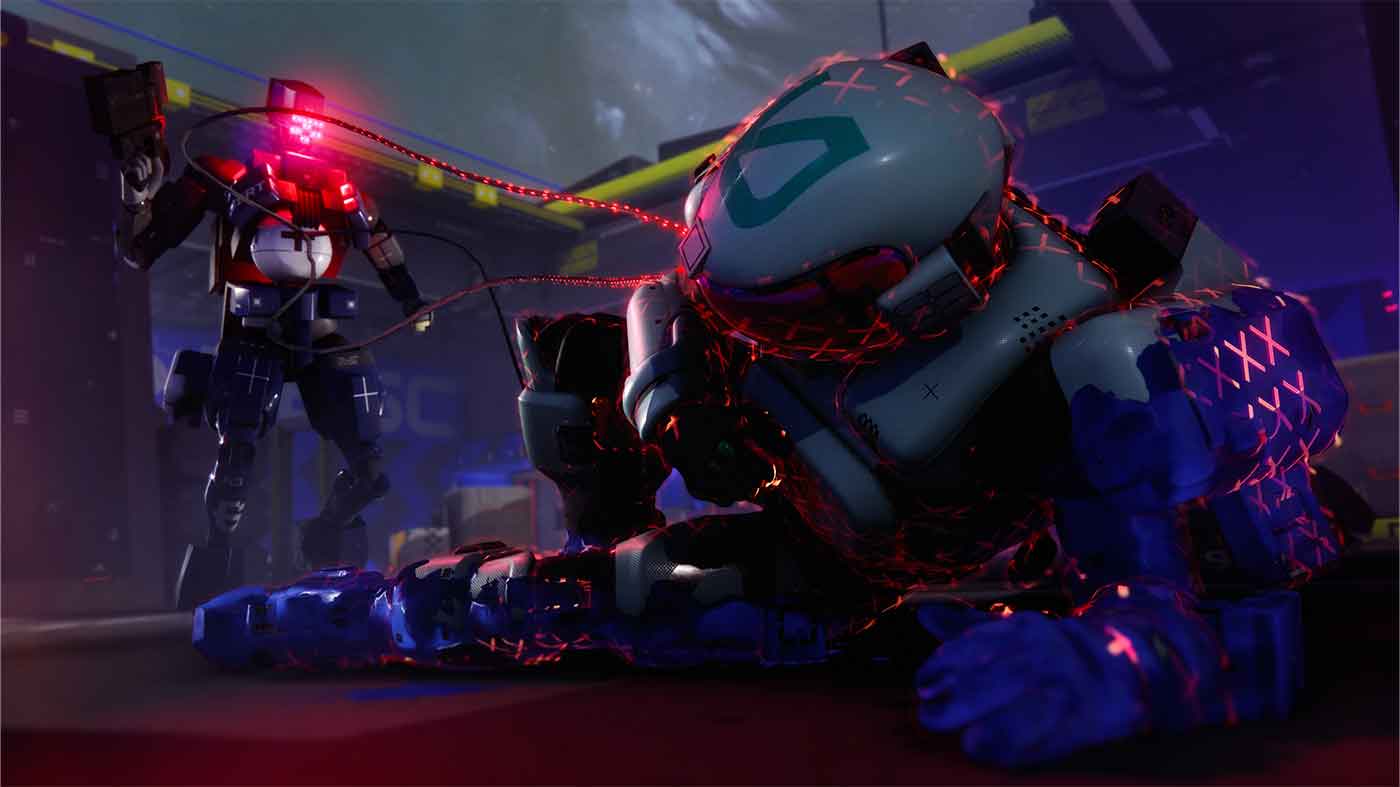
Despite the proximity chat being underutilised for the moment, I do think the game’s audio design is tremendous. Not only is the directional audio sharp and precise, but with a good set of headphones, I’m also able to recognise immediately where footsteps or chatter are coming from, which is a big help with situational awareness in Marathon. The gunfire has heft, melee is crunchy and brutal, and everything about the UESC is ominous, particularly their attempts to mimic real in-game chatter to bait players into a fight. For a game that can already feel like a horror game if rolling through solo queue as a Rook, the audio plays an enormous role in heightening that dread. Ryan Lott’s soundtrack shoulders a lot of bringing Marathon’s soundscape to life, with an odd, organic, overly processed brand of ambient noise. I honestly don’t think there’s anything like it. Lott has hit it out of the park here.
While I, of course, am loving the loop of learning through death in Marathon, it’s a game where the aesthetic is everything. It injects so much personality into the game with its art direction, which has a strikingly clean, blockmesh base with novel futurist ideas piled on top of it. All of its action takes place in daylight, although a nighttime version of Dire Marsh is expected next season, and yet there’s an unease that’s palpable while looting Tau Ceti IV.
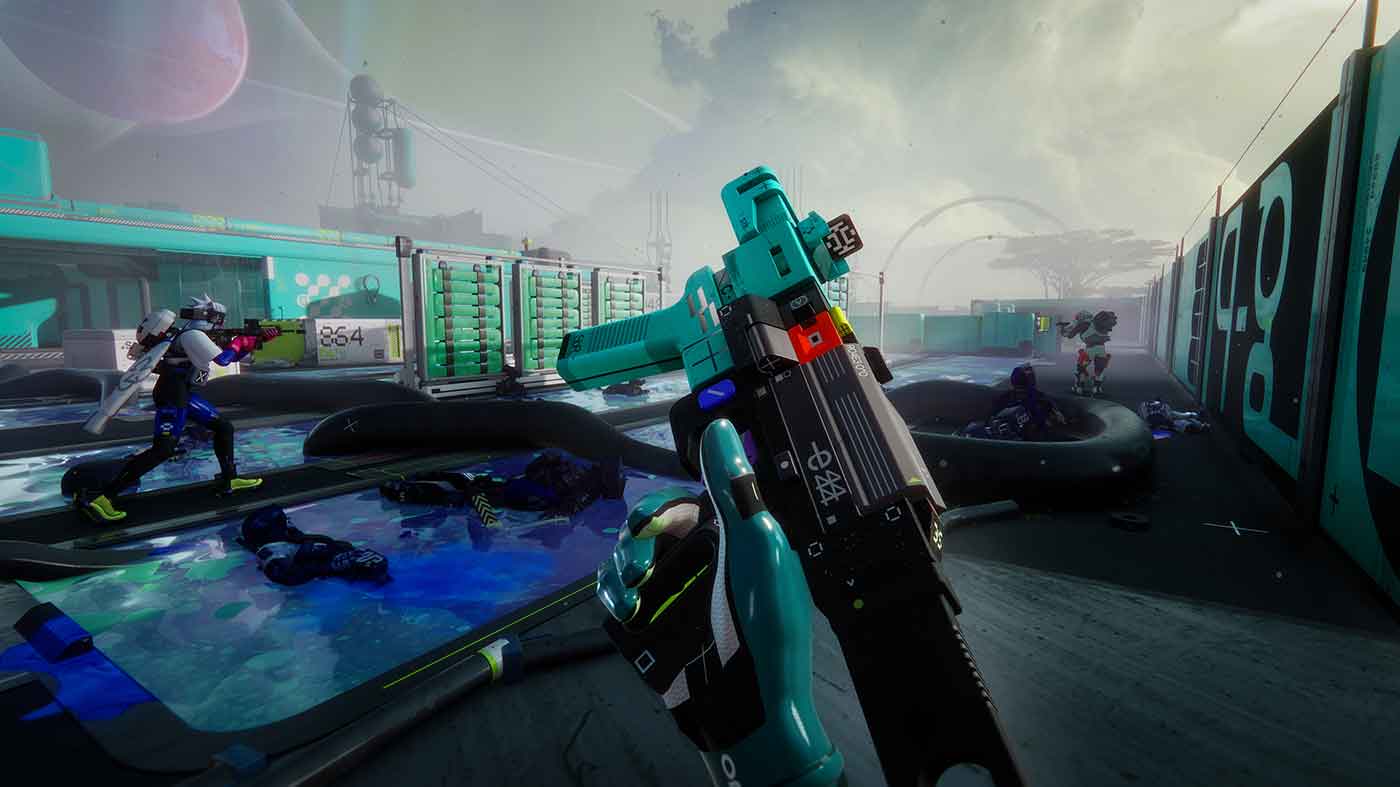
All of the guns are Destiny-coded, shells are unique, and everything is designed with utility in mind. Confusing as they are, I adore the game’s UI and menus, which look as though they were designed by a committee that wasn’t told no; it’s a colour-and-style gumbo that, without doubt, defies the three-font rule.
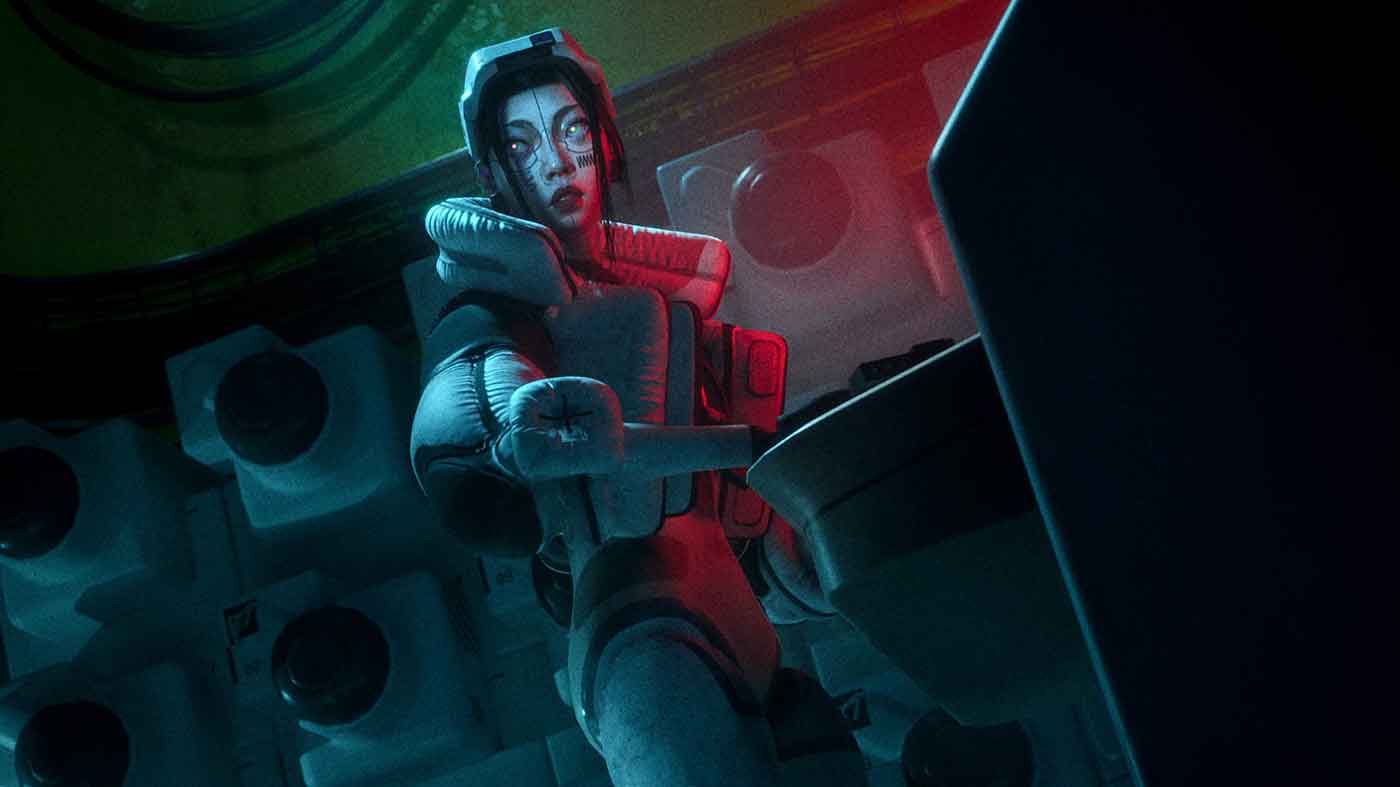
Sentiment online has been mixed on Marathon’s aesthetic, but I truly can’t imagine a more interesting approach to art design gracing the medium this year. Not only are the faction cinematics polished, but their respective leaders all have unforgettable, distinct looks—Vulcan, the mouthpiece for Traxus, might be the single coolest visual I’ve ever seen in a game, period. That and seeing a Runner’s blue blood mixing with the planet’s milky white water, which I’ve been on the receiving end of quite often. But I’m even happy enough to die in Marathon because the helmet cam perspective we’re able to use to spectate our surviving crew is incredible; I don’t think I’d grow tired of it.
The world of Marathon is like that of any extraction shooter; it’s hardcore, unforgiving, and indifferent. It takes away as much as it gives, but it’s whether you allow the experience to galvanise you to go again that’ll determine the game’s staying power for you. Personally, I’m prepared to let this game brutalise me for as long as it can. Obviously, its legs will be determined by how its seasonal content and progress wipes keep dedicated players engaged while also allowing word of mouth to do its thing and draw new players in without fear of being too far behind. Bungie’s roadmap looks promising, and the game’s first patch seemed to hit on a lot of important notes.