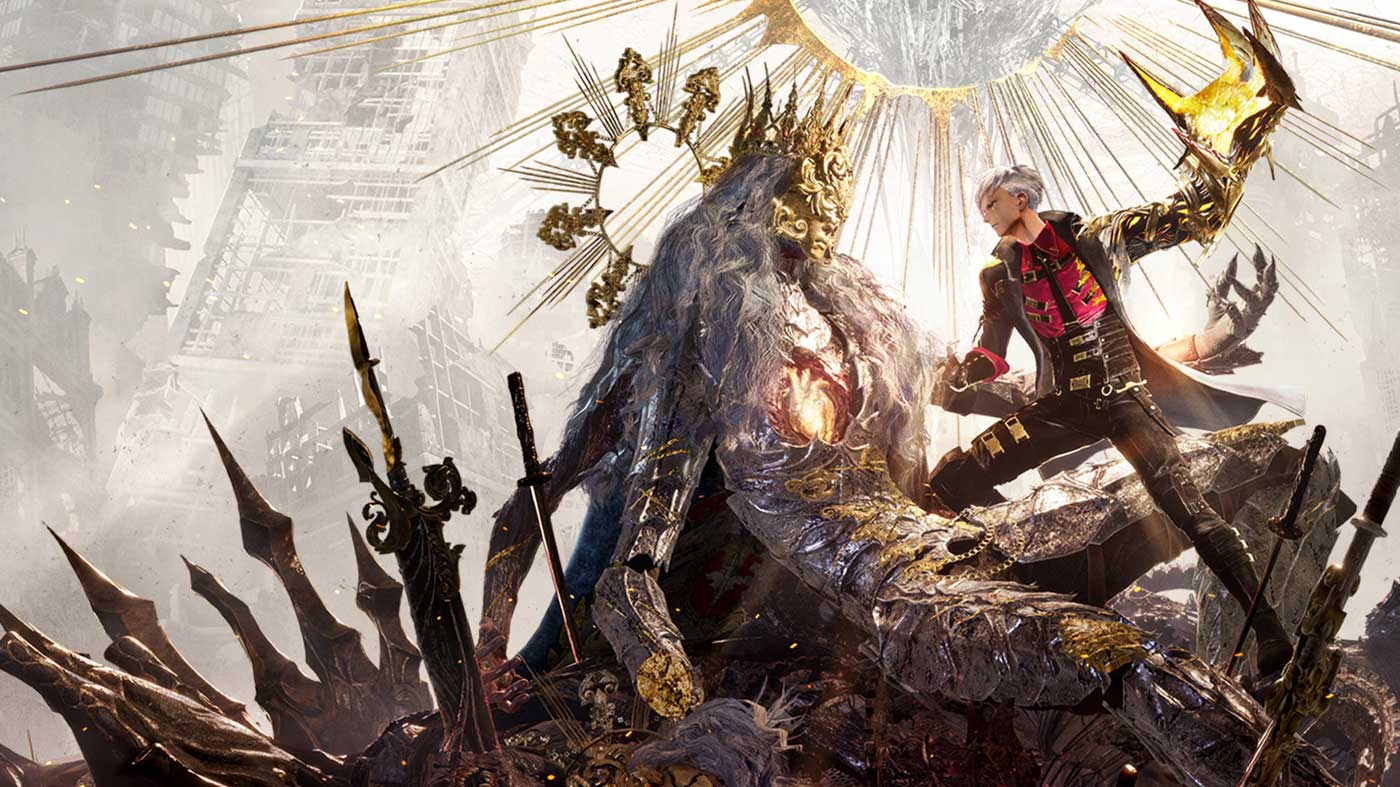



With Code Vein, Bandai Namco sought to brave new territory no developer had ever thought to explore – “What if Dark Souls, but with anime vampires?”
While Code Vein had its pros and cons, it was a game that I had a passing interest in thanks to co-op with friends. Underneath that cliche aesthetic and done-to-death gameplay was a surprisingly rich world, too. Code Vein II does a lot differently compared to Code Vein, to varying degrees of success, but whether you’ll like Code Vein II entirely depends on what you liked about Code Vein, despite all its ambition.
While this is a sequel, Code Vein II is entirely divorced from the events of the original Code Vein. Instead, you’ll play as a new character, a Revenant Hunter, who must investigate a new phenomenon in which the living are turned into mindless monsters. Taking place across two time periods, which your hunter will jump between, you must hunt the monsters that have emerged from this cataclysmic event, called the Resurgence, and prevent civilisation from collapsing. It’s a surprisingly solid story with plenty of lore underpinning it, but it does feel like a rather trite affair when all the dust settles.
That said, Code Vein II makes an earnest effort to expand on all the systems introduced in the original game, albeit in different ways. At its core, it still feels like Code Vein, employing all the trimmings of a traditional soulslike experience. A vast open world to explore, some difficult combat, some gnarly boss battles and some mechanics that require you to consider your builds. It’s a tried-and-true formula that works, but I’d be lying if I didn’t say I’m starting to grow tired of the genre. That’s not to say that Code Vein II is bad – it’s not – it’s just choosing to play in a space that’s already so crowded and has to do a lot to differentiate itself from its contemporaries and really wow you.
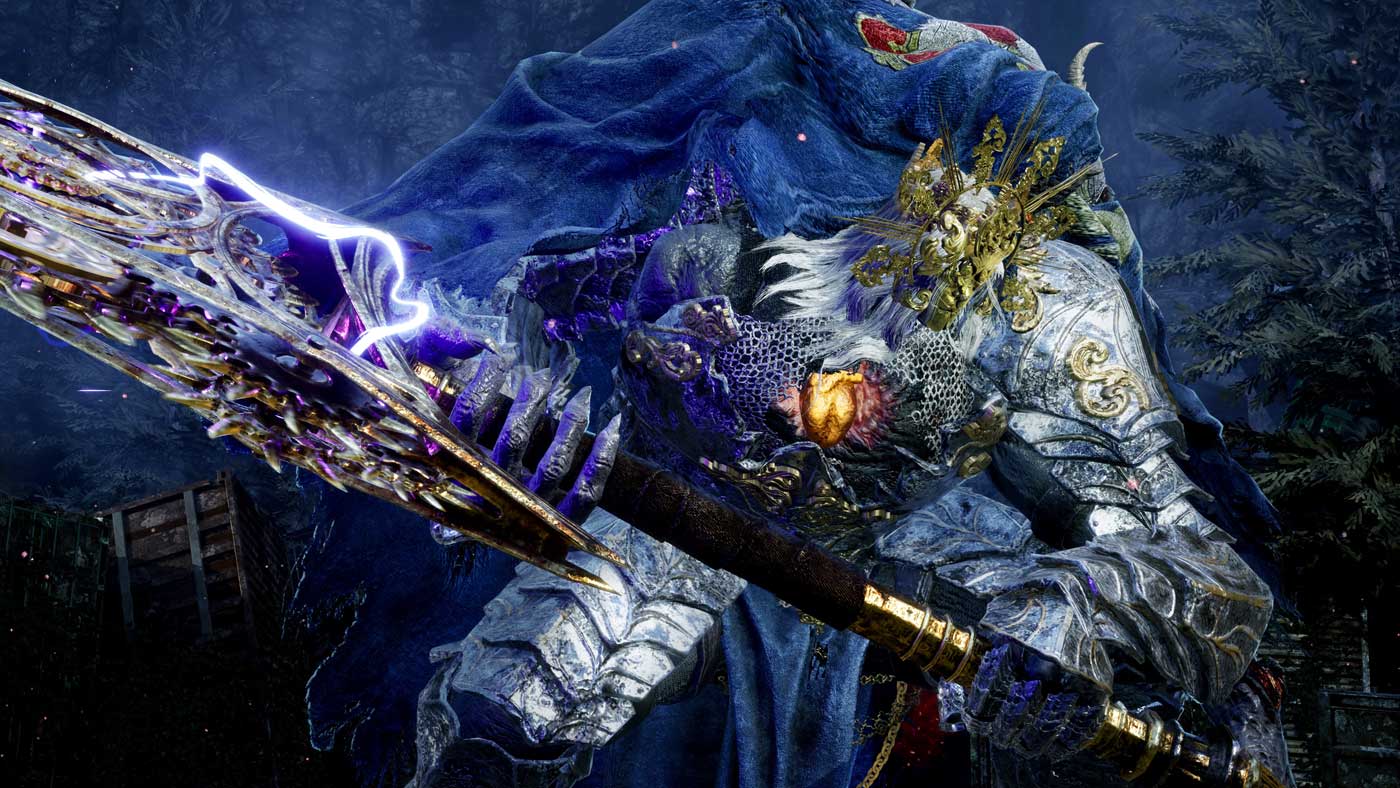
There are a few things Code Vein II tries to do differently. The core of it is the Ichor system. In addition to managing your stamina, you’ll also have to often use “drain attacks” to drain Ichor from enemies, which can be used to fire off unique formae abilities. It adds another layer to the combat loop and is a deceptively important element of the game’s combat. At first, stubbornly, I didn’t engage with the ichor system much, but utilising it properly is the key to coming out victorious in some of the game’s more hectic boss battles.
Such a combat loop is augmented by a whole slew of systems that allow you to build the character you want, as well as switch between these builds easily and quickly. The Blood Code system returns from the original Code Vein, and allows you to lean into the stats that best suit your play-style. But many of these skill buffs come with a burden that might make you rethink a build. A Blood Code might allow you to absorb more Ichor when using drain attacks, but cause you to lose Ichor when you get hit, for example. All of these elements come together to create a progression system that encourages you to try multiple builds rather than lock yourself into a single one, and I appreciate that flexibility and customisability in a game like this.
THE CHEAPEST PRICE: $89 WITH FREE SHIPPING FROM AMAZON
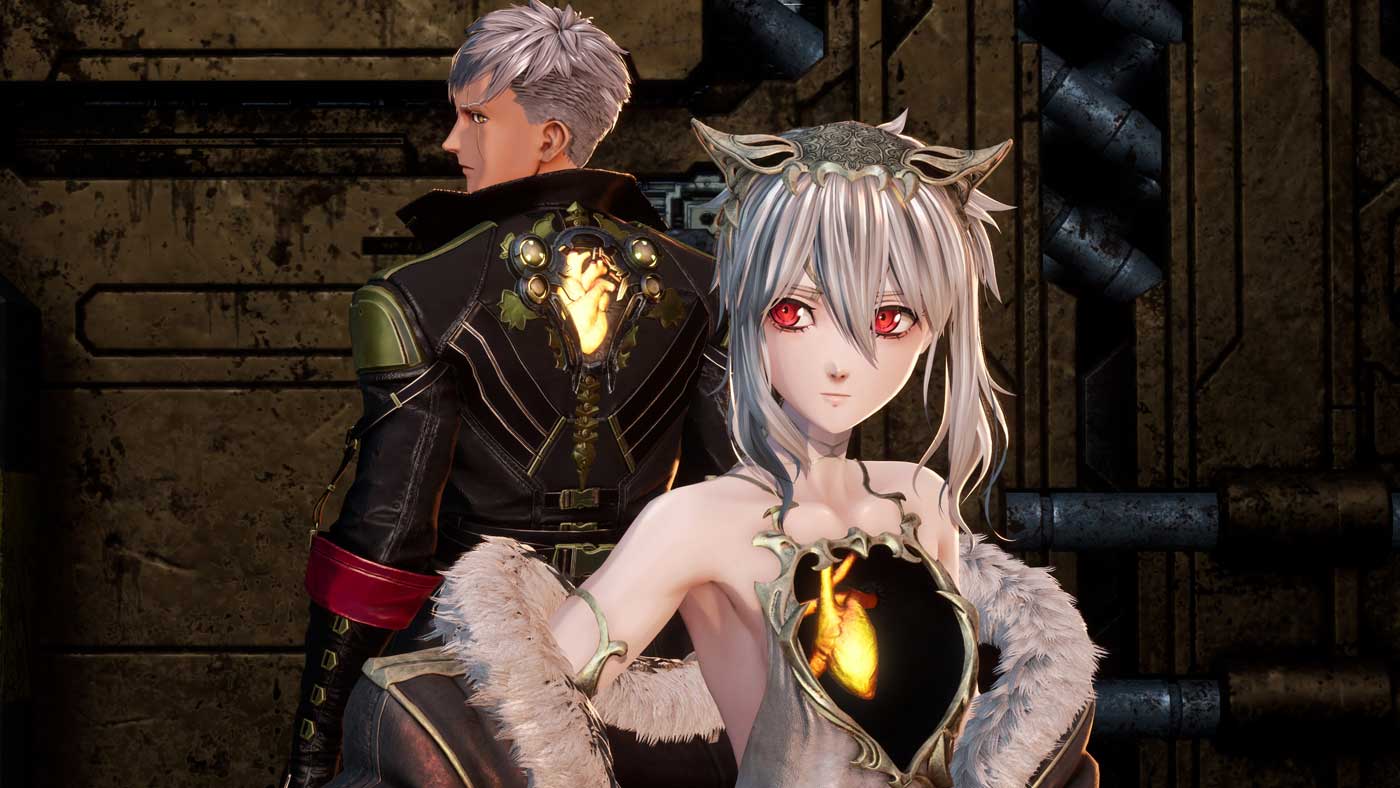
But the most obvious change here is the new companion’s system. You can now take another character with you into combat, and they will fight alongside you. The unique twist here is that your companion can be “assimilated” into you, providing you with a powerful boost to your attack. This approach is both novel and interesting. It feels more than an assist, allowing you to change up your strategy on-the-fly, especially in more trying battles. Your partner will be useful in distracting enemies if you need, but you can also bring them to you for a brief burst of power if you’re more confident fighting these enemies solo. You can even bond with these partners to unlock effects and passive skills to help you in combat.
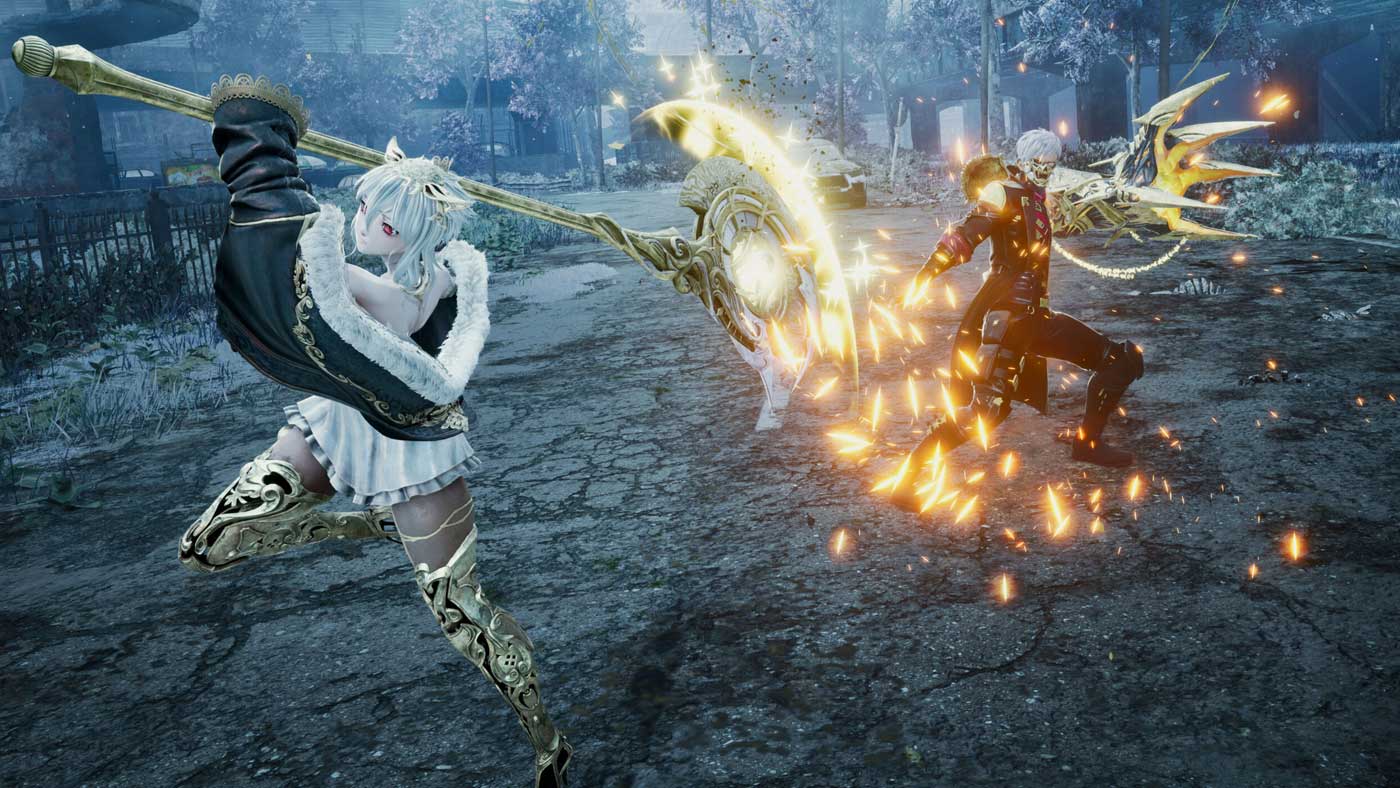
But while this companion system is great, I can’t help but feel it comes at a great cost of something else – multiplayer. Where the original Code Vein caught my eye purely because it was something I could mess around in with friends, Code Vein II completely strips that functionality out. It’s a bizarre omission, and one that really does feel like a step back from the original game. I know it’s not a deal breaker – not everyone plays these games with friends – but I would never have played the original game if it weren’t for that aspect.
This feeling of missed opportunity is bolstered by Code Vein II’s greater emphasis on grander exploration, too. The scope of exploration and traversal feels well-improved in Code Vein II. The locales you’ll visit are bigger, and you even get a vehicle to get around the larger areas, too. It’s a neat new addition, which, again, I was playing and felt disappointed that I wouldn’t be able to explore with a friend.
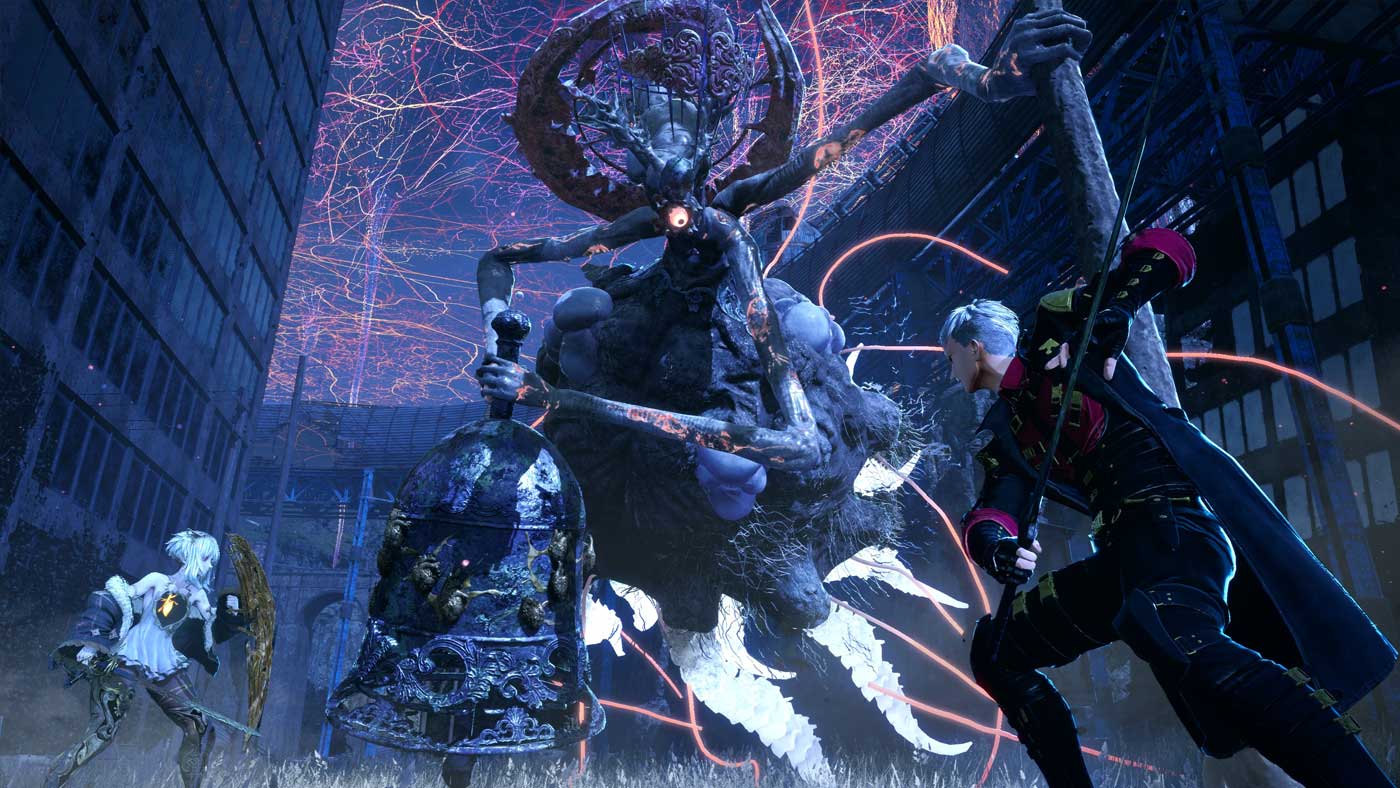
There is also a time travel mechanic included here in which you can travel between two time periods to help save your companion characters and improve their bond. At first, this just felt like a gimmicky way to use the same map twice, but in reality, it offers some unique situations in which you’ll have to make a choice to deal with certain companions. Some of these choices are fairly difficult to make, too, and will feed into which ending you’ll get, which adds some replayability if you have other builds you have a hankering to try after the credits roll.
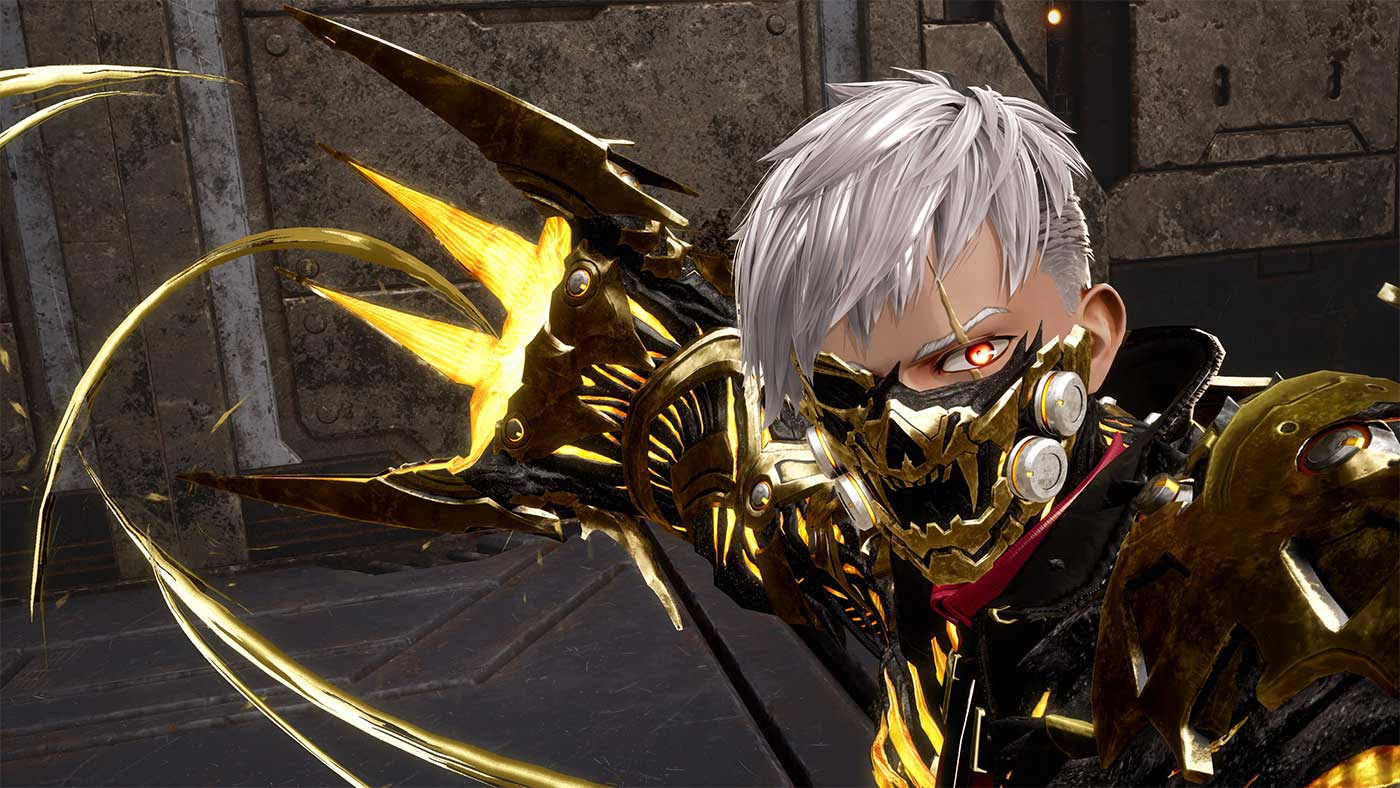
From a presentation standpoint, Code Vein II will be divisive. It has that clean, technically impressive look that almost every game running on Unreal Engine 5 has, but the art direction trades in the deep reds and blacks of the original Code Vein for more garish whites and golds. I appreciate the shift – it means any screenshot of Code Vein II is instantly recognisable compared to Code Vein, but it also means the game has lost some of the uniqueness the original had. I dare say, much like games that employ a realistic art style in UE5, games running on UE5 that employ an anime art style are also still becoming dangerously generic in their presentation. However, the game runs pretty well, with strong image quality and solid framerates when playing on the PS5 Pro.
All in all, Code Vein II is an improvement over Code Vein in many ways, but also a step back in some too. What you got out of the original Code Vein will largely influence whether you appreciate these many changes, but it’s hard to ignore Bandai Namco’s ambition in trying to expand on the experience offered by the first game, even if every change doesn’t land.