


Press Start may receive a commission when you buy from links on our site at no extra cost to you.
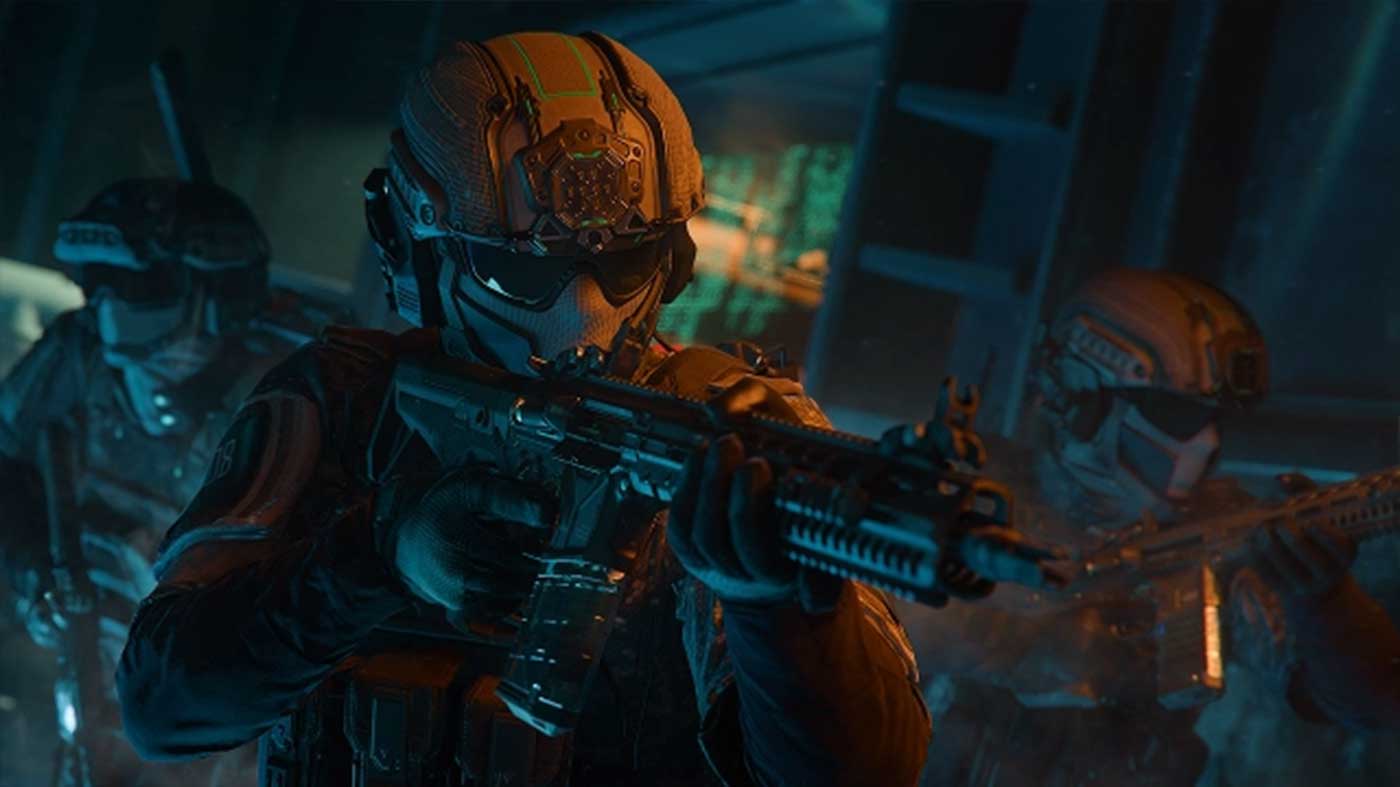
Variety has long been part of Call of Duty’s strength. Not confined to a single historical era or idea, their single-player campaigns have woven with ease between grounded, gritty geopolitical thrillers and sci-fi silliness. Courtesy to the cinematic standard Modern Warfare, and Black Ops especially, have achieved over the last two decades, this reality-hopping series has never, ever felt off-kilter; however, Black Ops 7, the latest in this ‘every other year’ sub-series, ventures beneath the bar set by all prior Call of Duty games, delivering on a campaign that feels like a complete and total abandonment of what campaign players look for most in favour of embracing the franchise’s multiplayer ideologies.
For a series built on intrigue and unexpected, mind-fucking twists, Black Ops 7 plays a rather straight bat in terms of the story it tells. As Alex Mason’s son, David, you start by investigating the apparent re-emergence of terrorist Raul Menendez, who’d died years earlier at David’s hands. This is soon debunked to be a deepfake red herring and really doesn’t meaningfully evolve from there as David’s squad is terrorised by The Guild’s experimental, mind-altering neurotoxin, rendering the story nonsensical, disjointed, and clinging desperately to the series’ history.
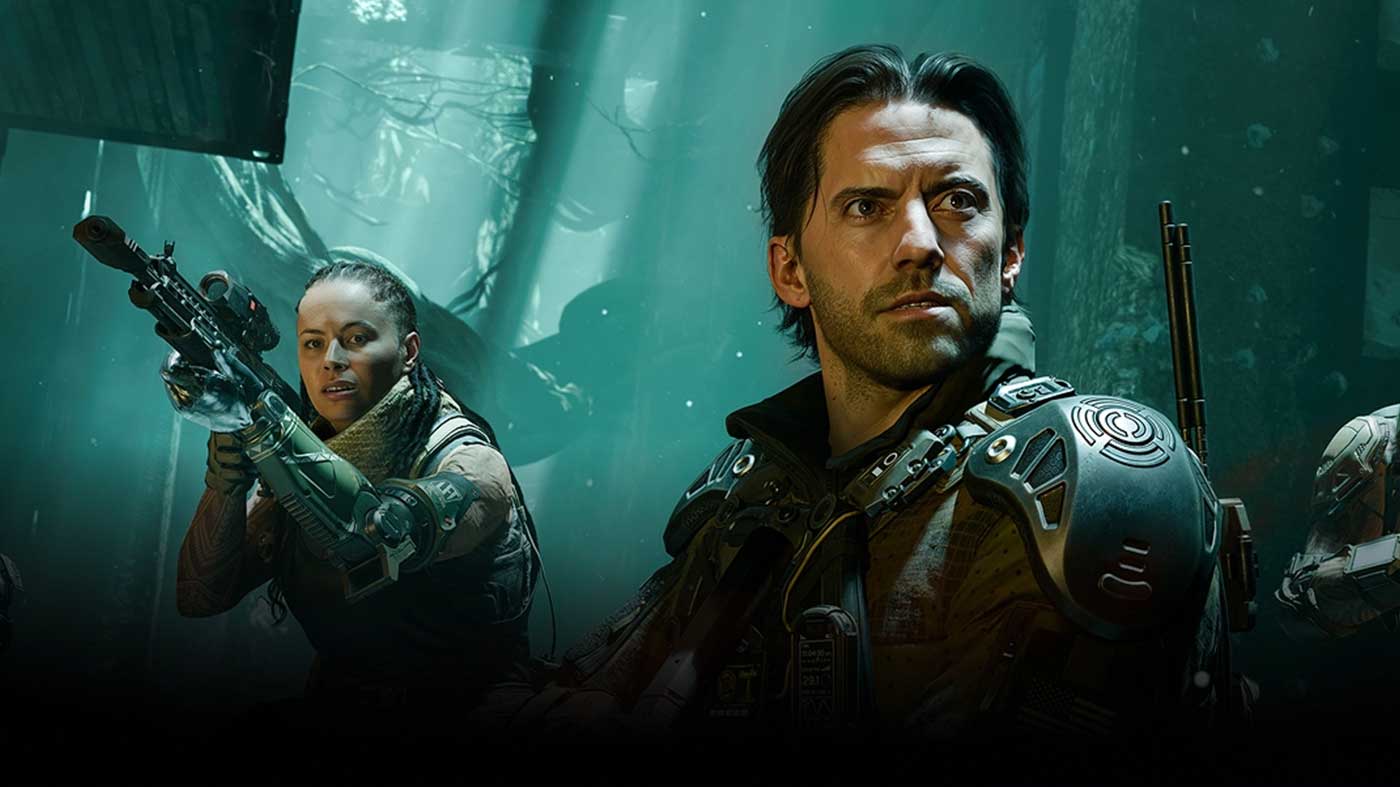
The iconic uprising of Vorkuta, a powerful act of defiance, is reduced to a cheap facsimile, a sort of close enough rendition slapped in for nostalgia’s sake. The franchise’s usual globetrotting remains, but it means less than ever, with not even a shred of sinew connecting things. Kiernan Shipka’s unambiguous villain, Emma Kagan, is one-geared and fails to deliver the swerves we’d expect from a Black Ops story. It pains me to say, but, like the points in Whose Line, this story doesn’t matter.
As someone who’d often play Call of Duty for its campaign, I’d often see it as the finer cut of steak next to the chuck beef that is Zombies. But that, in itself, has been the series’ strength, where else could you get three packaged in experiences that all cater to particular audiences. A term I know I bandied around in years gone by is “bang for buck,” and with this being the most homogeneous Call of Duty perhaps ever, where its multiplayer pillars are woven through every aspect of the game, it has become little more than a thoughtless shooting gallery.
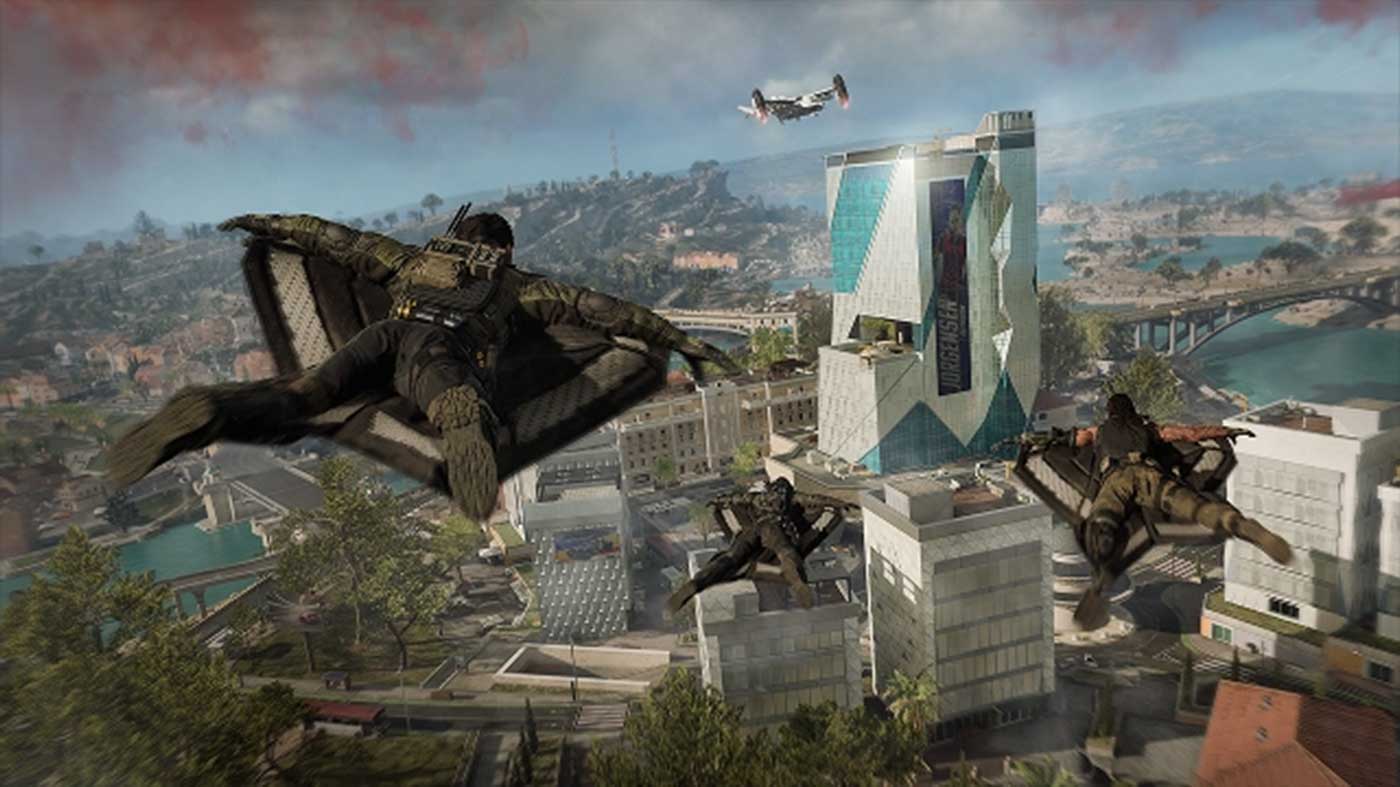
Built specifically for four-player co-op, it feels like Activision’s fashionably late swing at Borderlands. Things like health bars, weapon grades, and typical, behemoth bosses, who appear from the torso up at the arena’s edge and spew deathbeams at you, aren’t things I ever expected to see in a Black Ops campaign. I won’t say it’s an experience totally devoid of fun; I found flashes of it once I came to terms with what it was trying to be. It helps that the gunplay is still as tight as ever despite being pigeon-holed into ranged conflict by the game’s pointlessly large sandboxes, which, to their credit, do make the locomotion, via both wingsuit and omnidirectional movement, a joy.
Despite being built with co-op in mind, the campaign can be played solo; however, I wouldn’t recommend it. Not only is it less fun because the cross-map commutes feel longer, and the enemies seem spongier, but the required online connection leads to many of the unavoidable pitfalls of online play. Despite being in your own private instance, you’re unable to pause, and the game doesn’t checkpoint, so if you need to step away to run an errand, you’re practically kissing that progress goodbye.
One thing I don’t mind at all about Black Ops 7 feeling like one big, multiplayer-first, unified platform is the global progression system available across all modes. Being around thirty levels in at the closure of the story, ready to hop into online with a reasonable loadout is, I feel, a plus.
THE CHEAPEST PRICE: $89 WITH FREE SHIPPING
Once the curtain falls on the game’s campaign, you’re able to embark on the ‘Endgame’. The mode, which is billed as a PVE extraction mode, serves as an epilogue of sorts, allowing players to buggerise about and work together within this big Avalon sandbox. Despite not spending an enormous amount of time there yet, I can see the thought process in a world where these games are all the rage. I do think not having any kind of player-on-player engagement is a mistake, as it kind of robs the player’s ability to craft and roleplay those fun kinds of conflict and betrayal. As someone who wasn’t particularly impressed by Avalon itself, from a layout and points of interest perspective, I do hope they manage to grow or alter the map in the coming seasons.
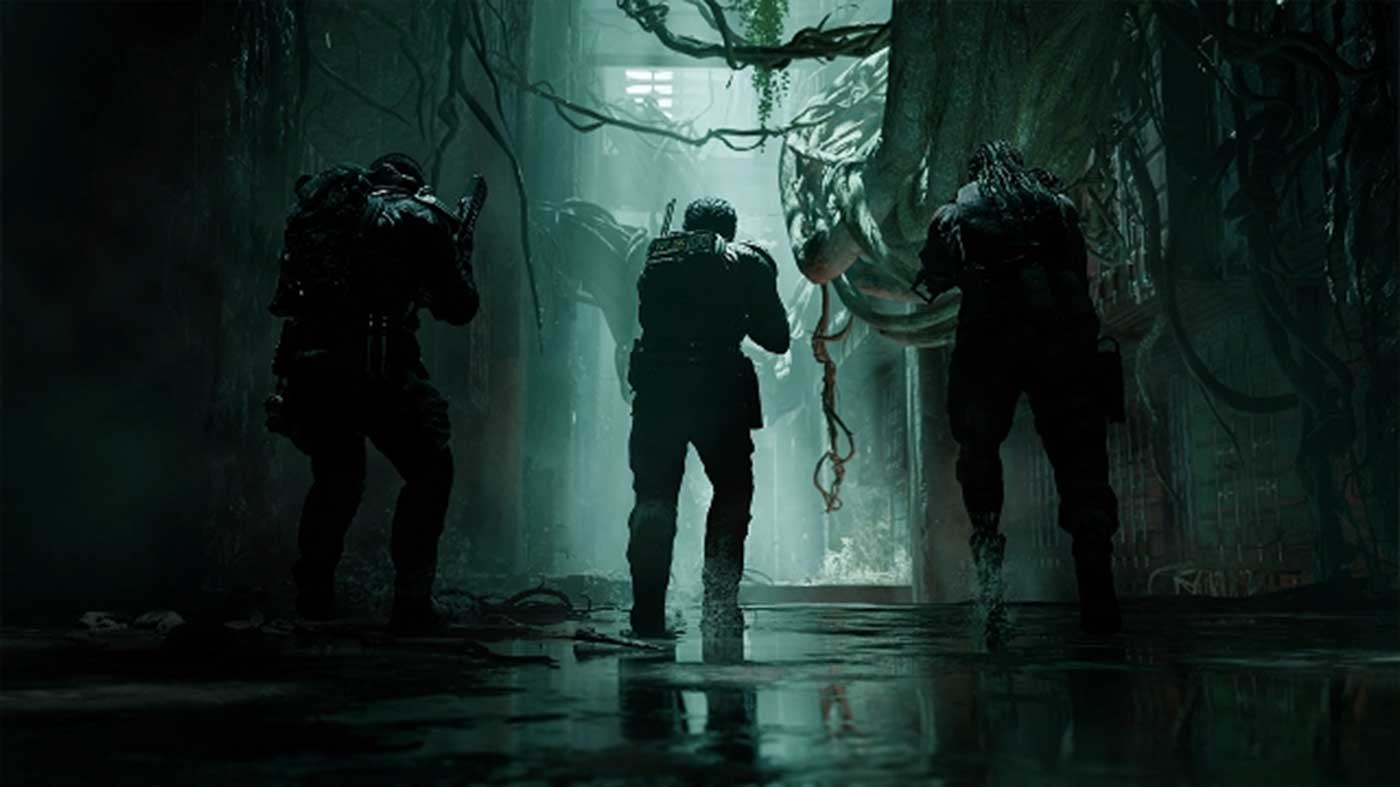
Considering the surreal places this narrative goes, it’s fair to say that the figurative leash of the art department was given significant slack. In that sense, at least half of the campaign is perhaps the deepest dive into the sci-fi realm we’ve seen from a Black Ops, which has often ventured into weird territory. Sadly, nothing else in the game, especially anything to do with The Guild, exceeds vanilla levels of intrigue. Whether it’s a by-product of lag or data-streaming, I was also perplexed by how ordinary some of the animation was. For a developer whose production values are industry leading, to see how comically rigid and obviously on-rails the VTOL’s flight path was made me laugh out loud.
As someone who likes his Call of Duty to be cinematic, thrilling, and high-stakes, I’m not sure that any moment of Black Ops 7 managed to achieve any of that. The direction it takes, and how it so regularly cheapens its own legacy, has me hopeful they’ll leave their return to this canon in a future far, far away.
The Xbox Series X version of this game was played for the purpose of this review.