

Press Start may receive a commission when you buy from links on our site at no extra cost to you.
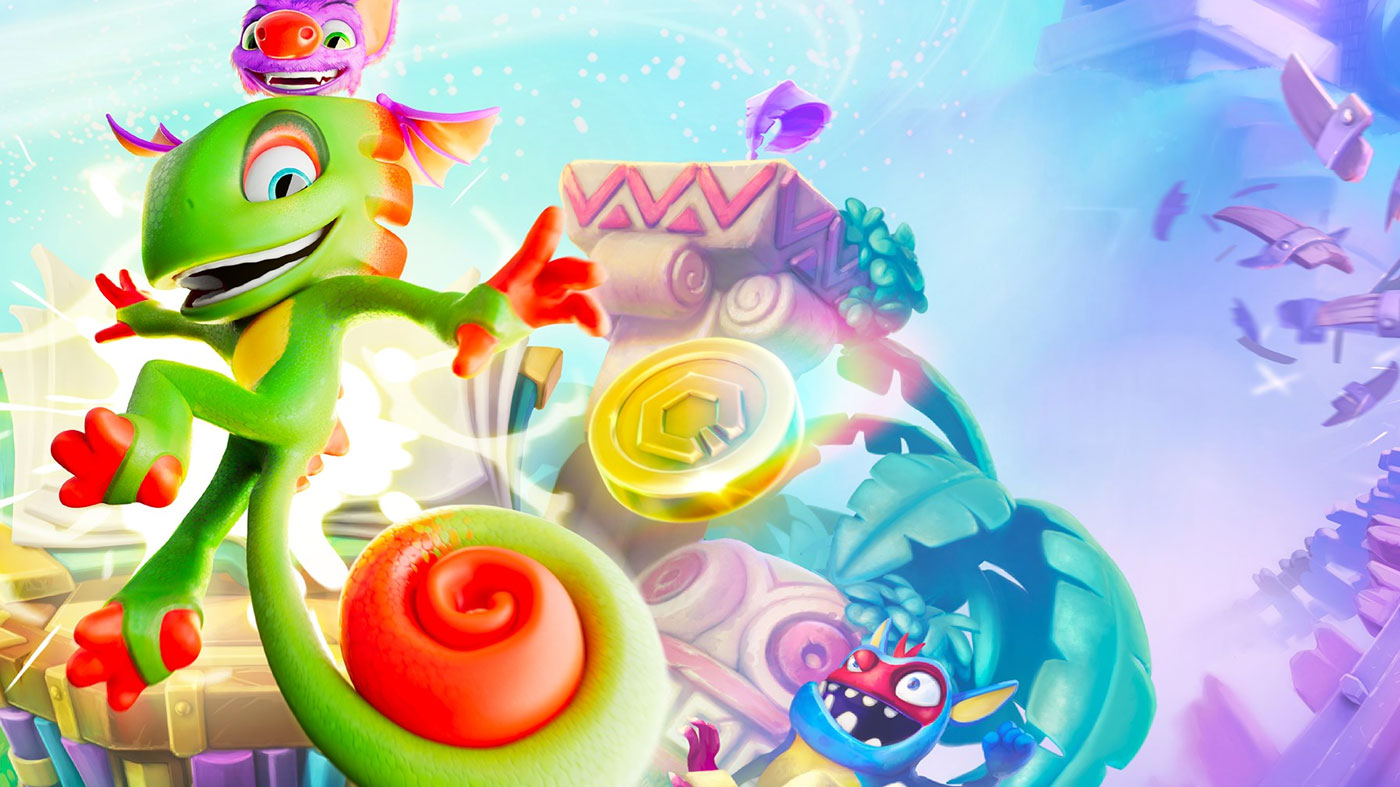
To think it has been eight years since Yooka-Laylee first released is just wild. However, while the reception to the original Yooka-Laylee was chilly at best, time has been kind to this spiritual successor of Banjo-Kazooie. You can easily chalk this up to Playtonic’s persistence in making the game everything that fans wanted it to be. Updates to the original game fixed many issues that critics had, while a hearty spin-off reminded us that the team still had the know-how to make great games. Now, so many years on, Yooka-Laylee is getting one more chance. A bizarre but successful mix of remaster and remake, Yooka-Replaylee is easily the best way to play Yooka-Laylee. It delivers on the promises made by one of the fastest-funded Kickstarters so many years ago.
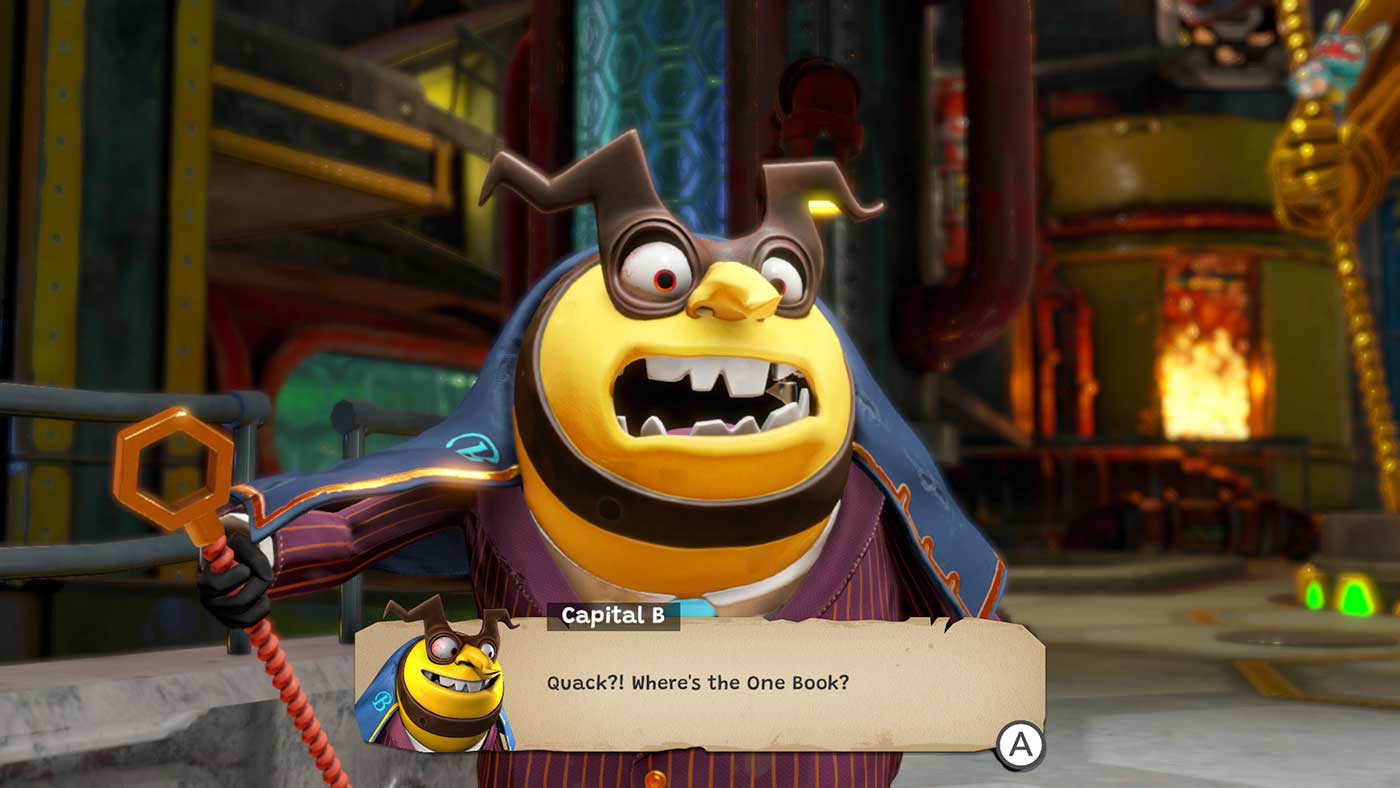
The plot of the game remains largely unchanged. Evil capitalist Capital B and his assistant, Dr. Quack, have devised a plan to suck up all of the books in the world to create a magical book that will allow them to rewrite the rules of the world. Chameleon Yooka and his sassy bat sidekick Laylee must collect the pages to stop Capital B. It’s a simple story, though Yooka-Replaylee adds some new cutscenes to better flesh out the characters and slightly change the pacing of the story. In typical Rareware (or Playtonic) fashion, all of these changes to the story are framed as clever embellishments from Yooka and Laylee retelling the events of the game. So, if you’re a big Yooka-Laylee lore nut, you’ll be happy to know that both Yooka-Laylee and Yooka-Replaylee are canon.
But it’s the gameplay that sees the biggest changes. Yooka-Replaylee is acutely self-aware of the faults of Yooka-Laylee and makes some incredible strides to fix them. Where the original Yooka-Laylee attempted to cater to fans of both Banjo-Kazooie and Banjo-Tooie, it unfortunately failed to please either. Even better, the admission that Banjo-Tooie wasn’t as strong or honed an experience as Banjo-Kazooie is acknowledged in droves here. Playtonic has tweaked and refined nearly every system presented in the original Yooka-Laylee to create an experience that correctly emulates the design and charm of the original Banjo-Kazooie.
But before we get into the changes, the general flow of the game remains unchanged. Yooka and Laylee are thrown into different levels and must collect Quills and Pagies to purchase upgrades or unlock new levels, respectively. Each collectible is carefully placed throughout the world, encouraging and enticing exploration or requiring completion of a side quest. It’s a gameplay loop that is equal parts simple and addictive.
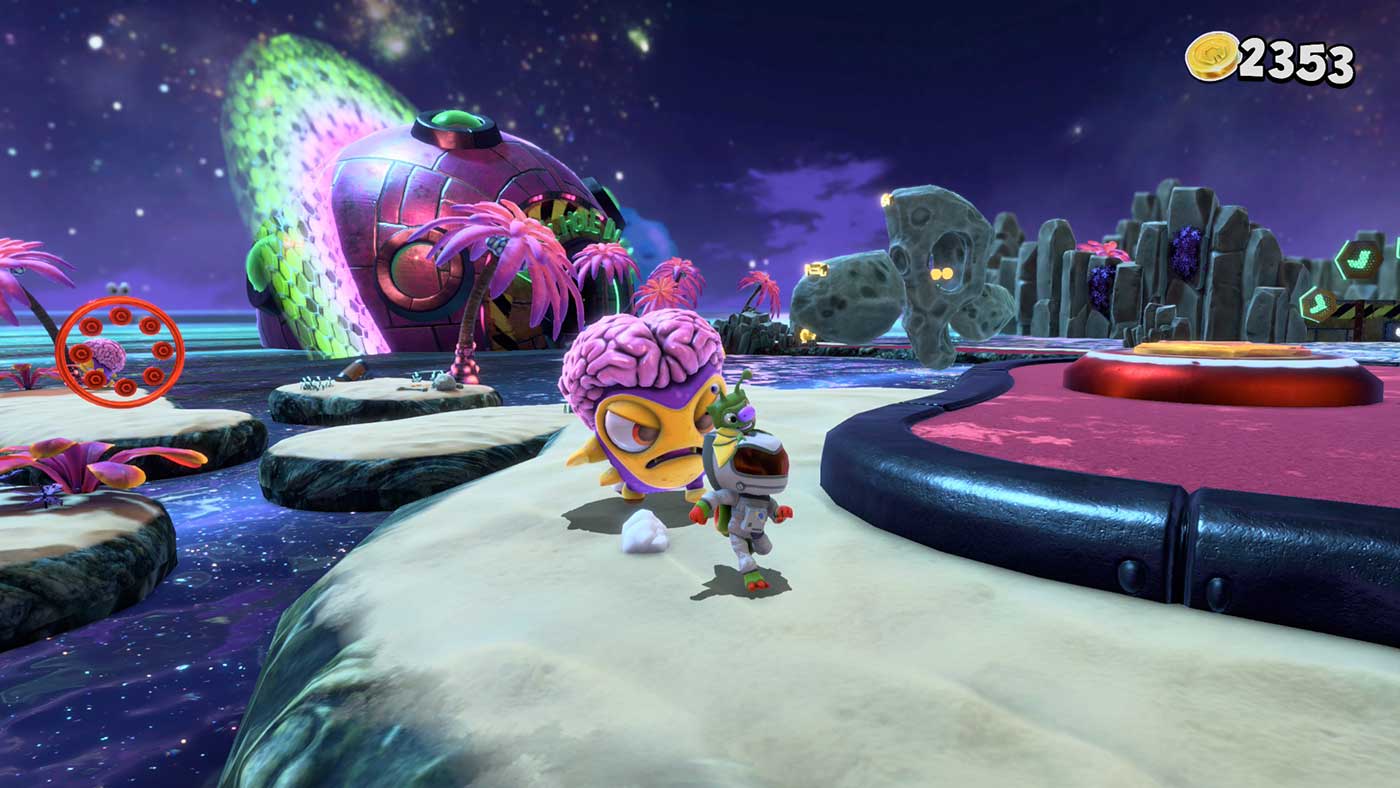
The first, and perhaps most dramatic change, is the way abilities are doled out to Yooka and Laylee. At the outset, all abilities are unlocked for the duo, with a short tutorial at the beginning introducing you to all of them. On the one hand, this can be overwhelming at times as your adventure begins and you forget about the abilities available to you. On the other hand, it does mean that Yooka-Replaylee remedies the most annoying aspect about its predecessor and Banjo-Toole – there’s no more excessive backtracking between levels. This does mean you can get through the game much quicker than previously, but it removes a lot of the tedium that plagued the original game and improves the pacing quite dramatically
The other major change is that each world begins already expanded, whereas the original game required you to complete some of each level before returning to expand it. Replaylee throws it all at you at once. To compensate for this, every world has been slightly rejigged in terms of the activities and density, and there is something to do along any path you choose to take through the game’s five worlds. It feels like a gamble, but it ultimately pays off, as the density of things to do in each of Replaylee’s worlds channels the best bits of Banjo-Kazooie.
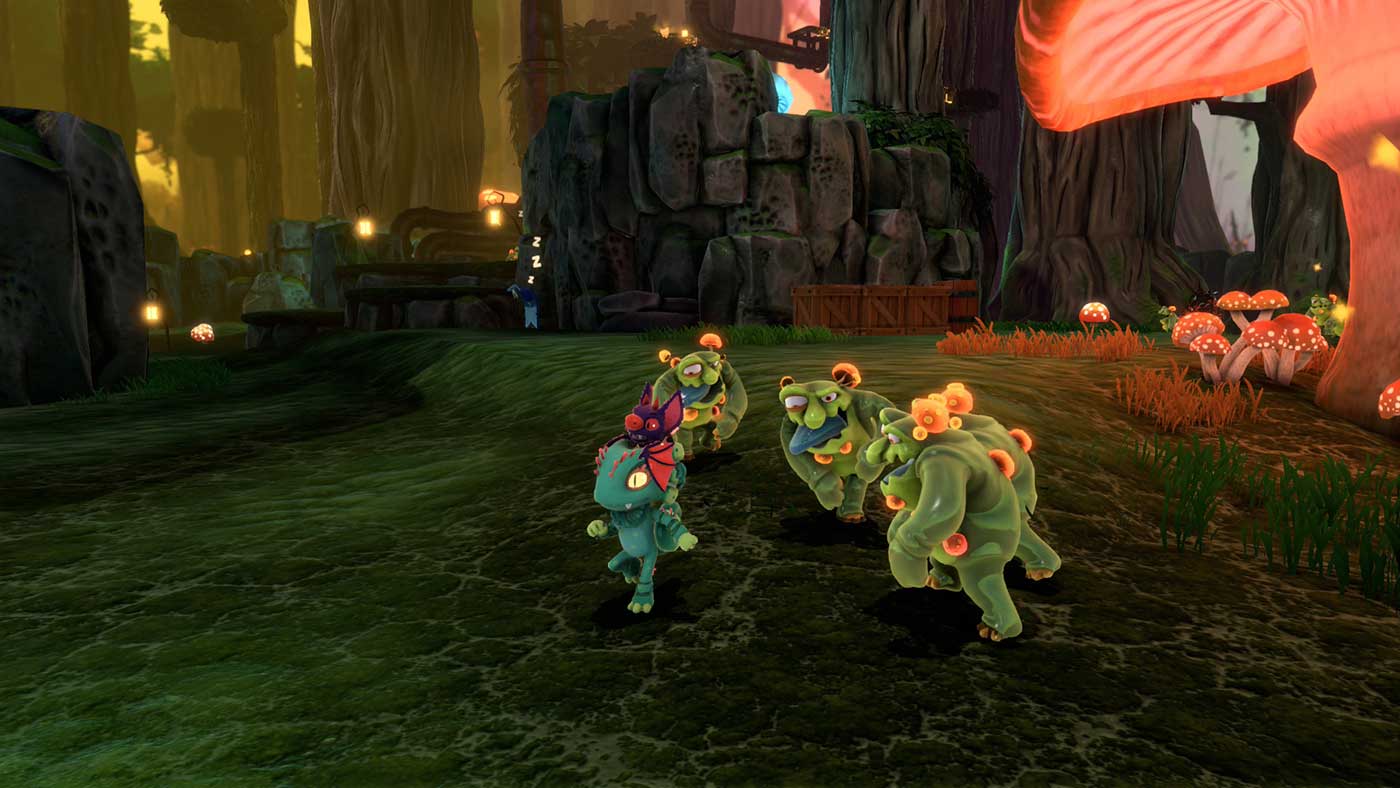
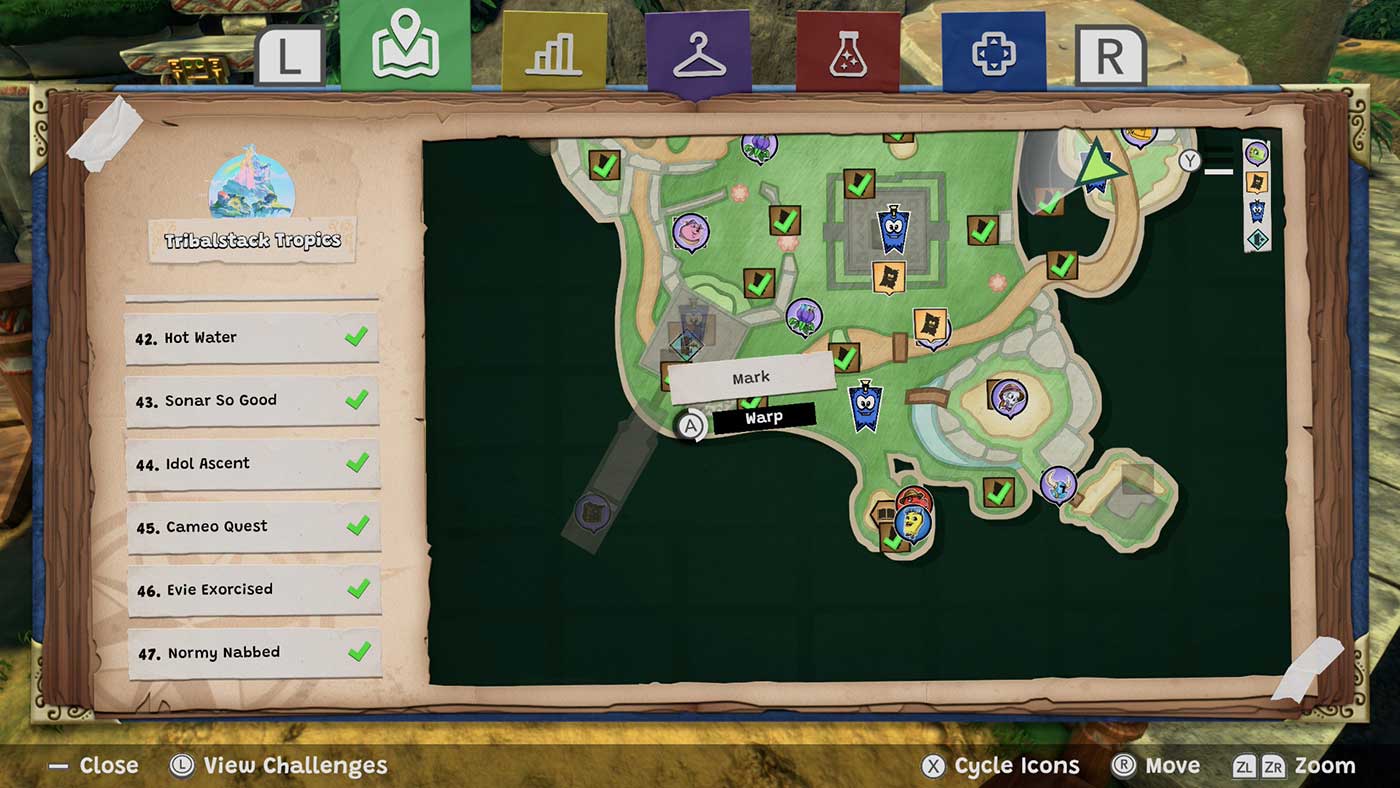
These changes are some of the ways that Replaylee aligns itself more closely with Banjo-Kazooie rather than Tooie, and becomes a much better collect-a-thon platformer as a result. But Replaylee isn’t afraid to let modern design sensibility creep into its wacky and colourful tale. For one, every level now has a map and a new character named Mark, who is a bookmark who can fast-travel you around each level when you find him. It’s a more straightforward way to get around the world that alleviates some of the tedium when you’re looking for your last Pagie or Quill. It might sound blasphemous to put a map in a game like this, but it is a small change that has a significant impact.
THE CHEAPEST PRICE: $79 WITH FREE SHIPPING FROM AMAZON
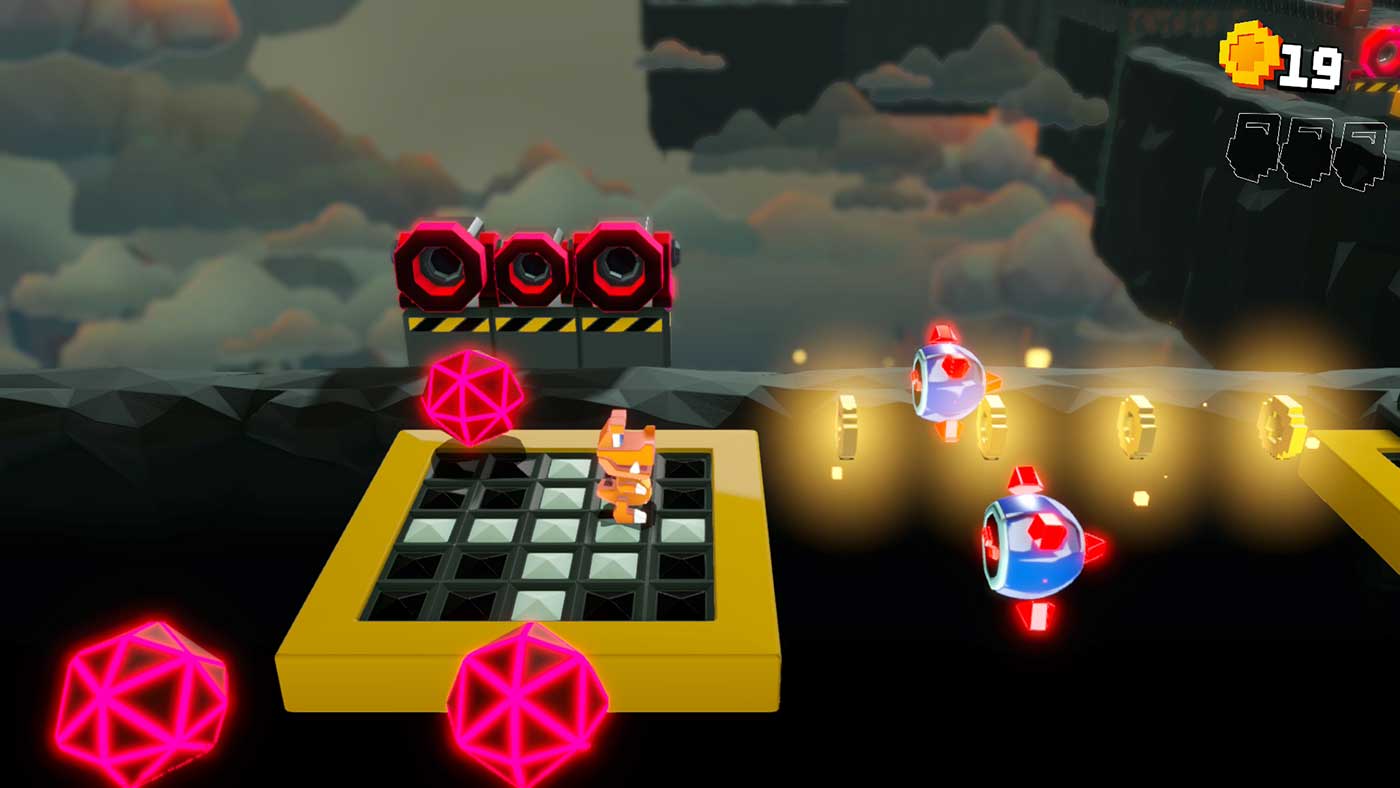
That being said, it’s not all perfect. In an attempt to remedy the tedium of the Rextro arcade games in the original, Playtonic has replaced them entirely with slightly smaller vignettes where you play as Rextro himself. In these sections, Rextro must navigate a level in an isometric platformer segment. He can’t jump and must use his mouth to latch on to certain areas. While I appreciate the need to gut these moments from the original game, the new replacements, although much better considered, aren’t significantly improved.
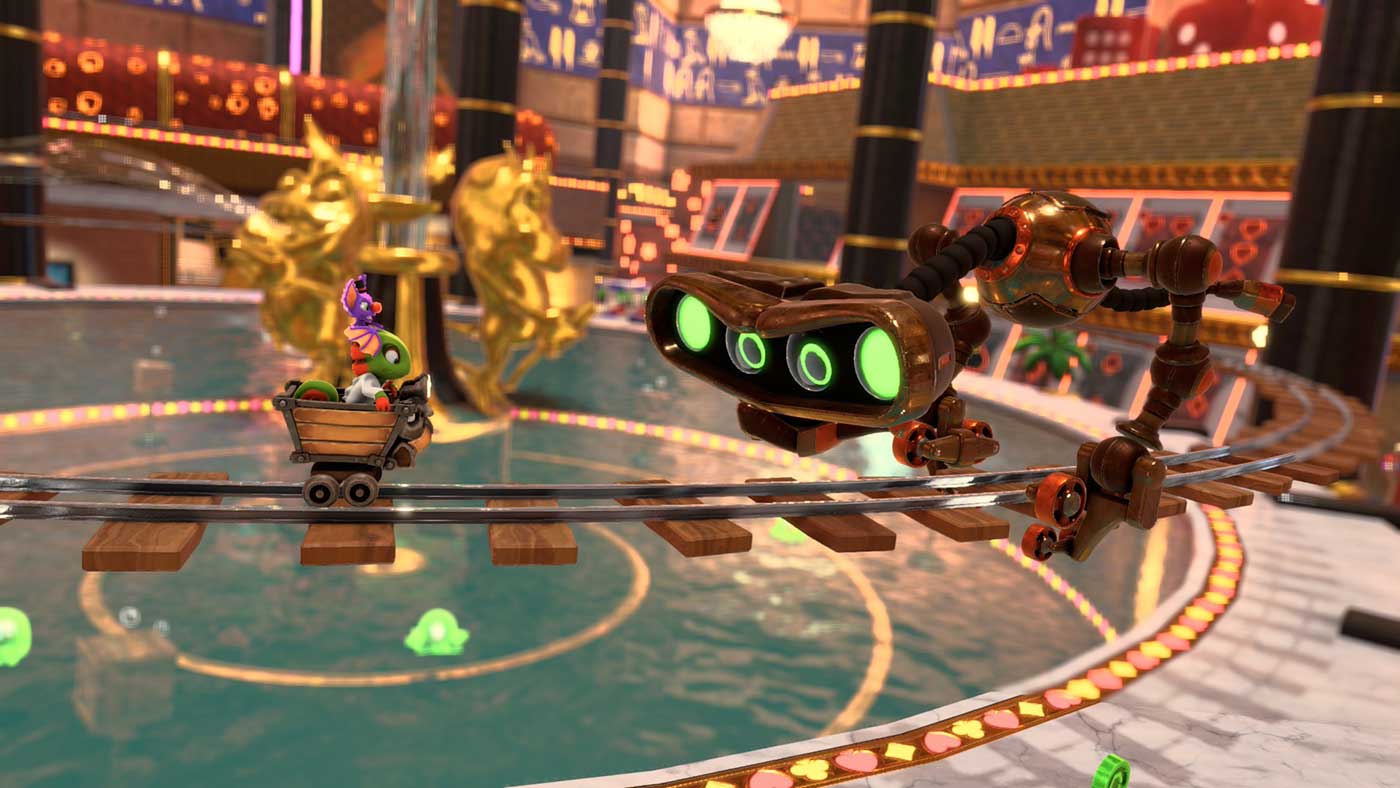
On top of that, the boss battles, while sparse, are appreciated but unfortunately aren’t memorable. It’s hard to comment on how they were presented in the original game, which may support my claims regarding their presentation here. They don’t stand up to the many more memorable bosses that I have fond memories fighting in Banjo, Conker and even Donkey Kong 64. Still, many smaller studios often eschew these flashy encounter set pieces due to a fear of not being able to make them work, so their inclusion is still appreciated.
When you’re done with Yooka-Replaylee, you’ll take anywhere between ten and twelve hours to finish all five of the worlds. The variety of the worlds are great, but I can’t help but feel that I wanted to see more of them. They cleverly combine the theme and vibes of other tried-and-true tropes of the genre – Moodymaze Marsh feels like a clever combination of Bubblegloop Swamp and Mad Monster Mansion. But Replaylee is at its best when it’s trying something new, like Cashpital Casino, and unfortunately, there’s not a lot of worlds here that try something truly new.
From a presentation standpoint, Yooka-Replaylee inarguably looks better than Yooka-Laylee. Even playing on the Nintendo Switch 2, which is a lower resolution than other platforms, the density and artistic direction help make this game pop so much more than its predecessor. On the Switch 2, the game is locked to thirty frames per second, which I personally didn’t mind, but including an option for performance might’ve been appreciated. While the game does look notably low-res when numerous effects are flying around on screen, overall, the framerate is consistent and solid, playing more than competently on the Switch 2.
And, of course, the soundtrack in Replaylee has been reworked by an orchestra. These new arrangements of Grant Kirkhope and David Wise’s original score possess depth and character that extend well beyond what was presented in the original Yooka-Laylee. If you close your eyes and listen to the mood this soundtrack imparts, it’s hard not to be transported instantly to the times of your life when you were enjoying Banjo-Kazooie on your Nintendo 64.
So, while there are some glaring issues with the boss design and the brand new version of Rextro, Yooka-Replaylee is a largely successful gamble. It removes just the right amount of friction from the original Yooka-Laylee, bringing the pacing and design more in line with Banjo-Kazooie. The result is a remaster that feels more like a remake and the true successor to Banjo-Kazooie that Yooka-Laylee promised to be so many years ago.