



Press Start may receive a commission when you buy from links on our site at no extra cost to you.
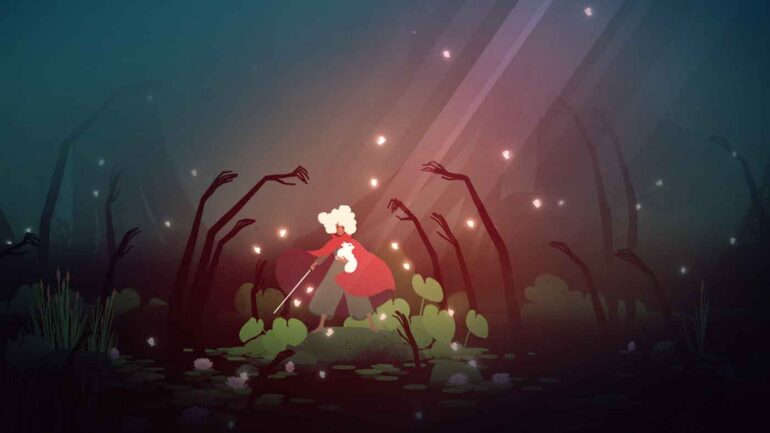
As someone who has such reverence for Neva, along with Nomada Studios as a whole, the reveal of a prologue expansion came as such a welcome and most wonderful surprise. The heartrending tale of Alba and the titular wolf cub was affecting, provocative, and proof, through the watercolour wonders of Conrad Roset, that video games are undoubtedly art.
Neva’s original story, which chronicles nature’s cyclical self-destructive rebirth, as well as its cold disregard for anything we, the human race, would perceive as fair or rational, felt so perfectly bookended from a thematic perspective that I entered this prequel act with a little trepidation that it might unintentionally undo part of the game’s emotional gut punch. This prologue tells the story of Alba and Neva’s first chance meeting and how Alba earned the lone wolf cub’s trust through a series of daring rescues. It’s certainly nice to see the beginnings of the pair’s bond, though I debate whether it truly adds anything to Neva’s overall message.
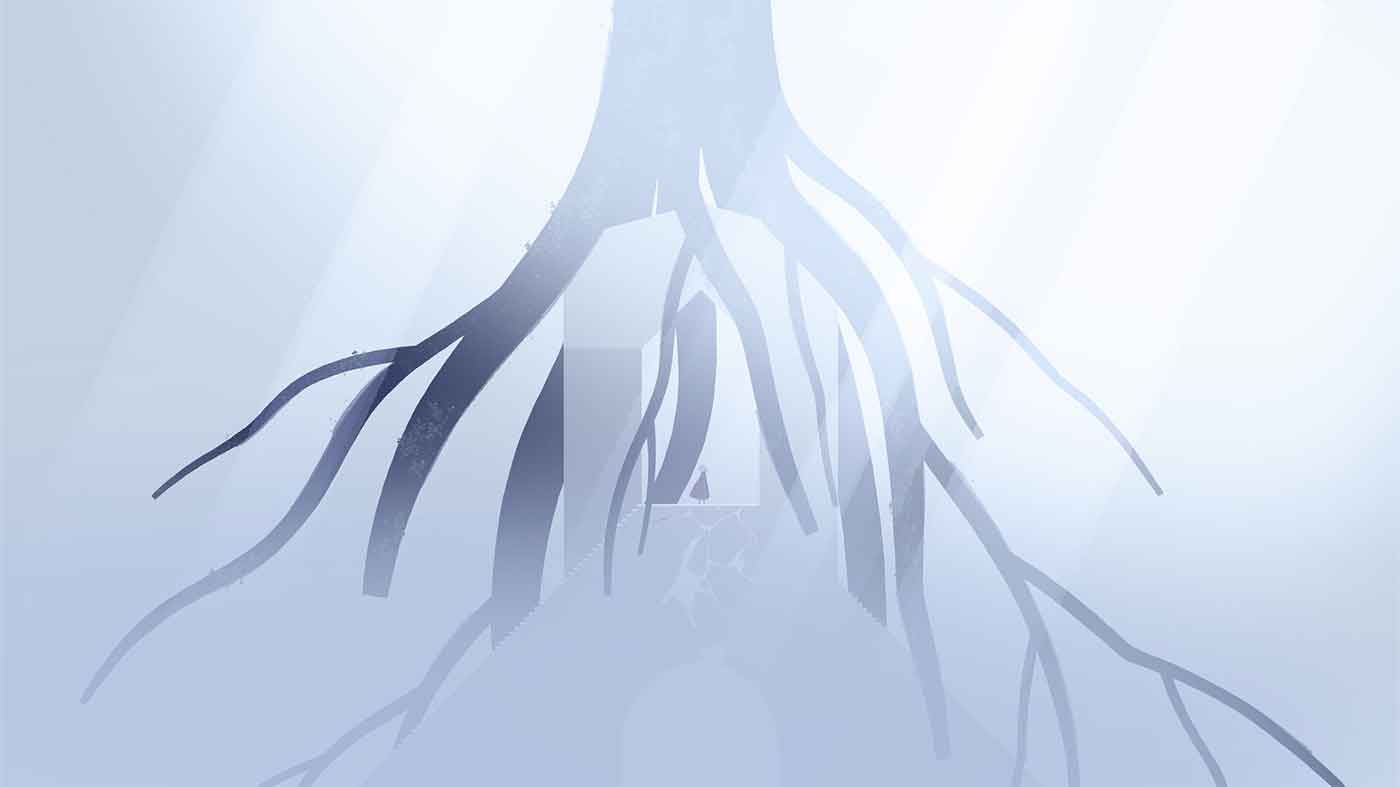
Unnecessary as it may be in the grand scheme of things, I enjoyed Neva’s prologue for what it is, which is another joyous hour of one of my favourite experiential video games. For only a few bucks, the short expansion does more than enough to justify its existence. Despite being a prequel, its impact is felt most knowing what comes after, but it is playable without having beaten the main game if that’s your choice.
As it’s set before Neva itself, the titular wolf cub doesn’t feature from a gameplay perspective. She’s the goal, the object of Alba’s selfless, curious pursuit. So, clearly, the clashing crescendo of mechanics Neva’s late game climaxed with, where the matured wolf would enter the fray, is nowhere to be found here. This prologue is very much “the Alba show.”
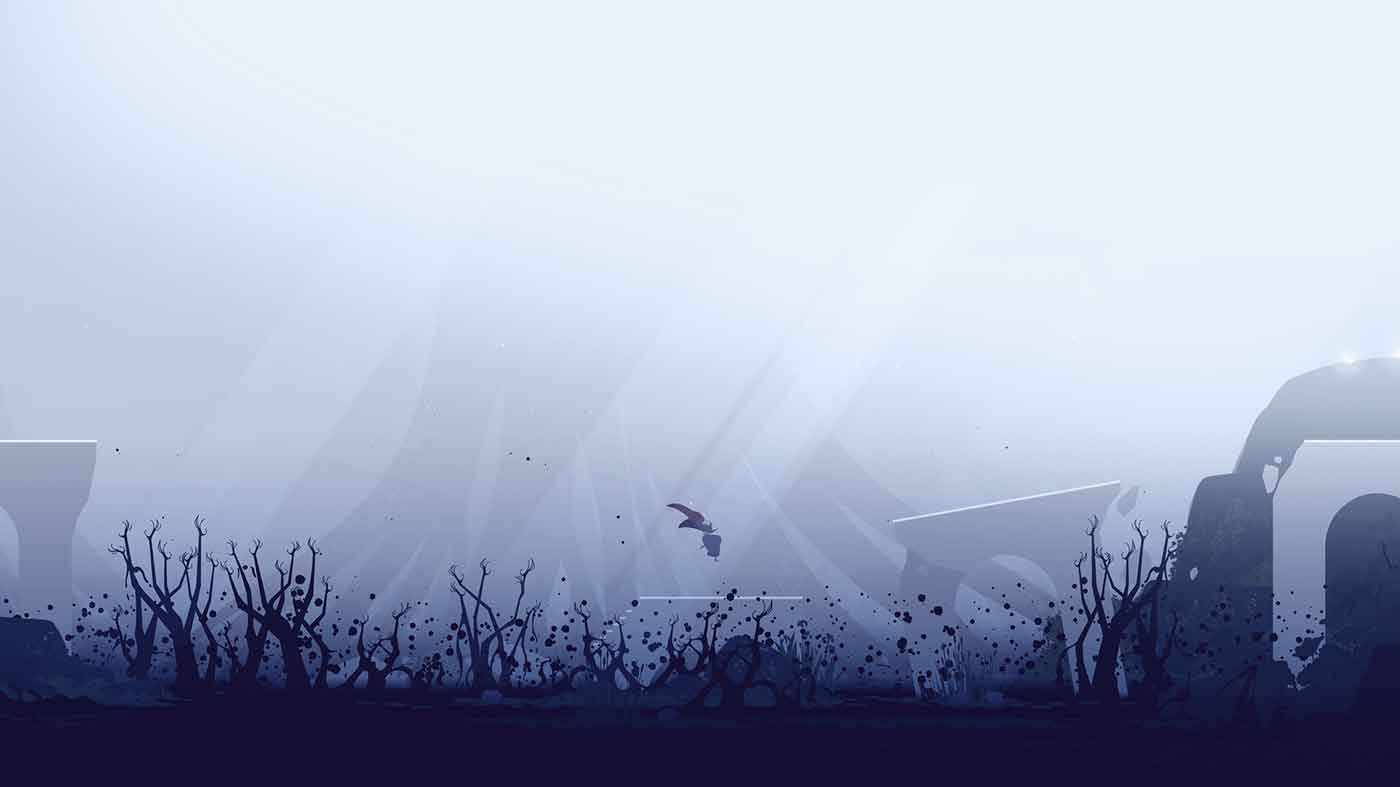
Knowing this, I think the pacing and balance between explorative platforming and combat is weighted to where it needed to be, towards the former. Prologue takes advantage of Conrad Roset’s stunning vision and painterly artwork to deliver a series of new landscapes that bleed effortlessly into each other, introducing new puzzle mechanics as it moves along.
Click here to read the original review for Neva.
As it often did throughout the main game, the design choices here upended my expectations more than once in its modest runtime. I particularly enjoyed the latter stage’s use of light and how it evolved from its tense game of cat and mouse to an unexpectedly novel fight where, instead of their dark, shadowy selves, the plagued creatures appeared only during the fleeting seconds of light.

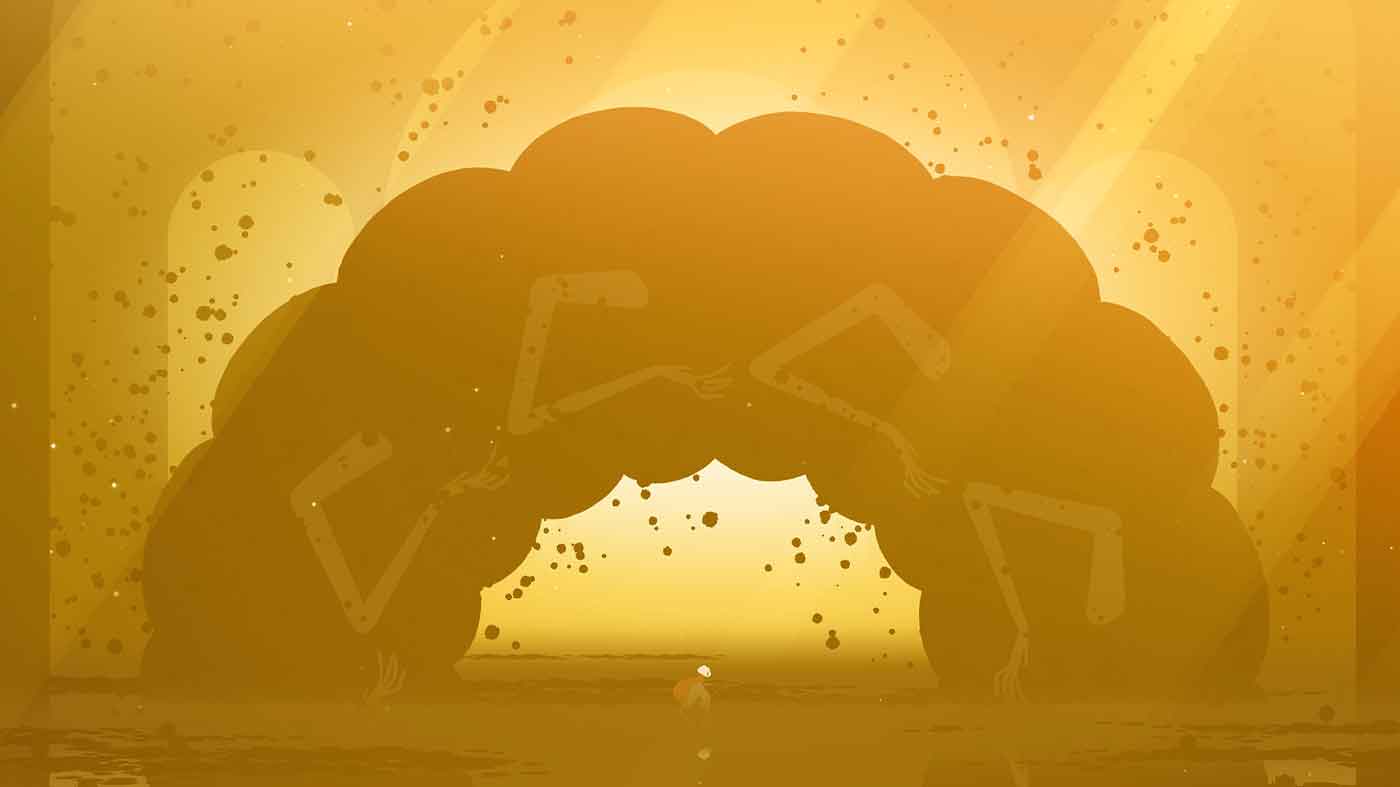
Of course, Neva’s prologue did re-run some of the classics, too. The big boss of the act runs through the well-worn beats; a desperate chase marking its first appearance, with a titanic boss encounter signalling its last. It did its job as a menacing presence throughout the middle-to-last chapters, though it felt like a relatively safe, uncharacteristically tame choice from the team, whose boss designs from the main game were so often spectacular.
At the end of the day, more Neva is never a bad thing. It does kind of fall into some of the usual pitfalls found with prequels in that it struggles to meaningfully build out its lore, and it takes the player, as Alba, back to a time where she’s not at her most powerful; although I believe the game smartly favoured the quieter, more exploration-heavy platforming to not amplify this minor issue.
If you, as I did, adored Neva for its beautiful art, music, and all of the breathtaking moments where the game would transition from one playable painting to another, then this prologue will be worth your time. It’s another hour of feeling those unforgettable feelings of awe, melancholy, and wanderlust that have fast become synonymous with the art of Conrad Roset, the very talented team at Nomada, and, of course, Berlinist, whose score is the ribbon that ties everything together.