


There’s a very particular kind of panic that only Civilization players will understand. You bung on a campaign at 9 PM thinking you’ll “just test one mechanic”, then suddenly it’s 2 AM, Gandhi is talking trash, and you’re emotionally invested in a fictional empire that absolutely should not have survived the Medieval Age.
That emotional attachment sits at the centre of Civilization VII’s biggest debate so far. Firaxis’ decision to let players evolve through different civilizations across Ages was bold, experimental, and for some longtime fans, borderline heresy. Test of Time, the game’s major new update,
feels like Firaxis acknowledging that tension without fully abandoning the original vision.
After spending hours with the update ahead of launch, it’s hard not to see it as Civ VII’s “have your cake and conquer with it too” patch. Time-Tested civilizations allow players to stick with a single civ across the entire campaign, while the broader update also reshapes progression systems, advisors, and overall flexibility in ways that make Civ VII feel noticeably more sandbox-driven than before.
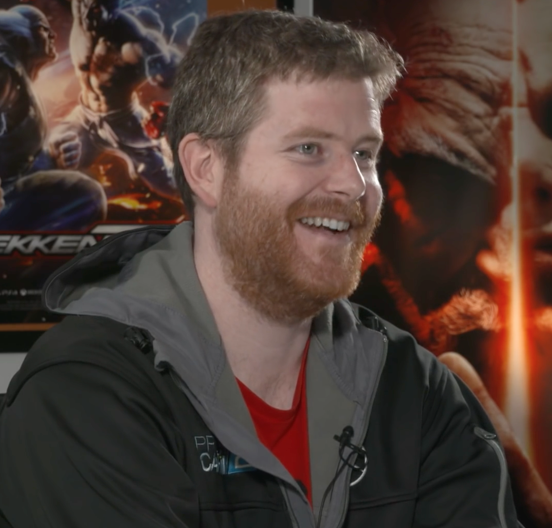
I recently sat crooked and talked straight with Ed Beach, Creative Director on Sid Meier’s Civilization VII, about fan feedback, Humankind comparisons, telemetry-driven design, and why Australia still very much exists on Firaxis’ wishlist.
Was Time-Tested always part of the long-term plan, or was it created directly in response to player backlash?
Ed Beach: “It was definitely something that we didn’t have in the original schedule, but we knew that part of launching a big game like this with a lot of changes meant we were going to have to be flexible about how we responded.
There was no specific plan exactly for what we needed to do after launch, but we knew we were going to have to be responsive to the fans. Once we got three or four months in after release, we were seeing there was a cohort who had probably been left behind by the changes in Civ VII and really still wanted to continue playing as one civilization.
We also started to see the momentum that the best thing for us to do would be to expand the game to include those people, alongside doing a lot of other work in a big update that would make the people who did like Civ VII happy as well.”
How difficult was it balancing Time-Tested civs against civ-switching players without making one approach objectively stronger?
Ed Beach: “We looked at that quite a bit. As you probably know, we’ve just concluded a big initiative we’ve been calling the Firaxis Feature Workshop, where we brought in thousands of Civ VII players and got them to test it alongside the dev team.
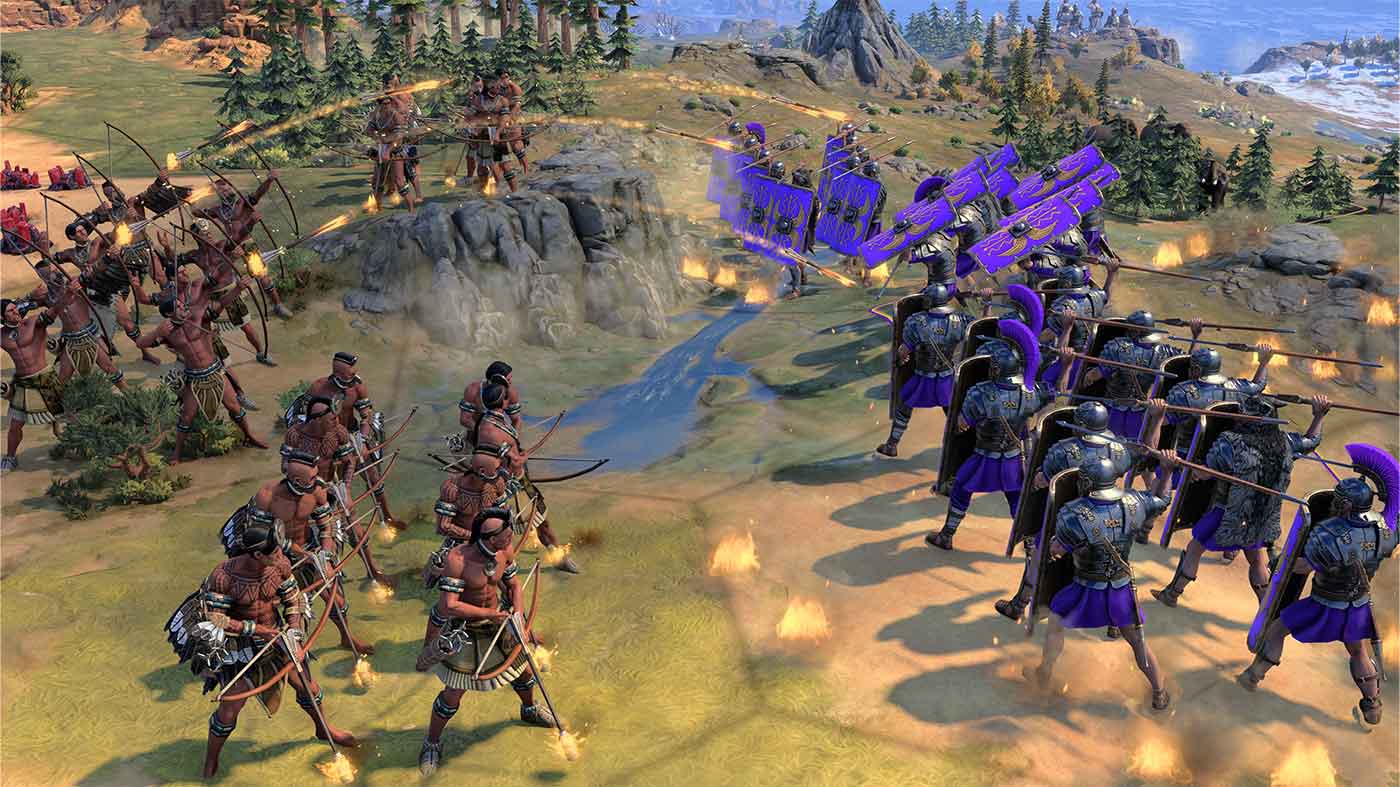
In the very first round of that workshop, we got feedback that those Time-Tested civs might even be too strong because they were feeling at least as strong as a civ at the apex of its power. We didn’t want them to be quite that strong.
We wanted you to have an advantage by staying with the same civ, where your build and your attributes are very similar throughout the game, but it didn’t seem right for you in your non-Apex Age to be quite as strong as you are at the height of your power.
So we dialled it back, and luckily, we had two more rounds of the workshop to fine-tune everything.
In that first round, there were only three civs we were offering for people to play as, so that helped us. We didn’t have to do a lot of rebalance work across the whole catalogue of civs. We figured out the power level we needed to shoot for and then, as we brought the other 40 civs
online, we could adjust them and get them at the right level.”
Do you see Civilization VII now as one definitive ruleset, or as a strategy sandbox players can customise around different philosophies?
Ed Beach: “I think more the latter. The framework is the same. We didn’t have to change the framework of the game, so people who like the game the way it was and like the civ-switching have the same pathway through the game that they’ve always had.
But that framework was strong enough to support this whole new way of playing, where you stay as one civilization throughout the game and double down on its bonuses, or pull in some side bonuses through our syncretism option from other civilizations who are at their apex that you can learn things.
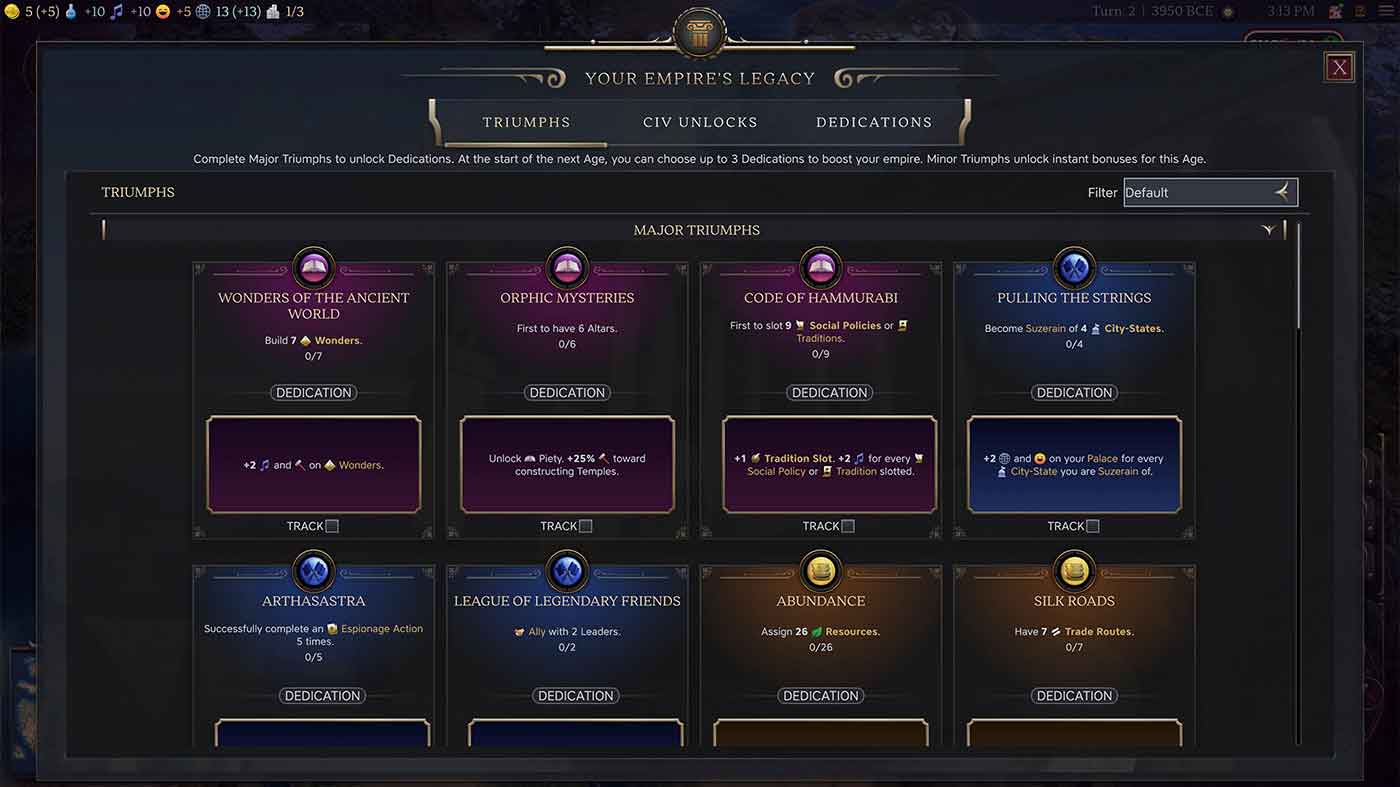
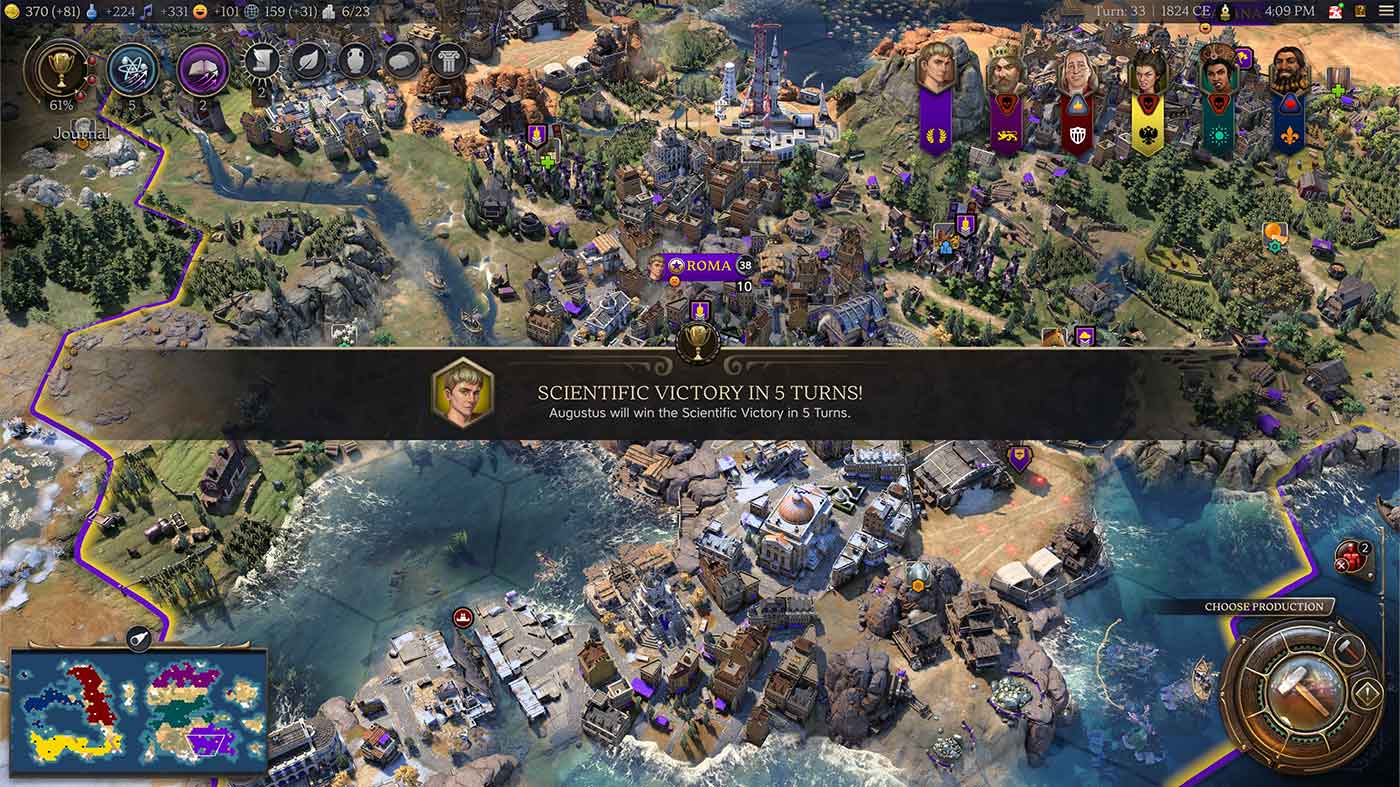
Either of those ways through the game is equally viable and probably very close in power level. The number of pathways through the game has expanded dramatically, and that’s why I’d vote for it being more of a sandbox experience than it was before. The Triumph system also pushes things further in that direction. We moved away from the Legacy Paths that were in the game at launch, which tended to channel you down four different possible pathways in each Age.
Now with Triumphs, there are around 30 different options you can pursue. It’s much more open-ended. You get into a game, look at the map, look at your opponents, and it’s unlikely you’ll pick the exact same Triumphs in two consecutive games.”
Was there internal concern that the original Age transitions weakened emotional attachment to empires?
Ed Beach: “I think there are two sides to that thought process.
We absolutely heard exactly what you said from plenty of fans. There were people who chose their civ at the start of the game and, by God, that was the experience they wanted to have. They wanted to see those people through all of history, come hell or high water.
But I’m also somebody who’s a big fan of history. I love travelling to Europe, and one of my favourite things there is how many layers of history are embedded into anywhere you visit. You can go to Britain and see Roman ruins, then the Tower of London, built by the Normans, and then see what the British Empire became.
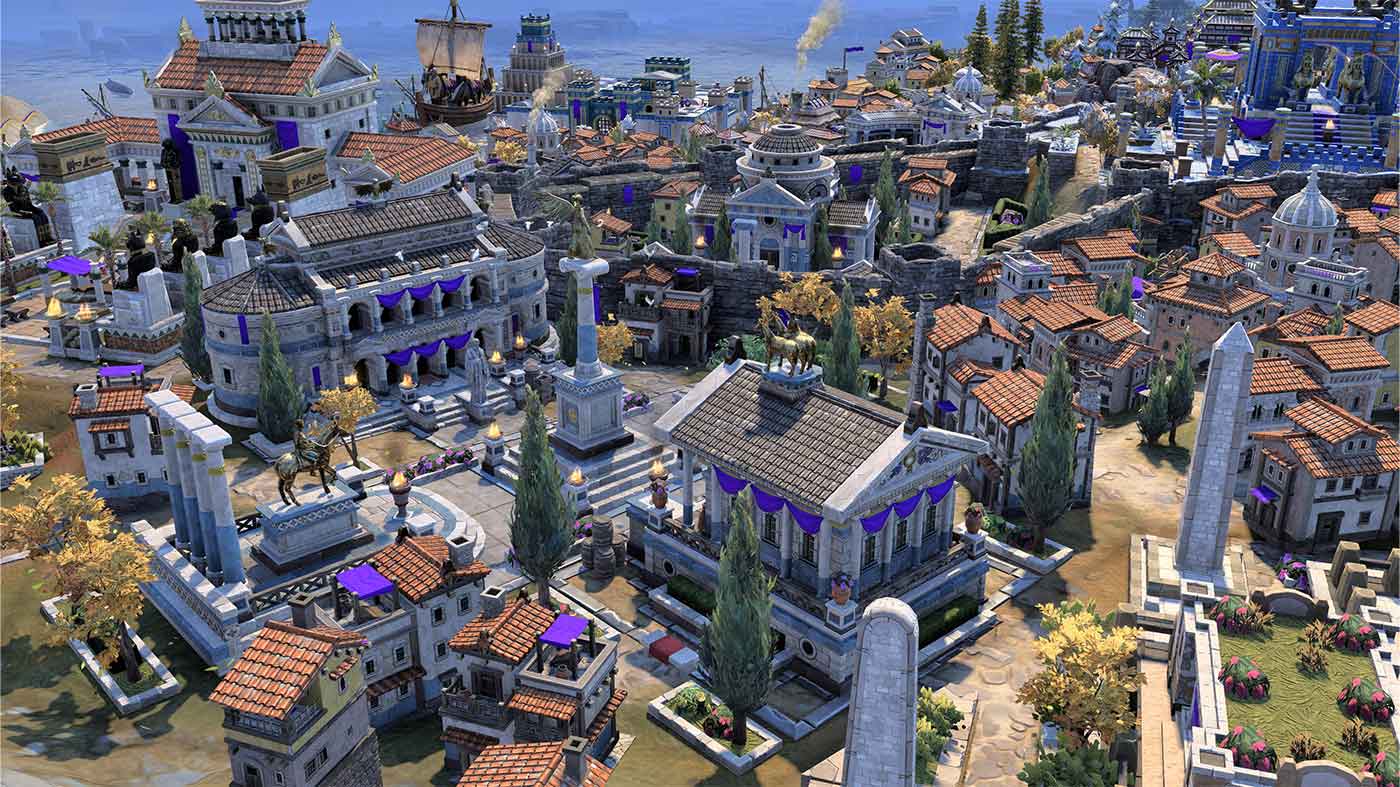
To me, it was actually more immersive to play through history in that fashion than it was in previous games, where Britain starts at 4000 BC, long before the British Empire was ever really a thing. I didn’t feel like I had much identity in terms of who I was at that point in the game.
What we really learned is that both viewpoints are equally valid. If we can set the game up to cater to both those types of players and both those mindsets in equally good fashion, then that gets us to the best place.”
[At this point, I mention to Ed that, as an Aussie, travelling overseas can feel like stepping into a completely different relationship with history altogether.
Excuse the local terminology, I say, but we’ve got bugger all history here, compared.
Beach laughs.]
“I think us Americans are more in your camp,” he says. “I don’t feel like we have a very deep history around here either [also compared].”
How much did games like Humankind influence Civilization VII’s civilisation evolution systems?
Ed Beach: “We actually started on Civ VII prior to the pandemic. We were deep in the Civ VI lifecycle, but not at the end of it. We started before either the New Frontier Pass or the Leader Pass had come out.
One of the first principles I came up with was that we were going to model the game on the thought that history comes in layers and that civ-switching was going to be a possibility. I was actually getting on a plane to go out to our publisher and make a pitch where this was the main selling point, and I found out about what Humankind was doing right before I took off on that flight.
It was an awkward moment. I had to think, “Do we keep this pitch? Do we double down on it? Or do we pivot?”
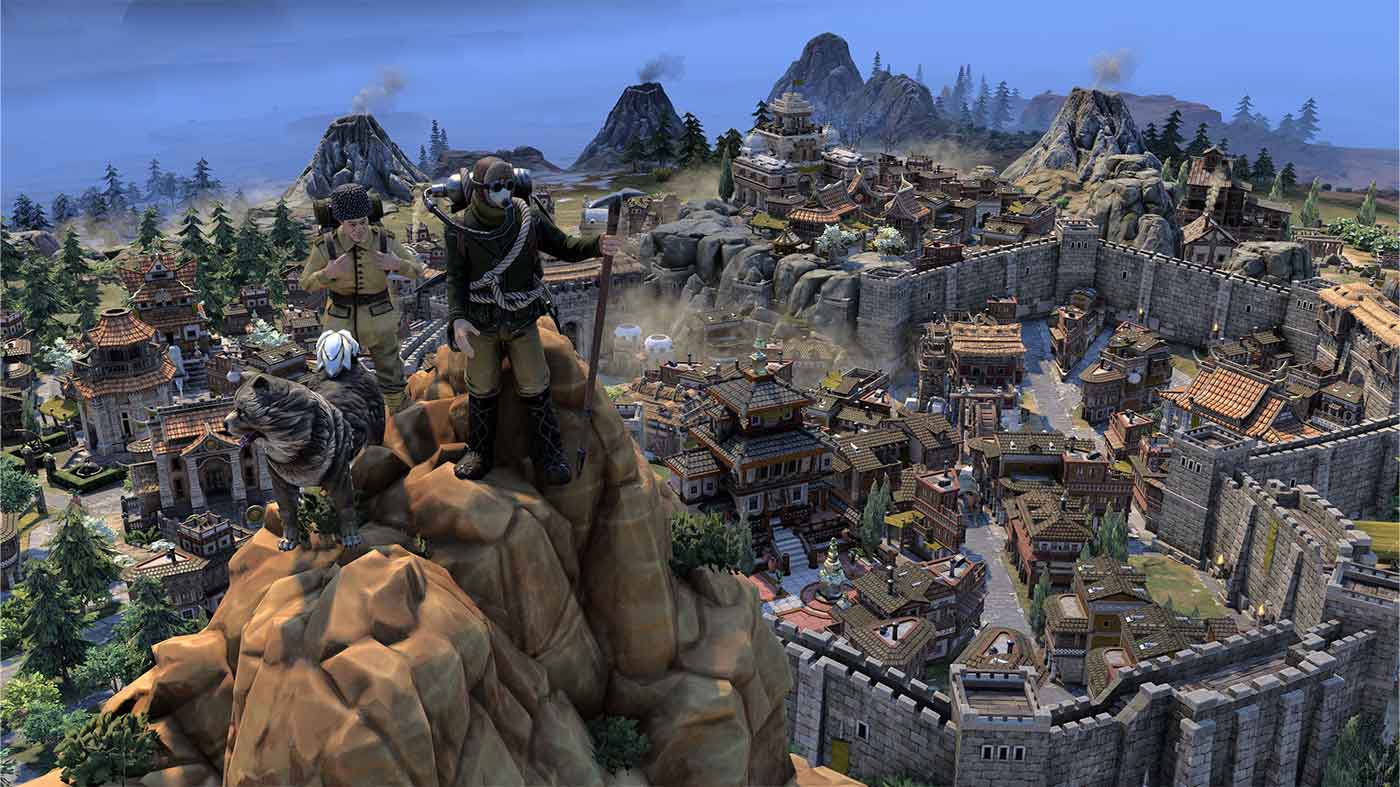
But we really believed this was a fresh take on the Civilization experience that was going to be good for the game in a lot of ways. The pacing and the ability to keep things in check so one player doesn’t snowball too far ahead are improved with the new system. A lot of people have thought we just took inspiration from Humankind and cloned their ideas, but I think we came up with a very different approach to the way the civ-switching occurs.
We were looking for historical trends where there were breaks in history where empires were facing challenges and had to reformulate themselves. That’s when we decided our Ages should switch. Their approach is more based around each person switching at their own time. If you look at it, there was obviously a core spark of inspiration that was similar, but we came up with different approaches in parallel.”
The new Advisor framing feels much more like selecting a strategic doctrine than simply choosing a victory condition. Was that intentional?
Ed Beach: “Yeah. As soon as we pulled the Legacy Paths out of the game, they had been structural supports for the old advisor system.
Previously, advisors were trying to get you from one milestone on those Legacy Paths to another. That was helpful for teaching the game to new players, but we found experienced players wouldn’t break away from the advisers and start playing in a more open-ended fashion.
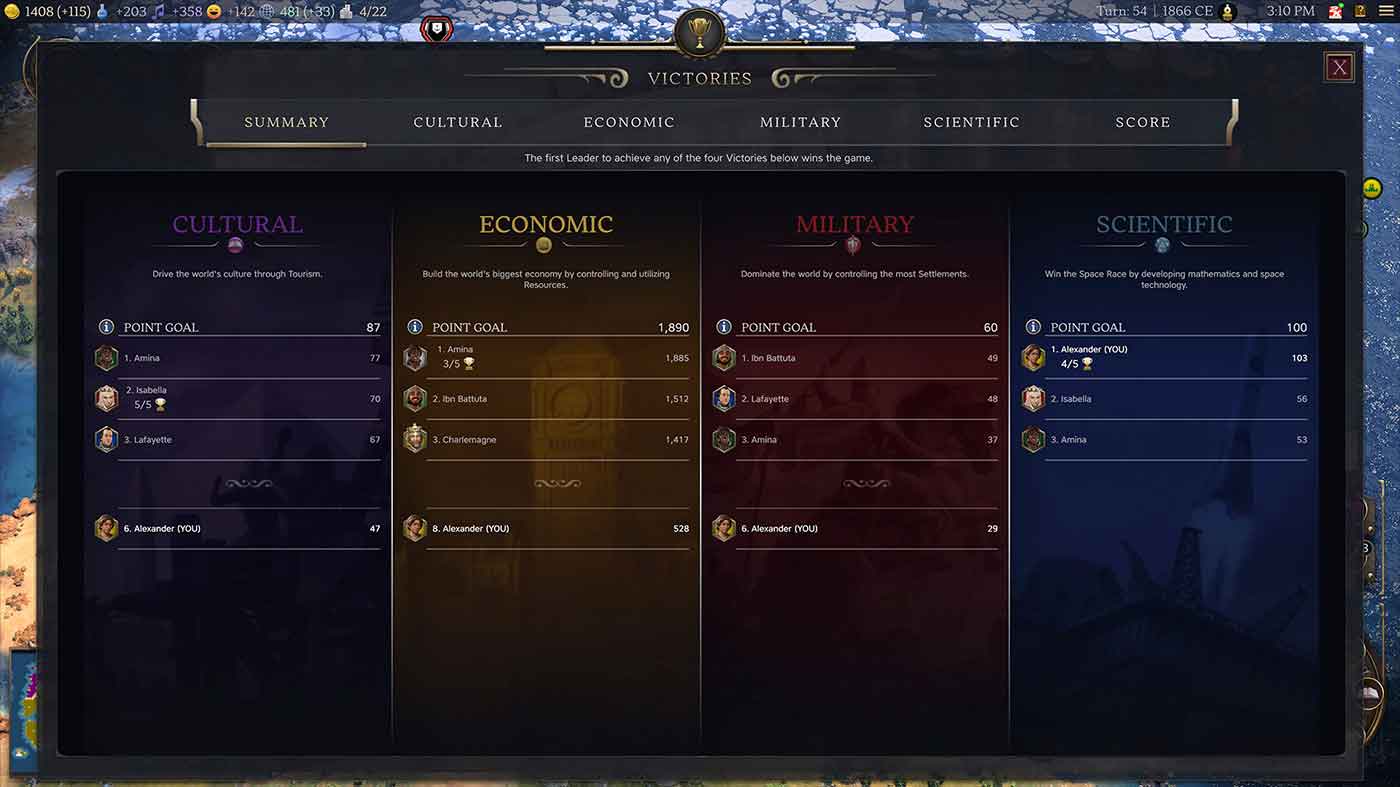
We got a lot of complaints about the game being too on-rails, and we thought the presentation was too heavy-handed in trying to encourage players to follow that advice very strictly. What we wanted instead was for advisers to be a support system without dictating what your next step should be.
Now you can pick an adviser to follow, and they’ll keep returning with advice around scientific or cultural playstyles, but if you feel like you’re falling behind somewhere else, there’s also a new Advisor Council screen where you can get that information as needed. I think the level of support is actually better now, even though it’s more open-ended and lets the player choose their own path.”
How much of the Test of Time update was informed by telemetry and data versus community discussion?
Ed Beach: “That’s a great question. We have more telemetry and data with Civ VII than we’ve ever had before. We have a bigger data team helping us analyse things, and we’ve even been able to mine reviews being left on forums and across the internet to identify significant trends.
So it’s more informed than any other update we’ve ever had.
As we went through the workshop process, we were collecting data there so we could do balancing work on the civilizations and Triumphs based on exactly what was happening with players, whether they were finding things too easy or too hard. It’s been super helpful, but I don’t think relying entirely on telemetry is the right overall strategy. You still need basic instincts as a game designer.
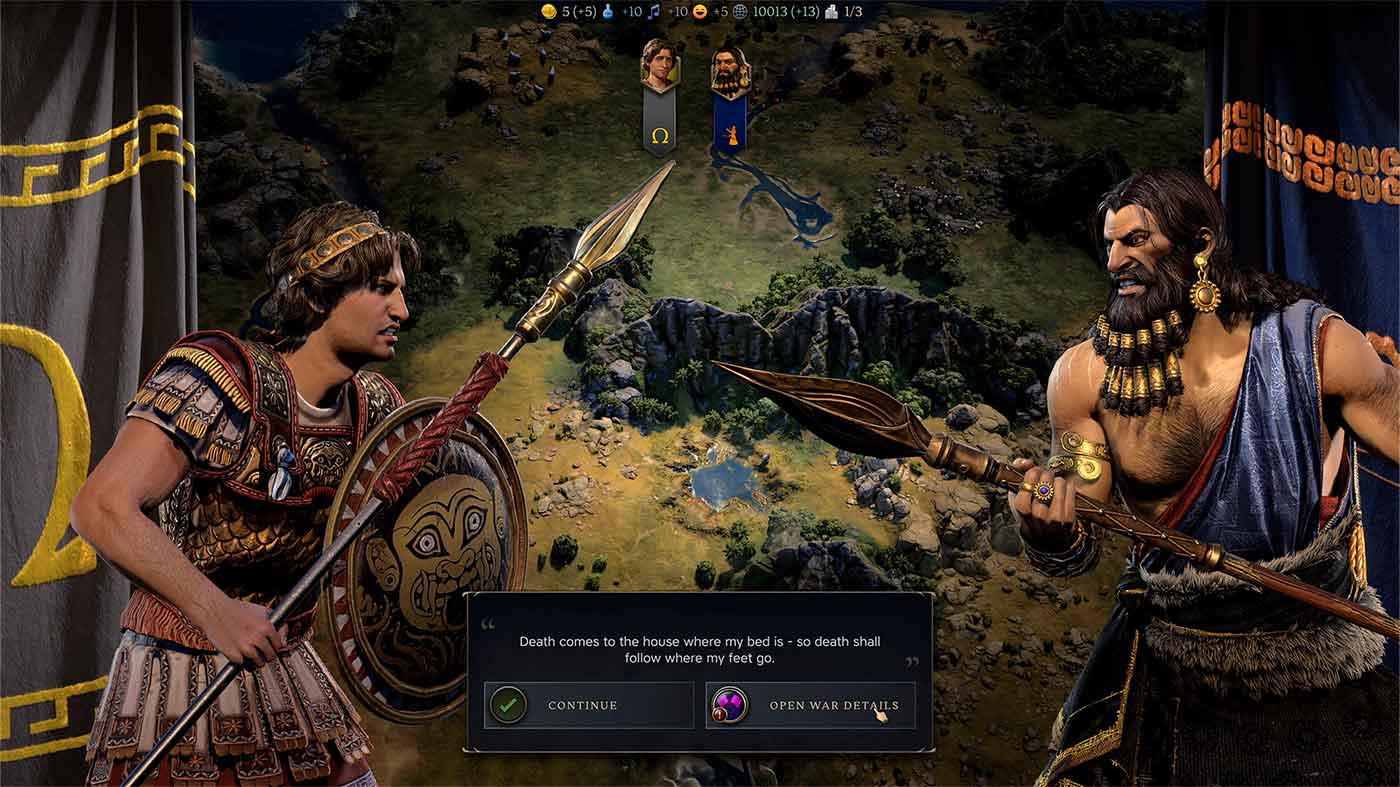
What was really critical here was that our team found a way to refresh the game and bring in these new Time-Tested civs without structurally changing the game itself. Now it sits side by side with the old way of playing. You can have some players switching civs and others sticking with the same one throughout the game, all within the same campaign very seamlessly.
None of the players were really telling us exactly how they wanted to stay as one civ, so it was important for us to come up with our own solution that worked within the game we’d already created.”
Before we say our goodbyes, Beach leaves Australian Civ fans with one final little tease.
“Quick bit of trivia: Back on Civ VI, I did a lot of the design work to bring Australia into the game,” he tells me. “I was the lead designer for the Outback Tycoon scenario, so I absolutely loved researching Australia and deep-diving into its history.”
“[I have] no announcements about when Australia might make it to Civ VII, but it’s always a culture and civilization that we have on our list for strong consideration.”
Dear somebody at 2K Games, do provide whatever funding or rubber stamps that are needed to greenlight the above. Don’t make us send the emus again.