


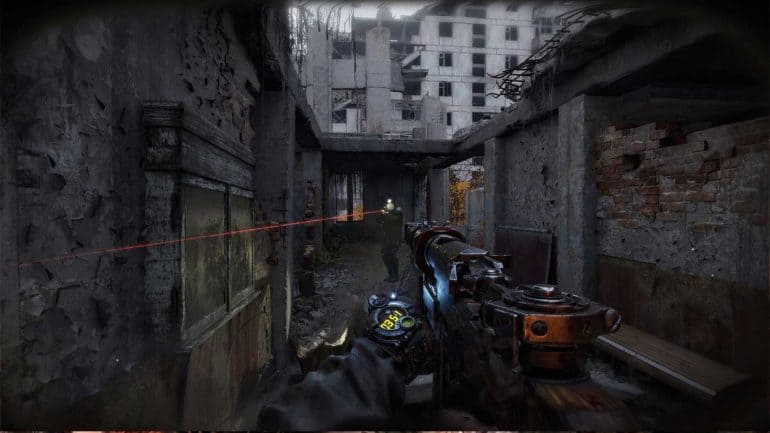

After a disappointing experience with Metro Exodus, the third game in the series inspired by the literary works of Dmitry Glukhovsky, I couldn’t help but feel that trading Moscow in for a bigger, more hopeful Russian expanse betrayed the very essence that made the first two titles classics in the survival-action genre, and I wondered whether we’d get back to the spirit of Metro.
If the couple of hours I spent with Metro 2039 is any indicator, the heart of the underground is beating stronger than ever, even as Artyom and Anna chug along aboard the Aurora, searching for that brand new world beyond the metro’s reach. Metro has never been a franchise about unbridled optimism, and this chapter is shaping up to be its darkest yet. Set six years after Exodus, Artyom and his Spartans are gone, and in their place, annexing power and wielding propaganda to spread their message is the Novoreich, led by Hunter, a former Ranger that long-time Metro fans will certainly remember. Unlike previous games, where revolution felt central to all things, Metro 2039’s narrative focuses on the cause and consequences of authoritarian rule, inspired in large part by the Ukrainian team’s real lives.
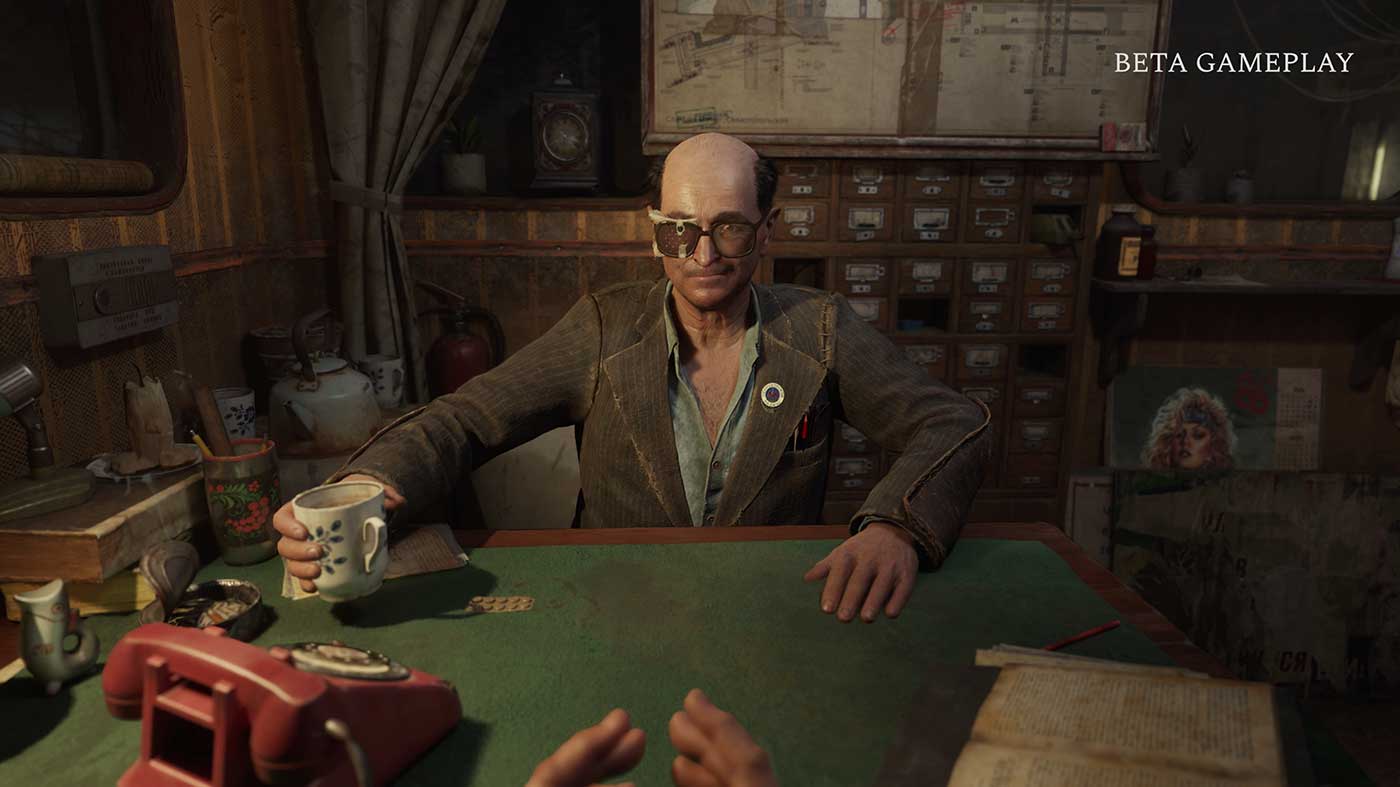
Replacing the strong, silent hero of the original trilogy is The Stranger, the franchise’s first fully voiced protagonist, a reclusive former Ranger returning to the hell of Moscow’s tunnels to challenge Führer Hunter. Quite deliberately, our hands-on didn’t show a lot of the game’s overarching narrative; The Stranger’s motives remain a mystery, the role the returning Dark Ones might play is uncertain, and I’m still able to engage in the tinfoil hat fan theories online about the nature of this sequel’s story. It did give a great sense of the game loop, structure, and how the team has improved upon Exodus in creating open areas worth exploring, thanks in large part to the so-called “frozen stories” found throughout—artefacts with a human touch that serve as a sad reminder of the impermanence of man.
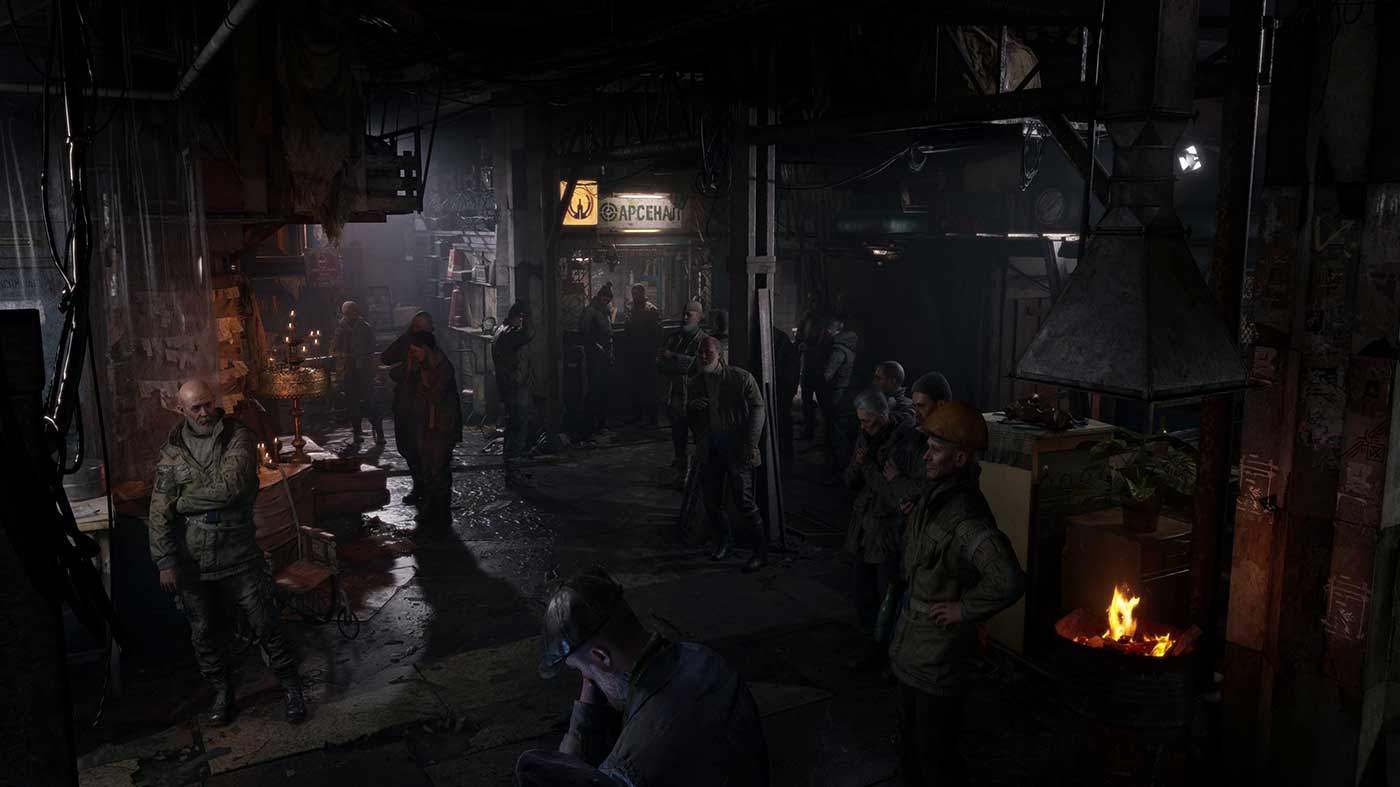
Plucked from about halfway through the game, the hands-on opens in the station of Sevastopolskaya, and immediately things begin to feel a lot like home. Nothing screams Metro like a bustling, living city existing underground, enjoying the relative safety from the toxic, perilous overworld. Simply filtering through, listening to the ongoing conversations, seeing these lives in motion, felt quite reminiscent of old games and felt like the perfect tone-setter to cement the fact that we’re going back to Metro’s core tenets.
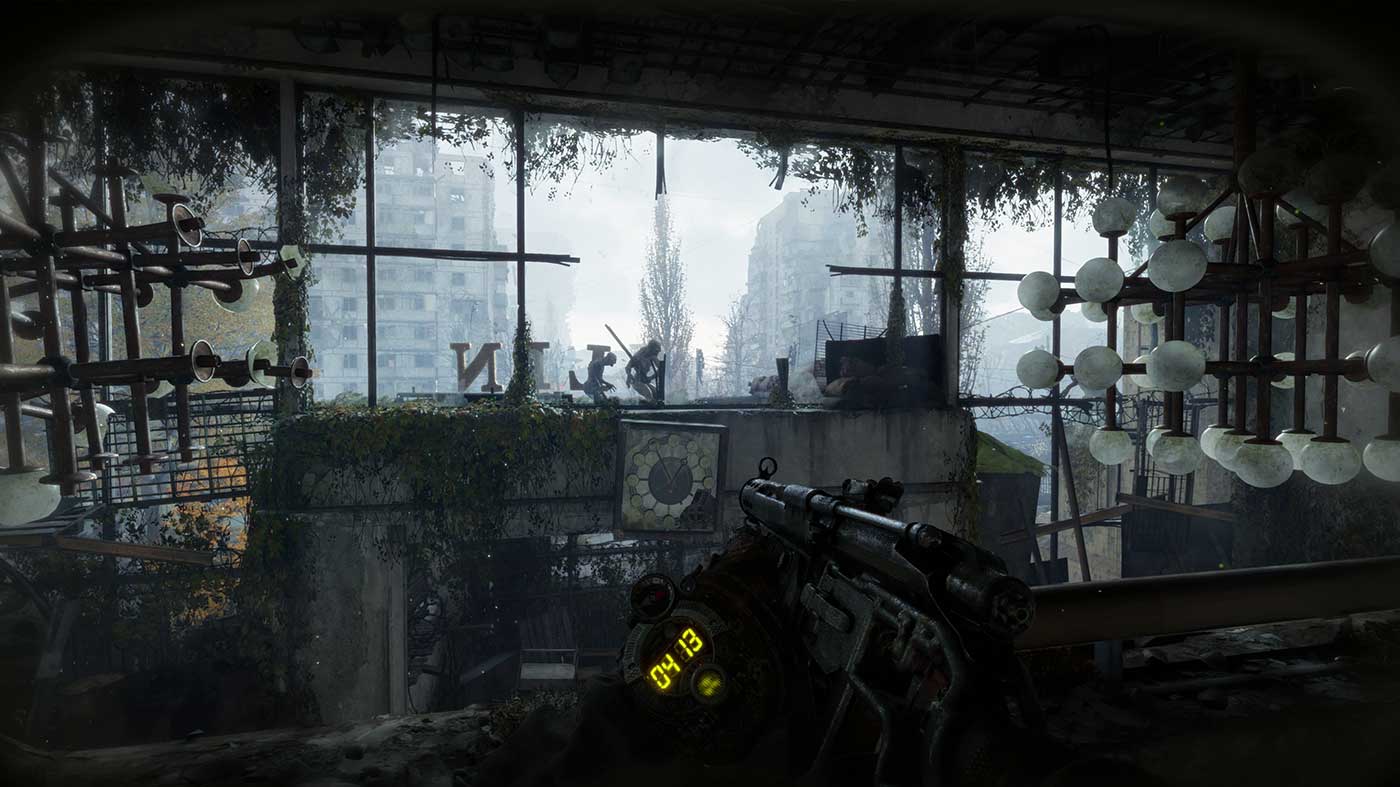
After exiting the base, objective in mind, it was into the tunnels—another all too familiar feeling. Claustrophobic, scary, and in desperate need of a dust, these tight corridors serve as the sinew separating humanity’s tenuous existence and certain doom, and there’s an undeniable dread in traversing that limbo in between. We emerge from the underground into an open zone that’s in keeping with the smaller sandboxes Exodus introduced; the main point of difference is the inherent tone and atmosphere brought on by Moscow itself. The hands-on might have protected its narrative beats from being spoiled, giving us next to nothing, but it definitely gave a sense of the blanketing horrors of exploring a city where everything is out to get you.
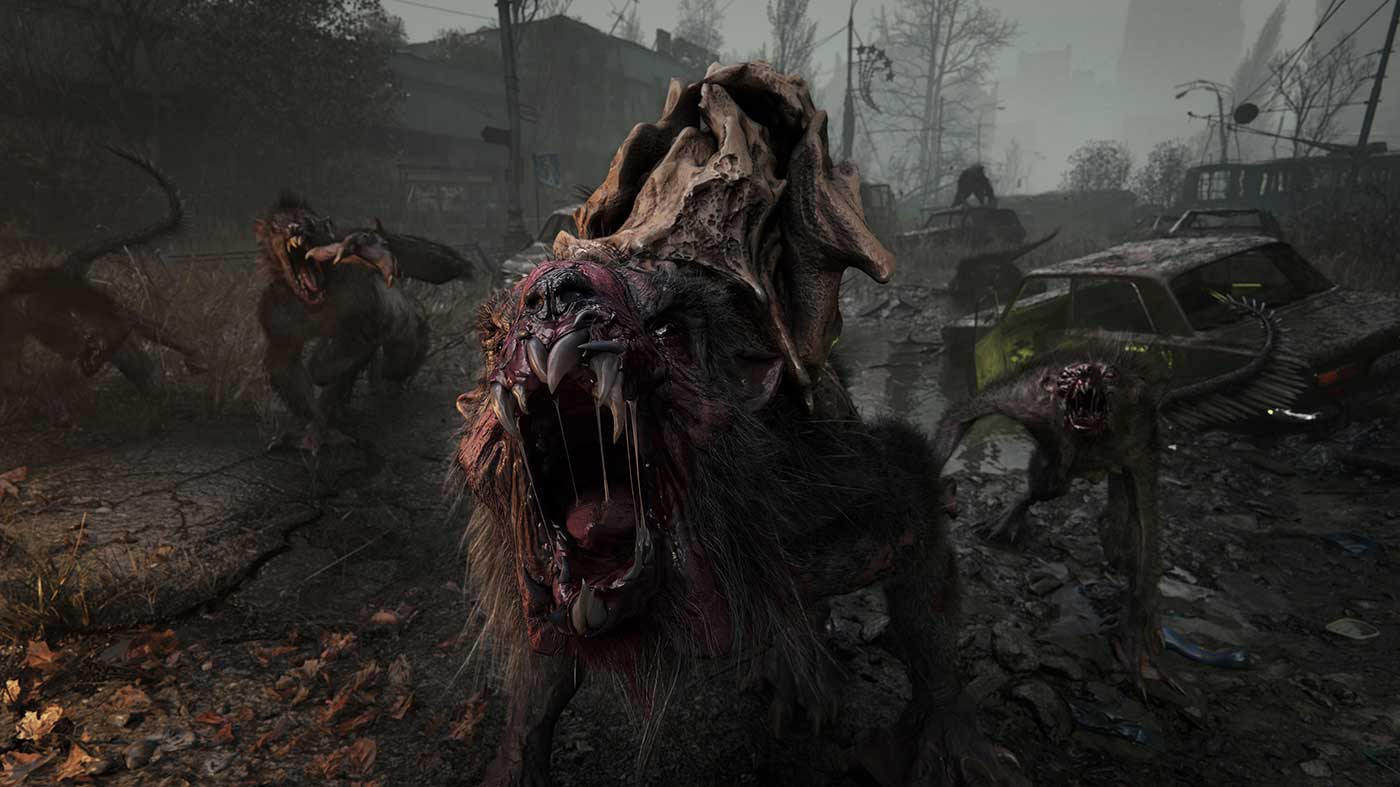
Although the objective marker, which is viewable on a tablet The Stranger carries with him, was set in the map’s south-eastern corner, I felt naturally drawn to a monolithic, dilapidated hotel in the adjacent corner—if nothing else, I felt it’d give me an overview of my target. The journey there was treacherous as Nosalis guarded the direct path, but once inside I uncovered what felt like a tremendous, self-contained little narrative; a perfect example of Metro 2039’s “frozen stories,” as well as a new threat that retreats from the light to conceal itself in the dark. It felt emergent and thrilling in a way that Exodus just didn’t, and it proved to be a worthwhile detour.
More than anything, I do feel as though Metro has really narrowed in on its scrappy, survivalist elements, delivering an experience that deprives you of resources and creates a palpable desperation to be economical in every encounter. I’ve always loved the makeshift tenacity of Metro’s weapon modification, and how it grants you a lifeline even when your more powerful ammo runs dry, whether that’s through giving your weapons pneumatic functions that require you to pump them frantically while mutants surround you. There’s also a risk versus reward element to certain resources, like military-grade ammo, which can be hoarded for resale value or thumbed into the chamber if in a pinch. The game constantly forces you to evaluate your chances of survival, and it’s quintessential Metro.
I do feel like the enemy A.I. is a little bit of a mixed affair, as a majority of the game’s mutant population flank and stalk logically and horrifyingly, though I found the raiders I encountered to be far less clever; they rarely seemed to act with longevity in mind, switching back and forth between the same sets of cover like a shooting gallery duck.
While feeling familiar, 4A has added a string or two to The Stranger’s bow, meaning it’s more than just a voice that distinguishes him from the franchise’s old protagonist. Though limited, explorative tools like the new breaching charges and acetylene torch grant The Stranger access to shut off rooms that often contain lore logs or valuable resources. Though my complaints are few and far between, I do think the key bindings and, more specifically, hot-swapping between tools, weapons, and even ammo types, can be kind of cumbersome, with the directional pad being used in conjunction with LB and RB for all sorts of equipment, ranging from grenades to night vision goggles.
Experiencing this preview build through the literal magic of GeForce NOW, which isn’t a service I’m too familiar with, I was quite enamoured by how excellent the game is from a visual standpoint. Even in the presentation, the team was hesitant to dive deep into how they’ve further optimised their bespoke 4A Engine, but this game’s environments, with all of the gorgeous lighting, global illumination, and ray-tracing, look astounding. As has long been the case with Metro, I do find the appearances of general NPCs to be a little wooden and looney-eyed, though the performance capture for the game’s in-engine cinematics seems to have had more care put into it.
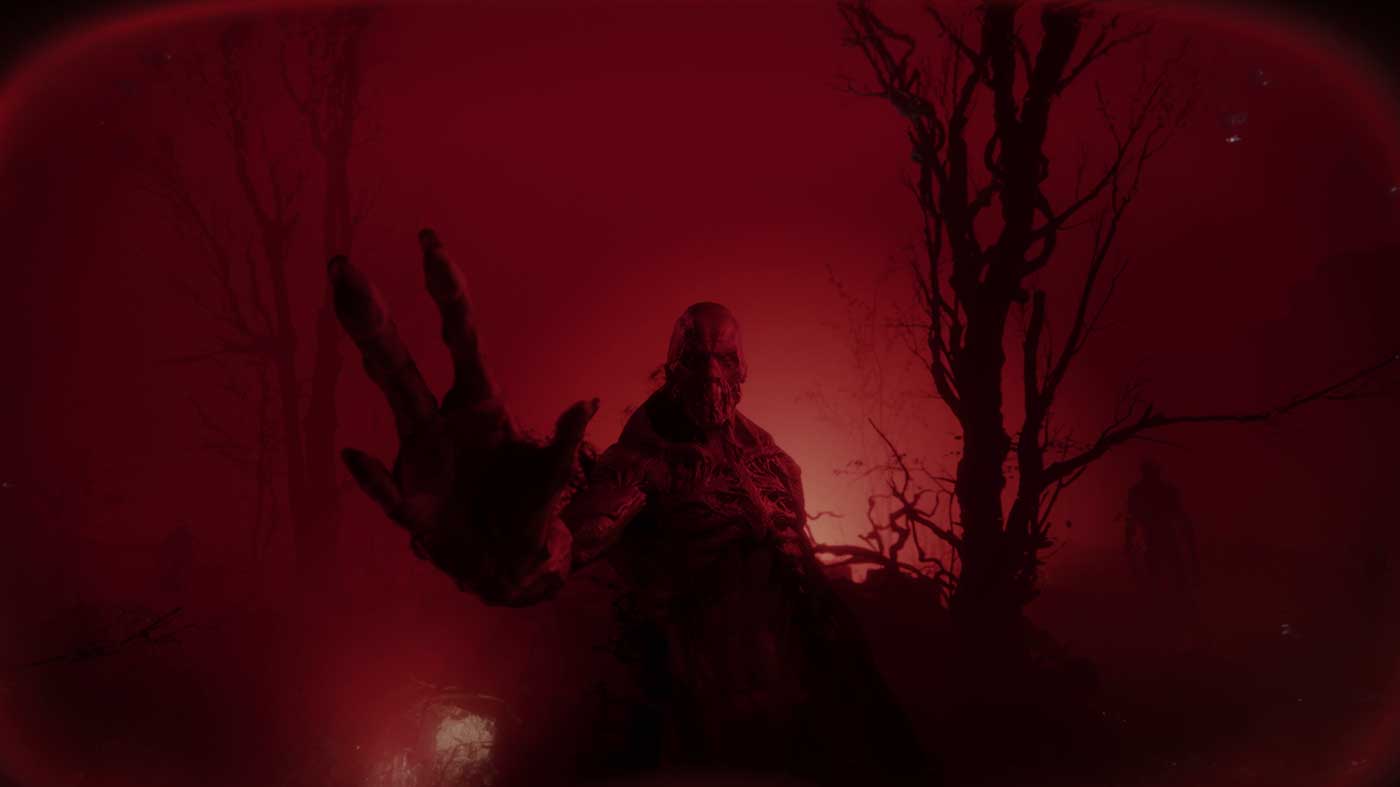
With what I experienced here, being back in Moscow and knowing that the Dark Ones will have a greater role than they did in Exodus, I’m excited to dig into this next chapter in the Metro franchise. It’s still tough as nails, its world is crushing, and its morals and colour palette are equally grey and bleak. In other words, it’s all the things a Metro fan could ask for.
Metro 2039 releases next February for PC, PlayStation 5, and Xbox Series X/S.