

Press Start may receive a commission when you buy from links on our site at no extra cost to you.
I think it’s fair to say that when Hyrule Warriors originally released on the Wii U, very few people would’ve expected it to lead to where the spin-off series is today. What was once a celebration of the franchise has quickly become a method to expand the lore, world, and storytelling of The Legend of Zelda with a gameplay framework that simply wouldn’t work in the mainline series. The expectations of a Hyrule Warriors game have never been higher than what they are now with Hyrule Warriors: Age of Imprisonment, and while it mostly delivers, it does stumble along the way.
Where Hyrule Warriors: Age of Calamity is a non-canon retelling of the titular Great Calamity, Age of Imprisonment shoulders the burden of canonically filling in the gaps left by Tears of the Kingdom’s millenia-spanning narrative. Specifically, it’s the story of what happens to Princess Zelda after she travels back in time just as Ganondorf is awoken from his slumber.
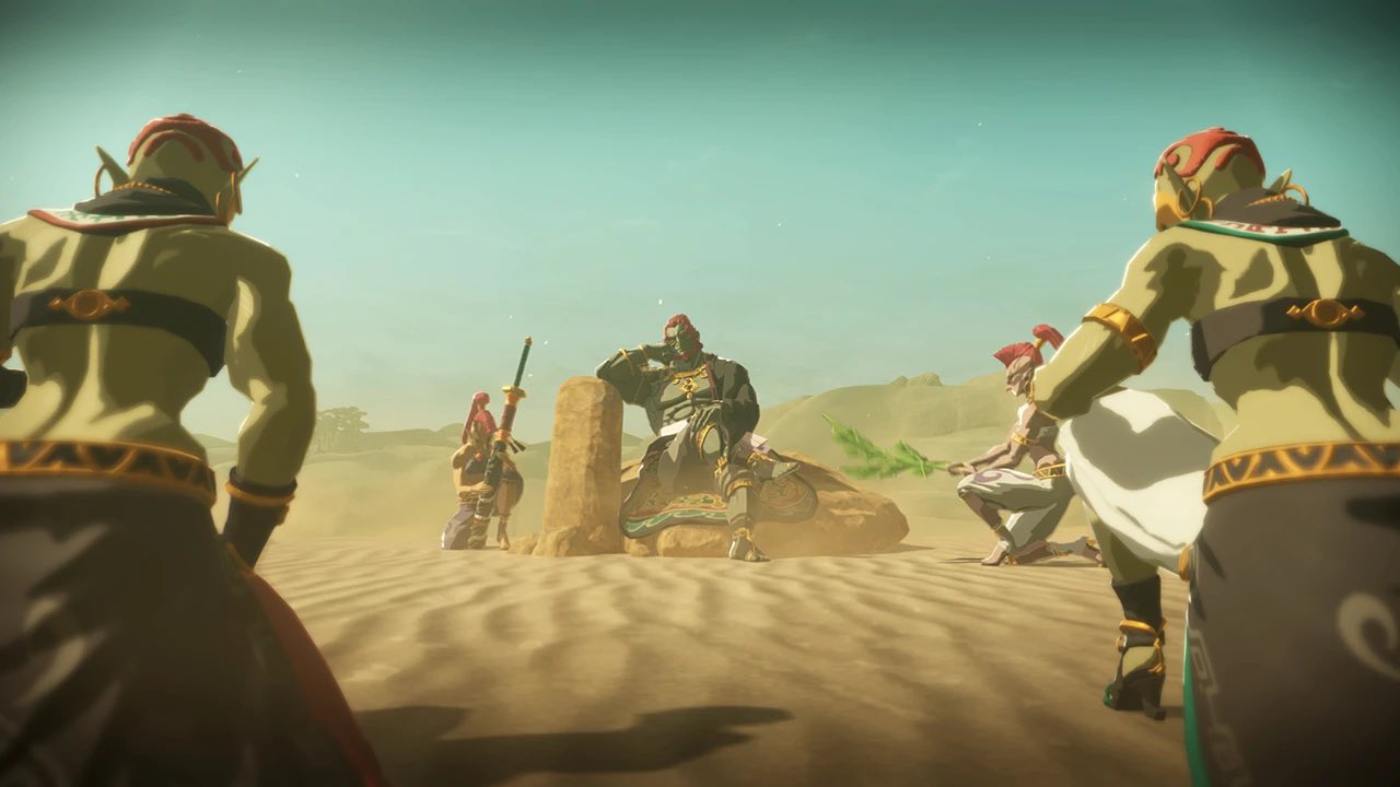
While we see bits of the founding of Hyrule and the all-important Imprisoning War in Tears of the Kingdom, Age of Imprisonment seeks to expand on those events with more detail than before. If you’re a lore nerd, there’s heaps to dig into here – many of the cutscenes further expand on ancient Hyrule, the Zonai, and the Demon King in this part of The Legend of Zelda canon. If you aren’t that hardcore, though, you might find much of Age of Imprisonment’s narrative to be somewhat lacking.
It sometimes can just feel like an expansion of what we already know, dots that we’ve already connected as of two years ago. Some of Tears of the Kingdom’s Dragon Tear cutscenes are ripped from that game and put into this one, which makes sense all things considered, but lessens the impact of the story being told here. It does pick up exponentially in the third act, though, with all of Hyrule coming together in a final showdown with Ganondorf in an attempt to thwart his grasp at power. The sheer scale and size of the Imprisoning War is fully realised in Age of Imprisonment’s final hours, and it leaves a lasting impression.
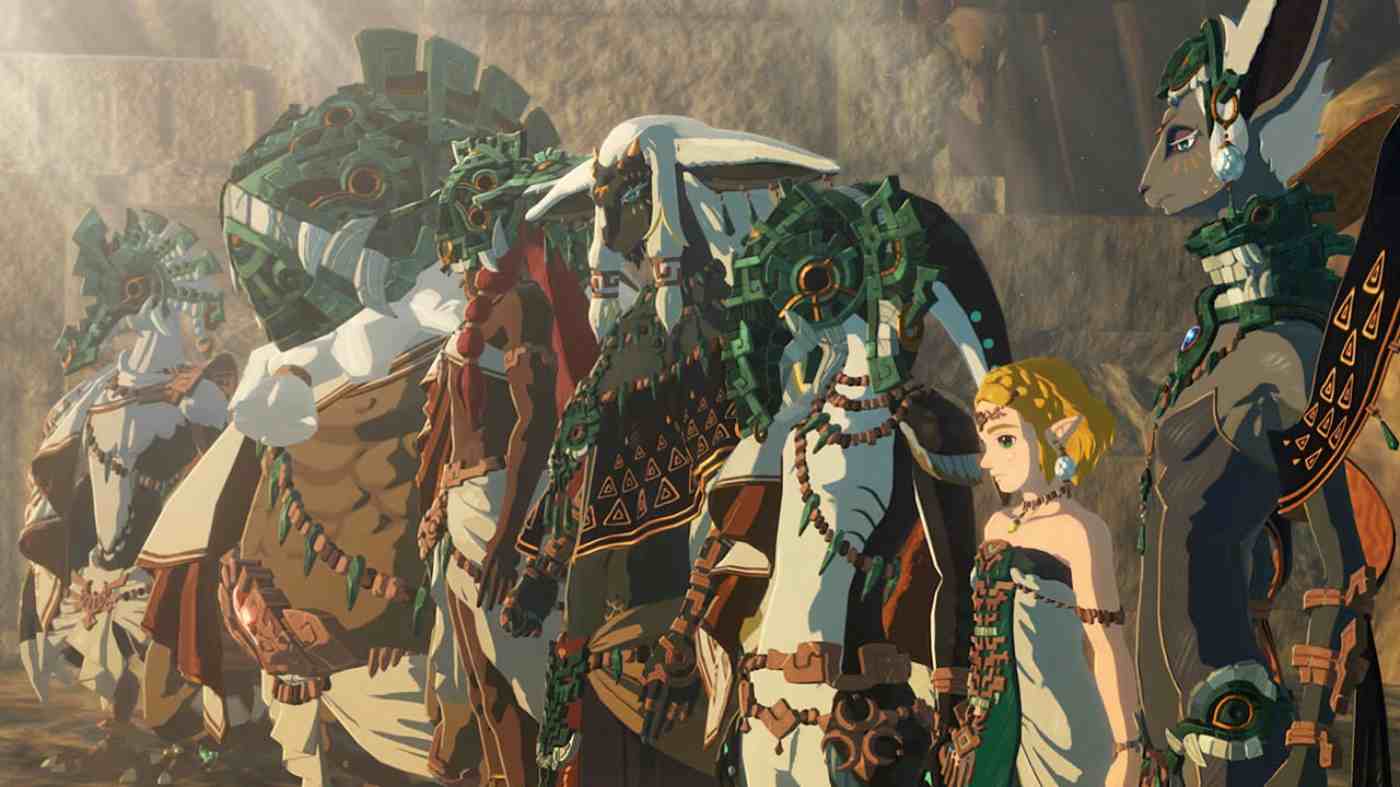
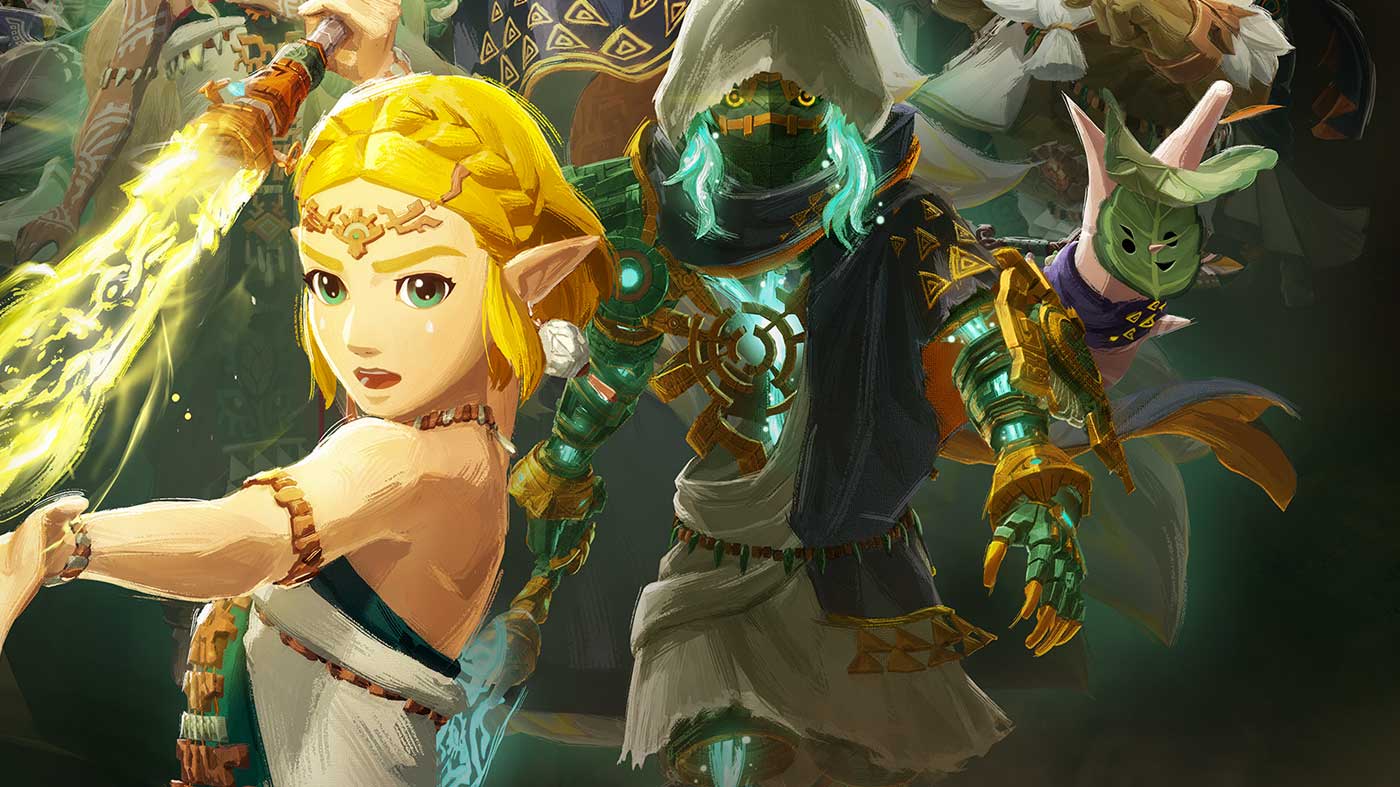
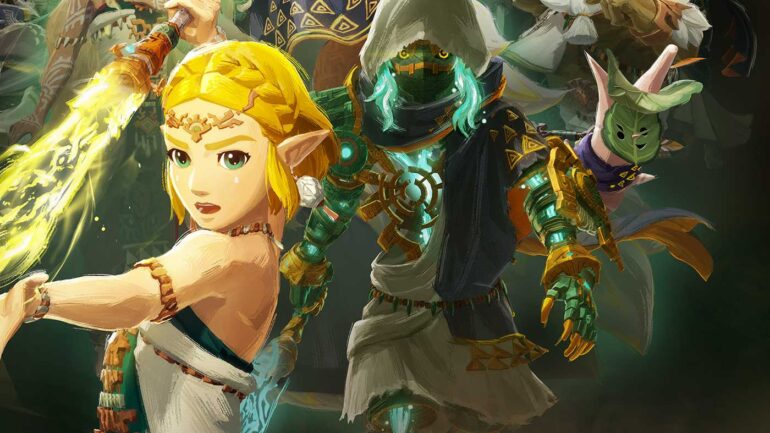
It’s also nice to spend more time with characters like Rauru, Mineru, and Sonia. The new characters here are similarly engaging, with a boisterous and brave Korok known as Calamo, accompanied by a strange Zonai construct whose steadfast opposition against the Demon King is unexplainable yet inspiring. Zelda gets some great moments here, too, that are well-deserved and long overdue in this era of 3D Zelda, which feels apt given how pivotal her role is in Tears of the Kingdom.
Of all the Warriors games tied to Nintendo intellectual property, the one with the strongest gameplay for me is undoubtedly Hyrule Warriors: Age of Calamity. Age of Imprisonment feels like a safer sequel than that game when compared to the original Hyrule Warriors, building on many of the ideas and systems introduced in Age of Calamity with some fun new ideas that shake things up a bit.
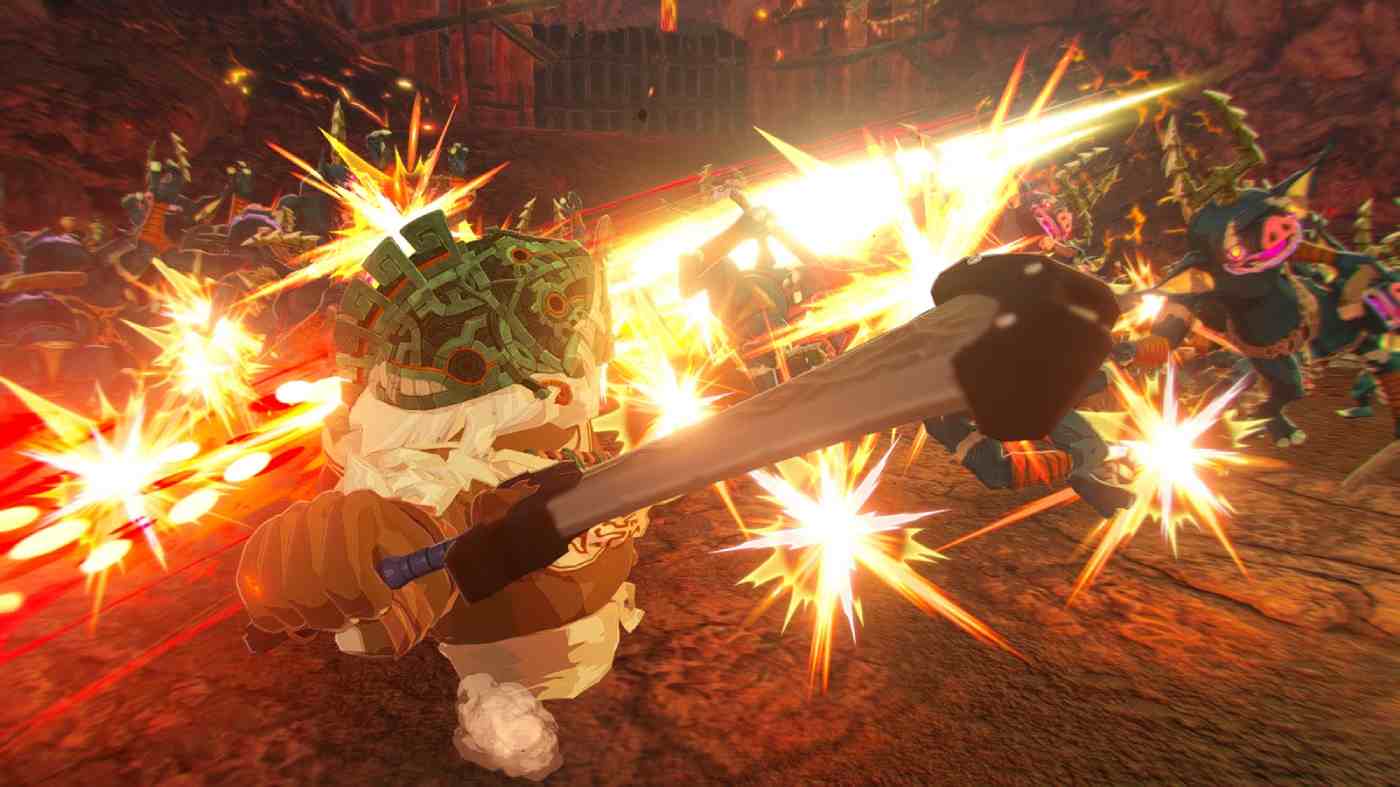
Part of the reason I think Age of Calamity succeeds as a Warriors title is its seamless melding of Musou mainstays with Breath of the Wild’s hallmark features. The Sheikah Slate and its powers were effortlessly integrated into the combat loop without robbing the game of its pacing. Age of Imprisonment attempts to do the same with Tears of the Kingdom’s mechanics, with varying degrees of success.
The core tenets of what made Age of Calamity work are still here – enemies will unleash powerful attacks that can only be countered by Unique Skills. These are character-specific abilities on a cooldown that will stagger enemies if you employ the right one at the right time, rewarding you with a satisfying counter and a window of opportunity to deplete their Weak-Point Gauge and unleash a devastating attack.
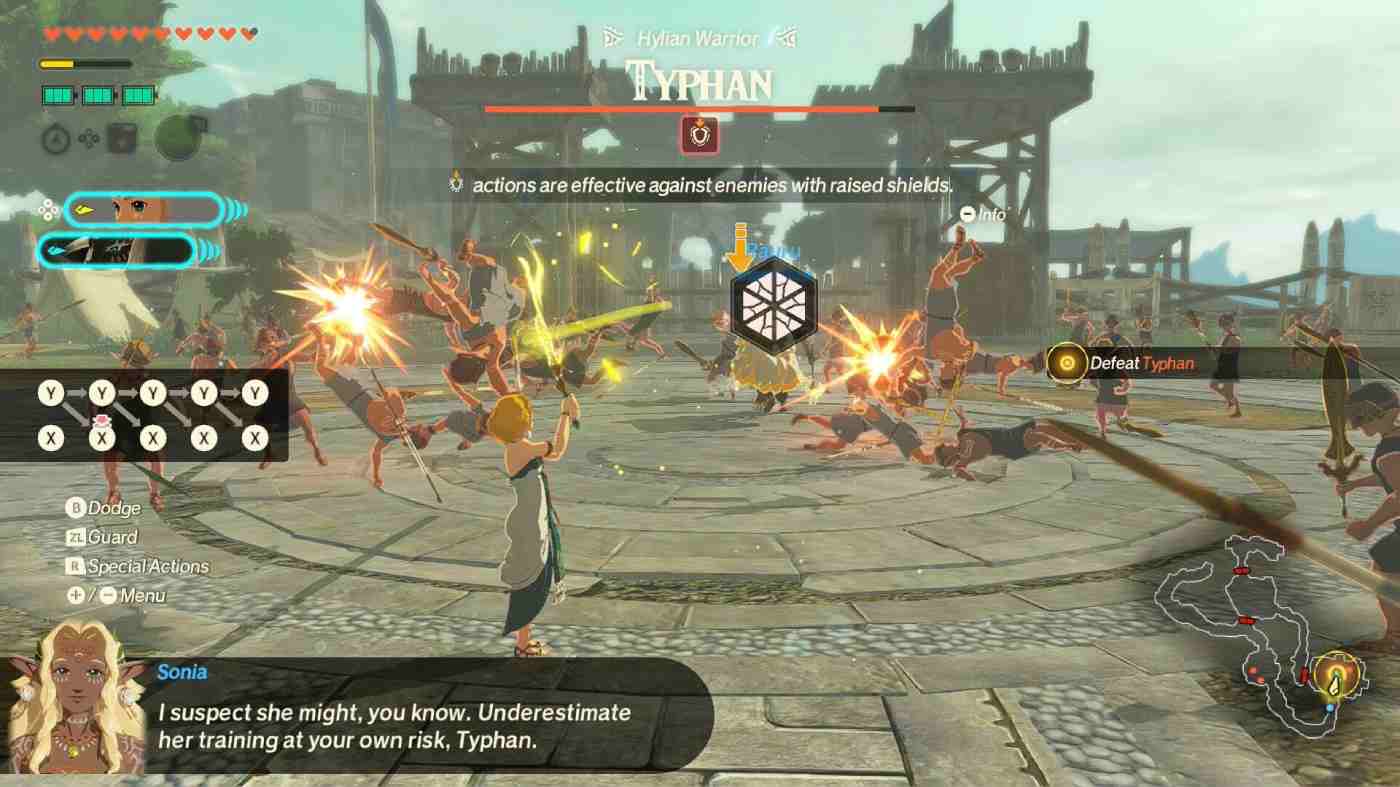
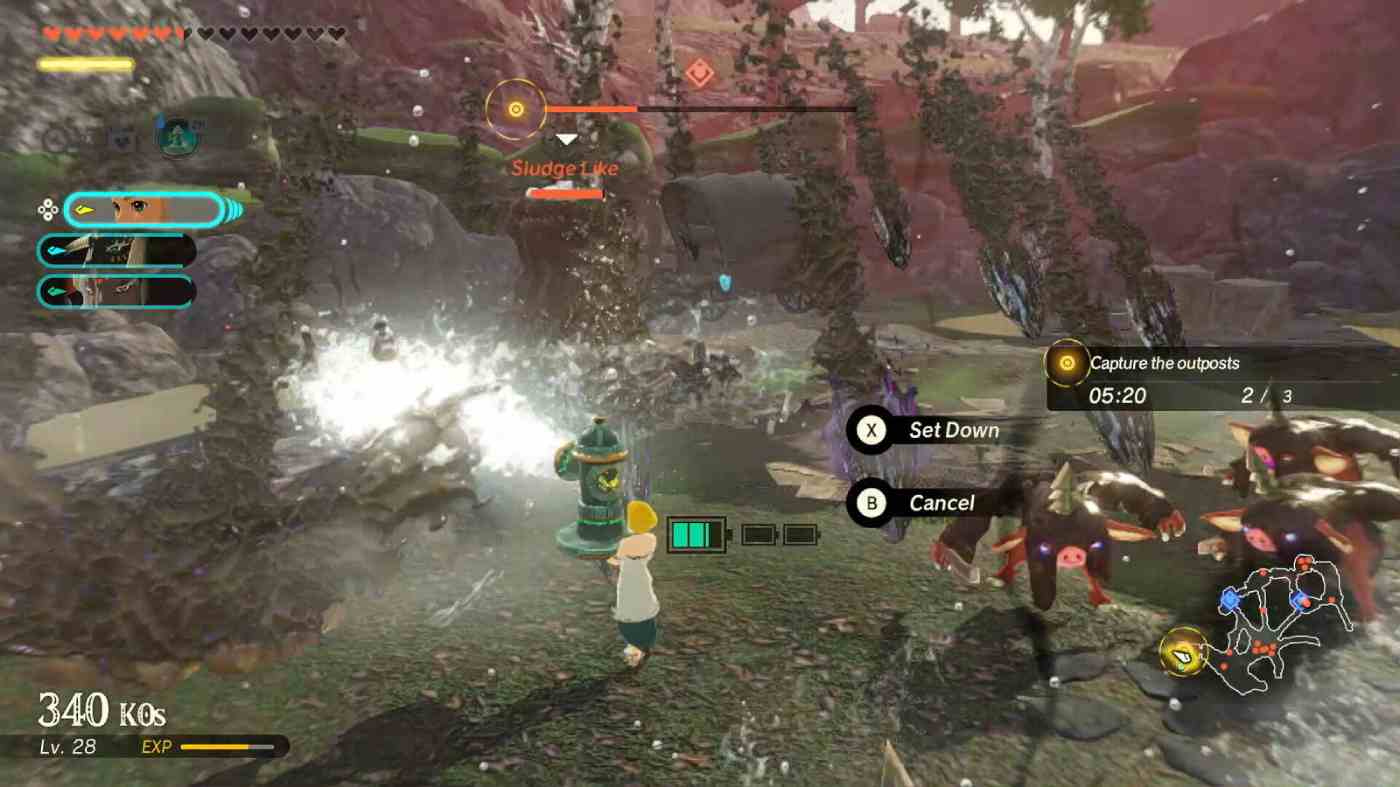
While these skills are inherently less tied to Tears of the Kingdom compared to what Age of Calamity’s Sheikah Slate is to Breath of the Wild, Age of Imprisonment also brings Zonai Devices into the mix. These battery-powered devices are taken from Tears of the Kingdom, from the elemental emitters to less conventional options like the fan or rocket. These also work as methods of countering enemy attacks while doubling as a way to exploit elemental weaknesses and inflict status effects.
THE CHEAPEST PRICE: $84 WITH FREE SHIPPING FROM AMAZON
They’re great fun to use, especially in conjunction with the environment for maximum effect. My only gripe is that there simply aren’t enough button shortcuts for how many you’ll use in any given mission, especially in the back half of the game. It means you’ll often spend time in menus, no matter how you equip your characters, taking you out of the action as you cycle through devices until you find what you need. It interrupts the otherwise excellent pacing and flow of combat, which is at its best when frenzied and chaotic.
I also think the roster here is a slight downgrade. I suspect this is the cost of being a canon story, but Age of Imprisonment lacks many of the fun character inclusions of Age of Calamity or the original Hyrule Warriors. Silly guys akin to Hestu, Master Kohga, or Tingle are nowhere to be found here. It feels like a missed opportunity with all the oddballs found in this interpretation of Hyrule, and especially as a send-off to this era of 3D Zelda.
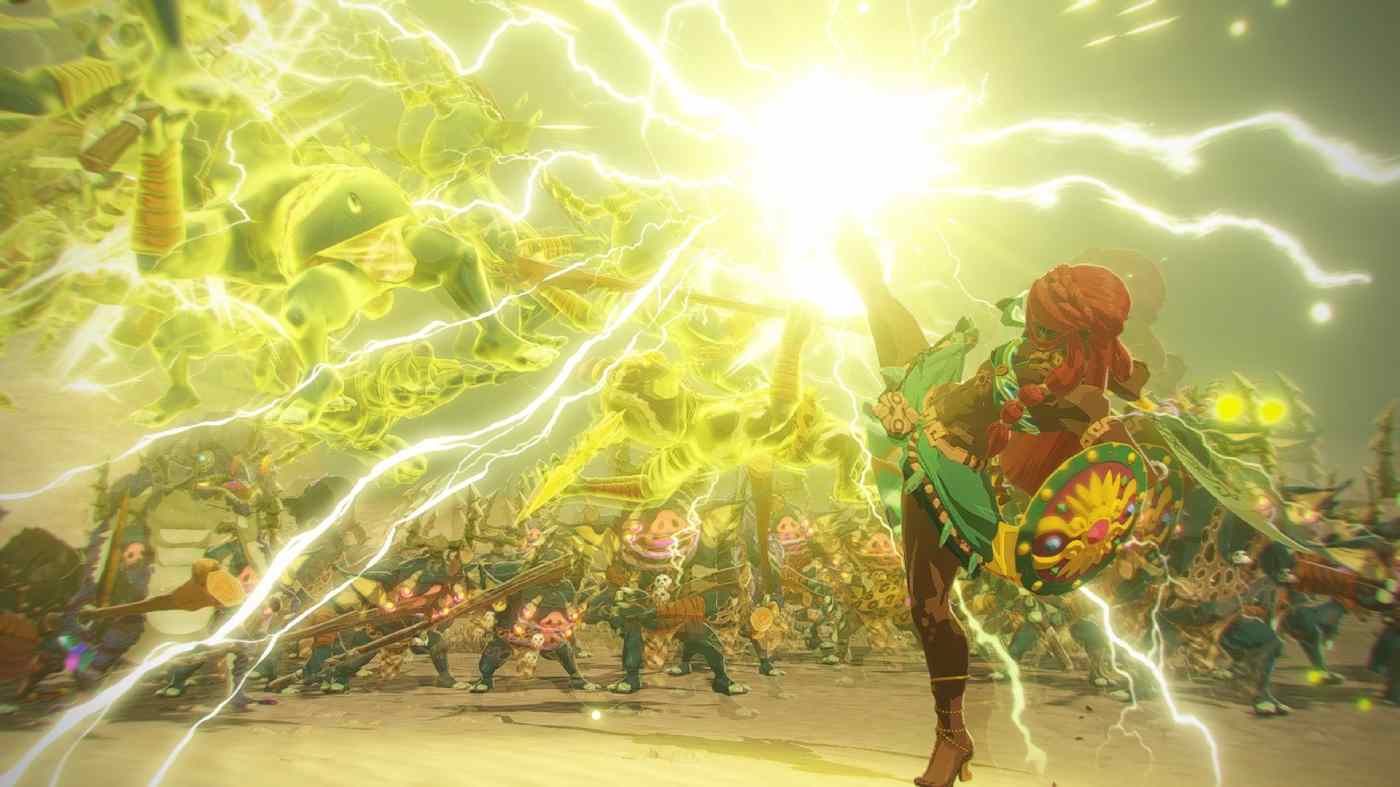
I want to elaborate that what is here is still a lot of fun. Zelda sheds her caster role from Age of Calamity in favour of using a light-emitting blade that puts her into close quarters without abandoning her godly powers. King Rauru wields a lengthy spear that sweeps through waves of foes as Zonai technology whips it through the air for additional hits as you mash the heavy attack button. The Sages all represent their elements in ways that feel distinct, which is quite the achievement, given we’ve now seen three sets in the last 10 years.
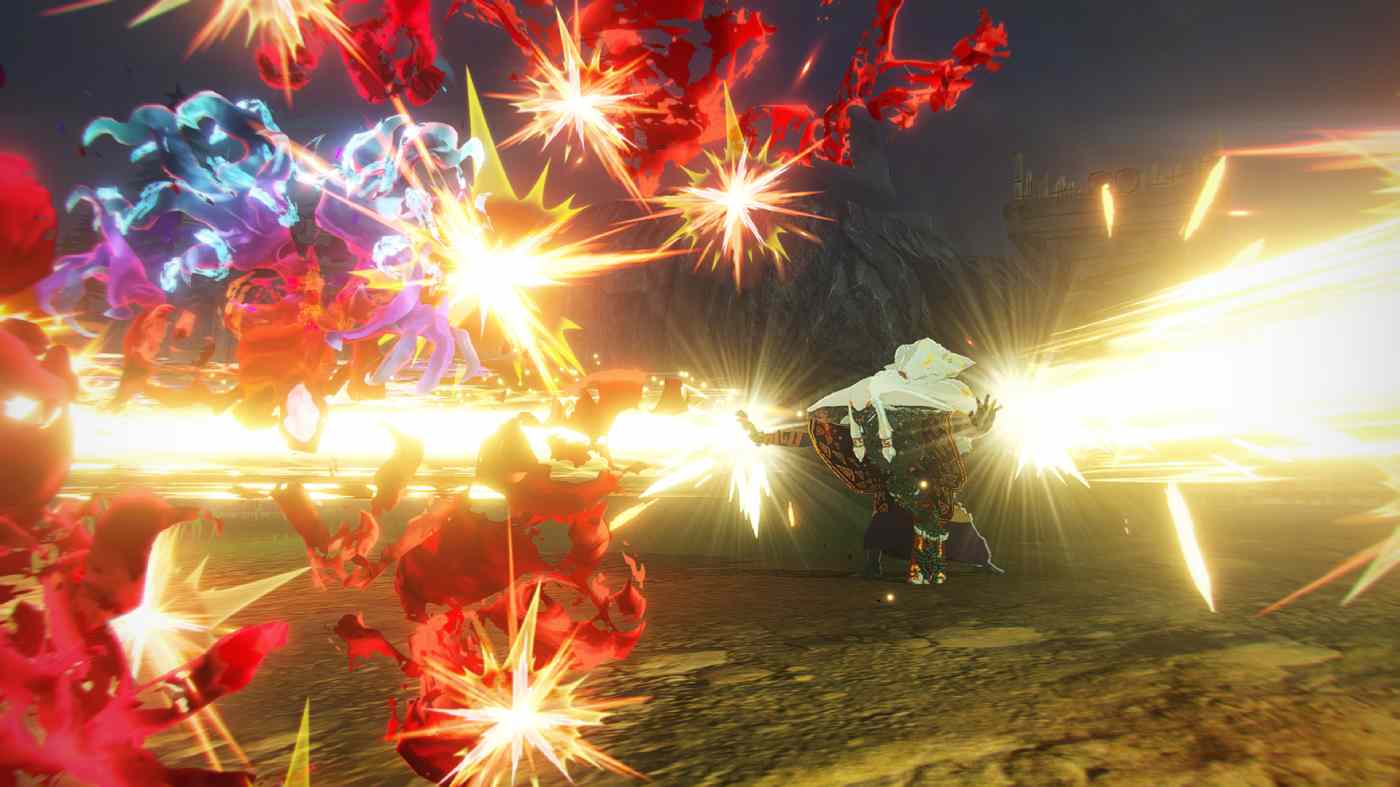
The real highlights are the Mysterious Construct and Calamo, who are often paired together. The Mysterious Construct plays similarly to Link from Age of Calamity, capable of wielding different weapon types that each have a unique moveset. This character (and others) can also Fuse monster parts to weapons for increased Weak-Point Gauge damage, and even incorporates the Zonai Devices you have equipped on shortcuts into its combos. Calamo is a bit of a goofball, but his nimble nature and ability to quickly output all types of elemental damage make him a blast to dart around the battlefield with.
To encourage you to think about how you compile your teams and character pairing further, Age of Imprisonment also introduces Sync Strikes. These are abilities that can only be used when two characters have filled their Sync Strike Gauges by performing various actions. There are quite a few of these, each with different effects. Some will deal big damage in an area, while others will imbue characters with elemental damage types while increasing offensive capability. These can make quick work of powerful foes when used properly, and every single one is a spectacle to look at.
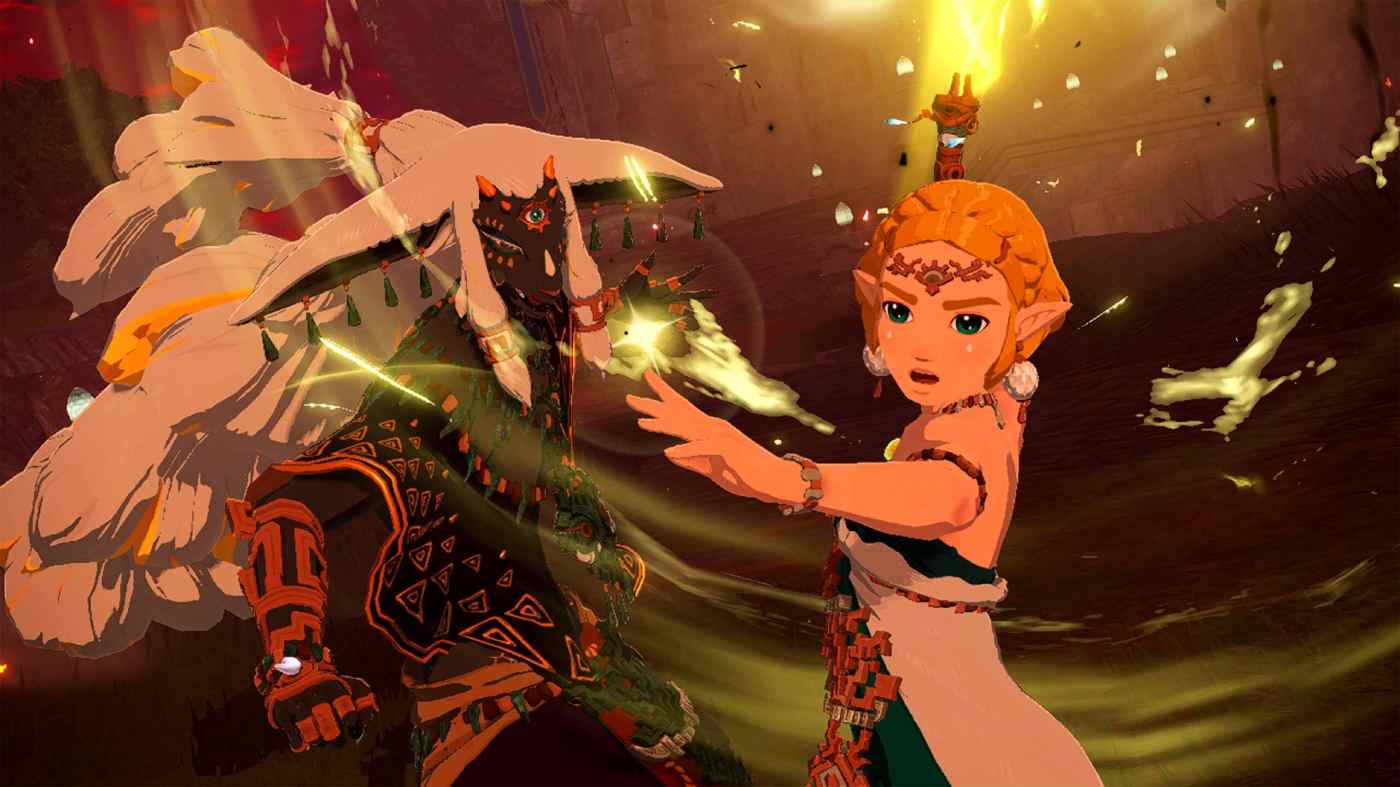
This provides some much-needed variation because Age of Imprisonment is perhaps the least innovative Warriors entry when it comes to map and encounter design. Despite having access to Hyrule, The Depths, and the Sky Islands of Tears of the Kingdom, very little is done to shake up key mission objectives here. It almost always boils down to liberating outposts, defeating monsters, and sometimes beating a boss. Maps are similarly dull in how linear they are, providing very few opportunities to actually explore and engage with the world.
It feels like a definitive step down from previous Hyrule Warriors games, and especially from this year’s Dynasty Warriors: Origins. It also never really feels like it’s interested in challenging you or forcing you to think about how you command units and navigate the battlefield. Even the side missions with time limits feel overly generous in how easy it is to beat them in time. I understand this genre has always had a turn your brain off kind of mentality, but there’s always been some level of strategy in how you manage your army to avoid defeat that isn’t present in Age of Imprisonment.
One part of Age of Imprisonment that took me by surprise completely is the inclusion of Star Fox-like rail-shooter levels, where you take flight as the Mysterious Construct. These are extremely infrequent but provide a nice break from all the hacking and slashing. They’re fairly straightforward, with guided flight paths and numerous Zonai Device pickups that expand your arsenal of weaponry. It’s also a fantastic use of the world, often blending the three layers of Hyrule to strong effect.
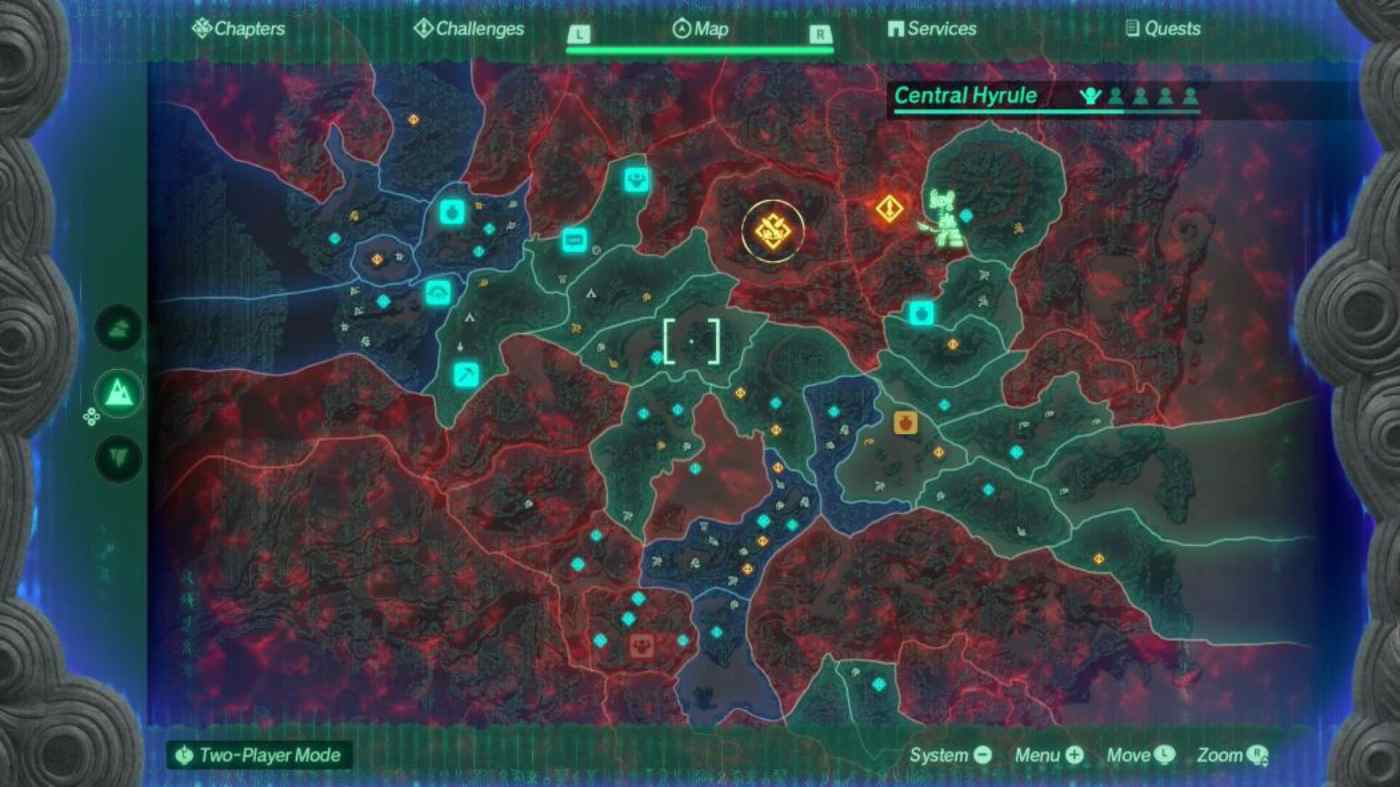
Another area Age of Imprisonment absolutely delivers is in content. While much of it is repetitious owing to the aforementioned map and objective design, there is a lot here to sink your teeth into. The map positively fills up with icons after each battle, some yielding character upgrades, shops, training facilities, and more. Others will lead to optional missions that liberate certain areas of Hyrule, opening them up for future unlocks and missions. It’s a simple and streamlined form of progression, but it’s moreish to see Hyrule turn blue as you earn the approval of the people and free the land of the Demon King’s scourge.
Because these Warriors games have always been relegated to Nintendo hardware, they’ve often struggled with performance issues. The sheer number of enemies on the screen in tandem with fast action would lead to inevitable frame rate drops on the Switch and Wii U, but the power of the Switch 2 means it’s an issue that Age of Imprisonment mostly dodges. The game runs at a smooth 60 frames per second with very infrequent drops in handheld mode. Docked play is flawless, and the experience is a visual delight, owing to the timelessness of the aesthetic and art direction of these Zelda games.
Handheld mode also occasionally suffers from some noticeable resolution scaling, which also happens to be when those intermittent frame drops occur. It’s noticeable but far from distracting, and it’s easy to get swept up in the action and forget it’s scaling down to begin with. Even in the instances I did pay attention to it, I noticed it swiftly scaled back up to the original image quality. It took some time, but we finally have a handheld Warriors game that looks and performs very well when all things are said and done.
While not as strong as Age of Calamity overall, Hyrule Warriors: Age of Imprisonment is a worthy send-off for this era of 3D Zelda. Its weak story is made memorable by an excellent conclusion, and even if the gameplay loop is generally weaker, it’s still a damn good time to rip through the hordes of the Demon King.