

Press Start may receive a commission when you buy from links on our site at no extra cost to you.
While all Dragon Quest games are usually and rightfully described as “cosy” JRPGs, you’d be hard-pressed to find an entry that better exemplifies this than Dragon Quest VII. Its original PlayStation release, which would later be remade for the 3DS, is held in high regard amongst fans of the franchise. Its gargantuan size makes for an adventure that’s best enjoyed in small doses and played over several months. It’s always been a Dragon Quest best enjoyed over time, for better and for worse.
This means remaking VII for a modern audience is quite difficult. To streamline VII’s pacing and length would be to risk dismantling much of what makes it special and unique when compared to other mainline entries. In this context, Dragon Quest VII Reimagined is a mostly successful undertaking. While things are lost in the trimming of fat, and some of the original’s charm doesn’t quite translate across, numerous quality-of-life improvements and adjustments to pacing make this version of VII easily approachable.
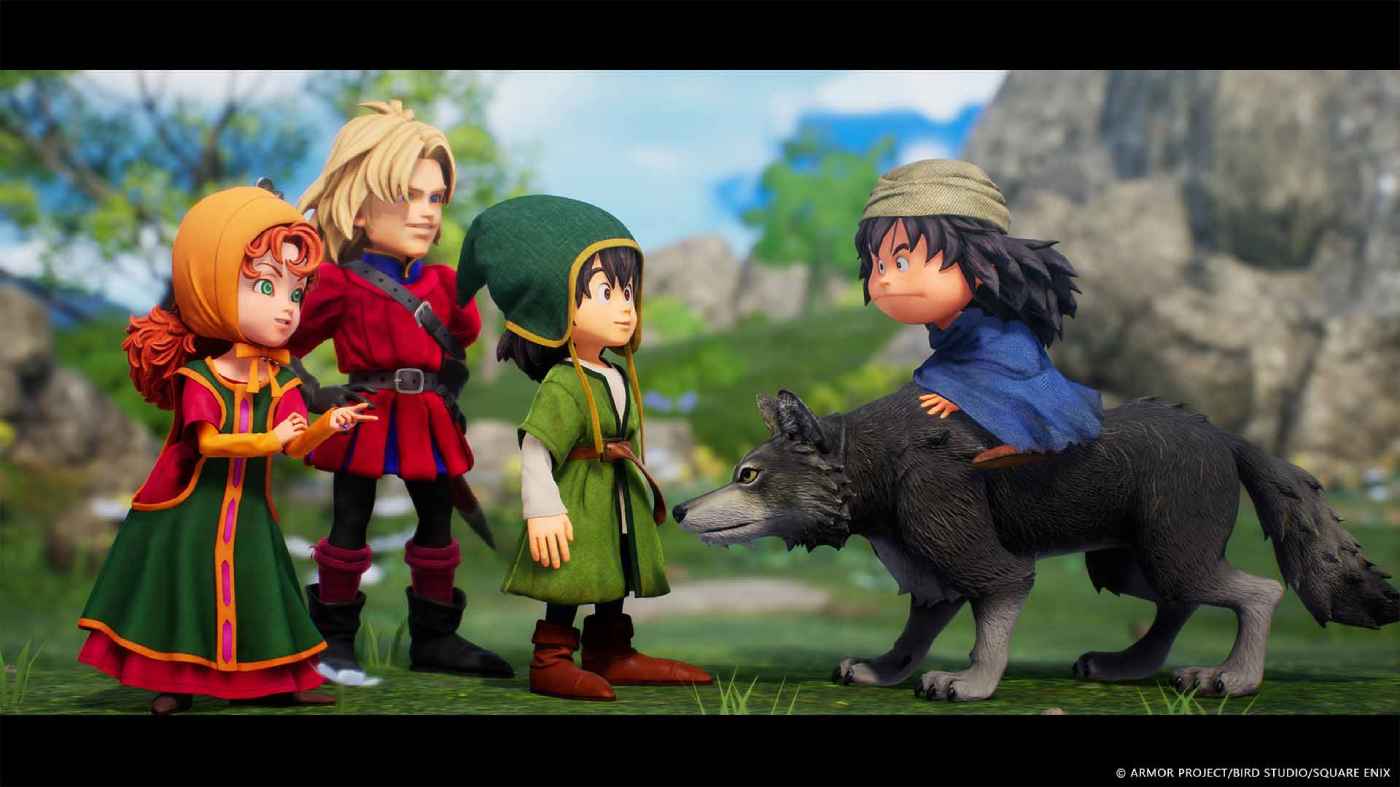
VII’s story starts on the quaint island of Estard, a small piece of land isolated in a vast sea. There’s much in the way of history and rumours about neighbouring continents that no longer exist, fuelling the imaginations of our protagonist and his friend, Kiefer, the prince of Estard. With adventure on the tip of their tongues, they begin exploring the surroundings of Estard, eventually leading them to a mysterious shrine that inexplicably teleports them back in time to a continent that doesn’t exist in the present.
This isn’t the only continent that this mysterious shrine is linked to, with pedestals missing coloured tablets, each connecting to an island that doesn’t exist in the present, once completed. Each is facing their own existential threats, but as the party solves each one, the respective island returns in the present. While much of its runtime is dedicated to these individual stories and how they entwine with different members of the party, it does all come together in quite a satisfying manner by the end.
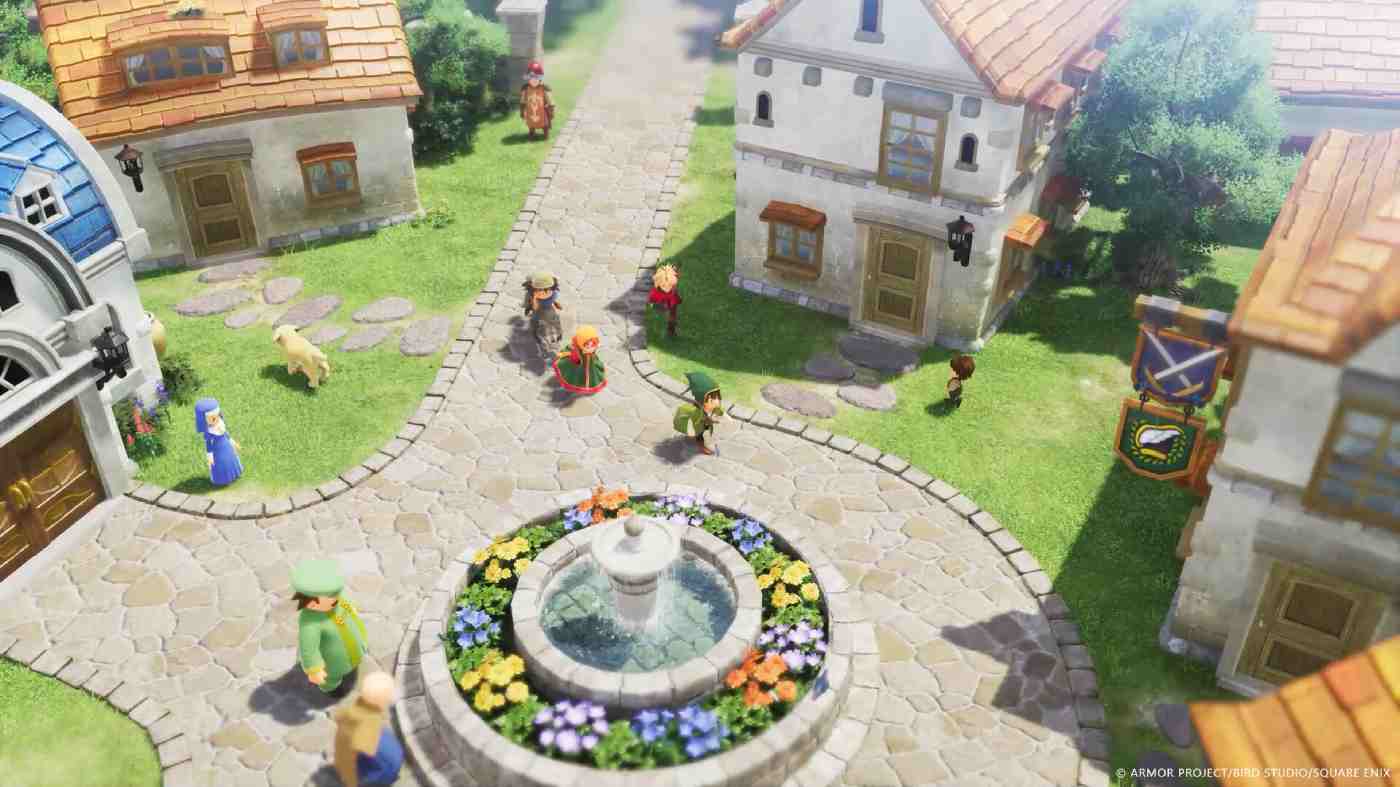
For those who’ve played VII before, Reimagined does make several changes here. For starters, the opening hours are substantially improved, getting you into the action and story much faster than before. While the game is still an utter behemoth in length, a few islands from the original have been cut. While this undoubtedly helps the pacing of the adventure, it’s a shame they didn’t at least come back as optional content. You won’t notice they aren’t here if you haven’t played VII before, but their absence will be felt by longtime fans.
Despite this, Dragon Quest VII Reimagined retains that intangible sense of cosy adventure that’s unlike anything else in the franchise. Each island has its own scenario and characters, which means many of its ideas and themes are afforded room to breathe. It’s the perfect game to sink an hour or two into every day, best enjoyed akin to a long-form television series. It’s quite a different experience compared to the recent HD-2D remakes of the original trilogy, but one that I think anyone can enjoy.
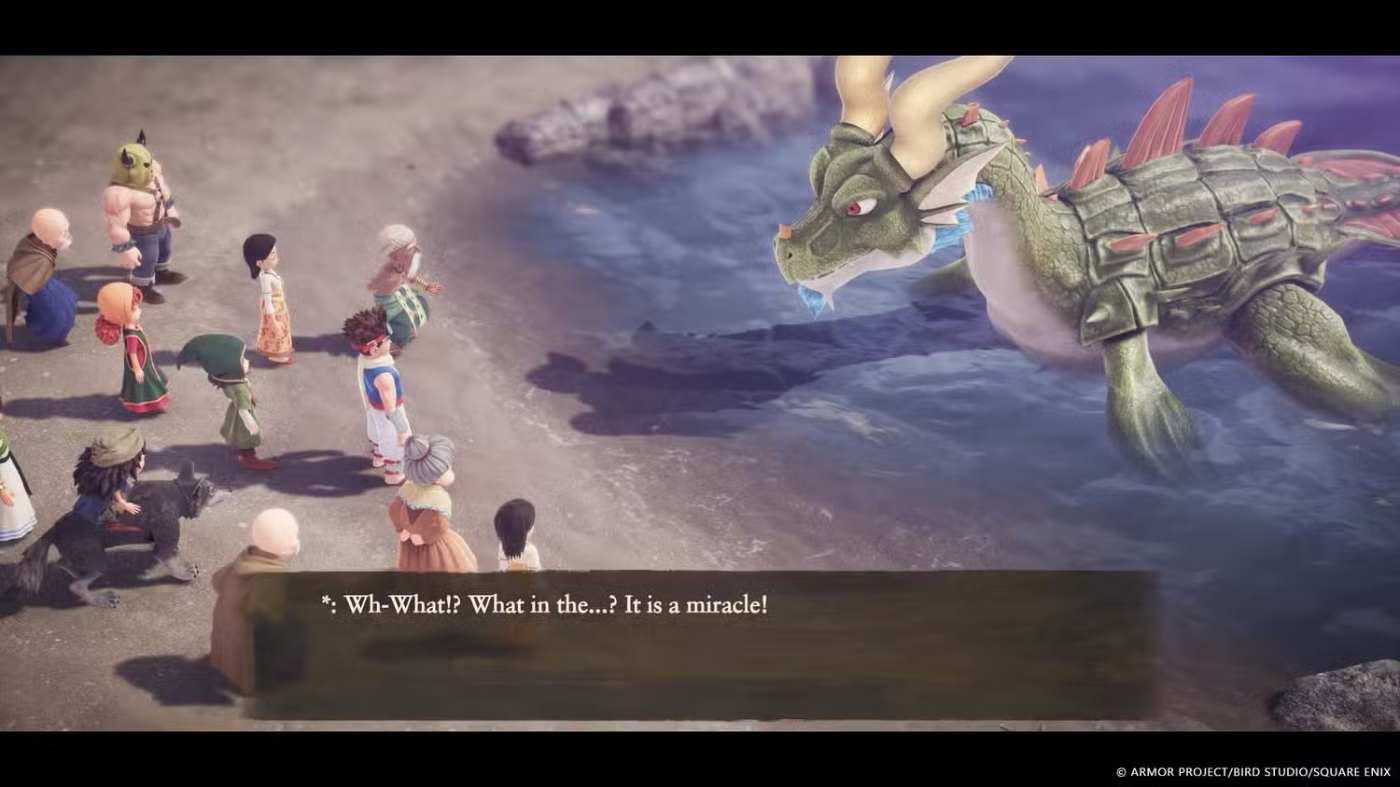
Much of the core gameplay loop of Dragon Quest VII is unchanged in Reimagined, but there are countless improvements and quality-of-life additions that I think will make Reimagined a fan favourite when it comes to replaying this entry. It’s as moreish and digestible as ever – Combat is tried and true, exploration is plentiful enough despite VII’s linear nature, and the episodic story of each island creates a rhythm between the narrative and gameplay that allows a comfortable sense of familiarity to flourish.
The one big new change in battles is that party members can become Worked Up during battle. It’s a mechanic that’s clearly inspired by Dragon Quest XI’s Pep, randomly occurring during conflict with a few ways to increase the likelihood of a Work Up occurring. While party members will only stay Worked Up for a few turns, you can choose when to use it and activate Vocation-specific effects. Mages, for example, get guaranteed critical spells for the next few turns, while Sailors can boost the stats of the entire party.
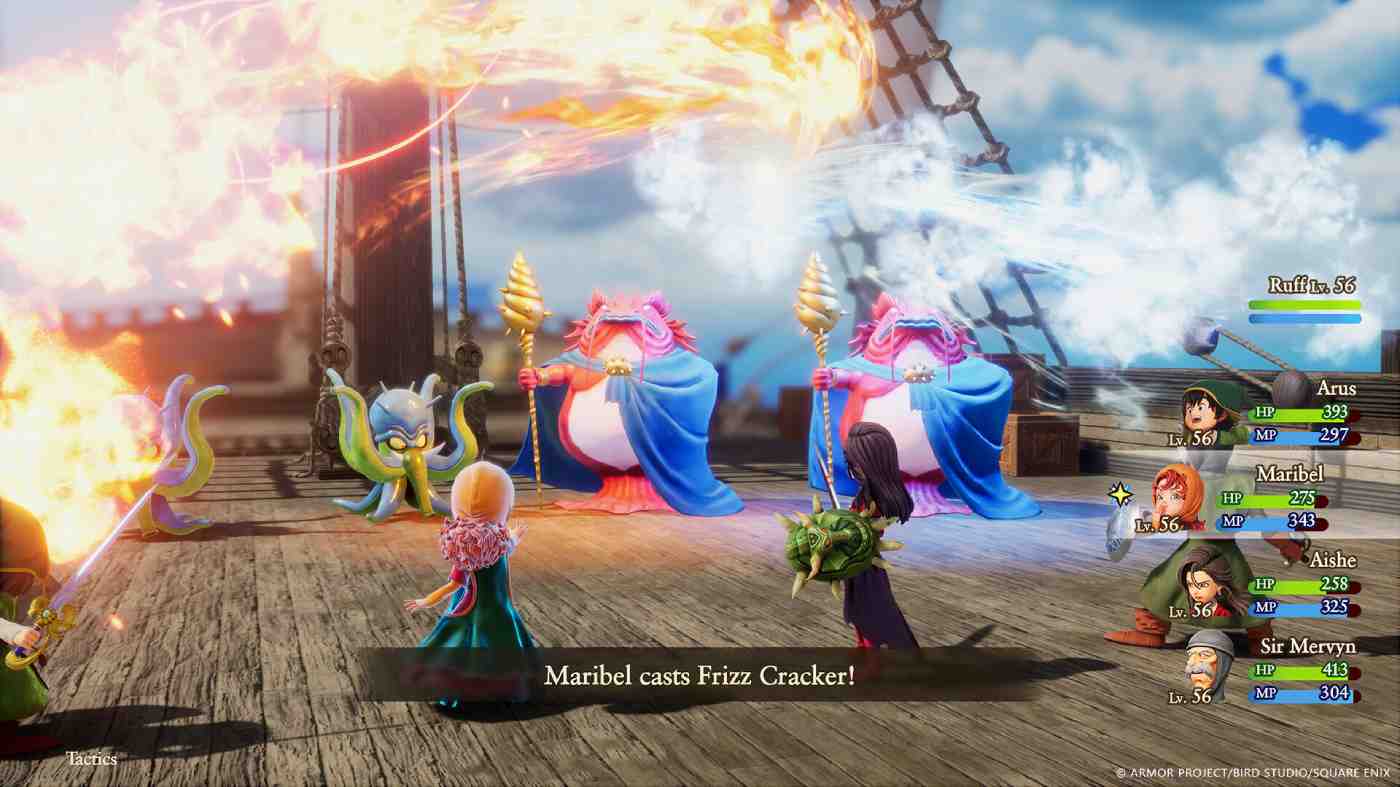
They’re all incredibly fun, and there are heaps to play around with given the number of Vocations on offer here. Smart use of these definitely dulls some of the original’s difficulty, but that’s easily remedied by the new ability to tweak difficulty, experience, and vocation experience as you see fit. This addition also means you no longer need to spend egregious amounts of time grinding on higher difficulties, meaning you can have challenging combat without progression that moves at a snail’s pace.
Another welcome change is the ability to equip two Vocations at once, aptly called Moonlighting. Equipping a second Vocation improves your stats and gives you access to that Vocation’s skills and Work Up ability, further deepening combat and progression. This also marks a series first for Dragon Quest, and it’s a great change in the context of VII’s lengthy adventure, allowing you to level up multiple Vocations at once to unlock advanced Vocations sooner.
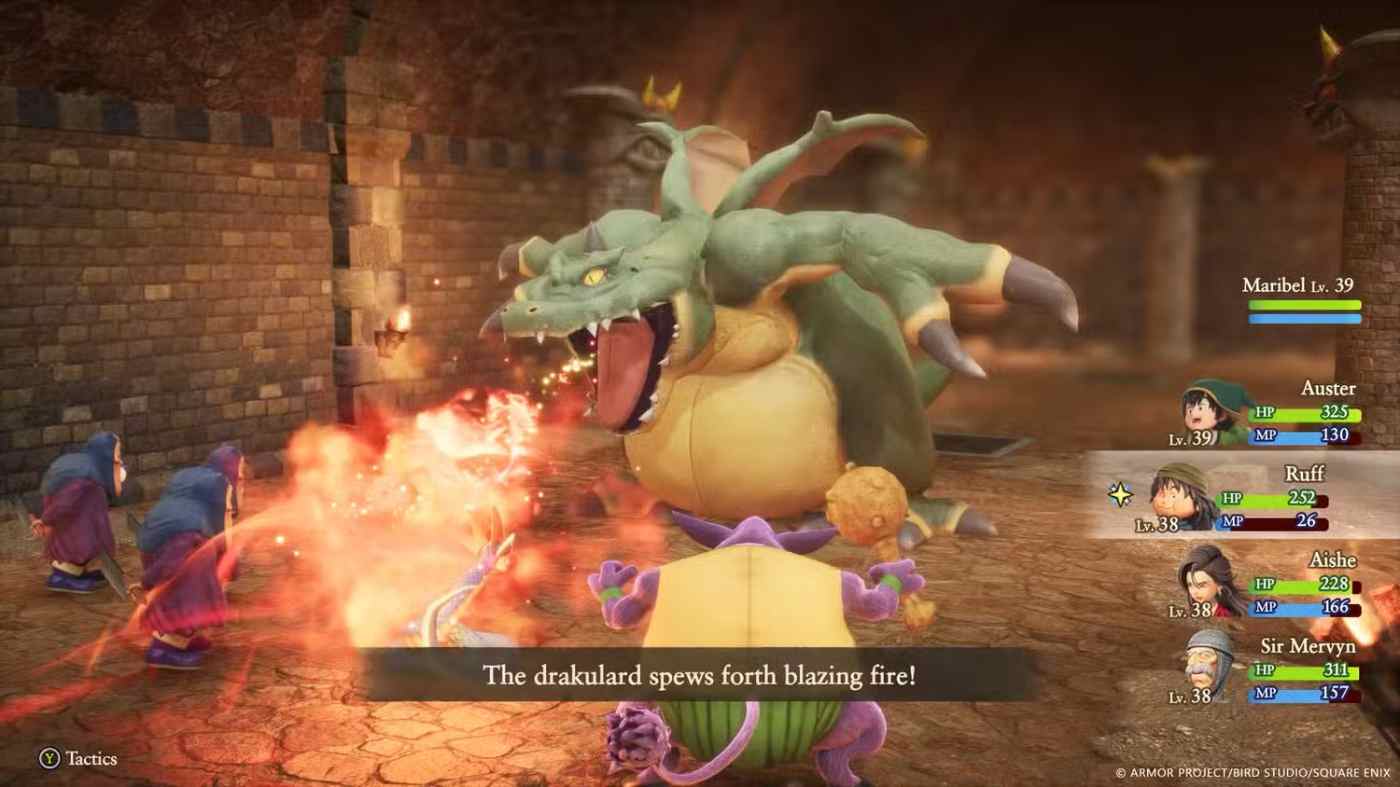
There are also countless other inclusions, like fast travel, quick-healing, a higher base battle speed, and the ability to change your Vocation anywhere. Hunting down the pieces for each tablet is also vastly improved, marking pieces on your map when you’re nearby, with hints available for when you get stuck or frustrated with all the searching.
My only real gripe with all this is that the game holds off a little too long in giving you some new toys to play around with. Vocations aren’t unlocked for about 15 or so hours, and the base Vocations of each character will be maxed out long before then. You can keep things interesting by upping the difficulty, but I fear many will fall off in the 5-10 hours that don’t see much in the way of progression outside of just levelling up. Vocations also no longer change costumes, which is a real bummer.
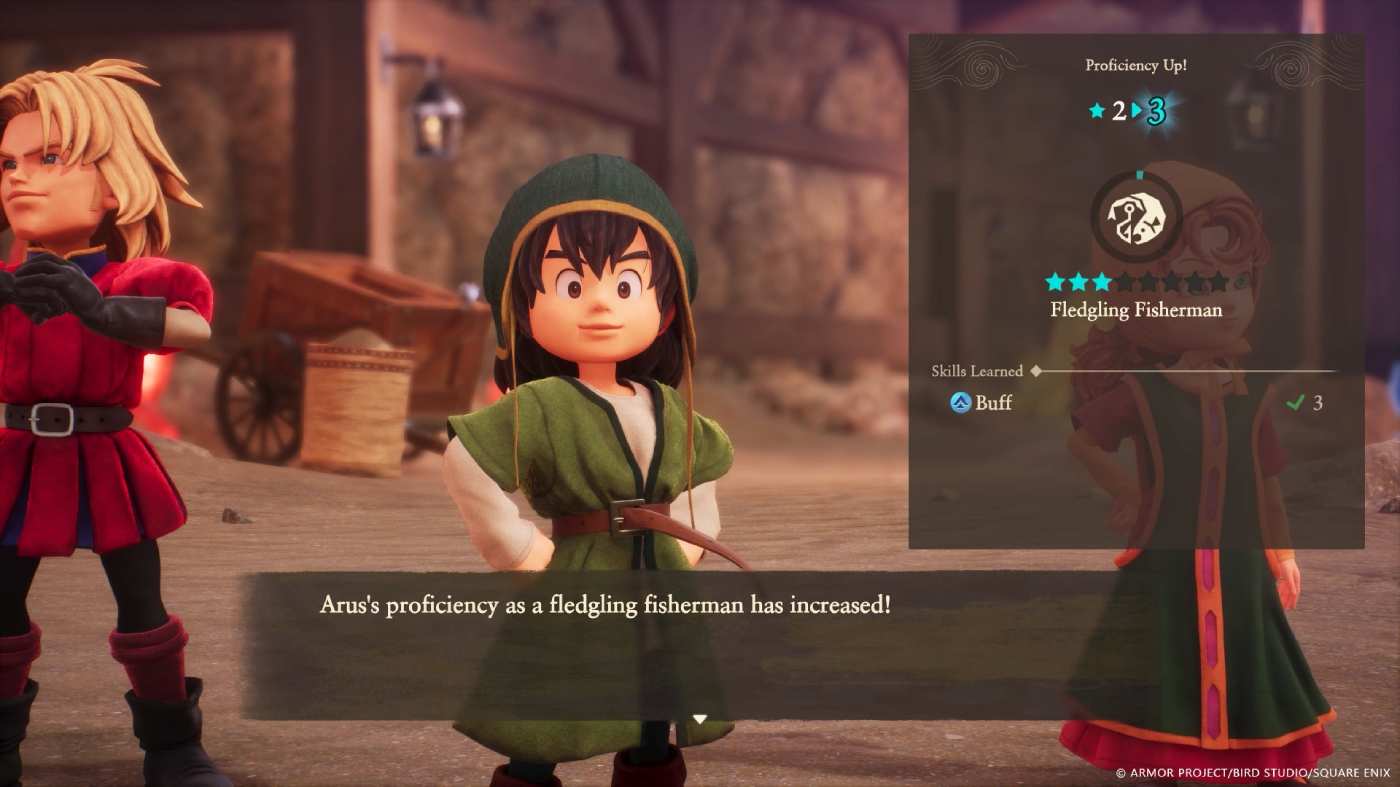
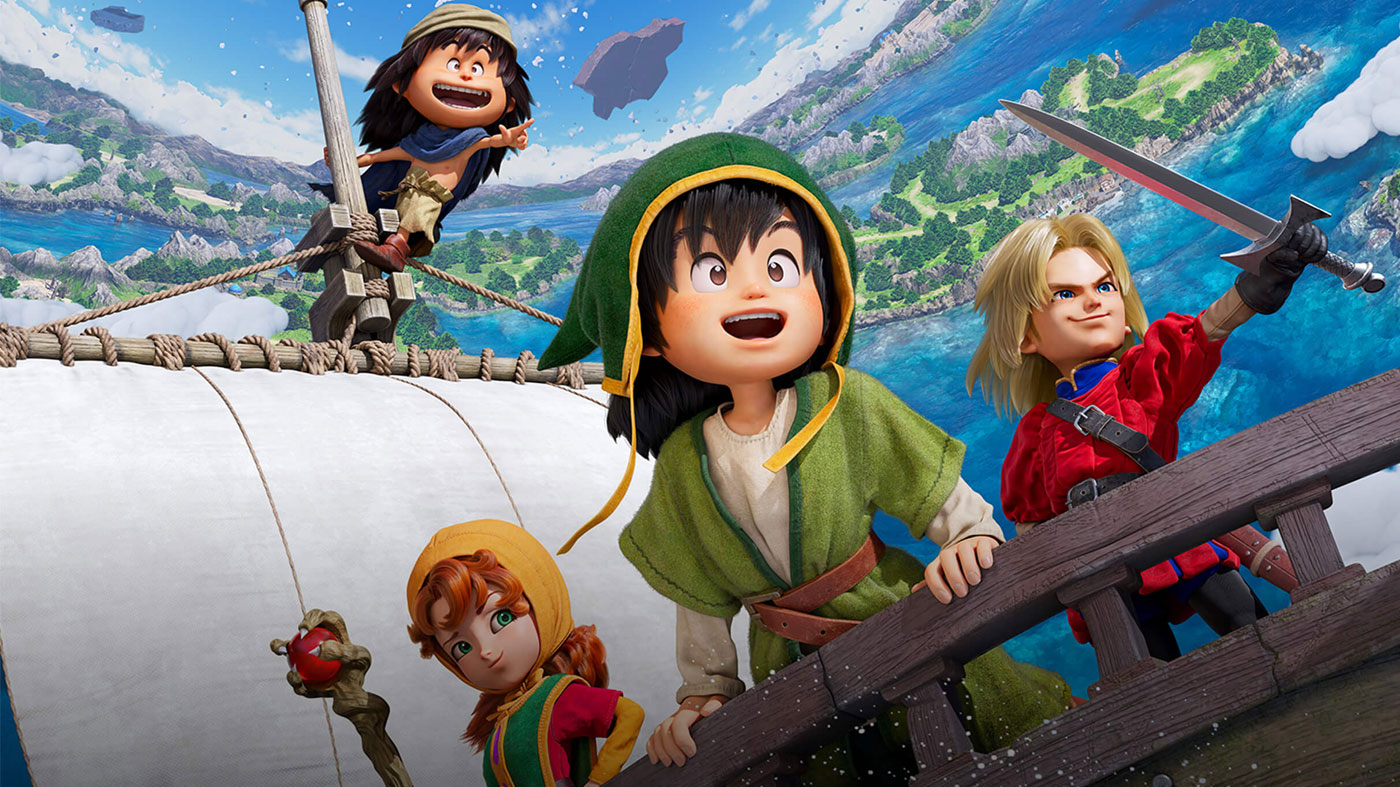
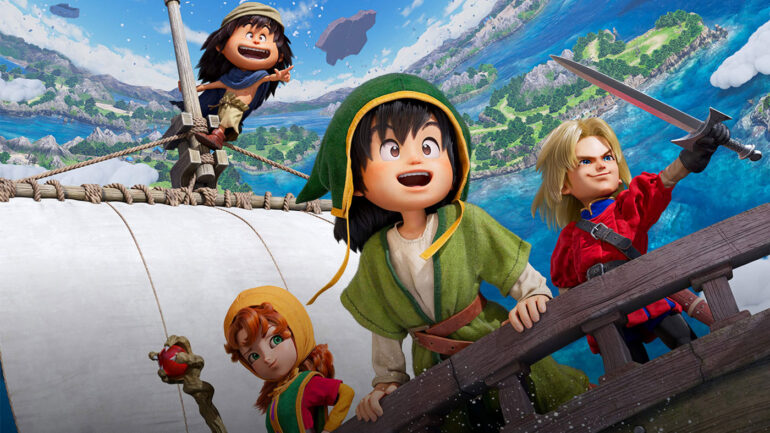
The best part of Dragon Quest VII Reimagined is undoubtedly its presentation. There’s been much talk about how Reimagined leans into a diorama-style aesthetic in its overworld and town designs, and I can’t think of a better way to describe this game’s art direction. It’s clean, colourful, simple, and fits perfectly for a modern 3D Dragon Quest game. Battles carry this forward, presenting enemies and party members as if they’re little figurines taken from said diorama and brought to life with incredible animation and voice work.
It all runs effortlessly as well. The Switch 2 is an excellent choice of platform for a game like this, offering sharp visuals in handheld and in docked mode with a steady 60 frames per second in both modes. Everything feels so smooth and seamless, regardless of whether you’re exploring or combating one of the game’s many bosses.
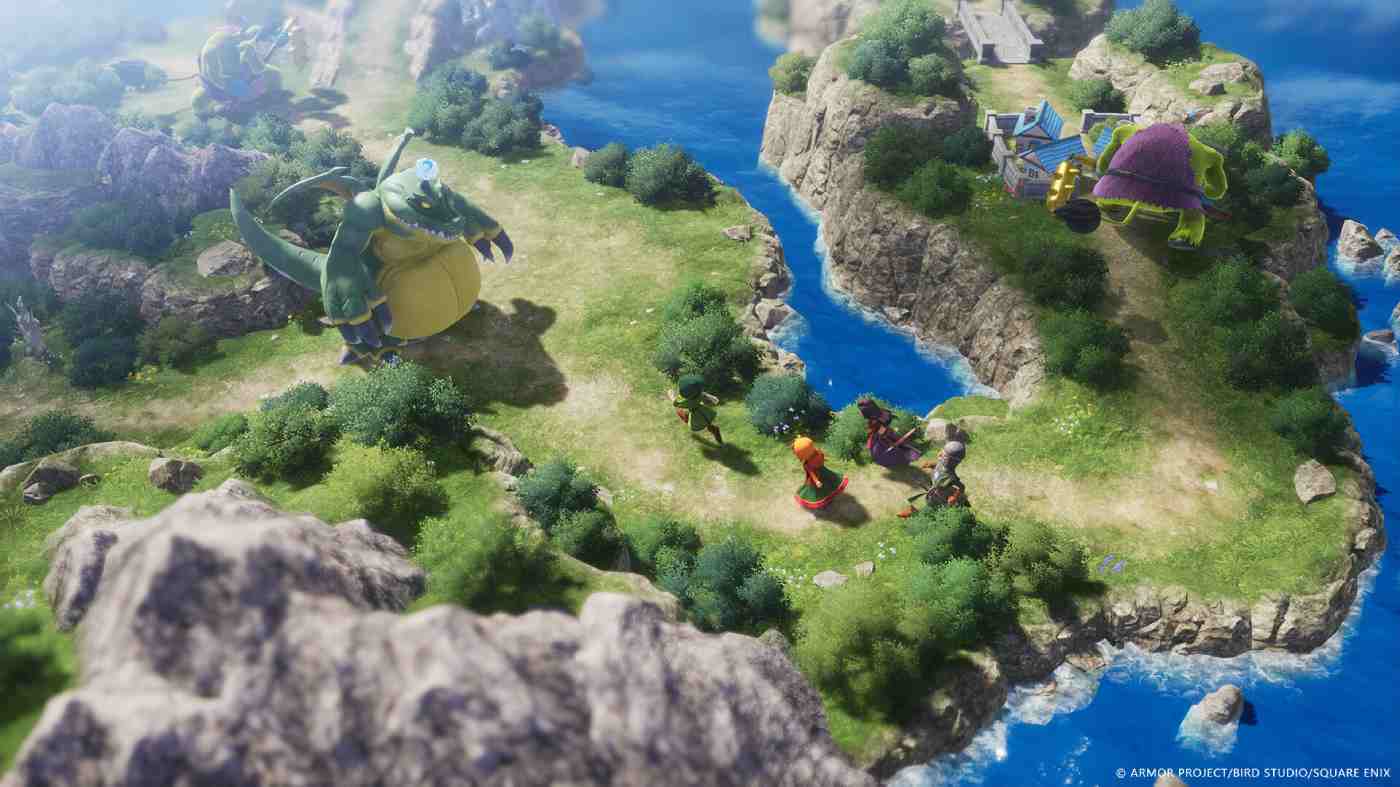
While it’s easy to get hung up on some of the shortcomings of Dragon Quest VII Reimagined, there are too many things it gets right for it to matter for long. So many of the existing issues have been remedied by smart and measured quality-of-life inclusions that cater to both series newcomers and longtime fans. Most importantly, Dragon Quest VII’s unmatched vibes remain as such – intangibly unique and impossibly charming.