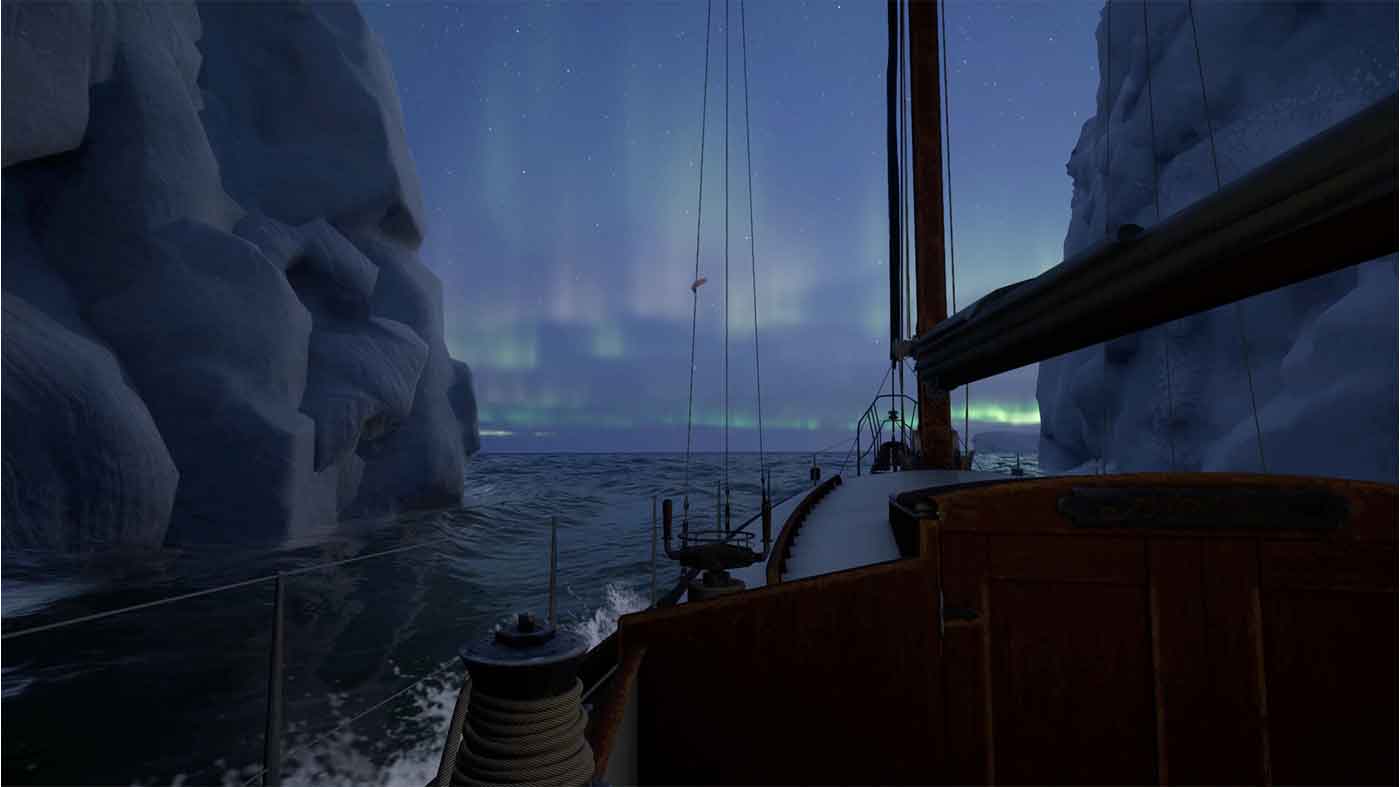



Will: Follow the Light has so much more than just the promise of adventure. It has the promise of an authentic sailing game, a crash course in marine biology, and a moody voyage to the north to mend fences, so to speak. Sadly, despite this grand overpromise, Will: Follow the Light fumbles in piecing its experience together. With the protagonist being a second-generation lighthouse keeper, the game’s big ideas and themes of navigating the dark to, well, find the light at the end of the tunnel, end up very on the nose.
After Will, a lighthouse keeper, is relieved of his post after news of a disaster reaches him, he returns to his hometown to find a mudslide has left his home in ruins. Worse yet, his son is nowhere to be found. After the breadcrumb trail about town eventually leads him to hope his son might be safe with his father, he sets off on Molly, his sailboat, on a journey to find them both. It ends up being a rather introspective adventure for Will, who realises that, through generational trauma, he’s grown as distant to his own son as his father was to him. On his pilgrimage, he’s left to reconcile his regrets, while rediscovering hope. It’s a pretty paint-by-numbers “sins of the father” tale that, despite being rather cliché and convenient in terms of how identical the father and son’s shared burdens are, has a satisfyingly emotional conclusion.
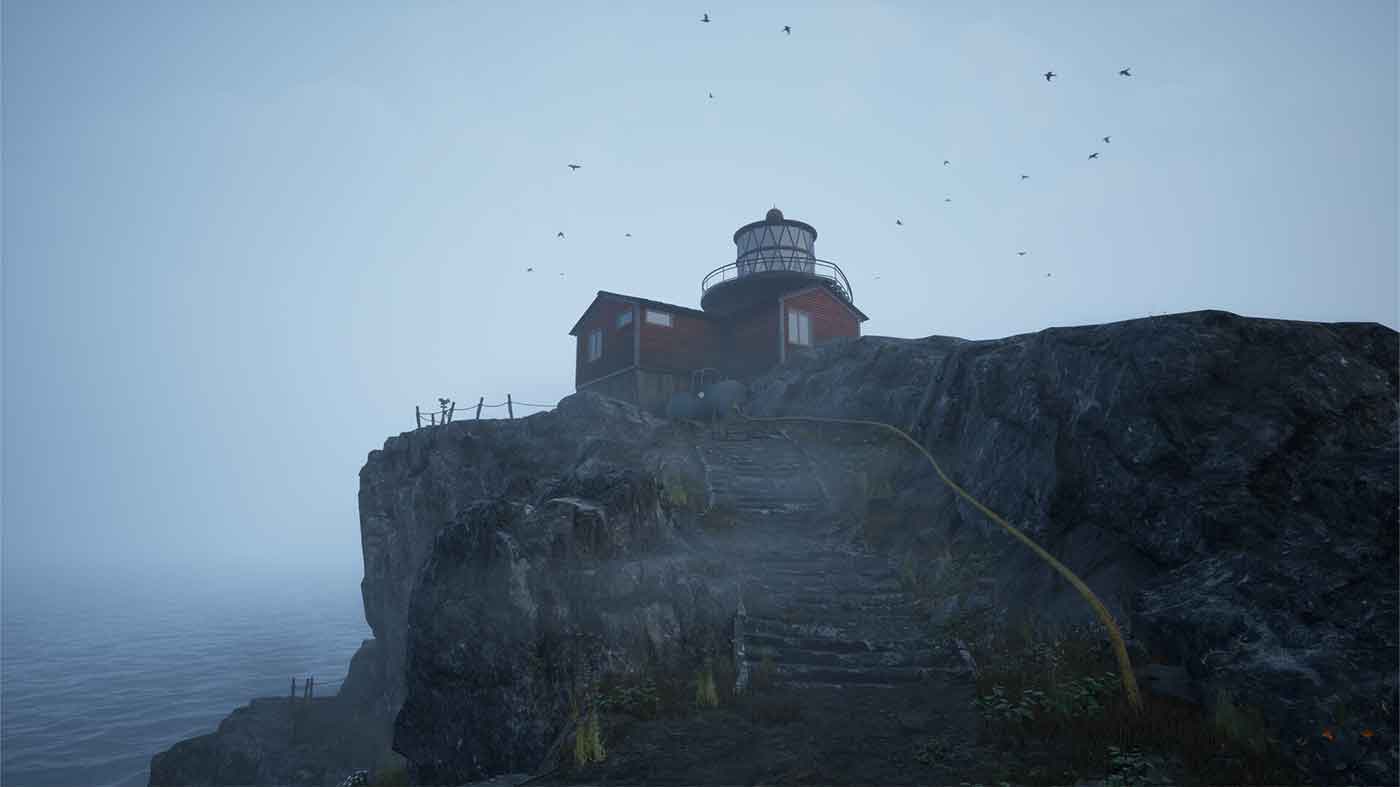
Will: Follow the Light is, for all intents and purposes, a “walking simulator” adventure game, with a focus on narrative, light exploration, and puzzles, not unlike Dear Esther or Firewatch. The game’s puzzles, which are largely rooted in manual odd tasks and repairs that a lighthouse keeper would encounter on the job, are all pretty clever on paper. In practice, however, many of them were rather obtuse due to a lack of information. I like the idea of helping a shipmaster fix your boat’s winch, and the “instructions” were helpful enough without showing the mechanism’s inner workings, resulting in the puzzle becoming a crapshoot in terms of what goes where. A more skilled tradesman might be able to make heads or tails of it quicker, but I can barely point out an engine, let alone cobble one together.
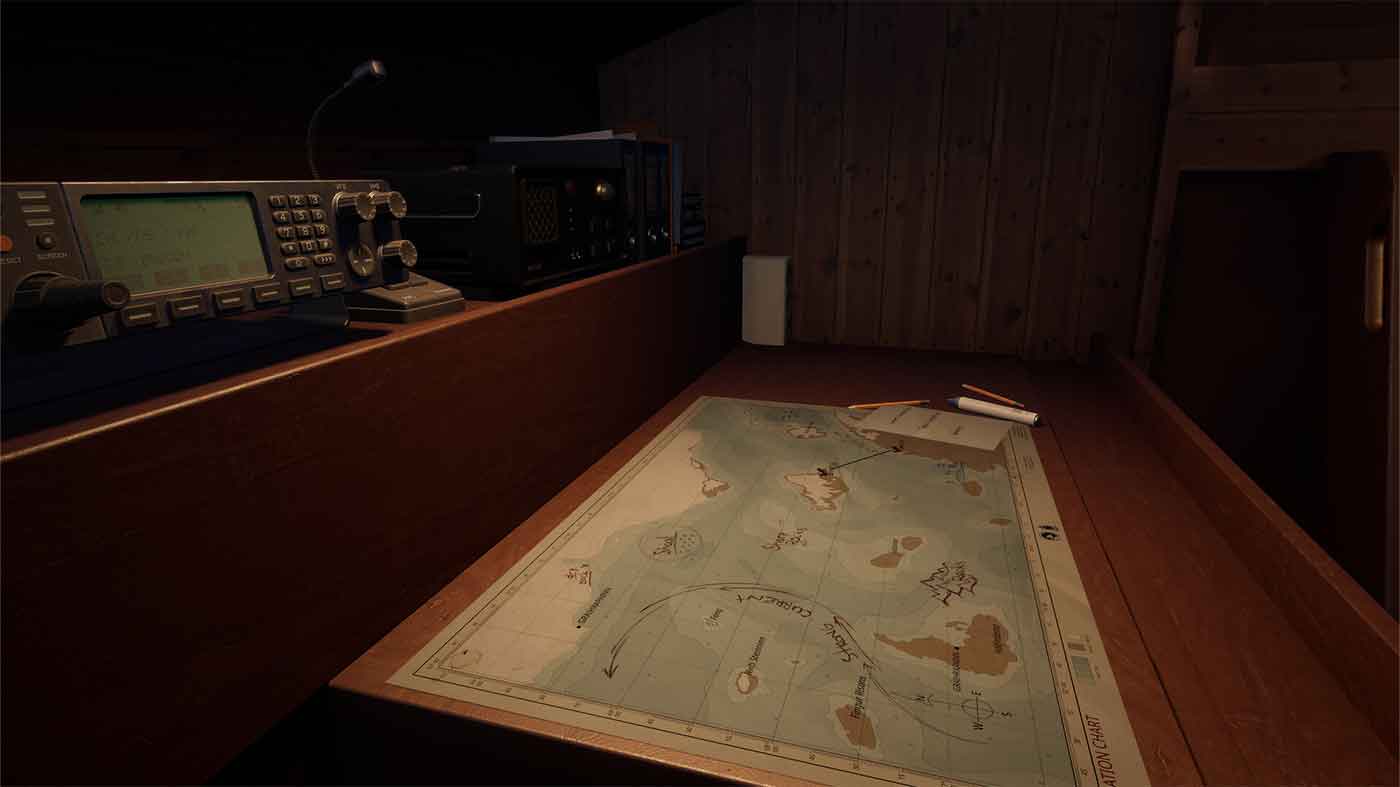
Similarly, there were a couple of door codes that I couldn’t make sense of throughout the game—one had numbers painted on rocks, another had me counting how many corners certain shapes had, and no matter where I landed with my workings, the door wouldn’t budge. In the end, being three-digit codes, I brute-forced the pair of them and went on my merry way. I do feel the better puzzles in the game were those that leaned into Will’s know-how as a lighthouse keeper and sailor, whether that was finding the azimuth, which is a real-arse navigational technique this game teaches you, or charting a sailing route on the cabin’s map.
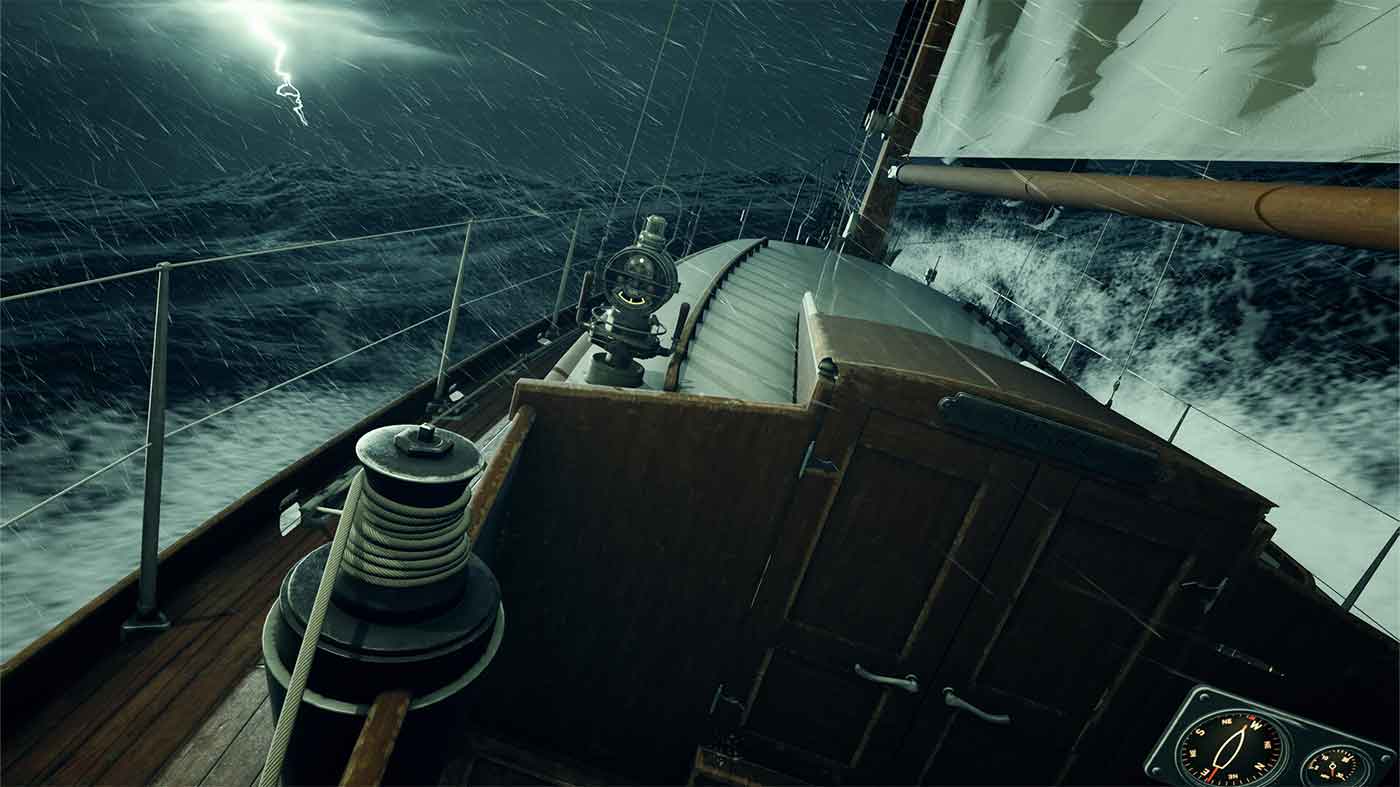
Within Will: Follow the Light is a pretty realistic sailboat simulator, and it’s arguably the most impressive part of the whole game. With front, back, and storm sail controls, a droppable anchor, and simple docking mechanics, I think there’s a necessary balance of macro and micro systems. It isn’t Microsoft Flight Simulator for sailboats, nor is it trying to be. But it’s serene, relaxing, and seems like a sound representation of what life’d be like navigating the treacherously cold northern seas before ducking into the kitchenette for a hot mug of tea. It’s made all the more jaw-dropping by the game’s sea, which was clearly an area of focus for the developer. The physics and lapping waves at play are the best I’ve personally seen in a game.
With Will: Follow the Light taking its hero on a voyage to a brisk, snowcapped tundra to find his son, some wild set pieces could only make sense in this game. Guiding a dog sled through fierce winds and going toe-to-toe with a sperm whale and polar bear, respectively, are among the Herculean feats that Will encounters in his odyssey, and it’s larger-than-life acts like this that sell his unwavering desperation to reach his boy, which ultimately helps make the ending as gratifying as it is.
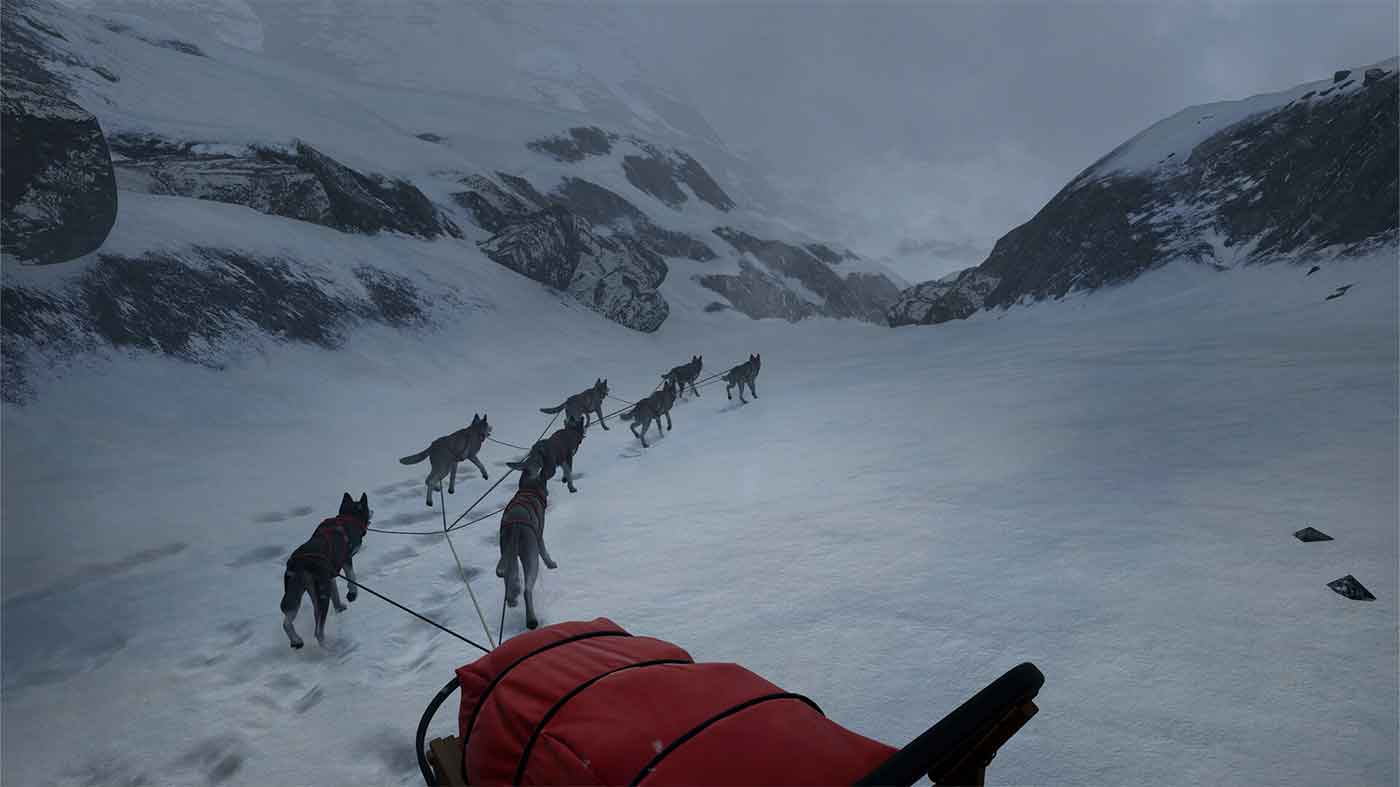
The game’s near-perfect seas aside, the remaining nature spots have a photorealistic quality to them, too. There are a few prototypical British moors that look beautiful, as if they were plucked right from God’s country to help punctuate this introspective journey of solitude. The only mild disappointment came by way of the regular shrubs and plant life, which, due to technical limitations, have a very short draw distance. There were moments where tufts of grass would pop in from no less than ten metres away. Character models are a little rough and rigid in terms of their movement; it makes sense that most NPCs delegate busy work to Will, because the few we see move are so robotic they aren’t able to hide the fact that there’s a pre-determined track they’re following. Similarly, lip syncing is unconvincing, though the developer is a global team, so perhaps there were issues of translation, which is further evidenced by incorrect subtitles.
Part of that could be attributed to Ollo Clark’s effortlessly natural delivery as Will, which did sound, at points, like he, as a Brit, might be ad-libbing to make the dialogue sound more authentic. His is practically a lone hand, as many of the other players lack the same, genuine nature; there’s one point where I swear I heard every individual letter in a very breathy “pfft” pronounced. I didn’t really notice the game’s music throughout, though there’s a magnificent, epic orchestral arrangement that the story ends on that was quite moving.
Will: Follow the Light might have its issues, but it’s still a pleasant surprise on several fronts. I’ve learned that I’d welcome a full retail game about sailing, and I’ve learned that Ollo Clark has potential to be a future star with his kind, everyman manner.