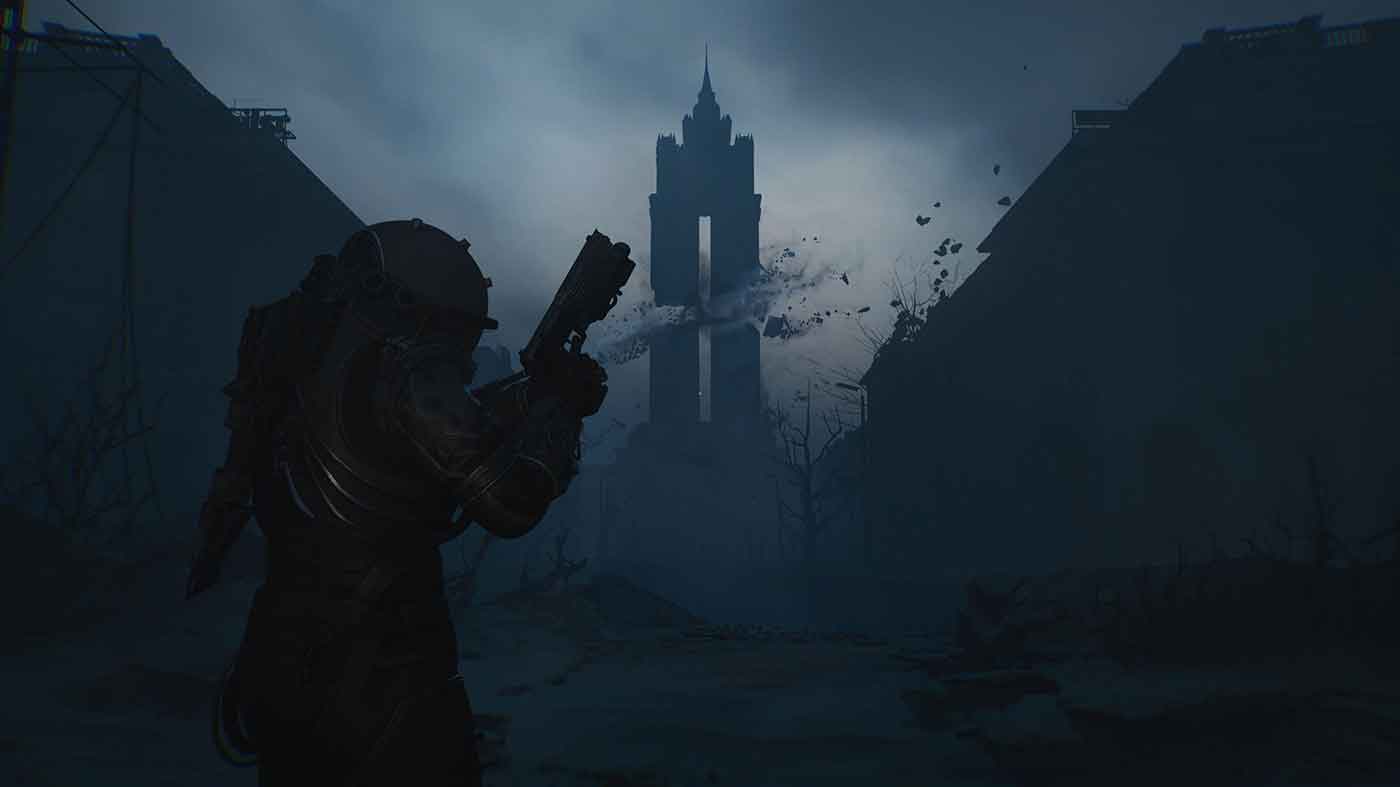



Let’s get one thing out of the way, because the inspiration is crystal clear and it wears all manner of similarities on its sleeve—Dead Space ran so that Cronos: The New Dawn could walk. With that said, not many mentioned in the same breath as Dead Space are going to fare too well so this certainly isn’t the indictment it sounds like. Cronos does so extremely well with regards to world-building, production, and atmosphere, and it’s as excited as I’ve been for a new horror IP in ages.
Your task, as a Traveler, is to explore New Dawn’s past and present to uncover the truth behind a viral infection that sees those affected meld together in a body horror soup to create some of the more grotesque malformations put to screen. A wrong turn for human evolution, to say the very least. What it is, however, is a right turn for the evolution of Bloober Team as a studio, which, after Silent Hill, could have easily regressed to the underachiever, studio-that-could they used to be. For so long, the missing ingredient has been an engaging gameplay hook to carry the story from end to end, and with Cronos, they’ve delivered a staggeringly brutal action-horror experience that, for obvious reasons, will draw comparisons to the Dead Space series.
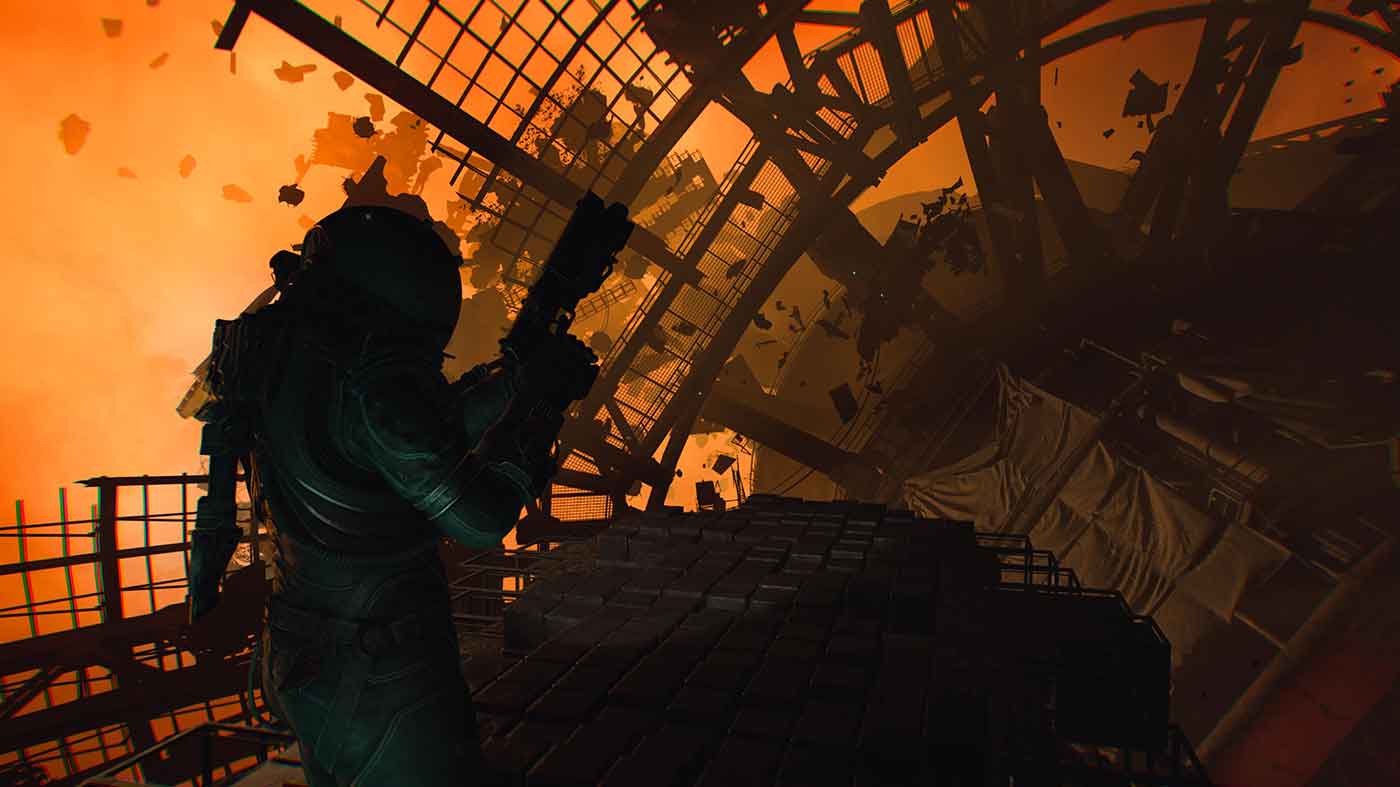
“Don’t let them merge” is an instant classic that, in my view, paints an even more desperate picture than the delimb-to-live aim of Dead Space. The fact that, if left strewn about the floor, living infected can absorb the bodies of the dead to morph into bigger, stronger monsters is a constant threat that constantly had me strategising and plotting my route through an arena. The game is characteristically stingy with resources; therefore, your resource economy is tested at every turn. “Do I burn the bodies now?” “How can I plan differently to save ammo?” It’s like spinning plates, and I found immense satisfaction in pushing through the game’s more challenging arenas. I might finally get what Elden Ring fans feel: there’s a relief that comes with tearing the wall down that you’d been bashing your head against.
The combat itself is very reminiscent of Dead Space; every weapon has an alt-fire that, when charged, fires a more powerful round that can be the difference maker. Given how tight the arenas can be, finding the extra second to white-knuckle the trigger can lead to a few panicked moments that add a level of exhilaration to it all. Melee, which presents in the form of a right hook and a stomp, never felt viable as a means of offense. It does create space and is best used to finish off grounded enemies, provided you want to resist the coup de grâce and save a bullet.
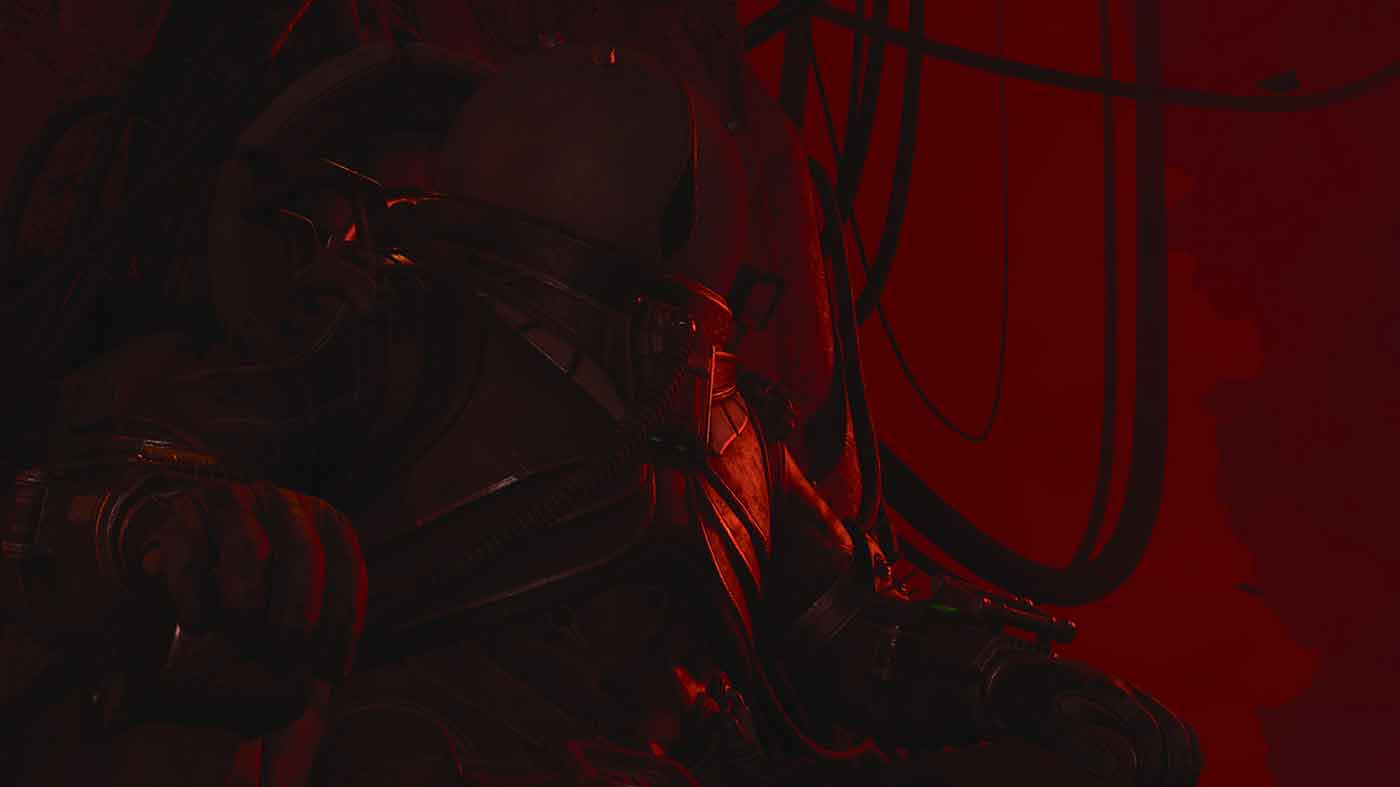
One thing I do wish the developers included was a dodge or quick-turn mechanic. The infected of New Dawn tend to rush and close space, or use their tendrils or acid spit at range, and although you’re able to telegraph it, getting the Traveler out of the line of fire is like moving a shopping trolley with a bum wheel. Being so vulnerable clearly helps in ratcheting up the tension; however, it led to a lot of frustrating deaths.
The body burning mechanic, in its own right, isn’t without minor issues. It’s such a novel idea on paper, and they do work hard to keep you under-equipped to burn all in your wake, however, a lot of safe rooms are just close enough to the game’s trouble areas that I was able to basically cheese the system by replenishing the two-use (if you’ve upgraded) tool by running back and forth to minimise the enemy’s merging capacity. Whether it’s because I found certain fights too frustrating or the setting itself a bit eerie is neither here nor there, with so many explosive canisters around, it would have been neat to have a risk and reward system whereby refuelling around the map, you’d remove that offensive opportunity. The system, as it is, is semi-exploitable and can interrupt the flow if the player feels they’ve no option but to save-scum their way through.
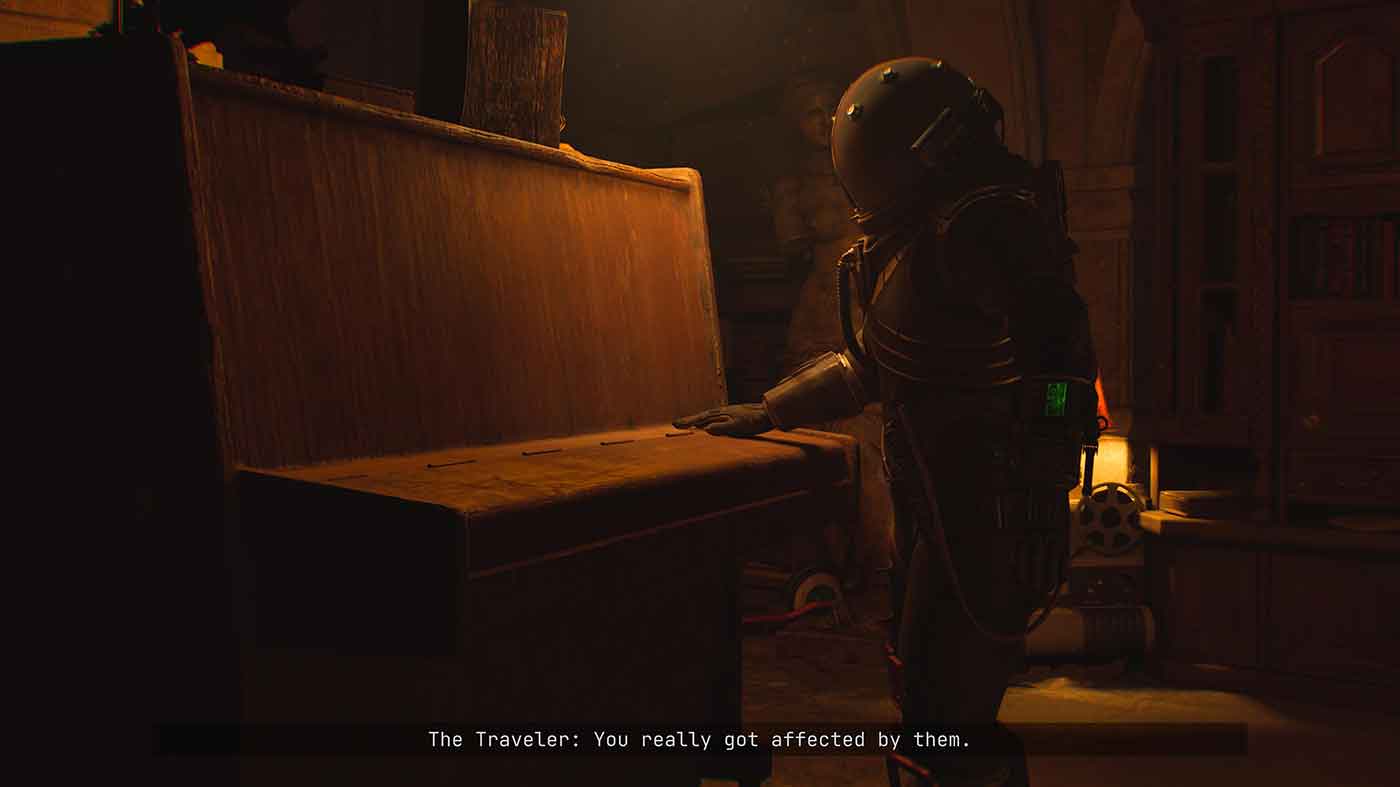
Despite still being a linear experience, New Dawn feels like Bloober’s biggest play space. The sense of confinement felt in games like Observer and The Medium is still there, but the game confidently moves, both narratively and scenically, through a combination of past and present as we’re told the outbreak story through logs and historical accounts and then live it as we dive into the timestream to extract key players in the pandemic in an attempt to right some wrongs. It’s such a compelling setting, and the world’s layout feels so carefully considered, as, in typical survival-horror fare, encounters lead to new gadgets which grant the Traveler new avenues for exploration, often leading to the closure of a loop and creating a central junction for the area at large. While I never felt particularly lost in New Dawn, I do find the lack of a map confounding.
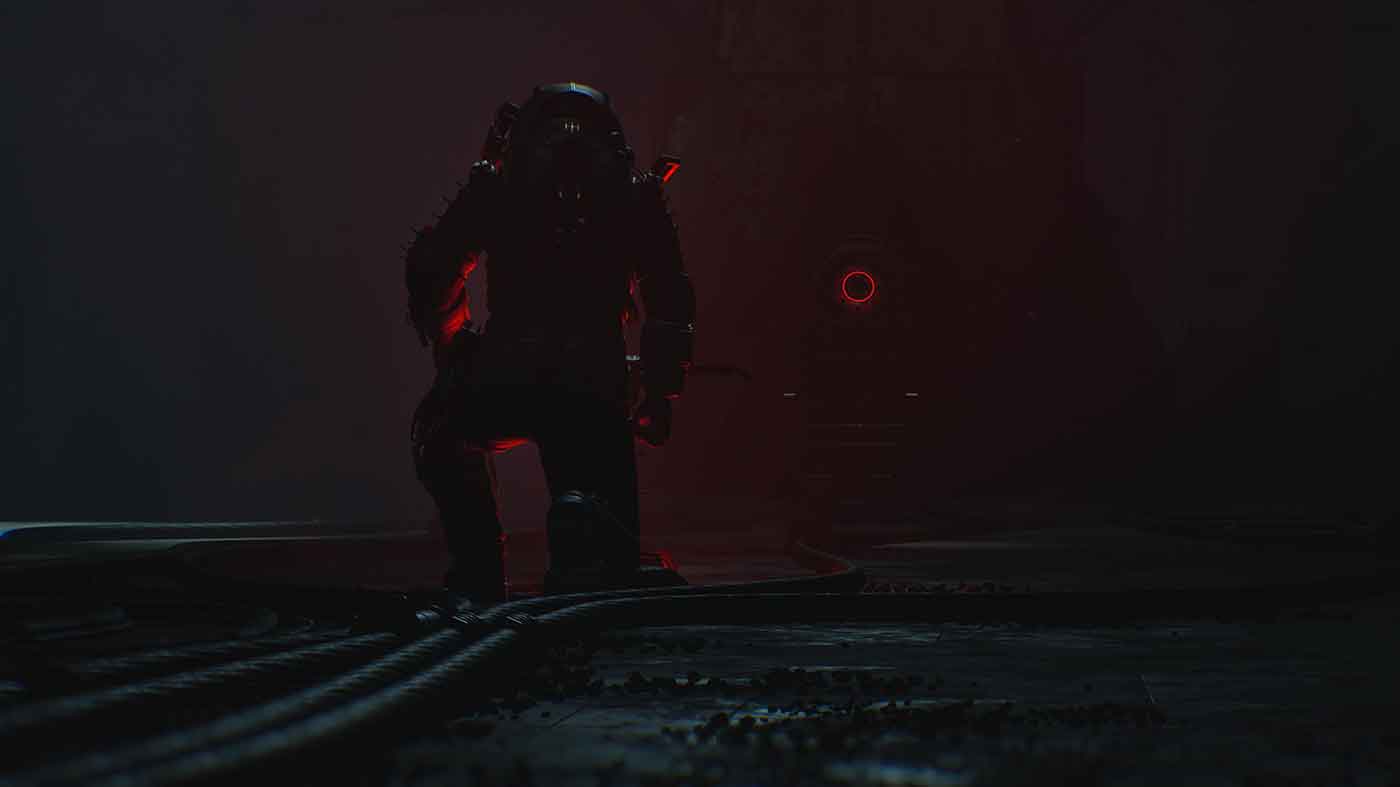
The visual identity of Cronos is one of its strongest elements. There’s an analogue, retro-futuristic vibe that, for a game about time-fuckery, cements it in a time and place. The game also commits wholly to its Polish setting, right down to keeping all signage authentically native, although the game translates in real-time as you hover your reticle over a phrase. So many of the locations feel distinctly Euro brutalist; there’s a coldness and solitude that looks as though it pre-dates the outbreak itself. The Traveler’s technology, however, isn’t anchored to a time period at all, which lets Bloober get pretty weird with it. The Traveler’s diving suit looks tough as a two-dollar steak, despite its impossible-to-unsee phallic helmet, and the guns have a modularity that reminded me of Control’s Service Weapon.
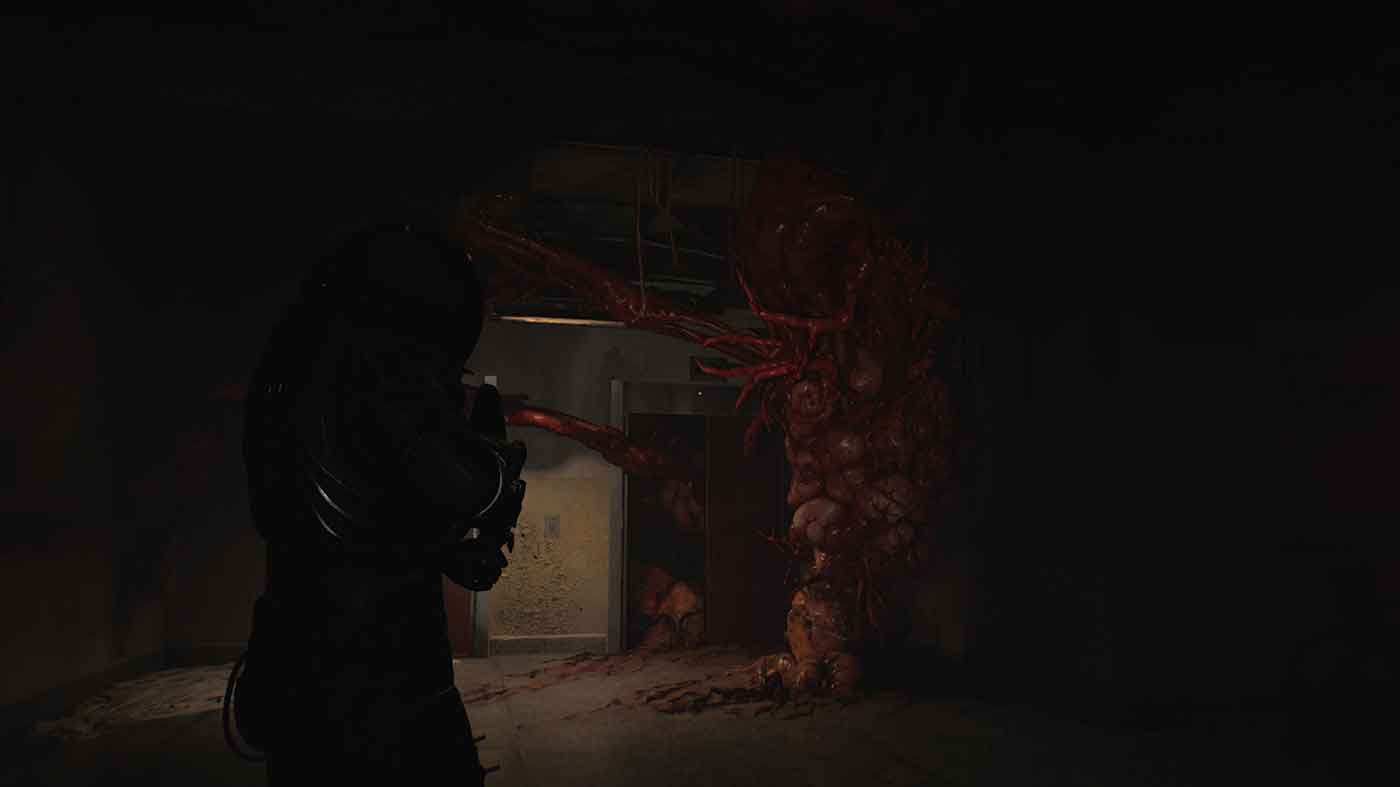
Perhaps it’s helped along by the fact that enemies can quite literally blend themselves, but the enemy variety left me satisfied in Cronos. As someone who adored The Substance, the game’s grotesque creations take body horror to levels similar to Monstro Elisasue. Writing masses of body parts lurching around is one thing, viscera and fully recognisable faces protruding from walls is another—Cronos is a genuine horror show.
For a game so dedicated to capturing an authentic snapshot of Poland, I’m a bit surprised they opted for such an Americanised approach to the voice acting. I found the Traveler’s monotone voice to be grating at first, but I think there’s a fearless stoicism and dedication to the cause that ekes through. Her emotionless exchanges with other characters reminded me a bit of Arnie in Judgment Day, but I found her performance rather inoffensive, in all. The sound design totally rips in Cronos; it’s a treat from stem to stern, and, with how much focus is paid to situational and directional awareness, headphones are almost a must. I also really enjoyed the game’s soundtrack, which is laced with 80s bass-driven electronica and synth.
Leaving Silent Hill off to the side, simply because it’s cheat codes to recreate one of the best games of all-time, Cronos: The New Dawn is undoubtedly Bloober’s most accomplished game from front to back. Despite my few issues with the combat, it has competence at a gameplay level that’s practically foreign to their back catalogue, and I can’t fault their aptitude for crafting gut-churning body horror.