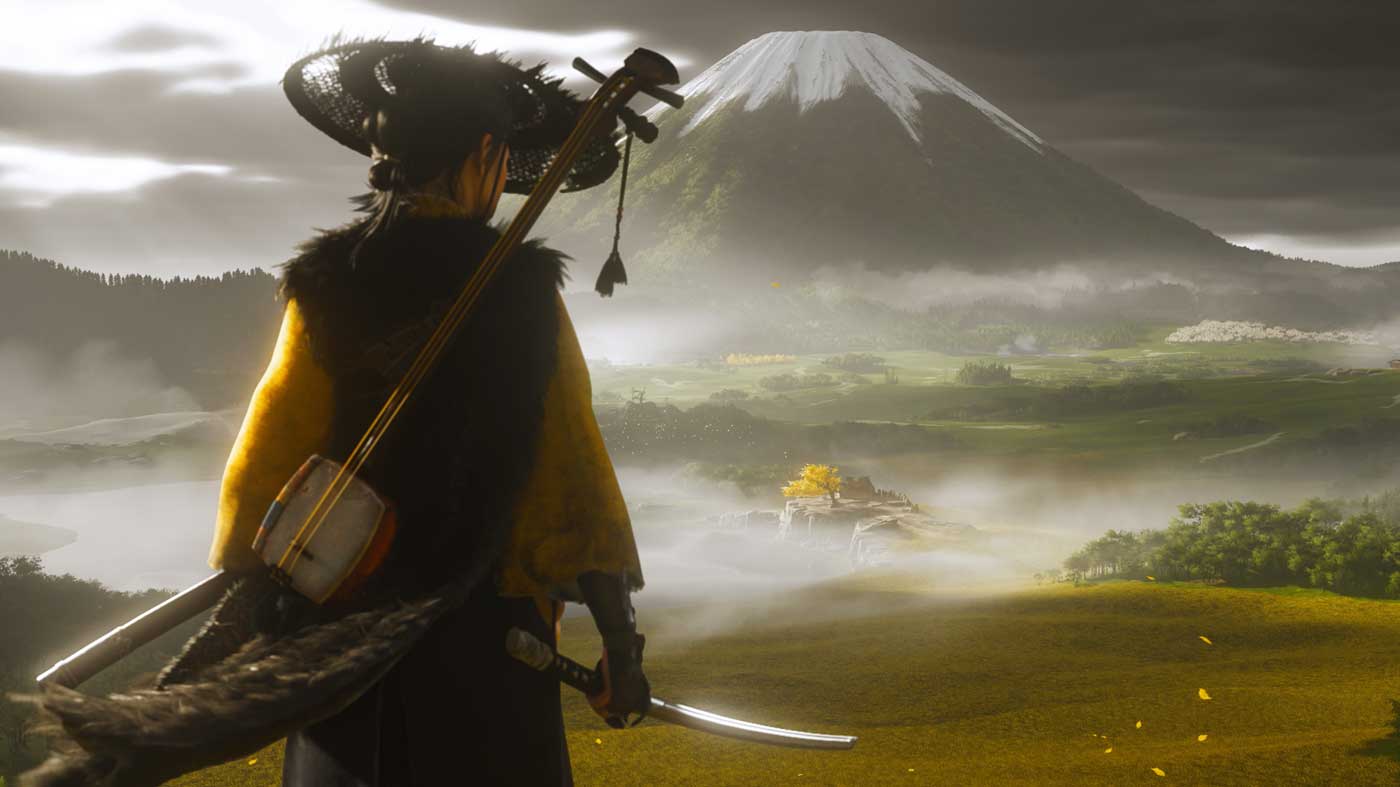



When you look back on it, Ghost of Tsushima really couldn’t have come out at a better time. Open world fatigue was setting in, people were stuck inside thanks to the pandemic, and historic Japan was, at the time, a novel setting that felt underexplored in the medium. It was inevitable that its success would lead to a sequel, which has eventuated in the form of Ghost of Yotei. While I don’t think Yotei has the same impact as Tsushima does, it’s worthwhile sequel that fans of the first game are sure to love.
It should be noted first and foremost that Ghost of Yotei is entirely divorced from Ghost of Tsushima. This is a standalone story with new characters set some 300 years after Jin Sakai’s fight against the Mongols. It uses this setup to great effect in a few different ways, but most apparent is how it has enabled Sucker Punch to explore new themes, locations, and characters without being tethered to the events of the first game.
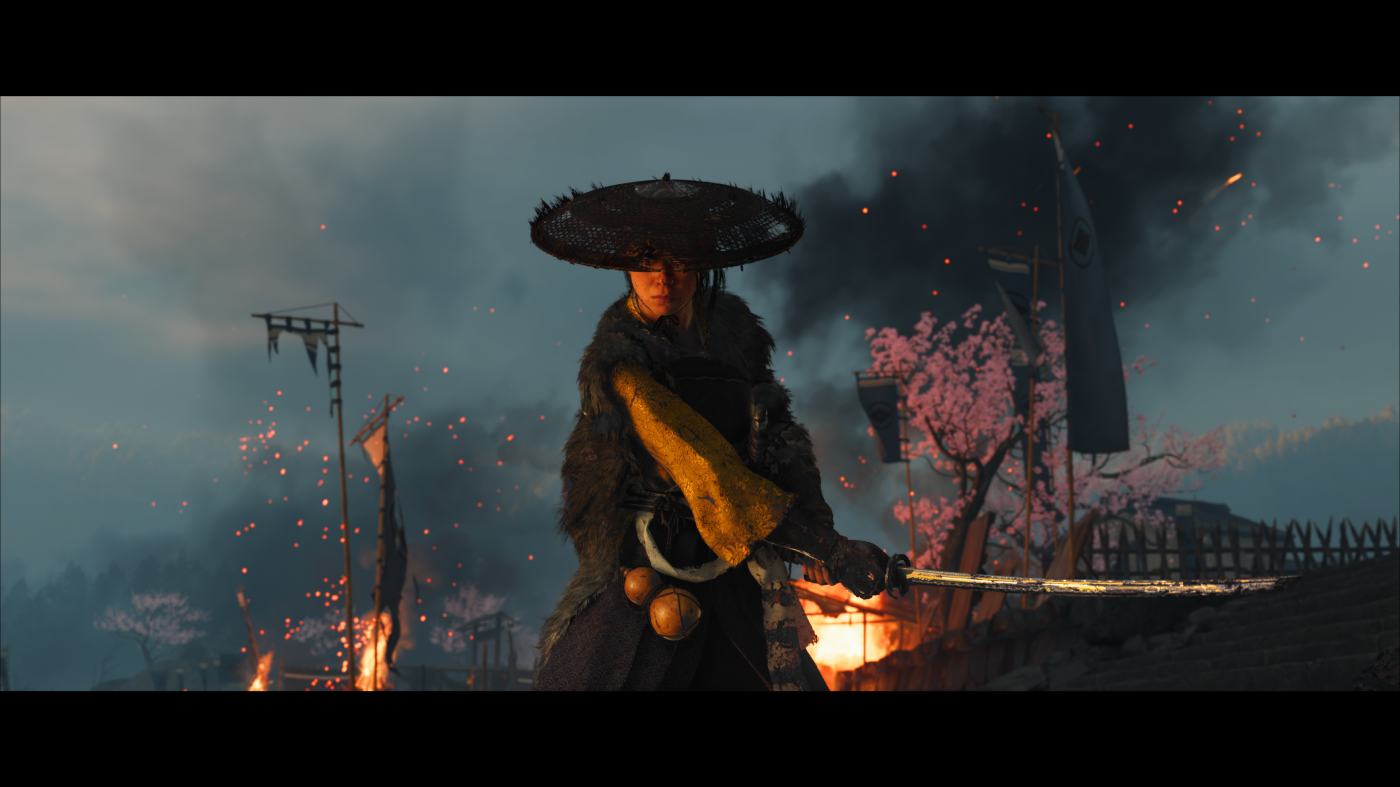
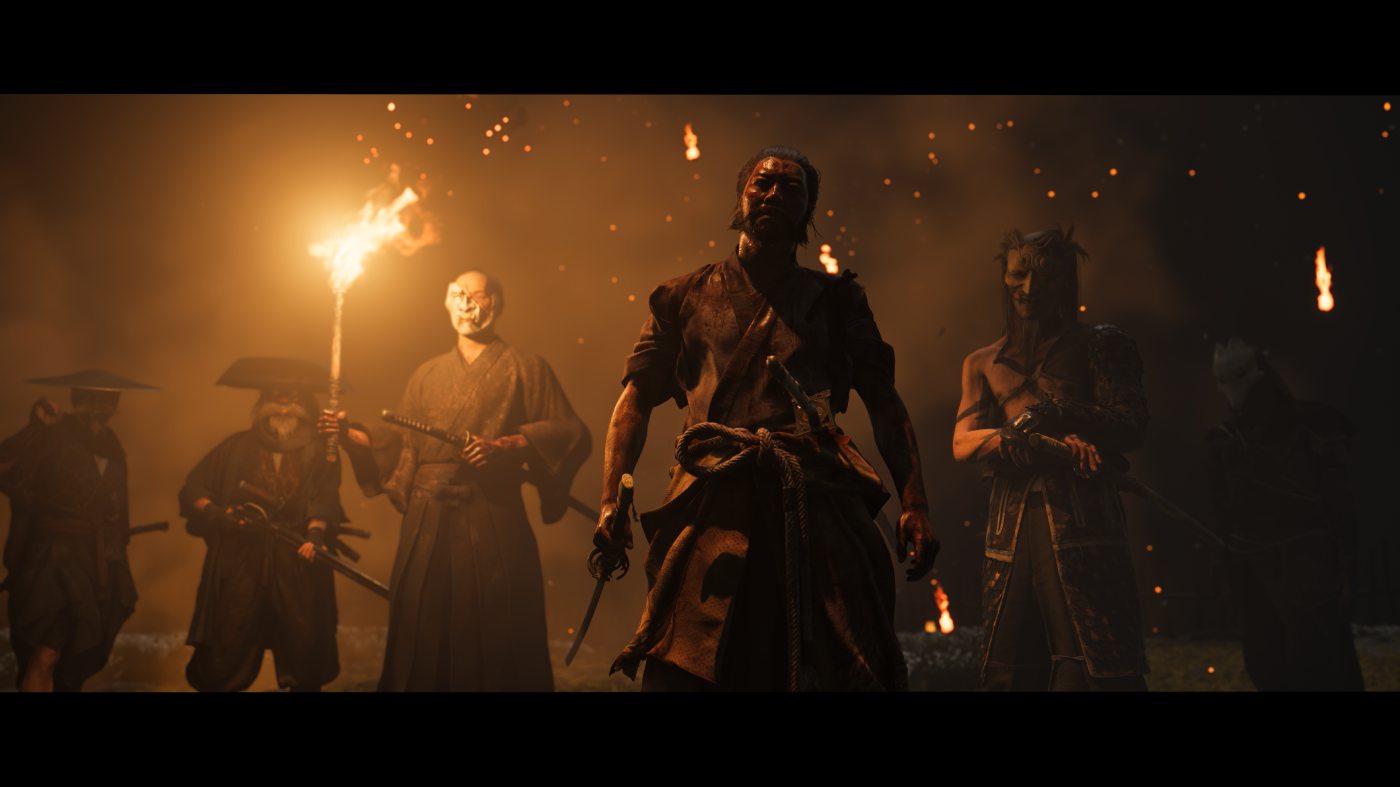
Ghost of Yotei is the story of Atsu, a lone mercenary seeking revenge against an outlaw group known as the Yotei Six. Led by the power-hungry lord Saito, the Yotei Six hold power over the region of Ezo despite the Shogun’s best attempts to assume control of the north. It’s within this power struggle that Atsu’s family is pulled into the crosshairs of the Yotei Six, leading to a fateful confrontation that leaves her as the sole survivor.
Sixteen years later, Atsu has no one. She’s cold, abrasive, and unwilling to forge bonds with strangers. She is singular-minded in her desire for vengeance against those who wronged her, and is willing to do anything to bring the Yotei Six to justice. Her return to Ezo after training in the south has more in store for her than she thinks, though, forcing her to confront her convictions while wrestling with her past.
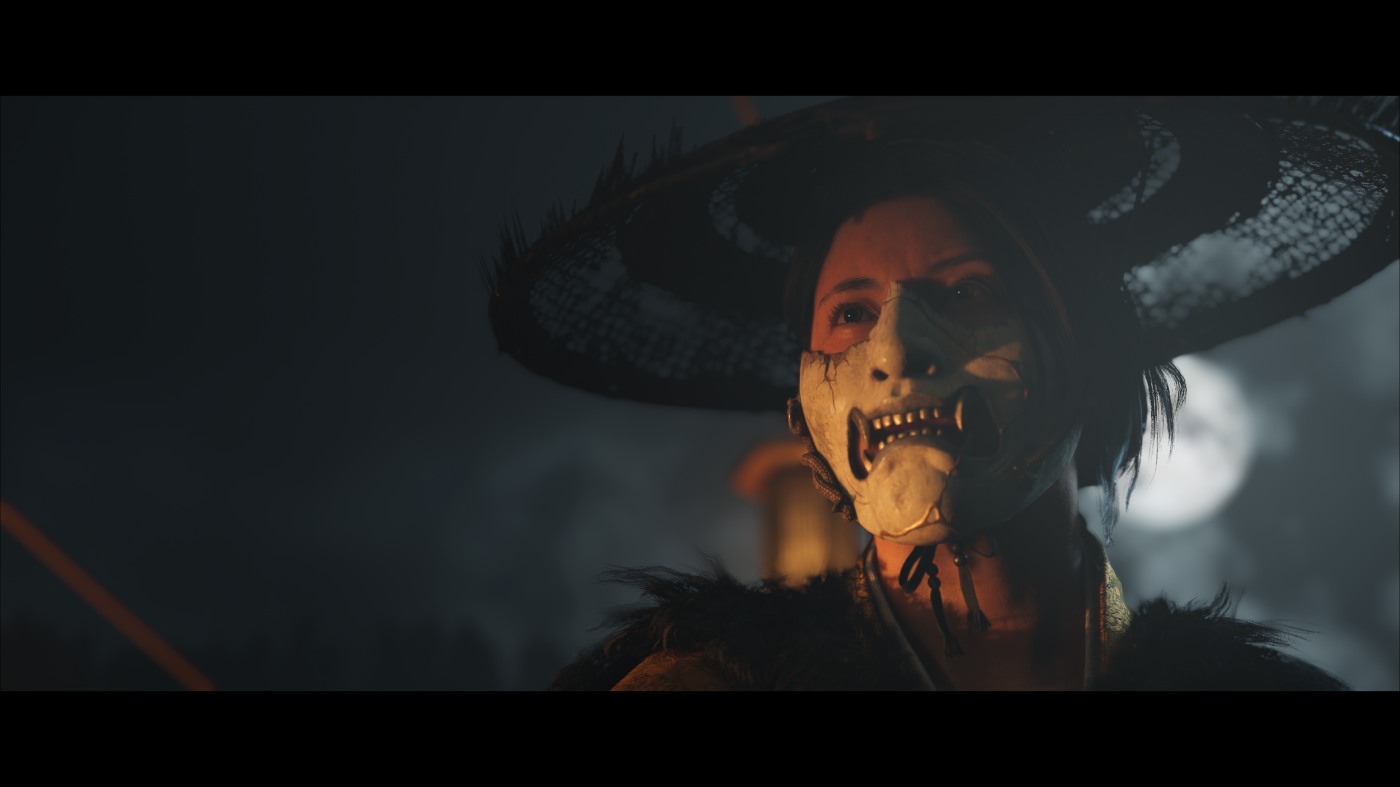
While not as immediately likeable as Jin, the journey Atsu goes on is deeply self-reflective. It isn’t far from what you’d find in Akira Kurosawa’s works, which is not coincidental. It’s a tried-and-true format, but there’s a reason we’ve seen so much of it over the years. While Ghost of Yotei might struggle in parts of its own exploration of revenge, it will stick with you when all is said and done.
This is largely thanks to an engrossing opening act and a conclusion that’ll have you strapped in for its last 3-4 hours. It’s that middle act where things fall apart a little bit, telling disparate stories pertaining to members of the Yotei Six that are individually enjoyable but rarely create a cohesive whole. It’s messy and struggles to find its footing, but it delivers on some great moments when it does stabilise.
It doesn’t help that the way this is all structured in actual game progression serves to exacerbate these issues. Almost every hunt for each member of the Yotei Six follows the same general flow of events. You reach a new area, talk with the locals to discover the impact of the Yotei Six in that region, have a run-in with them, they get away, you lick your wounds, and go after them again. Rinse and repeat.
Ghost of Yotei is still repeating this even when you’re making a move on the penultimate members of the Yotei Six. It ends up becoming predictable, even if the characters and specifics around the situations Atsu finds herself in vary. That isn’t to say there aren’t highlights within each quest chain, but it would’ve been nice to see some variation in how the hunt for each member unfolds. The fights with each member are genuinely fantastic, though, punctuating these smaller archs with challenging and satisfying boss encounters.
If you’ve played Ghost of Tsushima, you’ll feel right at home in Ghost of Yotei’s open world. Much like Sucker Punch’s previous efforts, Ghost of Yotei presents a vast and expansive open world, siloed off into sections that make up the broader whole. These regions are by no means small, though, and each is densely packed with activities. Tales, bounties, hidden treasures, enemy strongholds, and more are lying around every corner, which makes Ezo feel lived in.
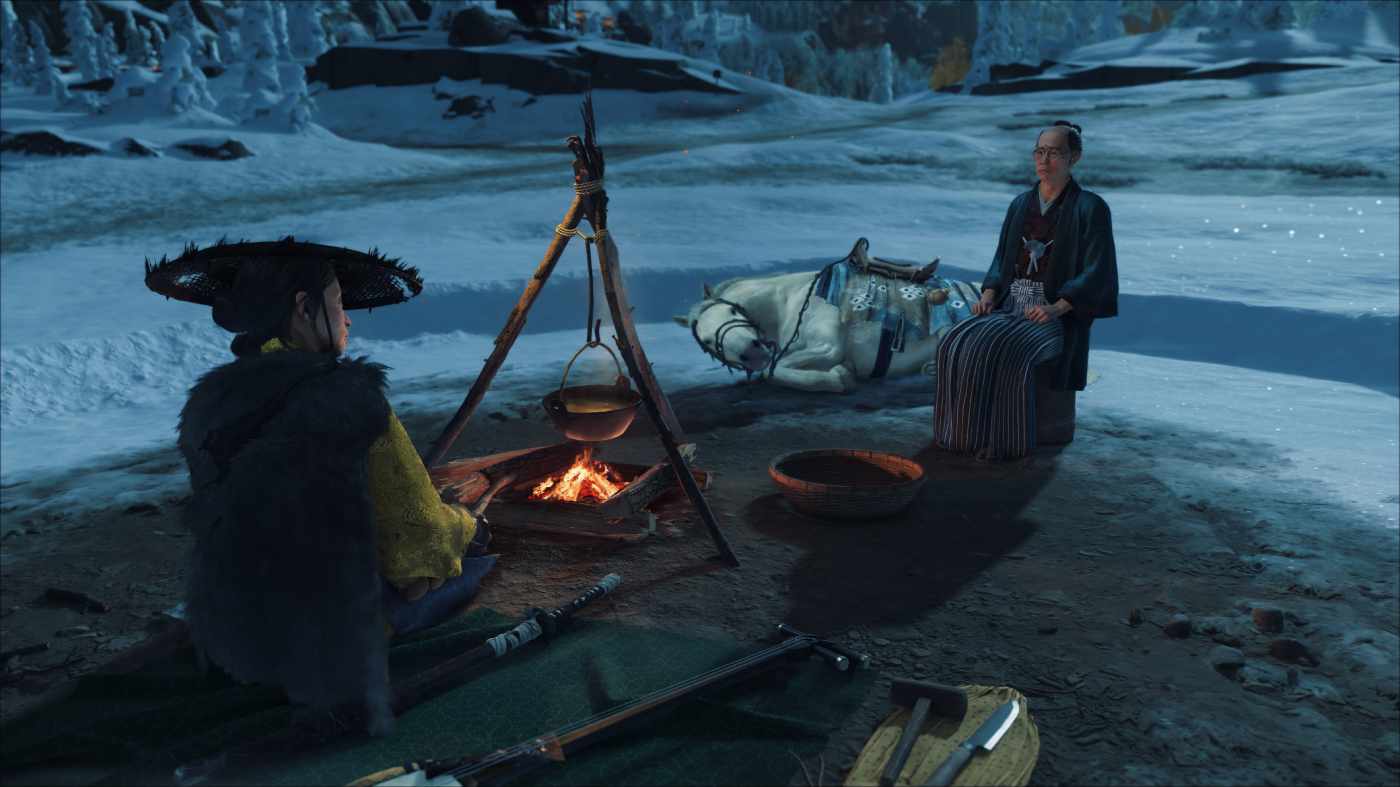
While it doesn’t feel as novel this time around, this kind of open world is still a blast to explore. A vast majority of Atsu’s progression is tied to exploration. Hot Springs increase your maximum health, completing Bamboo Strikes will give you additional Spirit Charges, and skill points are strictly earned through discovering and praying at shrines dotted across Ezo. You can even pop up campfires and invite allies to join you for a meal and conversation, which is a really nice way to expand the world.
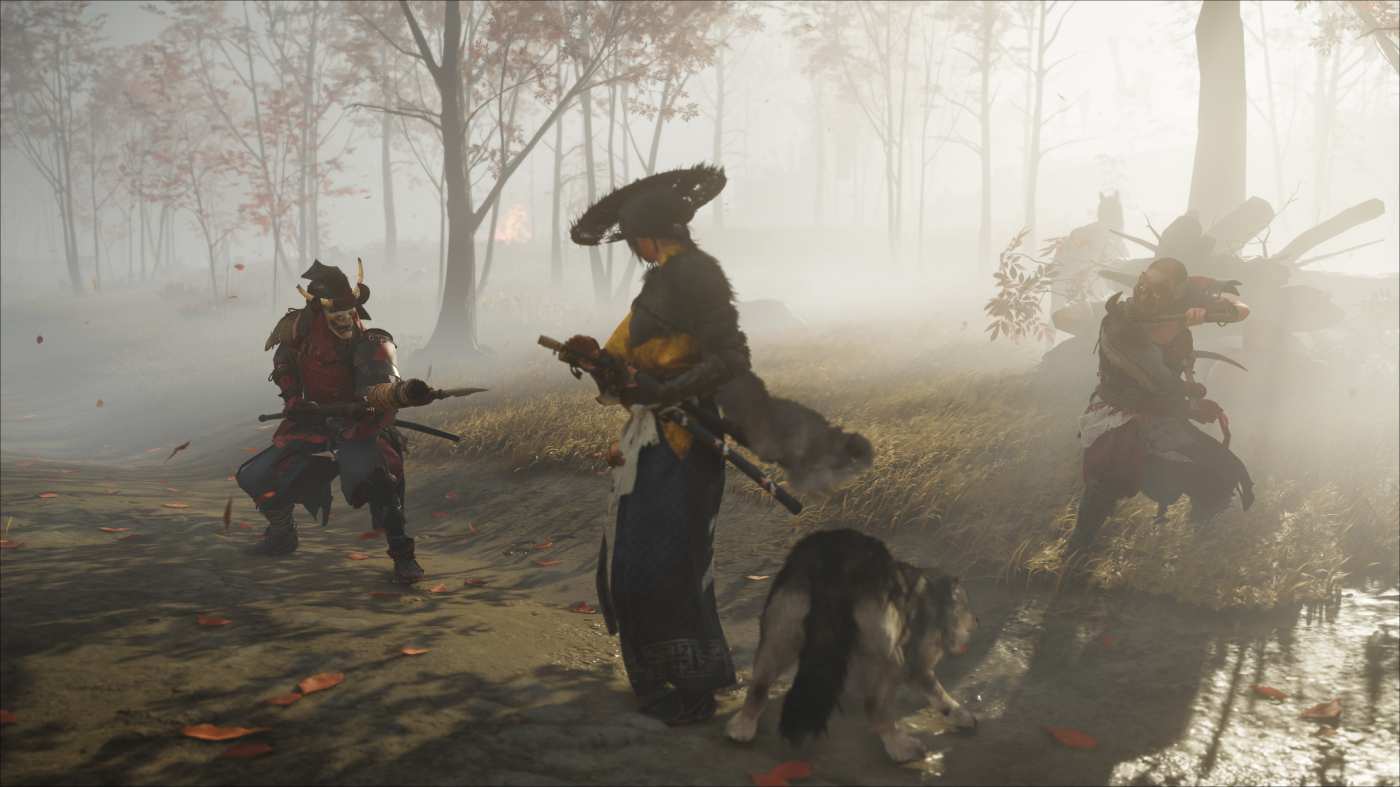
New to Yotei are Wolf Dens, which more often than not are or have been under attack by Clan Saito. It’s at these dens that Atsu will run into a wolf whose path mirrors her own, seeking revenge against those who wronged him. By accompanying said wolf, you can help to free his packmates and unlock skill points for an upgrade tree that revolves around the wolf assisting you in combat and stealth.
While it requires a little suspension of disbelief, it serves to highlight that being united in cause is enough to overcome the harsh frigidity of Ezo and Clan Saito. Sneaking through a camp with the wolf in tow as you take down unsuspecting guards is a unique kind of power fantasy. Similarly, performing a Standoff with the wolf by your side takes an already incredible idea to all-new heights.
Much like Tsushima, all of this comes together to create a culturally rich depiction of Japan. It really feels like Sucker Punch has gone the extra mile again to maintain authenticity and respect for Japanese history and folklore. Nothing in the game is more emblematic of this than its handling of the Ainu people, who Sucker Punch actually spent time with during a research trip to the Hokkaido region of Japan.
You’ll also occasionally travel back to Atsu’s home in the Yotei Grasslands, mostly for narrative progression or upgrades. One notable mechanic only featured at Atsu’s home is the ability to switch between time periods to Atsu’s younger self before the night she lost her family. It’s a neat idea that showcases what developers can achieve with the power afforded by the PlayStation 5’s SSD, but feels underutilised and easily forgotten given how infrequently you’ll return home. These moments are a great way to pull you into Atsu’s mindset and motivations, but I only found myself engaging with it when I ventured back for another reason and remembered its inclusion.
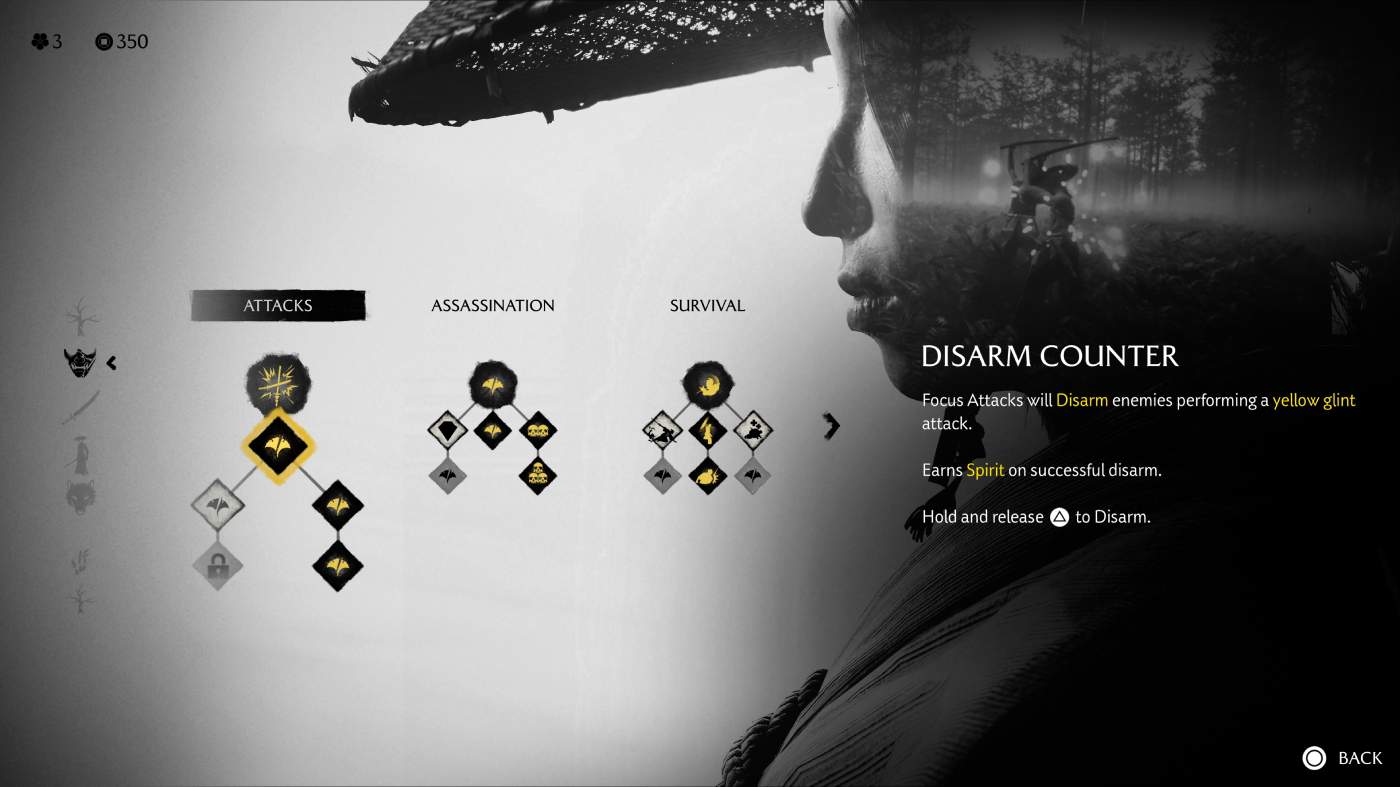
Combat here is also still good, but I wish there was more of an effort to iterate and grow Tsushima’s framework. It is, by and large, the same, just with a few new wrinkles and mechanics thrown in for good measure. One new inclusion I love is gold attacks, which are powerful strikes that disarm you if you get hit by them. If you’re able to counter with your own charged heavy attack, though, you will disarm the enemy instead.
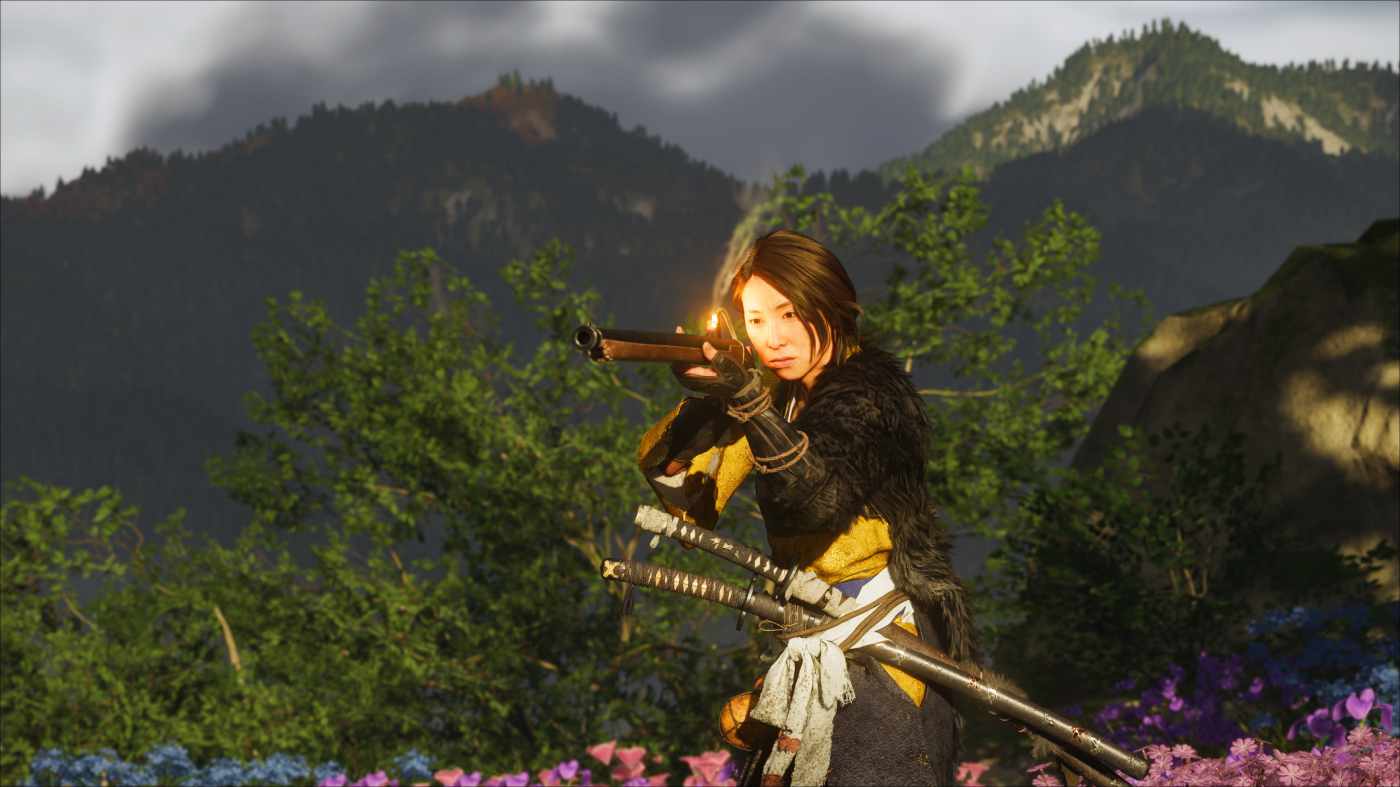
You can also throw these dropped weapons, which is immensely satisfying. It can’t be understated how good it feels to perfectly parry an attack and dispatch an enemy with a lethal counter, only to kick his katana off the ground for you to send hurtling towards his ally faster than he can blink. The new ranged options are similarly satisfying, with the matchlock rifle feeling particularly powerful with long reload times to compensate.
While the inclusion of new weapon types might seem like a real game-changer, they end up functioning the same as Combat Stances from Tsushima. You won’t be switching from weapon to weapon as you chain combos, because that same lock-and-key design from Tsushima returns here. The katana is best used against other katana wielders, the odachi against brutes, the kusarigama against shields, and so on.
They’re individually fun to use and feel distinct, but it’s a bummer that you need to use the correct weapons relative to each enemy type. It’s a shame because each weapon has its own special techniques and additional moves you can unlock as you progress through its tree. The process of unlocking each of these is a blast, though. Each region of Ezo is home to senseis who’ll teach Atsu the way of their weapon. Instead of showing you this in a training montage, you actually engage in activities that build the relevant skills required to wield each weapon. It grounds the progression and adds to Yotei’s overall immersion.
The final part of combat is Onryo’s Howl, which functions similarly to that of Tsushima’s Ghost Stance but feels much more imposing. Scoring enough kills without getting hit will allow Atsu to unleash Onryo’s Howl, terrifying nearby enemies as they become paralysed by fear. Heavy winds rip through the environment, all colour drains from the scream, and the Onryo of Ezo that everyone has been talking about steps into reality.
Stealth continues to be functional and robust, if a little bit overpowered. It’s still satisfying to sneak through camps and slash necks like a ghost in the night, but I do think the enemy AI is far too forgiving when it comes to detection. Even if you are spotted, often you can take them out quickly enough that it won’t alert the whole camp and allow you to continue.
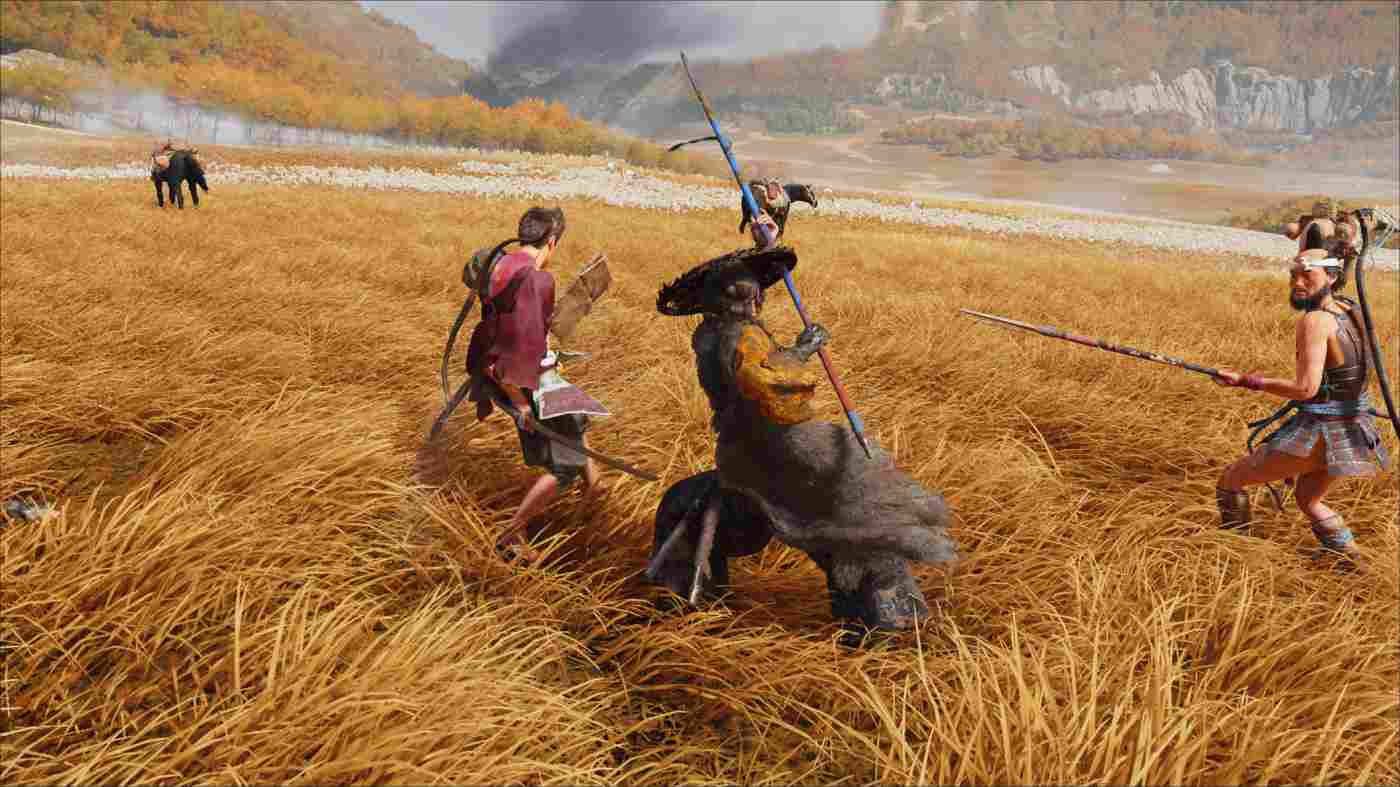
One part of Ghost of Yotei that I grew to appreciate more and more on its higher difficulties is in gear and customisation. It functions identically to how it did in Tsushima, but there’s far more flexibility in how you build, allowing you to spec into different playstyles. Whether that be through stealth or going for perfect parries, or even looking for high uptime on terrifying enemies as you thin their numbers.
THE CHEAPEST PRICE: $89 WITH FREE SHIPPING FROM AMAZON
Charms also make a return to further expand on the buildcrafting here, adding an even deeper level of flexibility and customisation. One new inclusion is a proper loadout system, allowing you to save armour and charm combinations that can be swapped on demand. It’s a small addition, but one I’m sure hardcore fans of Tsushima will love.
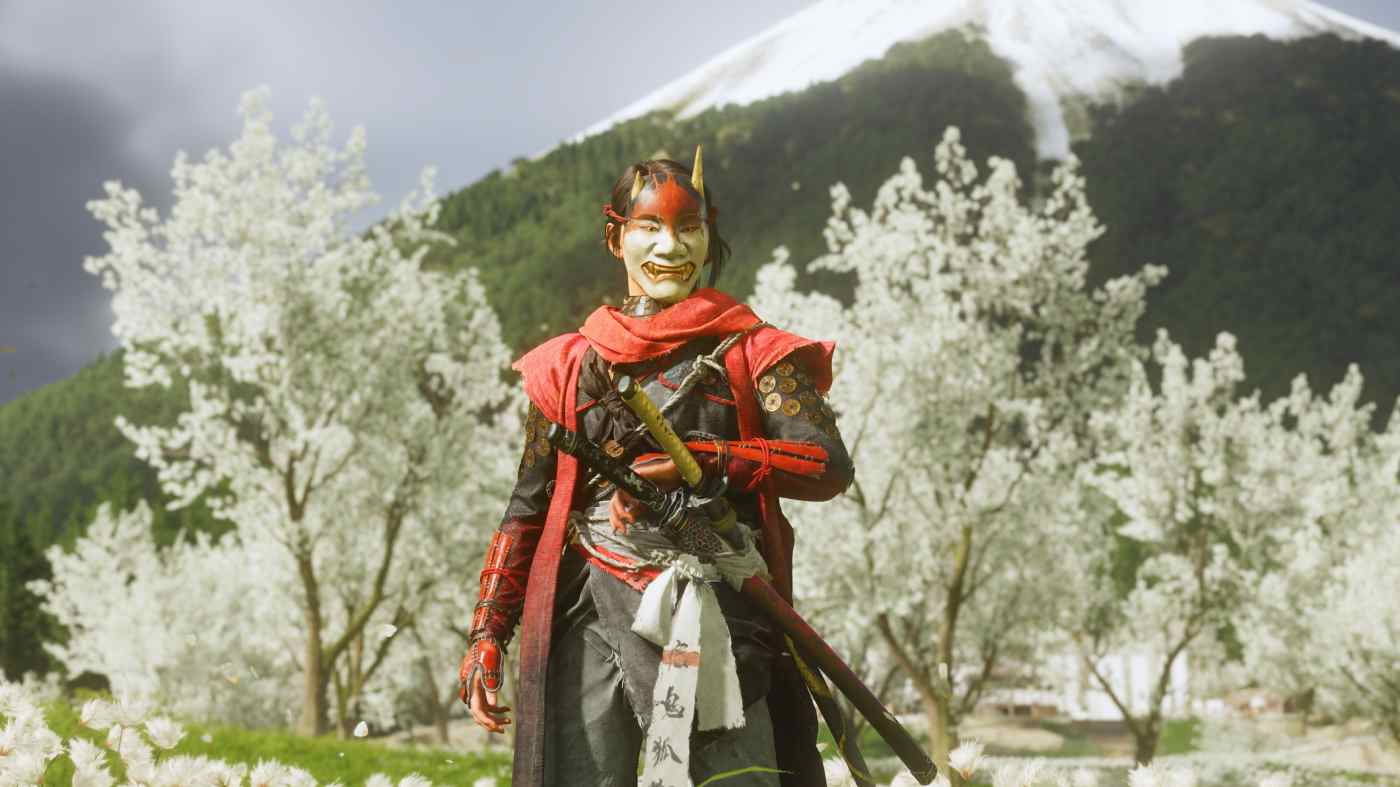
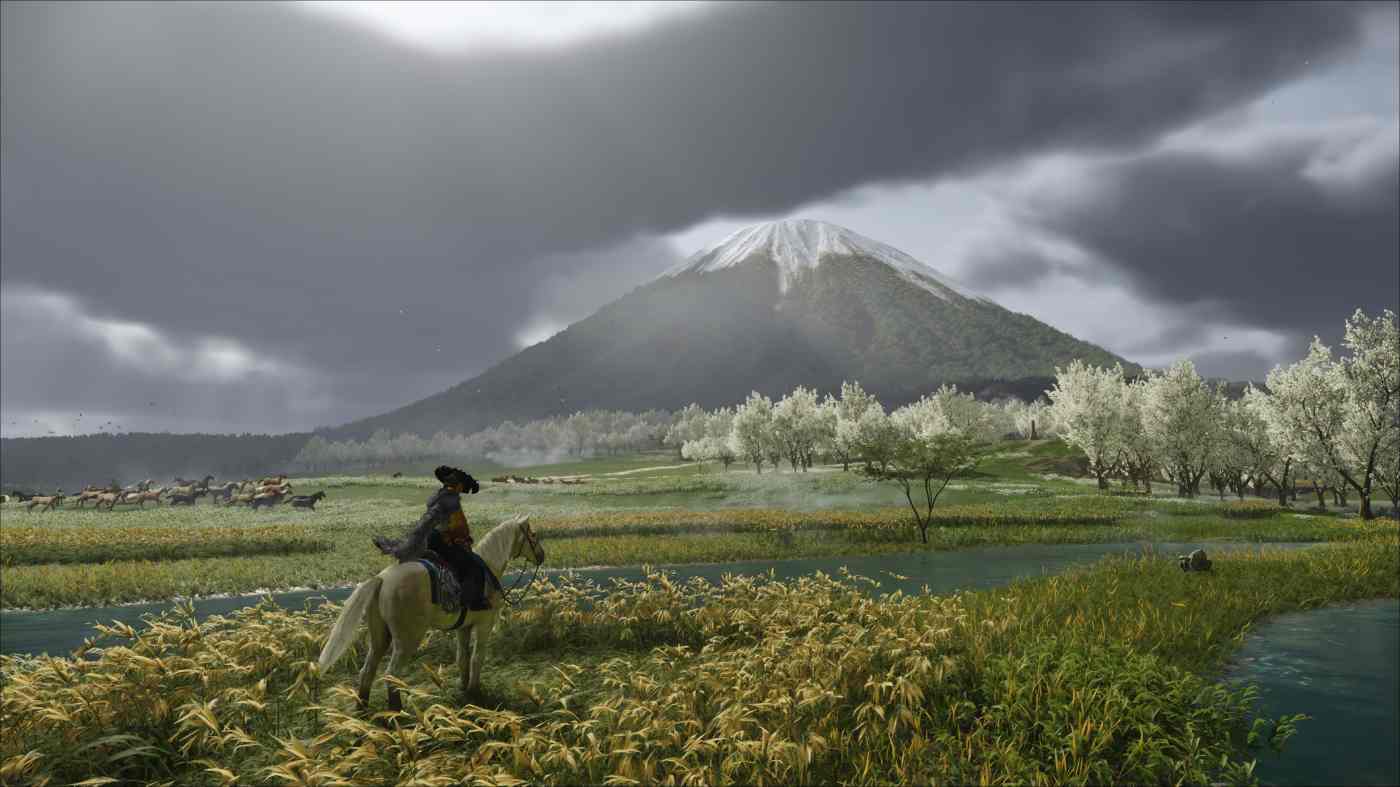
When I played Death Stranding 2: On the Beach earlier this year, I remember thinking to myself that there’s no way any game would be able to exceed its visual fidelity and art design in this console generation. While Yotei is an entirely different beast artistically, it easily stands alongside Death Stranding 2 as one of the best showcases for the PlayStation 5 thus far. I don’t think I’ve taken so many screenshots playing a game before – and that’s just on the base PS5.
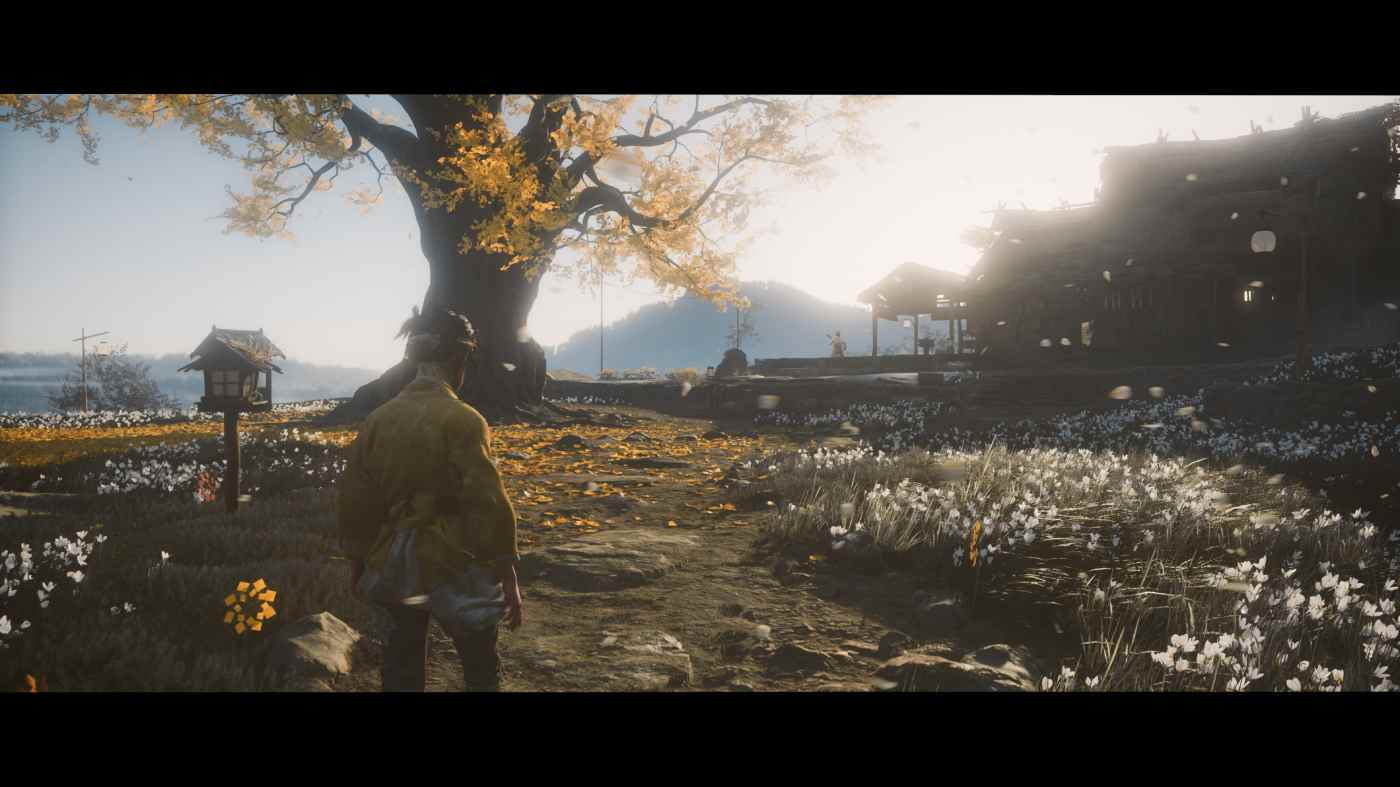
Each region of Ezo is so different from the rest. The Yotei Grasslands are reminiscent of Tsushima’s early areas, with rolling fields of lush greenery and flower petals floating in the wind. Ishikari Plains, my favourite area, stands in stark contrast to this, with ashen air and deep red hues permeating the landscape through scarlet leaves and charred ground. What’s even cooler is that each area feels directly linked to the visual identity of the Yotei Six member that oversees it, creating a striking connection between narrative and world.
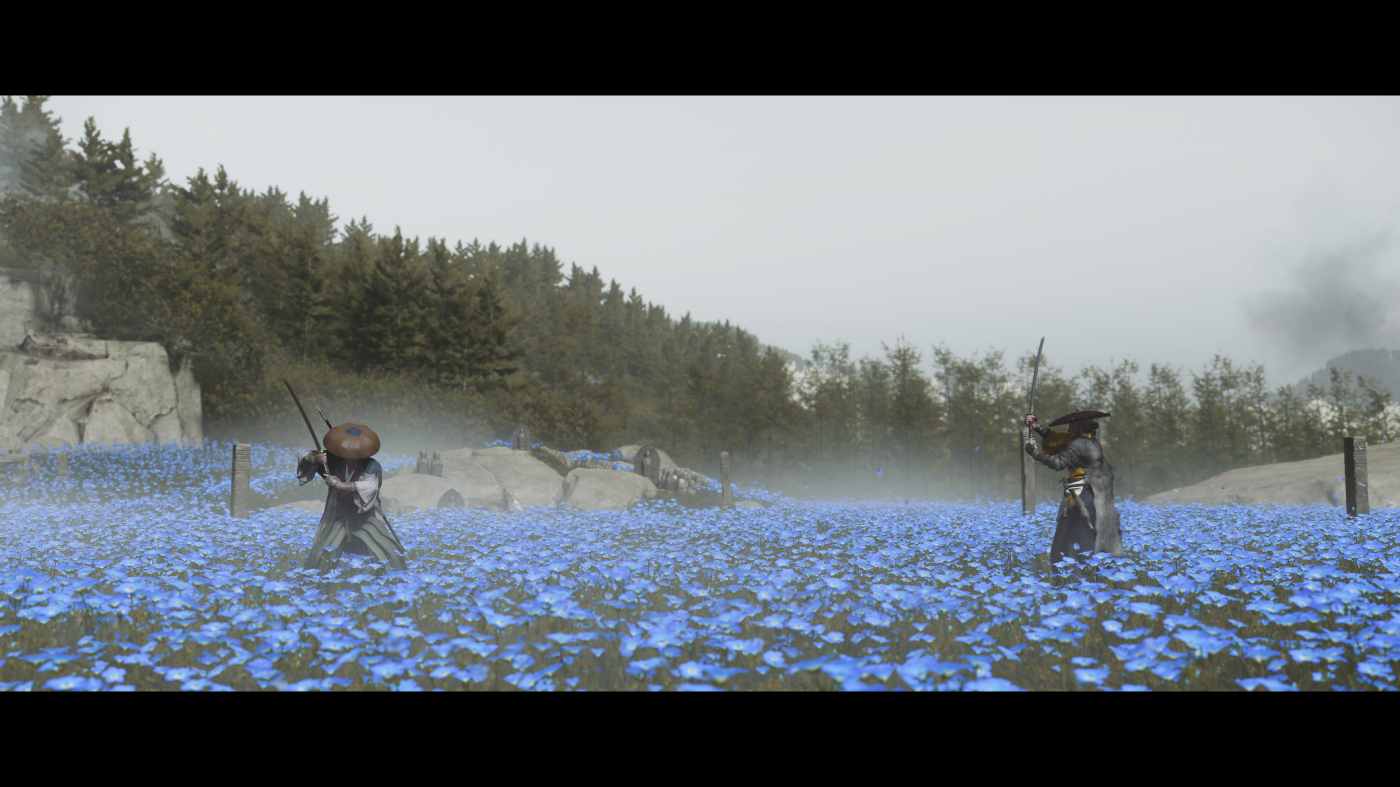
It has the standard performance, quality, and ray-tracing presets here at launch with the usual trade-offs, but each does its job remarkably well. Perhaps more exciting is Yotei’s integration of new cinematic modes, which add replay value and a unique, stylish flair. Kurosawa Mode from Tsushima returns with a black and white filter, film grain, and audio effects. New to the series is Miike Mode, which adds more gore and grittiness to the experience overall, with Watanabe Mode bringing in original lo-fi beats that score your exploration of Ezo, which is perhaps more suited to post-game exploration.
When it comes to playing on the PS5 Pro, there’s a fourth Ray Tracing Pro mode that enables higher-quality lighting, running at 60 FPS at an intermediate resolution, which looks absolutely phenomenal and feels like you’re getting the best of all three other modes that are available on the base PS5.
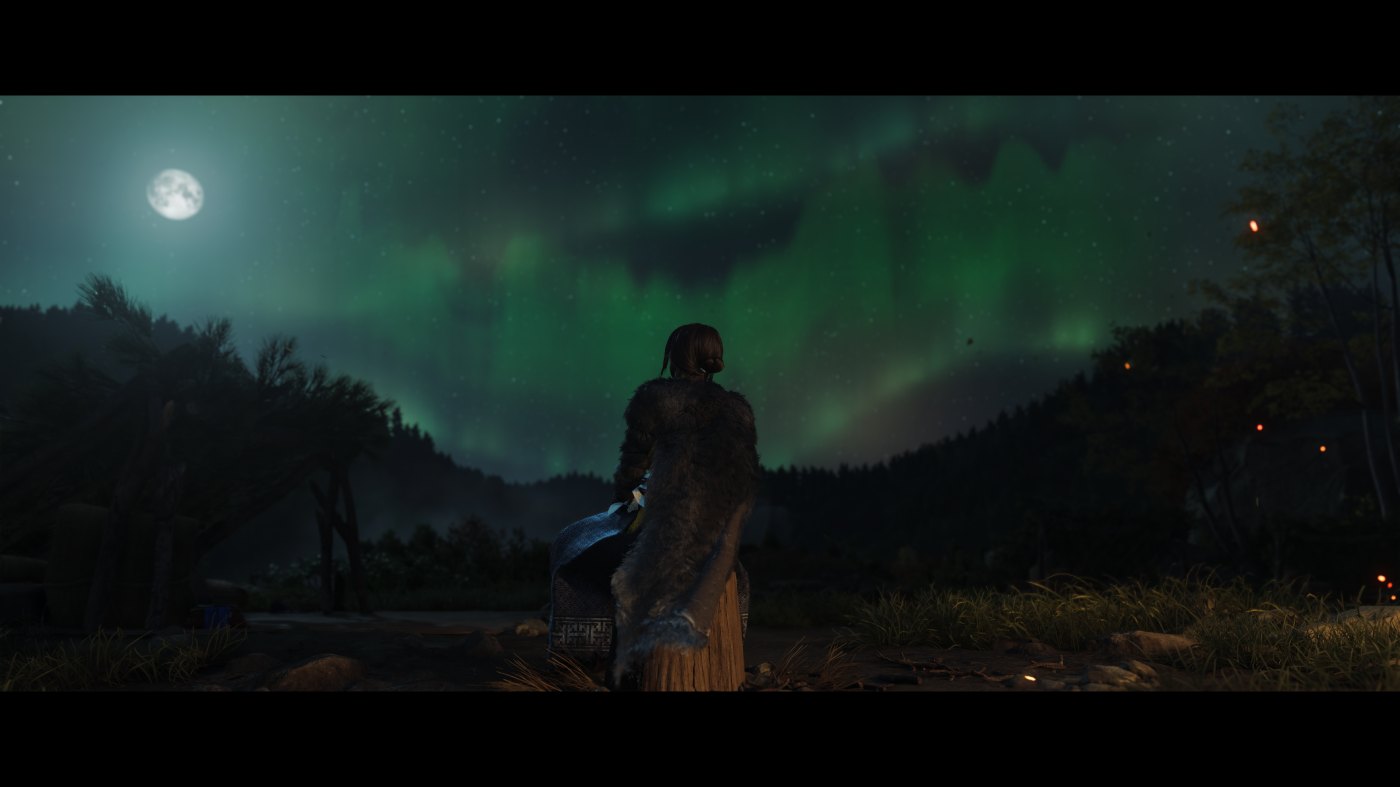
Like most other first-party PlayStation titles of recent years, Ghost of Yotei feels more iterative than it does innovative. That doesn’t make it bad, but it doesn’t capture that same magic of that first playthrough of Ghost of Tsushima. Despite it being messier overall, Yotei comes together to make for a memorable experience, one I suspect will be adored as much as Tsushima is today.