



Press Start may receive a commission when you buy from links on our site at no extra cost to you.
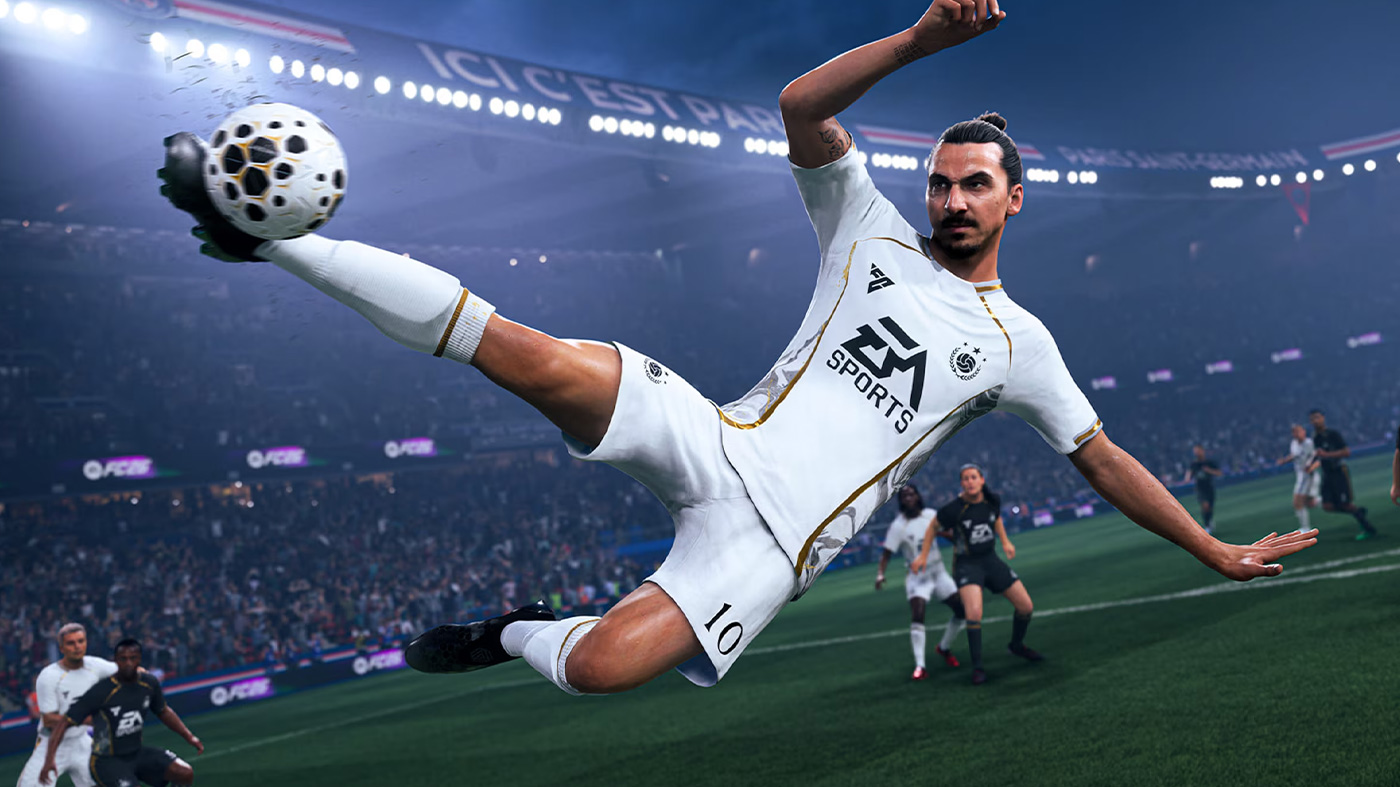
There’s nothing quite like seeing a brilliant passing sequence end in a goal in football. The best teams make it look so easy, and EA Sports FC 26 endlessly chases how that should look in a football sim. With a focus on two specific types of gameplay, a slew of new animations and an unrivaled matchday experience, FC 26 is another stellar package of content for the football fanatic and casual fan alike, though it doesn’t always hit the mark.
EA’s touted this year’s entry as one that’s been driven by player feedback – ranging from gameplay systems and how players move to goalkeeper consistency and a deeper career mode. It’s all about the little things, as it was last year too – but that’s not necessarily a bad thing.

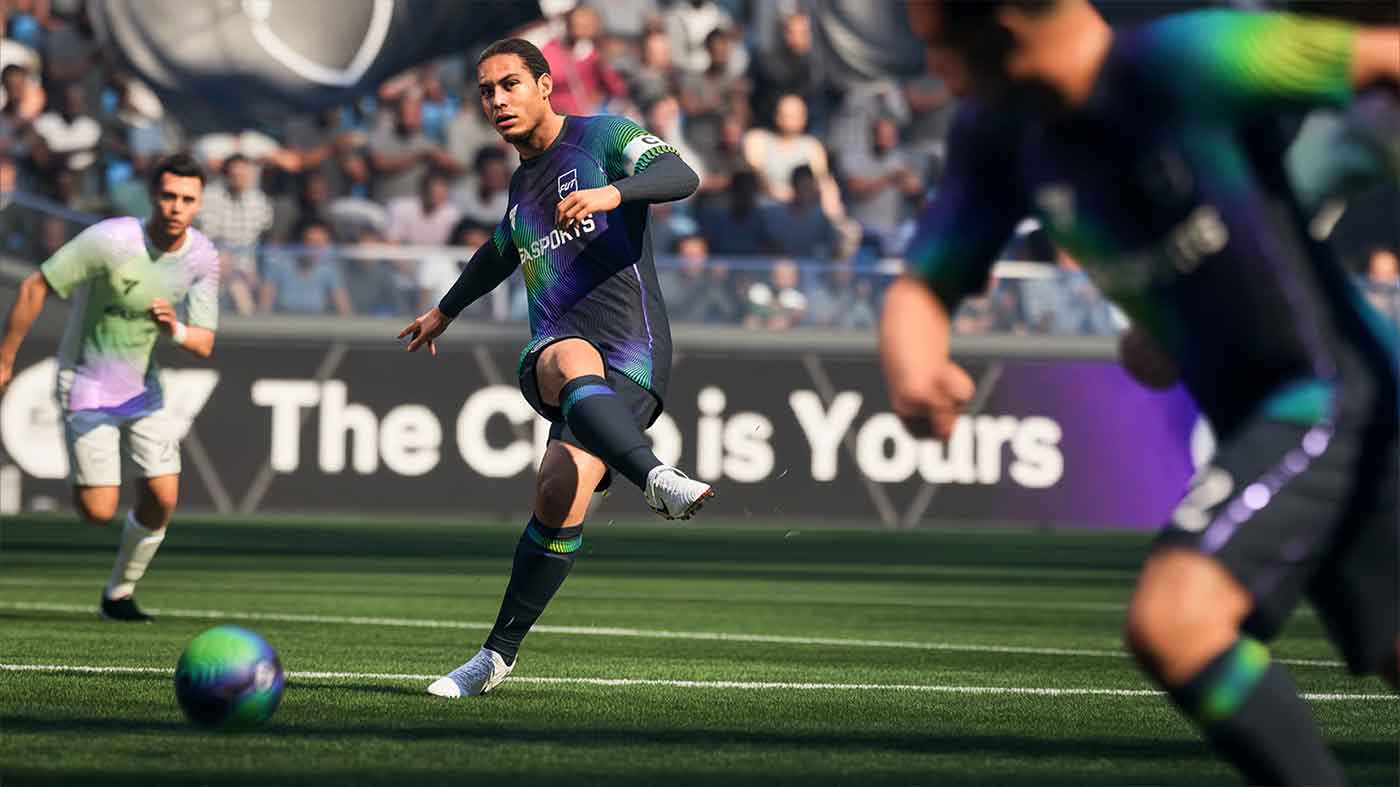
For the first time in years, I can confidently say FC feels different to play. New animations make the game look more believable, while strong passing moves feel wonderful to pull off. Whether you’re playing out from the back, going long for a striker to cushion the ball off to an onrushing midfielder or pinging passes around like prime Barcelona, EA’s nailed the look and feel of football this year.
That can be said for either of the game types you choose to play on, whether you’re looking for a more simulated feel or something more arcadey. Rather than crosscut gameplay systems and pace like in earlier entries, EA’s gone back to the drawing board to set up two distinct types of gameplay for players to choose from depending on their preference.
THE CHEAPEST PRICE: $69 WITH FREE SHIPPING FROM TARGET
Authentic is a slower-paced game type, mostly suited for career modes. Here, it’s all about good build up play and working on consistent and high percentage passing, closing down the gaps and making a pivotal interception or two to get the upper hand and initiate a counterattack. Meanwhile, competitive is the tried-and-true game type that players who spend a lot of time online will already be familiar with – it’s all about pace, quick movements, pulling off skill moves and punishing opponents on the counter.
Though I appreciate what the authentic game type offers up, I found the most fun to be had through the competitive game type. Here, passing plays and all of the new animations work seamlessly together to make the game look and feel fantastic. Even as someone who loves a good career mode, competitive was pretty much all I played bar a few matches on authentic early on to see how it stacked up.

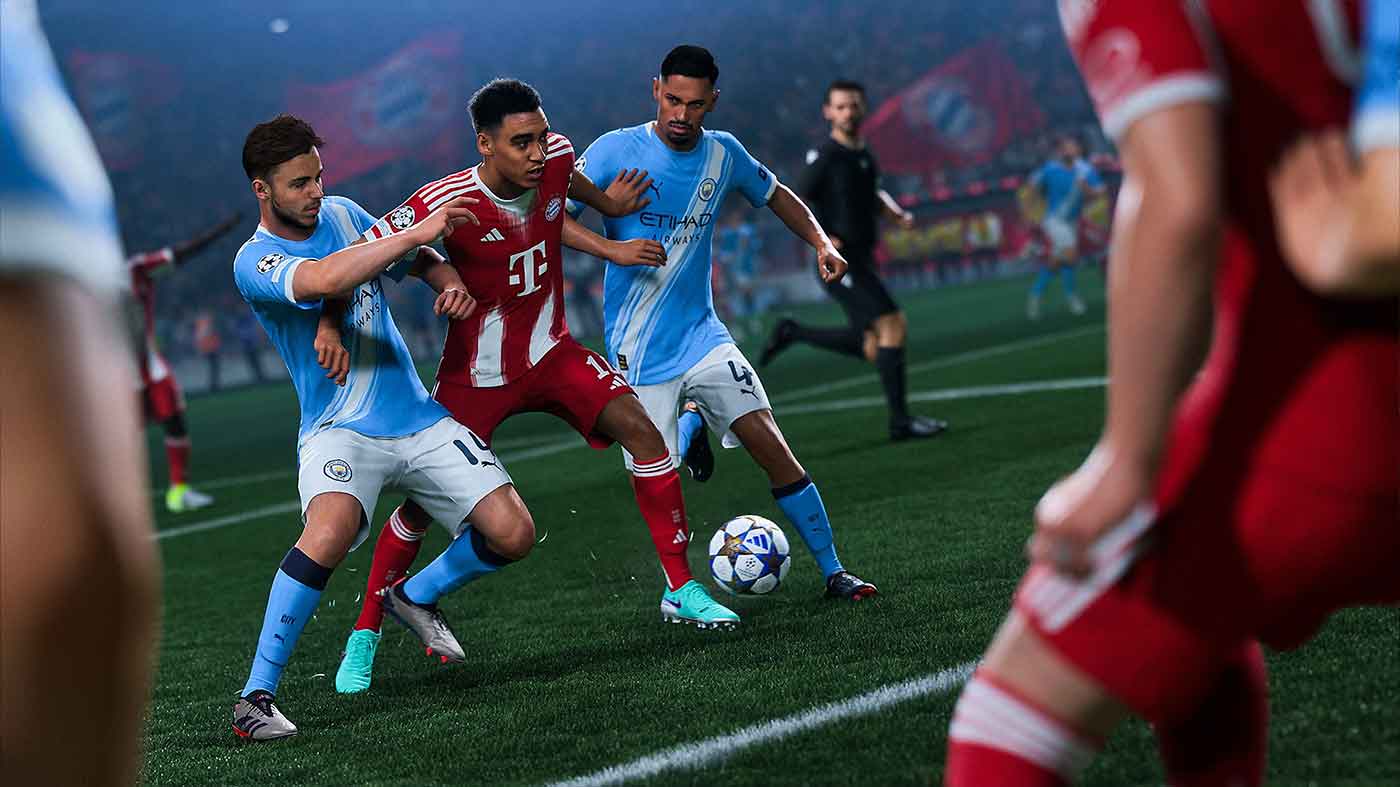
With such a significant focus on the attacking side of things, it feels like defending’s taken a bit of a backseat this year. All of the flashy new animations are supremely helpful when you’re attacking your opponent’s goal, as you’re equipped with a significant amount of tools both new and old to outwit your opposition. When that coin flips and you’re on the defense, though, it’s significantly harder to predict what your opponent’s going to do and I’ve been letting in a lot of goals I wouldn’t have in previous entries because of this. Thankfully, goalkeeping AI has been significantly improved in FC 26, saving my skin more than a few times with some truly outrageous saves. With all that said, these changes add to the unpredictability of matches, where momentum can sway extremely quickly.
This year’s manager and player career modes come with a handful of new, meaningful additions. You can now take on challenges in manager career, ranging from keeping a team away from relegation to going on a specific win streak. Some challenges can last a couple of seasons, too, with an option to continue on with the save after a challenge is over if you wish.
While I like the idea, I was a bit disappointed that these challenges have to be initiated outside of the normal manager career environment – you need to specifically dive into manager career challenges rather than face these organically in your own manager save.
Another big new inclusion is the reintroduction of unforeseen events. These do happen in your personalised career mode (if you chose to, of course), and can impact your career in a range of ways. Most of these types of events are negative, like having a player have to retire early due to a significant injury or having to deal with a player who’s gone out to the press and talked trash about the team. Some can be good though, like unspent season budgets being usable in the next season or a straight up cash injection into the club. Unforeseen events play out through the course of a season, and I’ve mostly enjoyed the chaos they’ve thrown my way.
However, the introduction of unforeseen events have prompted a range of annoying glitches and game-breaking bugs that are yet to be ironed out. In just over a season, I’ve had players who want to leave the club unable to because my assistant manager keeps taking over negotiations with clubs who have submitted an offer, only for the negotiations to eventually time out. I have no control here, so I’m unable to do anything aside from wait until the player’s contract has expired and lose a potential sell-on fee. As well as this, I’ve had to deal with homesick players who have either come from another club in the same league or are from the country they’re currently playing in. These are bizarre issues that shouldn’t have a place in career mode, and I’m hopeful they’re fixed up sooner rather than later.
The manager market is another new manager career feature introduced this year, and I absolutely love it. Rather than having to wait and hope for job openings to pop up that interest you, you can access a list of every league, each club’s manager, whether their job security’s waning and the likelihood of you being hired if you apply. You’re able to declare your interest for a position, apply for an open spot or even watchlist teams that have managers that are currently secure in their position to be alerted to any future changes.

This change makes it so much easier to follow a clear career path, as it’s not about dumb luck anymore. Now it’s entirely up to you as to where you go, whether that’s a men’s team or a women’s team, and you can keep an eye on openings as results play out. It’s brilliant.
I’ve also really enjoyed the other slight touch ups made to manager career, like a more detailed list of statistics that are displayed in a match, being able to get historical stats for up to five leagues (think Football Manager) and a clearer way of identifying youth players and their potential through some neat UI reworking.
Player career’s also received a slight facelift, mainly in the way progression works. You now have 13 archetypes to choose from – each modelled from icons across football – that impact how your player develops and plays. Rather than upgrade simple skill trees, you can now upgrade individual attributes through the progression system, giving you greater freedom around how you want your player to feel and control. You also gain access to perks and specialisations – the latter of which are unique to each archetype – that further defines how your pro behaves while out on the pitch. It’s a neat change to a game mode that I tend to play little of, but I certainly appreciate how it positively impacts the sense of progression.
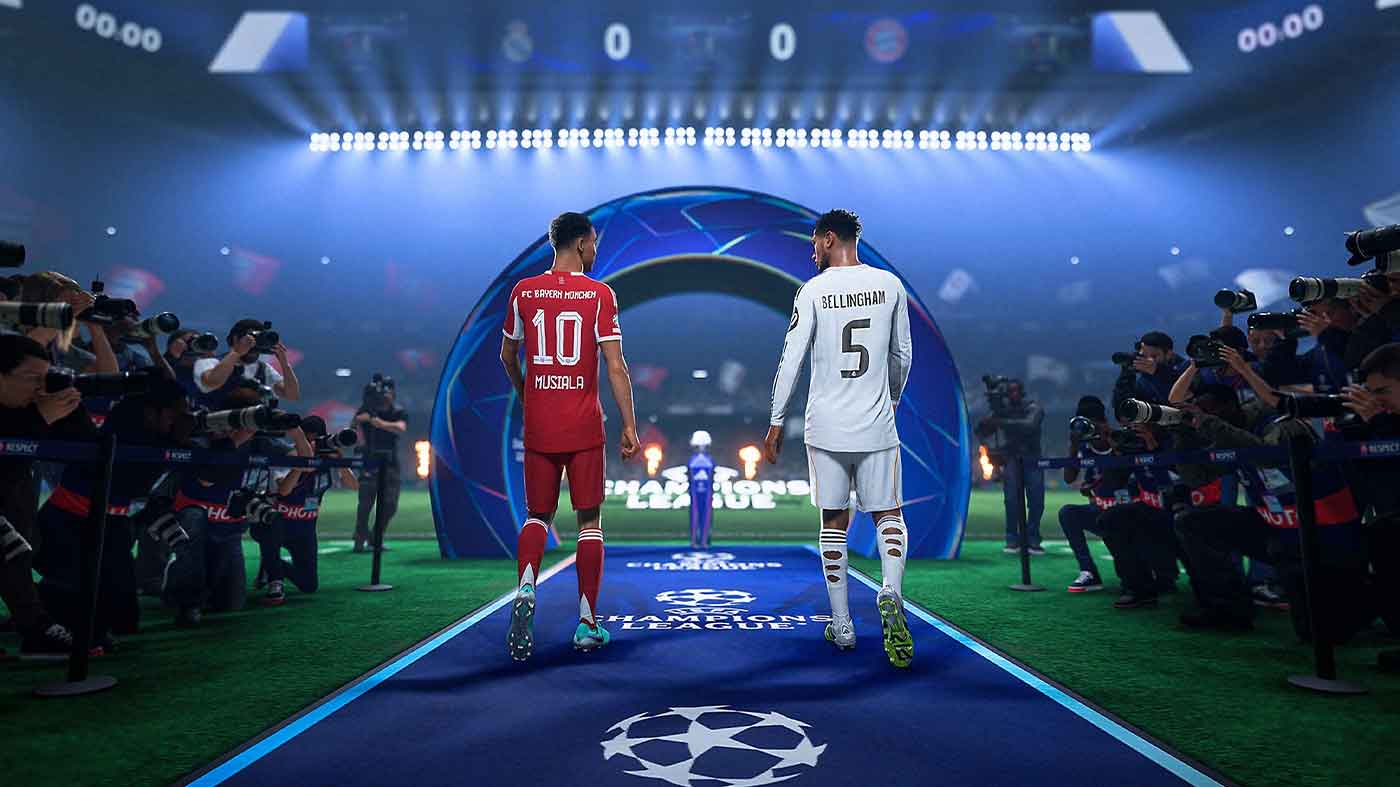
Ultimate Team’s received a handful of additions, like the new event hub that houses live events that encourage changing up your regular squads thanks to a range of varied entry requirements. As well as this, knockout tournaments have made their return, now appearing sporadically rather than weekly, while gauntlets reward strong club depth, with rewards dished out no matter the outcome of your matches. The new additions compliment what is already a content-rich mode, but as always Ultimate Team loves to push microtransactions down your throat and that doesn’t change in FC 26.
As a package, FC 26 continues to be the premier footy sim – there’s no doubt about it. The new additions to each of the game’s core modes, as well as a heavy rework on new gameplay animations, make it an undeniably excellent package for football fans. It’s great to see manager career continue to grow and develop, while Ultimate Team’s slight changes make it a compelling prospect for those that want to invest their time and money into it. Elsewhere, there’s solid changes to player career and Clubs through the archetype system, though these additions feel like smaller reworks than what’s on offer elsewhere. Even so, it all comes together to form a package that is packed to the brim with quality, even if it doesn’t quite gel all the time.