


Press Start may receive a commission when you buy from links on our site at no extra cost to you.
Regardless of what you think of it, there’s no denying that Yakuza 3 is the most unique entry into the mainline Kiryu saga. Often referred to as the black sheep of the franchise by many, Yakuza 3 was a game of firsts at the time of its initial release. A new location to explore in Okinawa, a narrative paced much more slowly than those of the first two games, seamless combat transitions, and the iconic Revelation system, which has made for many a meme over the years. It’s for these reasons that 3 has a bit of a cult following within the franchise. Most Yakuza fans wouldn’t cite it as their favourite title in the series, but those who do tend to adore it.
While it seemed like a Kiwami version for 3 was something of a write-off after the launch of the Yakuza Remastered Collection, RGG Studio has decided to carry on the torch with Yakuza Kiwami 3 & Dark Ties. This package comes with a fully remade version of Yakuza 3 and an all-new side story that tells the origin of Yoshitaka Mine. While I wish I could wholeheartedly recommend this bundle, there are a few choices here in both stories that left me scratching my head. This is a modernisation of Yakuza 3, but one that feels like it doesn’t know how to handle its all-important identity.
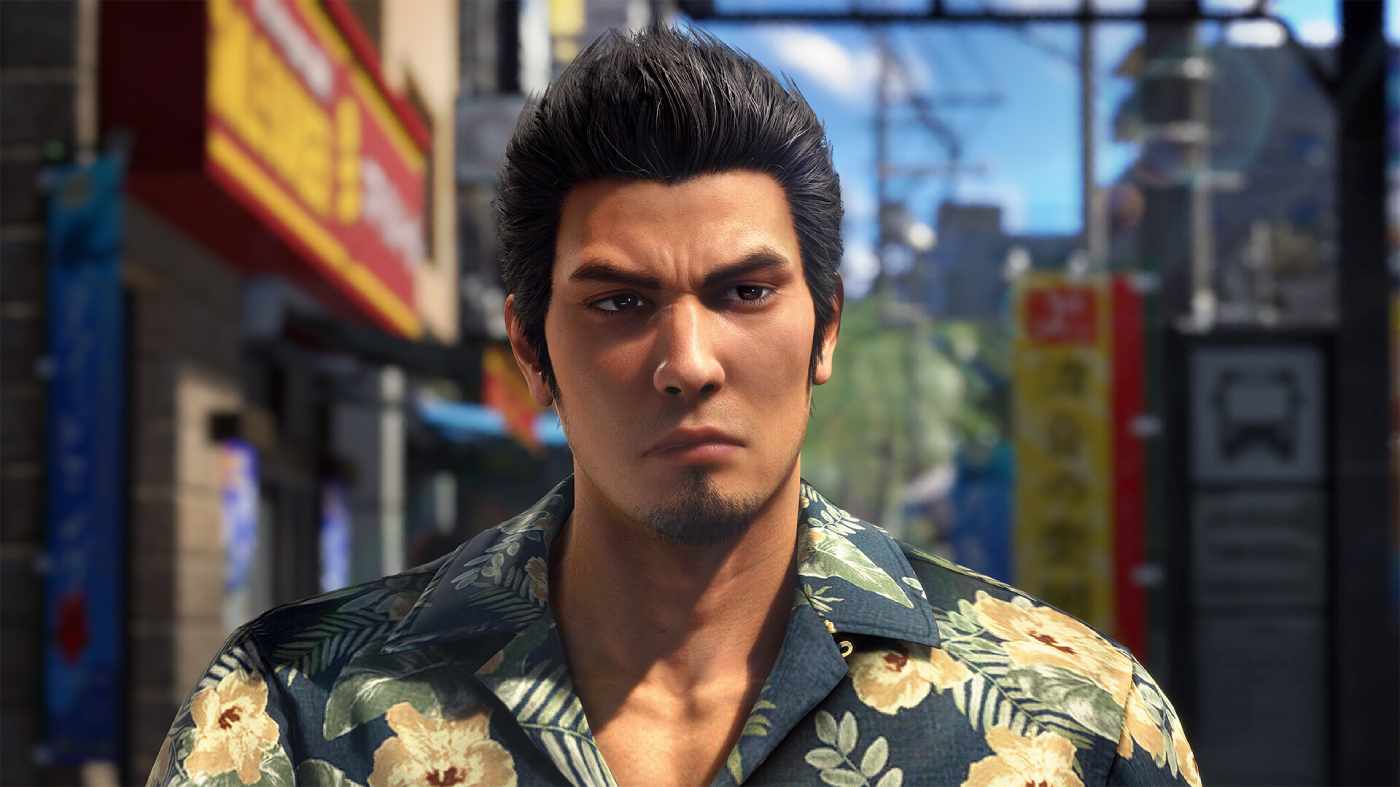
Picking up shortly after the events of the second game, Yakuza 3 continues to follow Kazuma Kiryu as he attempts to cut his ties to Kamurocho’s criminal underworld. He retires to the Morning Glory orphanage in Okinawa, choosing a quiet life with displaced orphans in an attempt to be more like his own adopted father. The dream quickly comes apart, though, with the Ryudo Family issuing eviction notices so that the land can be turned into a seaside resort. Dedicated to the kids and his new life in Okinawa, Kiryu decides to stick with his guns and fight the powers that be, only to become embroiled in a scheme that runs far deeper than simple land disputes.
The core of Yakuza 3’s story is mostly here, though there are some new bits and pieces bolted on – especially in the early chapters – that hurt this narrative’s already slow pacing. All of the new mechanics and systems introduced in Kiwami have to be tutorialised here, and all the time spent reading and learning really adds up. That’s without getting into how tonally dissonant some of these segments are, which stands out even more against Yakuza 3’s more cosy backdrop.
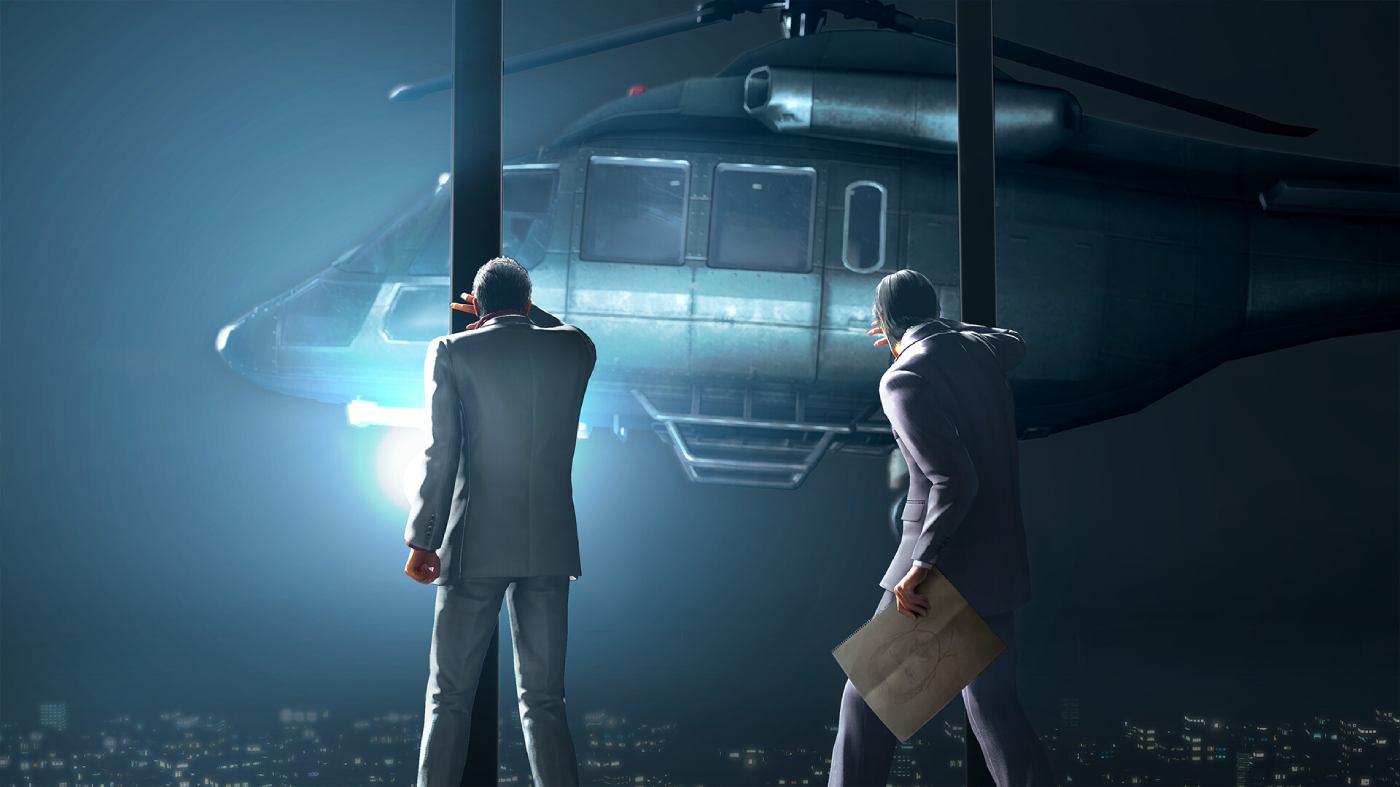
Dark Ties also doesn’t get away scot-free here. For one, it’s criminally short – clocking in at a little over four hours for the main scenario, longer if you want to see everything it has to offer. I’m always a fan of a game that isn’t longer than it has to be, but so many of the ideas Dark Ties brings to the table feel rushed, and that’s not a small thing in the context of what happens here. Without getting into spoilers, Dark Ties undoes Yakuza 3’s original ending for reasons I can only hope will pay off in the future.
What’s perhaps more disheartening is that what is here is enjoyable and well-written. Spending time with a pre-Yakuza 3 Mine and Kanda is genuinely engaging, and you want to stick it out and see how Mine gets to where he is in the main game. It isn’t until the third and final chapter of Dark Ties that things race to the finish line, leaving a bit of a sour taste in my mouth. I suspect that many longtime fans will feel the same way, and RGG Studio’s recent tendency to revise canon with remakes and remasters continues to feel unearned.
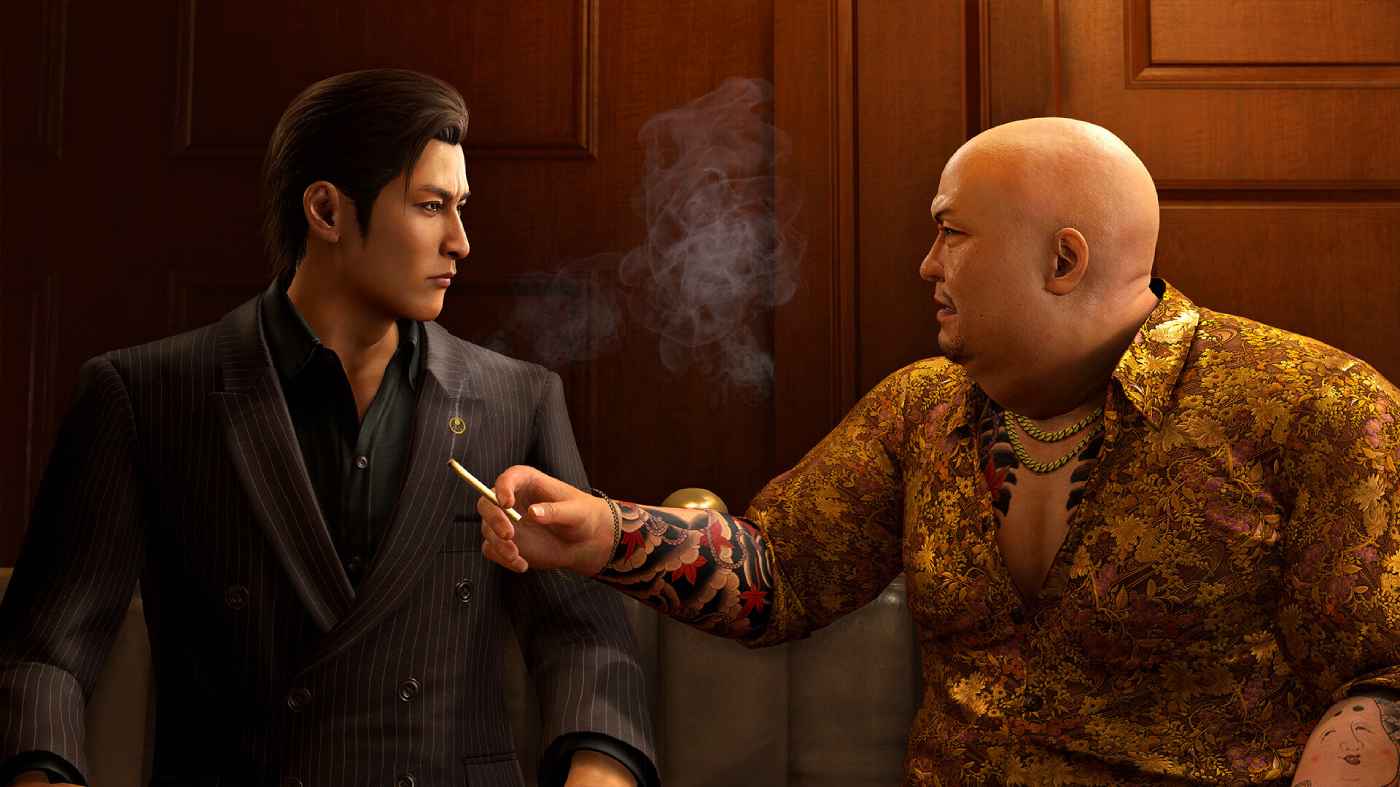
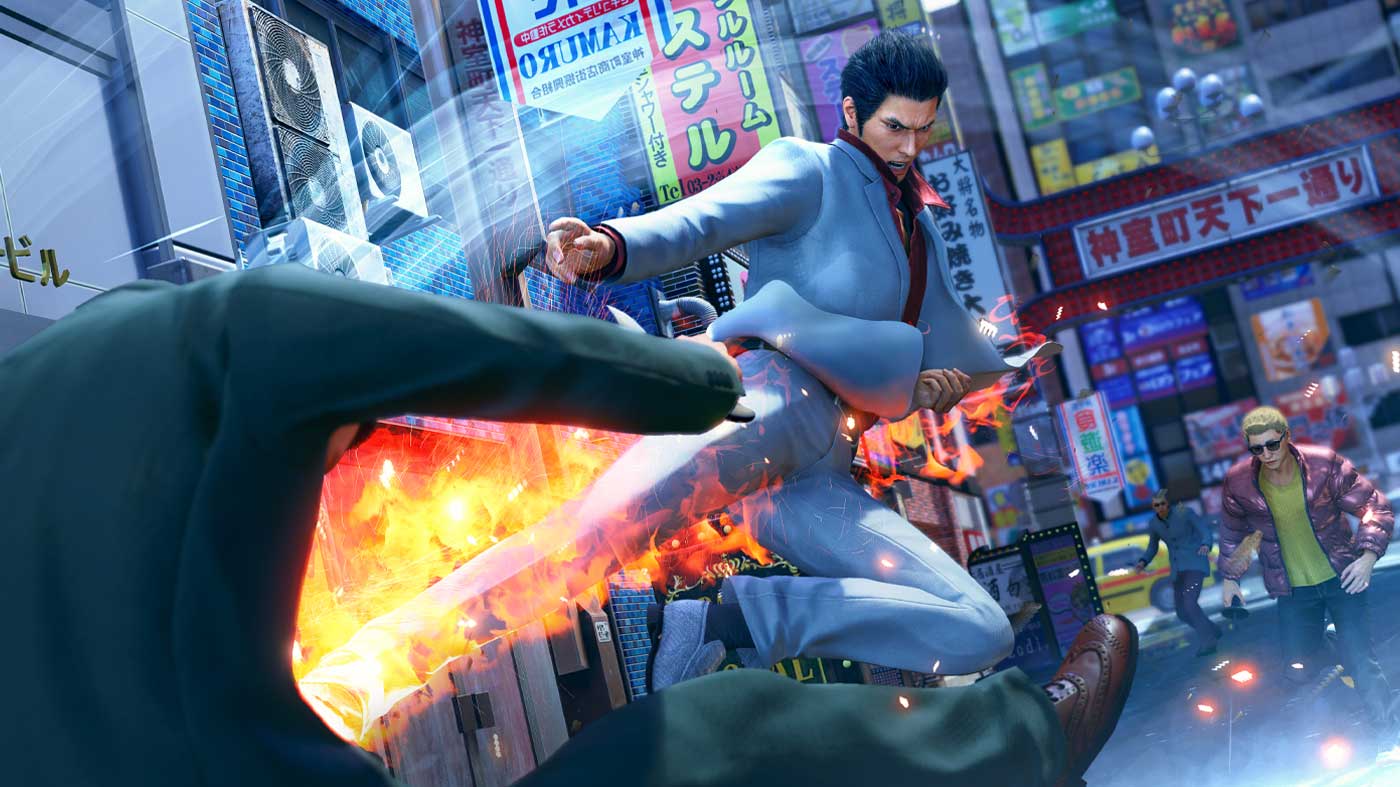
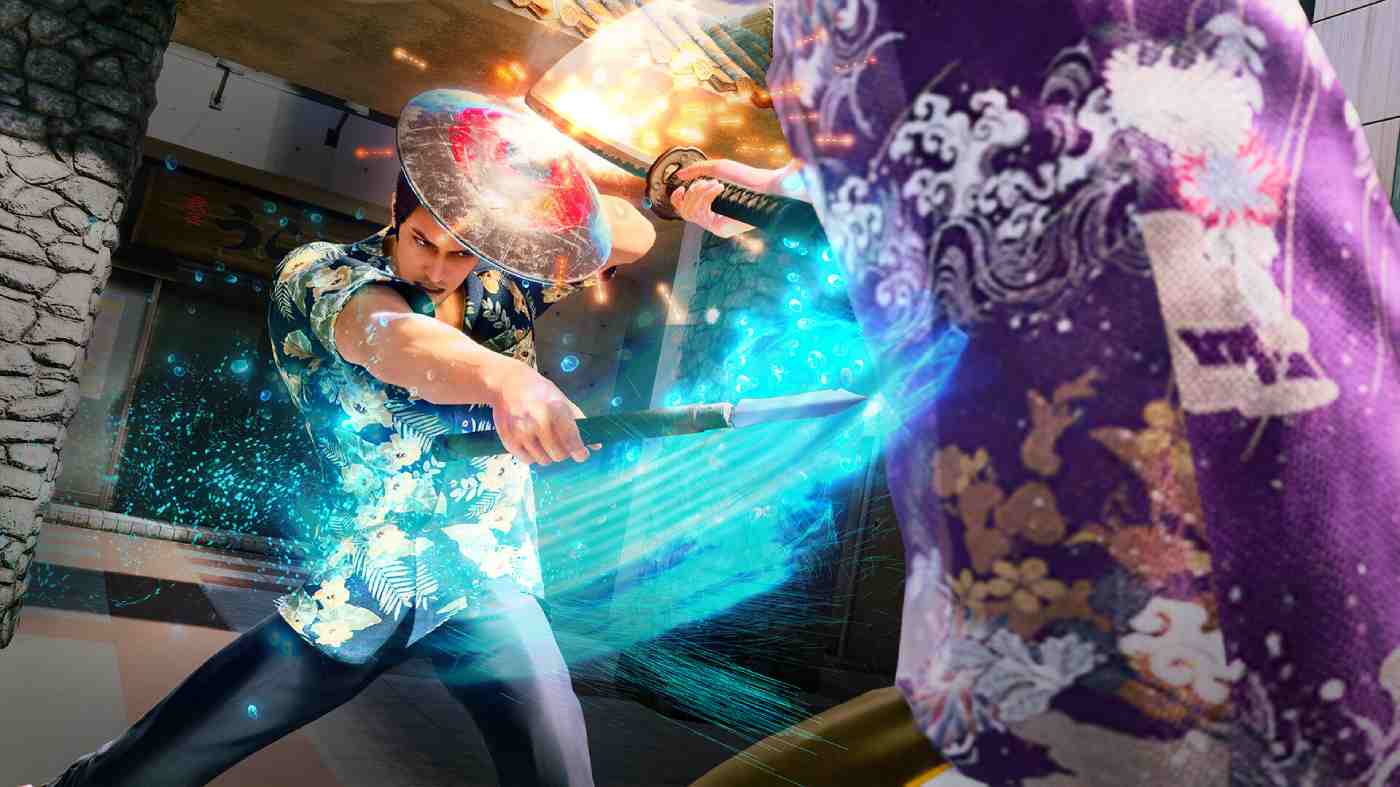
Fortunately, Yakuza Kiwami 3 & Dark Ties is a marked improvement in the gameplay department. While the Dragon Engine has been rightfully ridiculed for its style-over-substance approach to beat ’em up combat, Kiwami 3 finds depth in offering expanded character kits and fun tweaks to Yakuza’s core loop. Kiryu comes equipped with his trademark Dragon Style, alongside the new Ryukyu Style. The former is exactly as you’d expect, but the latter is rooted in Okinawan martial arts, utilising countless weapons to control crowds and inflict status ailments on your opponents. It’s reminiscent of how Like A Dragon: Gaiden played around with the Yakuza and Agent combat styles.
AMAZON HAS THE BEST LAUNCH PRICE FOR $109 WITH FREE DELIVERY
The worst offender of the original experience – excessive blocking from enemies – is almost entirely eliminated. It still feels like your adversaries are more prone to putting their walls up compared to other games, but this is balanced out with the new tools you have access to. Charged heavies, attacks from Ryukyu Style, and rage modes for each style all provide ways to breach enemy defences instead of just having to sit and wait for an opening. It drastically improves combat pacing across the board, taking some of the most unfun combat in the series and making it quite the opposite.
Brawling as Mine is similarly enjoyable, boasting his own moveset, Heat Actions, and rage mode that’s equally fun to play around with. The rate at which you unlock new attacks and options for him in combat is also paced quite nicely, frequently offering up new toys to play around with in combat. It still might not reach the overall complexity and depth of the pre-Dragon Engine days, but this is undoubtedly the best it’s been since Yakuza 0.
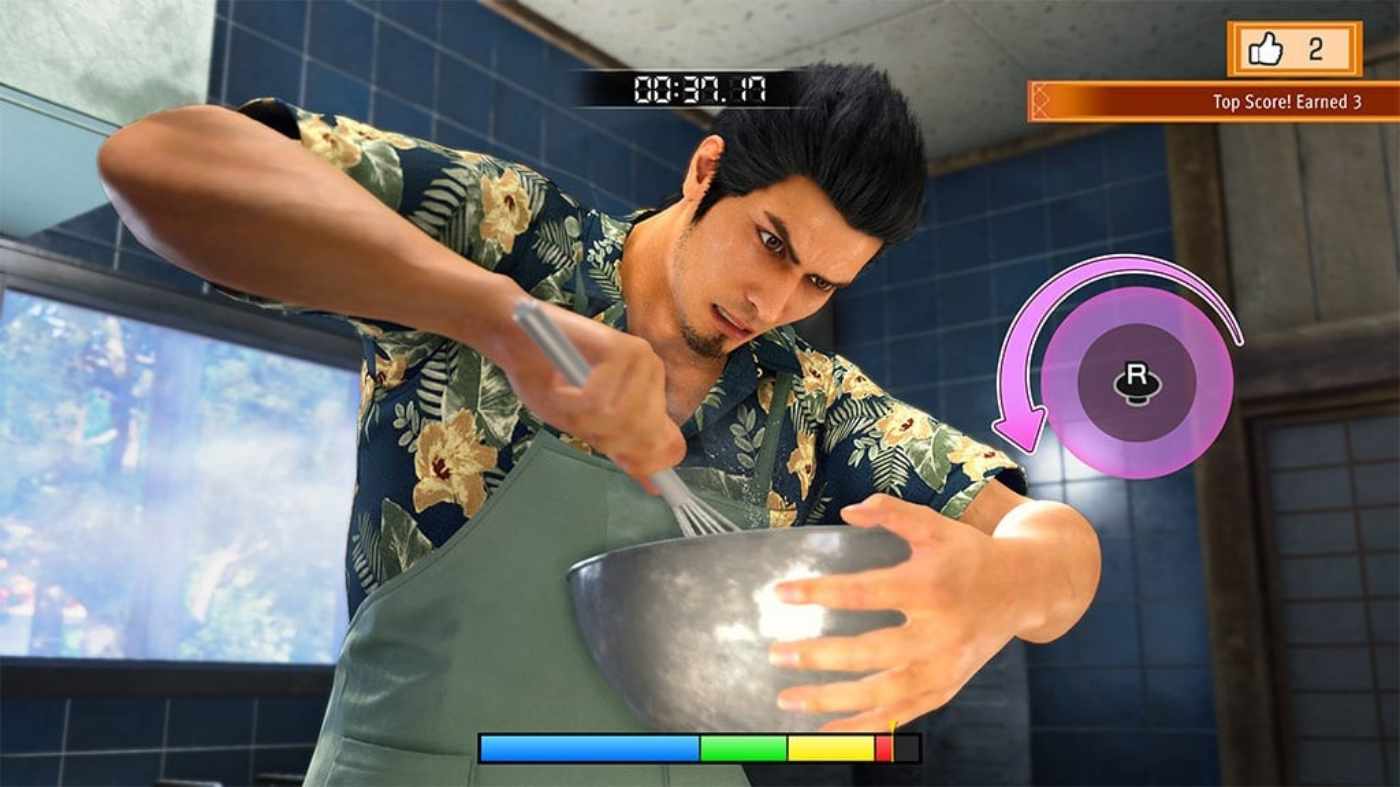
There is, of course, a ridiculous amount of side content to engage with here as well. Much of it returns from the original, but some of it is new as well. The highlight for me is all the odds and ends you can complete around the orphanage as a father to the kids. You can help them complete homework, work on stitching, cook dinner, and even garden! All of this increases Kiryu’s Daddy Rank, but it also can’t be understated how well this fits into Yakuza 3’s broader themes and atmosphere.
There’s also the Bad Boy Dragon subplot, where Kiryu joins up with the small-time Haisai Girls gang to protect Okinawa from the Tokyo Night Terrors. You’ll recruit new Baddies to your gang, build your team, and take the fight to the Tokyo Night Terrors. It’s a fun little bit of side story that’s nice to dip into every now and again, amongst all of the other offerings in Kiwami 3.
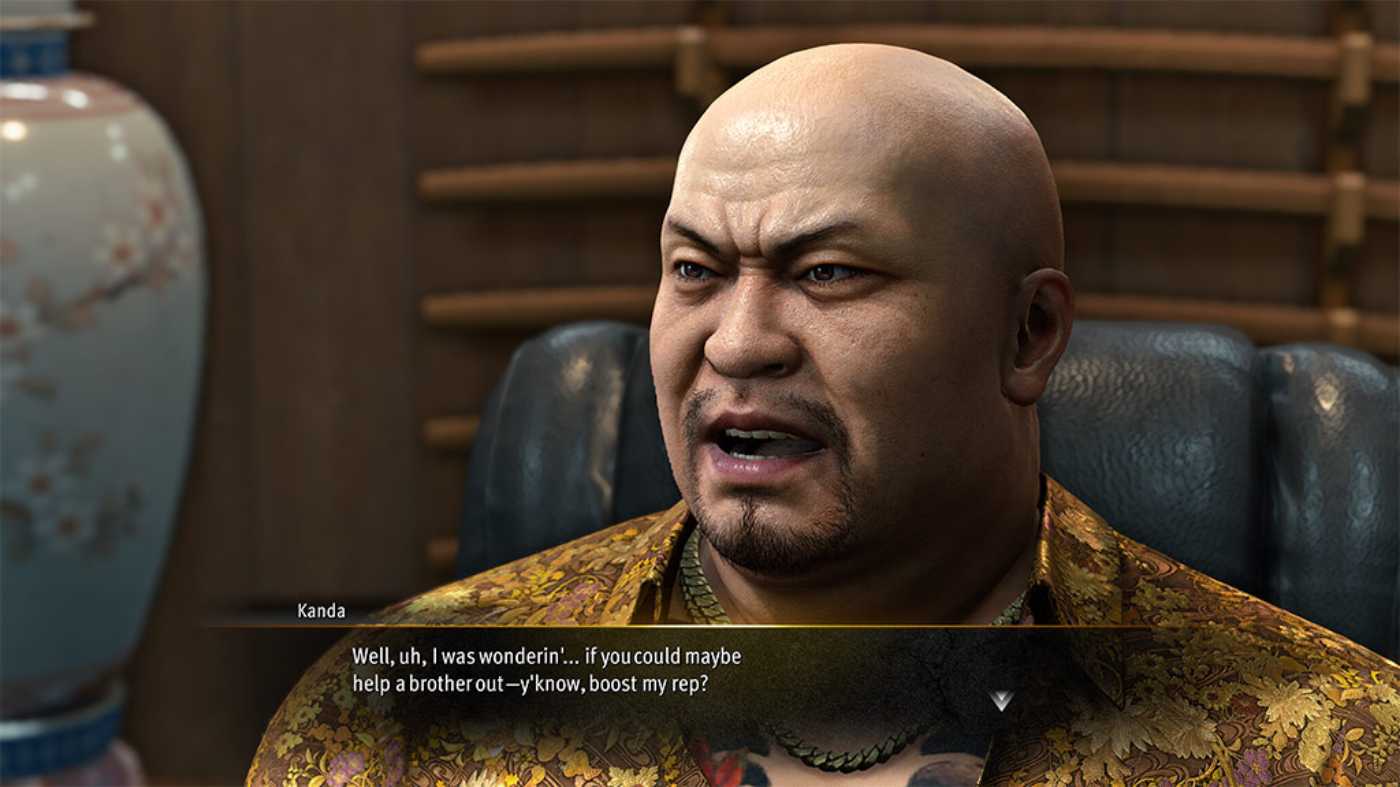
Dark Ties also has its own sort of side mode called Kanda Damage Control. This is extremely similar to the Akane Network from Like A Dragon: Gaiden, populating Kamurocho with optional requests and battles to get involved in to improve Kanda’s reputation. It’s fine enough and would perhaps be more interesting if we hadn’t already seen it so recently. The biggest issue with it is that, much like in Like A Dragon: Gaiden, parts of the main story are gated by hitting certain reputation levels for Kanda. It just kills the pacing and takes up precious runtime in what’s already a short experience.
There’s also Hell’s Arena, an underground fightclub where VIPs place bets on violent battles. Motivated by the threat the organisers of the arena poses to the Nishikiyama Family’s business, Mine enters the arena himself. It’s a timed dungeon crawl where you’ll battle goons and collect power-ups before moving on to the next level of the arena. It’s something of a rogue-like mode with persistent upgrades across runs and countless boss battles to go up against. Like Bad Boy Dragon, it’s a fun distraction and a neat experiment, but it doesn’t feel very new in the context of the series.
That’s a sentiment that runs through most of Yakuza Kiwami 3 & Dark Ties. So many of the new additions here are directly pulled from or inspired by systems from other games. You can now take photos of landmarks in Okinawa, much like the Photo Rally of recent entries. You can make friends with citizens you come across in Okinawa and Kamurocho on LaLaLa Loveland. It all feels out of place when set against the backdrop of the game’s more subdued narrative, leaving most of these features feeling like an afterthought instead of a thoughtful inclusion.
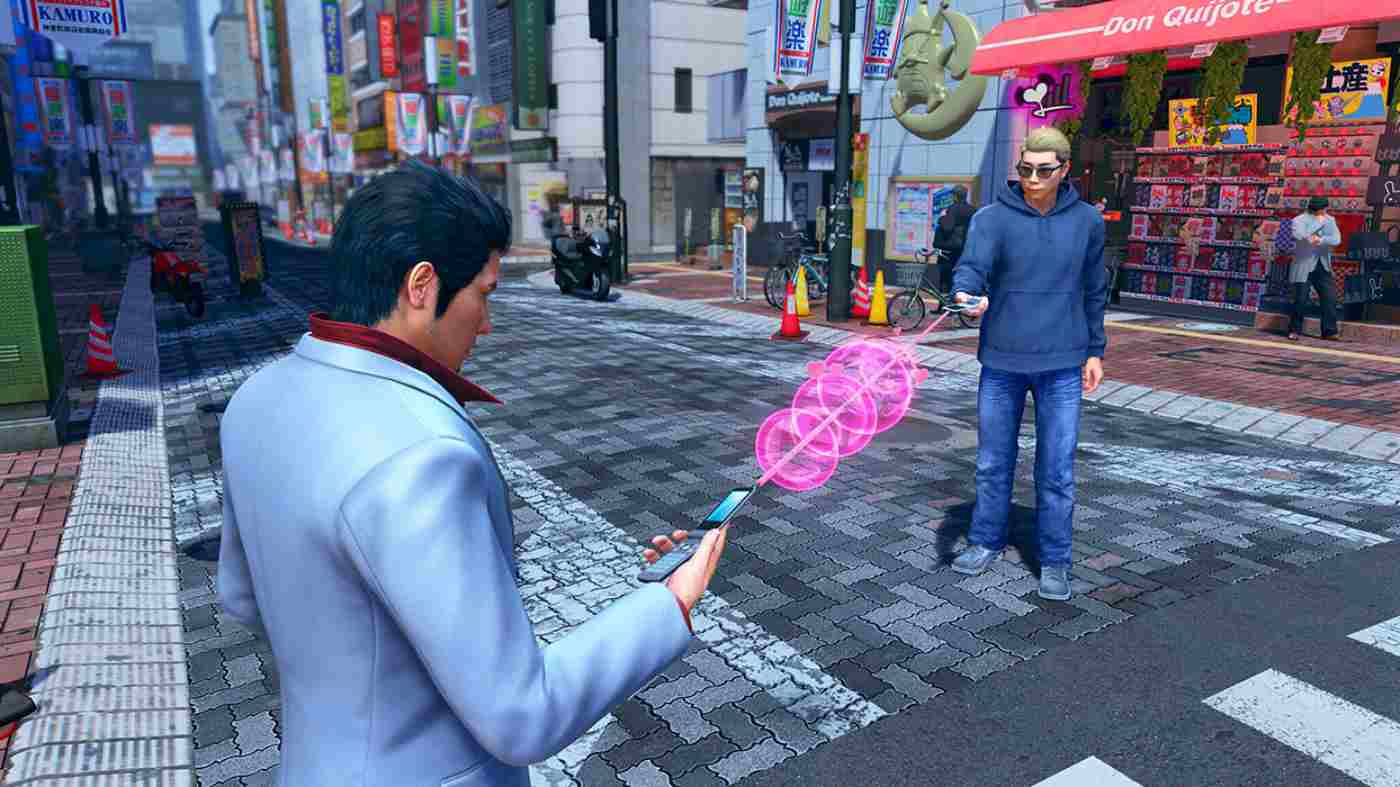
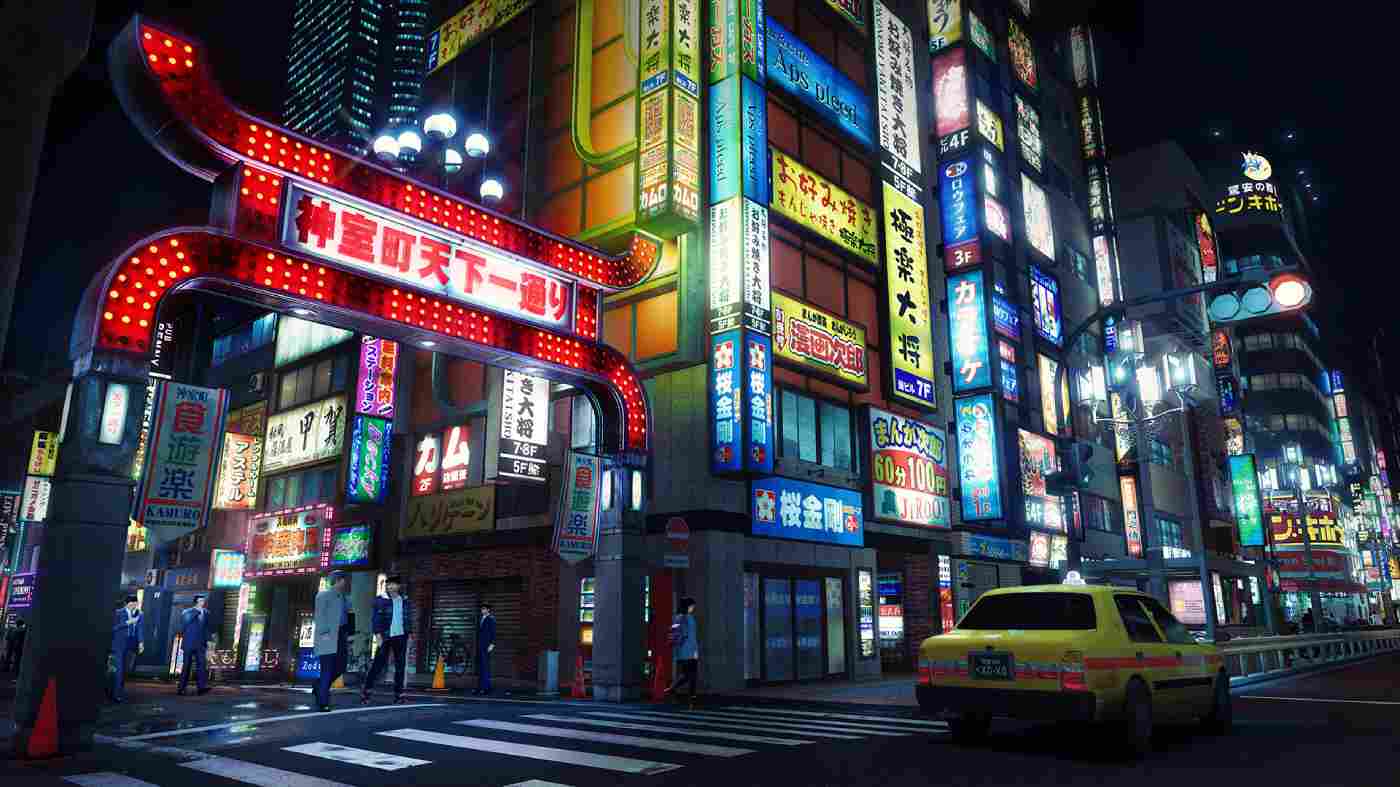
When it comes to the visual improvements, Yakuza Kiwami 3 & Dark Ties is a bit split down the middle. Dark Ties looks fantastic, Kamurocho is as lively as ever, brought to life by gaudy neon lights and cramped alleyways. This is RGG’s bread and butter, so there’s no surprise that they nailed it yet again. Okinawa is a different situation, though. It relies so heavily on lighting to create a tropical atmosphere that much of the environment looks washed out and oversaturated, especially during the daytime.
Fortunately, everything else is a definitive upgrade here on PS5. The Japanese dub continues to be stellar, performance is incredibly smooth, and the Dragon Engine maintains a high level of polish. Load times are also lightning quick, and it just makes the whole experience so effortless to play, especially when compared to the slower load times of the original game. RGG is also still on top when it comes to character models, especially with facial details.
I’ve come away from my time with Yakuza Kiwami 3 & Dark Ties not really knowing who it’s for. Newcomers are sure to be turned off by the rough early game pacing and excessive tutorialisation, and I suspect those who hold 3 in high regard will find many of this version’s inclusions inconsequential or outright in opposition to the themes, ideas, and story beats of the original. It’s far from a bad game, but I’m hesitant to call this version of Yakuza 3 definitive.