

Press Start may receive a commission when you buy from links on our site at no extra cost to you.
Remember Devil May Cry 4? One of the first games that Capcom ever made in the expensive jump to high definition, that game did plenty for the series. It also established some trends that many character action games would follow, introducing new and younger protagonists. While the results have almost always been mixed – we’ll never love Nero or Viola as much as Dante or Bayonetta – Ninja Gaiden 4 sees an opportunity to join the fray. And while Yakumo is more than a fitting new protagonist for the series, it’s Ninja Gaiden 4’s need to reference its past that ultimately stains an otherwise pretty incredible action game.
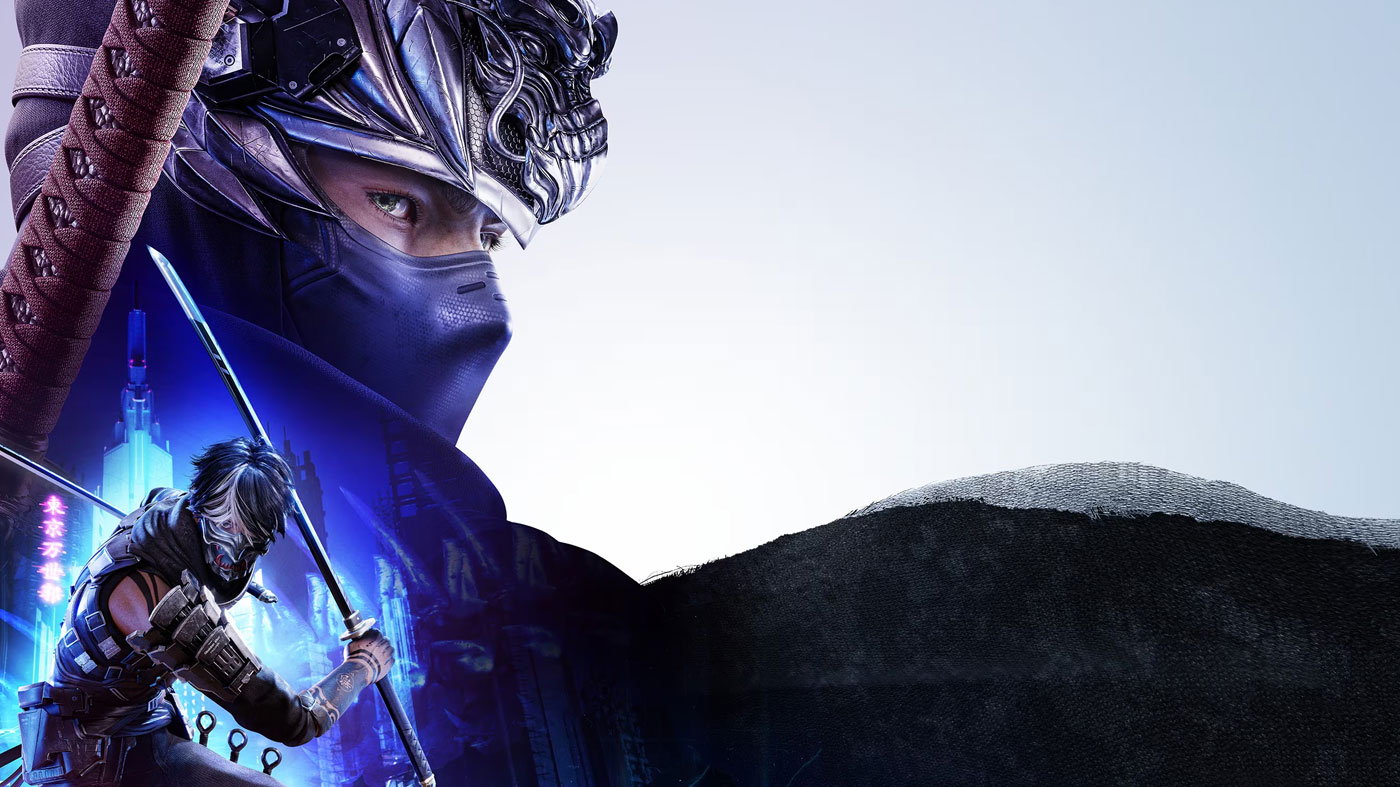
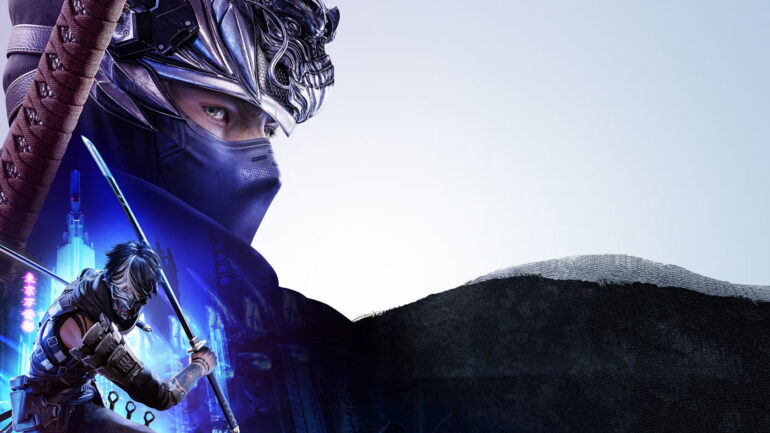
Ninja Gaiden 4 is unique in that the action starts following a conflict we’ve not yet seen. The Dark Dragon, an embodiment of the world’s wrath and destruction, has been resurrected and since sealed away by Ryu Hayabusa, the protagonist from the first three games. Ninja Gaiden 4 opens directly following this conflict. The Dark Dragon is gone, and you play as Yakumo, a member of Hayabusa’s rival Raven clan. Yakumo’s goal is simple – he wants to unseal the Dark Dragon so he can kill it for good. It’s a simple setup with some minor but predictable twists competent enough to serve as a backdrop for a game of this ilk – though this game might have one of the most undercooked and underutilised villains in a video game AND one of the most pointless cameos…..ever.
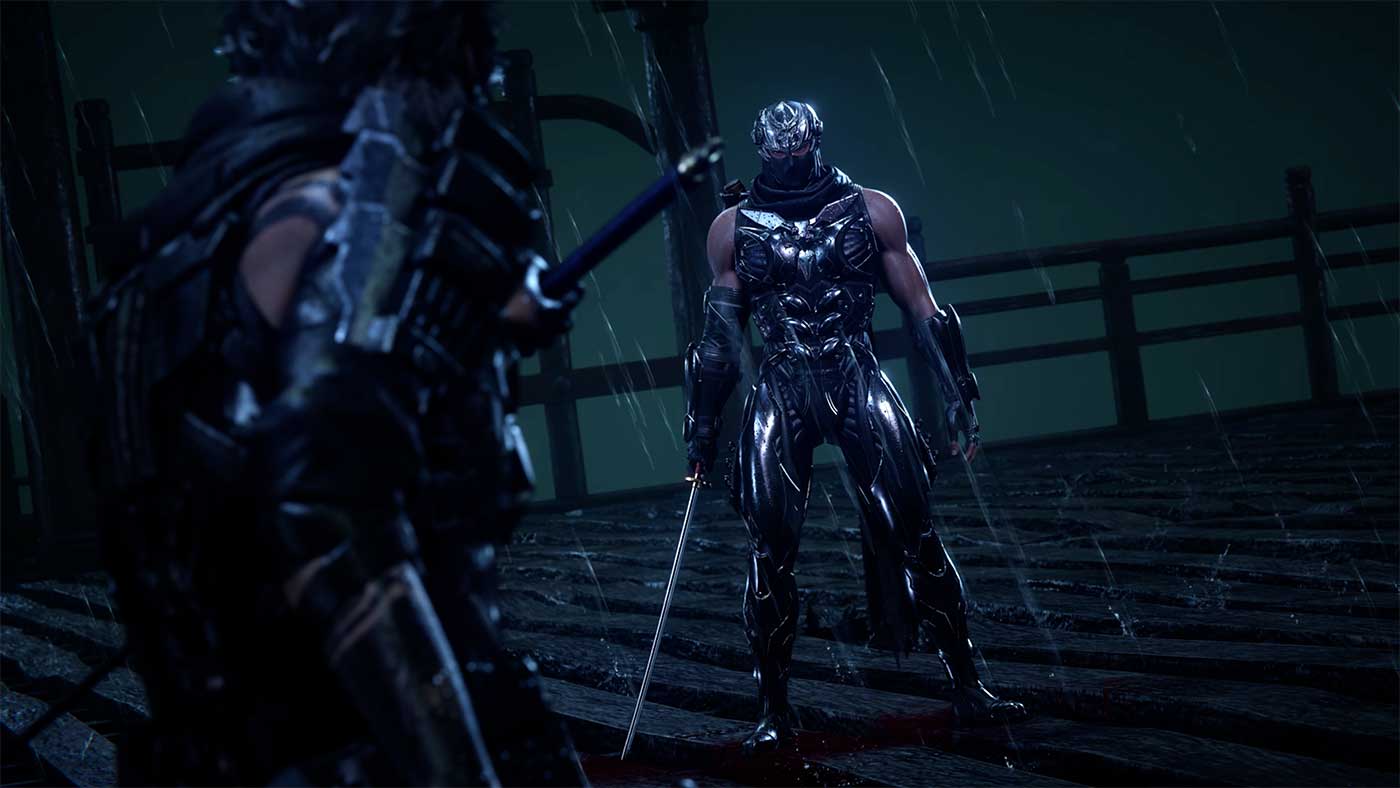
Unlike Devil May Cry 4 before it, Ninja Gaiden 4 really feels like newcomer Yakumo’s story. You’ll play as him for around three quarters of the game, attempting to undo the work of Ryu many years ago. The way that Ryu is weaved into the story here has potential to be interesting, but unfortunately falls flat. I mention Devil May Cry 4 here so much because, regrettably, Ninja Gaiden 4 falls victim to the same traps that game did so many years ago. Towards the end, you’ll retread worlds and fight bosses you’ve already fought as Yakumo. Both characters are badass in their own different ways, but Ryu’s part of the story feels like a sauceless retread of all the awesome shit Yakumo does prior.
In many ways, it’s not surprising to see PlatinumGames take the reins of Ninja Gaiden 4. This kind of game is their bread and butter, the stuff that put them on the map many years ago. That much is true for Ninja Gaiden 4 as well. This feels like PlatinumGames really hitting their stride again, following a string of good to okay action games. Ninja Gaiden 4 is precisely what you’d expect from a Ninja Gaiden game – a string of chapters to fight through, some crazy bosses to defeat and some incredible action-laden setpieces to slip and slide through. It doesn’t try to be anything else beyond what it always was, and this intense focus on killer set pieces and epic boss battles really helps deliver a honed experience.
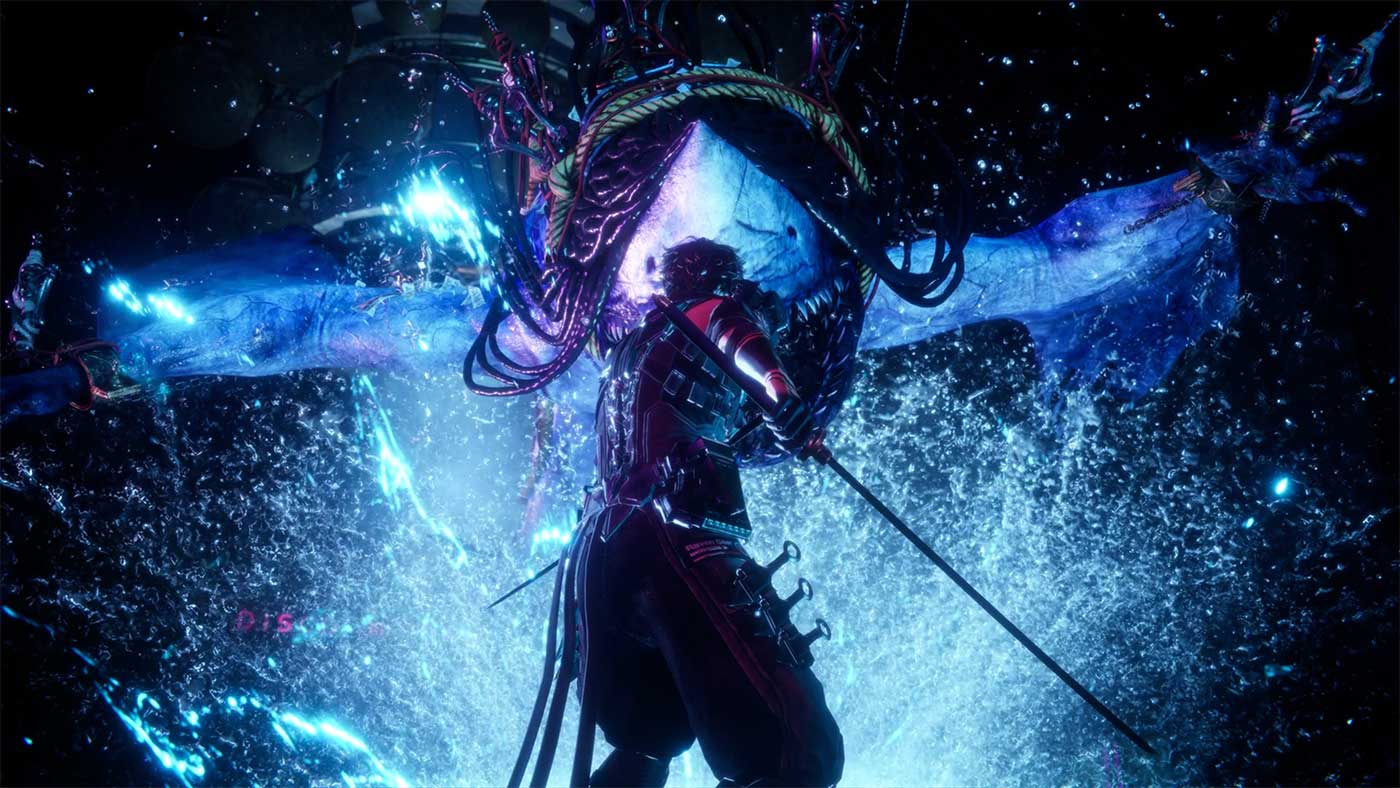
Yakumo, as a new protagonist, has a few tricks up his sleeve to differentiate himself from Ryu Hayabusa. He eventually has access to four weapons, each with an alternate Bloodraven mode that can be activated while holding down the left trigger. This means each weapon is two – a polearm draws blood from an enemy to turn into a hammer, for example, and allows you to pull off some pretty hectic combos. You can hot swap between all weapons on the fly, allowing for some pretty gnarly mashups of fast and slow attacks to do battle with enemies.
Despite these changes, the flow of combat still feels characteristically Ninja Gaiden. Aggression is rewarded the most. Showering your enemy with hits will inevitably make them block, allowing you to shatter their block with a well-timed Bloodraven attack. Bloodraven attacks can also shatter enemies’ posture during unblockable attacks, offering a solution in the face of danger. Beyond the new mechanics – everything else is still here. Decapitations, flashy obliteration techniques and deliciously gory finishing moves. It’s a simple yet elegant battle system that didn’t need to be messed with, and I’m glad it hasn’t been changed up too much here.
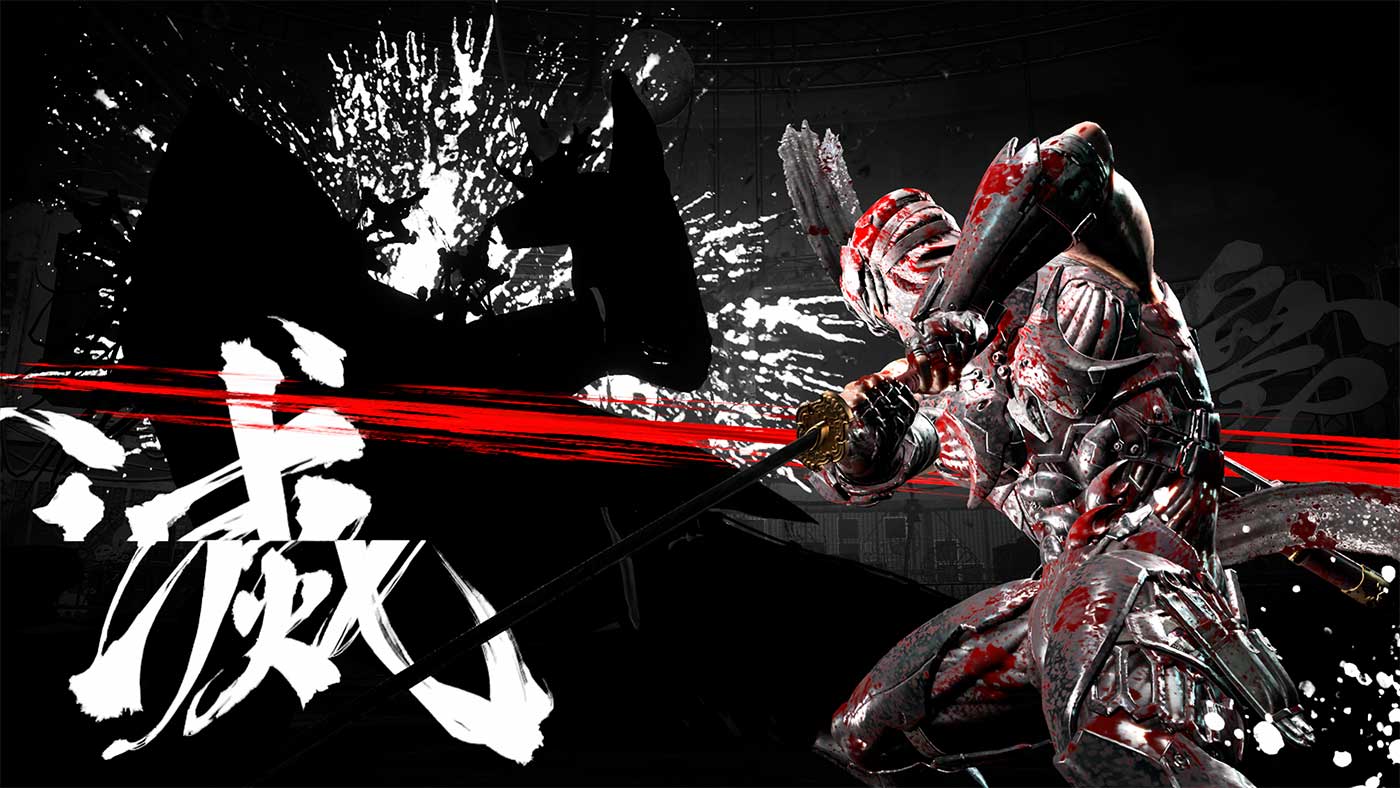
For around four of the game’s nineteen chapters, you’ll play as Ryu Hayabusa. He plays similarly to the previous games. He still has his signature moves – as does Yakumo – but he moves with a bit more weight to him than Yakukmo does. While not as slow as the Hayabusa we’ve played as in Ninja Gaiden 2 or 3, Ryu’s combat feels slower than Yakumo’s but still faster than any of his other appearances. He differs slightly from Yakumo, too, in that he doesn’t have a Bloodraven form. Instead, he has a “Gleam” stance, which allows him to pull off certain flashy moves. Of course, his Ninpo magic returns, too. All in all, while he only has access to a single weapon, all of his abilities and options available to him give him as many options as Yakumo has.
Other, more non-traditional elements from other action games also complement the options available to players here. Blocking or attacking an enemy at the exact time they attack you allows you to parry, but you can also evade moves if you want. Whether you enjoy parrying or evading in games like these, both options are catered for and feel just as viable. It’s this flexibility in combat that makes Ninja Gaiden 4 easy to get into, though it can be difficult to master at times.
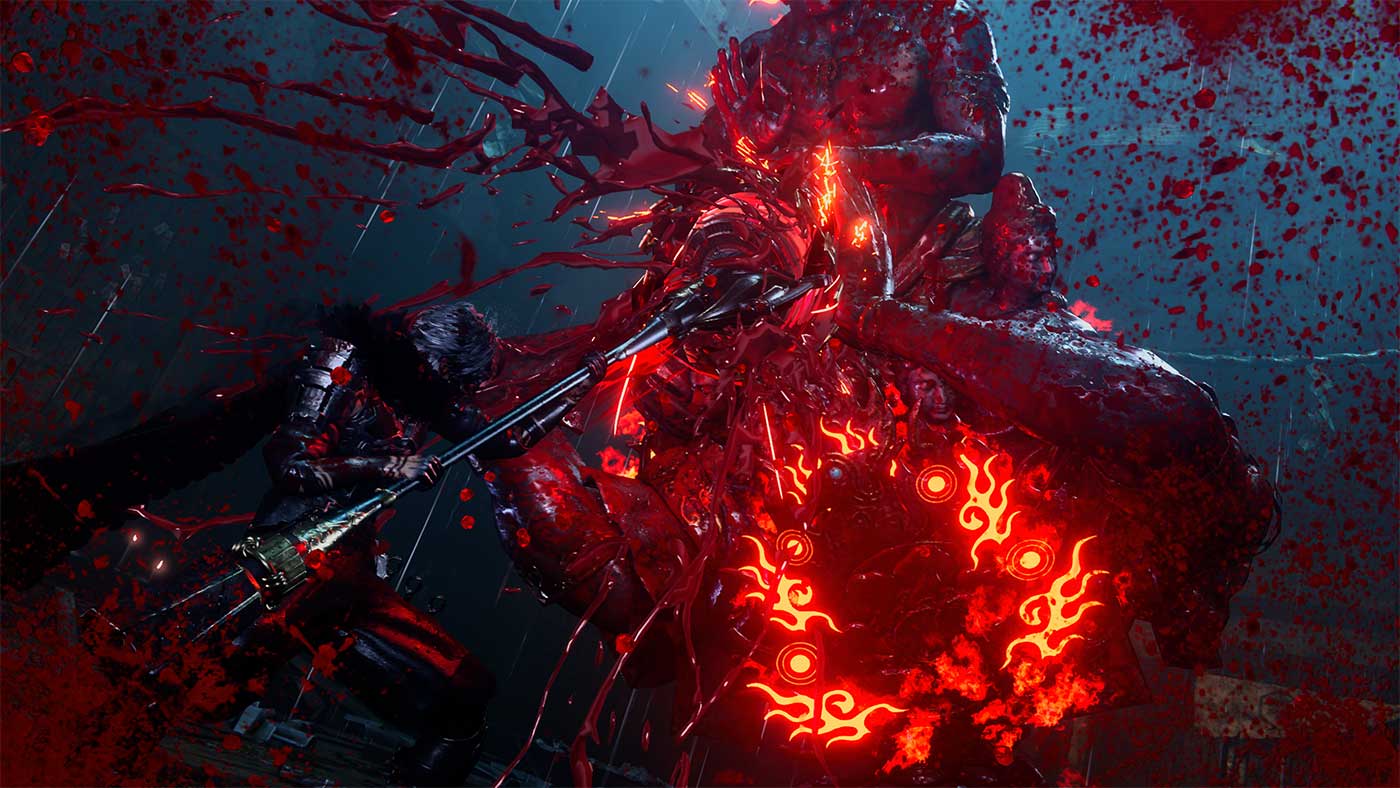
Regardless of how you choose to approach the combat here, the game will thrust you into the thick of it. There are often heaps of enemies to juggle, both literally and figuratively, though some light platforming segments break things up. While not perfect, Ninja Gaiden 4 does feel remarkably well-paced for the most part – with each level naturally reaching a crescendo in a usually epic boss battle. These bosses are fun and varied, with a nice array of enemies to fight. And while this breadth of quality is maintained for a large majority of the game, something bizarre happens in Ninja Gaiden that brings the pacing of the game to a halt.
In the final act of the game, around fifteen or so hours in, the game will have you playing as Ryu. This is a great idea on paper – he’s one of the most badass action heroes in games – but his main missions are just retreads of the locales that Yakumo has already visited. Even more disappointingly, all of the enemies and bosses Ryu encounters, barring one or two, are recycled or reused here from better encounters you’ve already had as Yakumo.
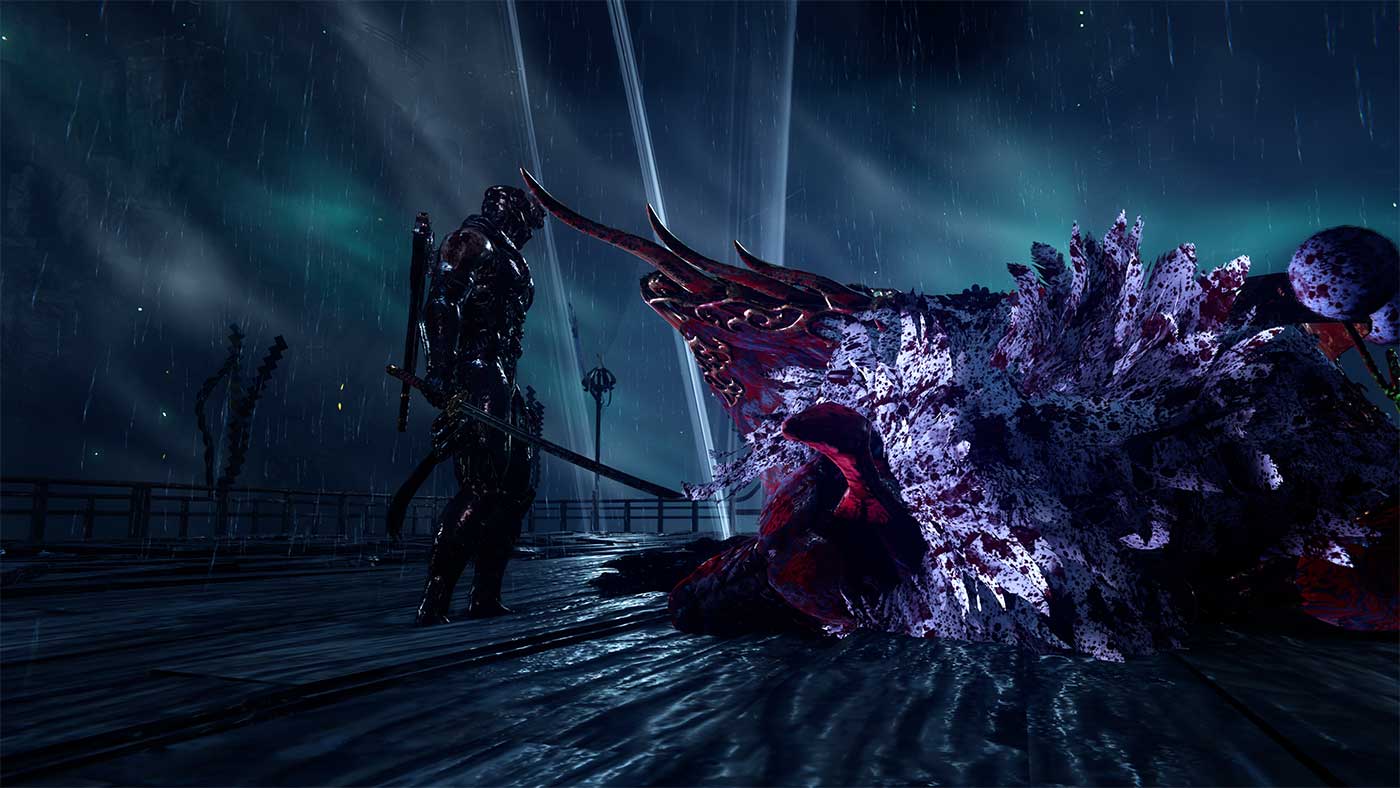
I’m not one to complain about asset reuse in games, but it’s done in a way here that’s so uninteresting that I can’t help but wonder why Team Ninja and Platinum bothered. Admittedly, it is a small amount of time in an otherwise very strong game, but it’s been shoehorned in here for the sake of fanservice rather than a tangible need to include Ryu in the story. Even the cutscenes and pacing of Ryu’s chapters feel notably lower budget, fading in and out to black and featuring minimal dialogue between the characters. It pains me to say this, but Ryu’s chapters are a low point that takes away from the excitement of playing as the series stalwart after so many years.
Ninja Gaiden has long been infamous for its punishing difficulty, but Ninja Gaiden 4 tackles difficulty differently. Enemies still overwhelm you, especially on harder difficulties. But the expanded combat system and the speedier nature of both Yakumo and Ryu make things feel easier, though you’ll still have to keep your reaction speed up. The tighter controls and smoother flow of combat, overall, benefit every encounter. You can expect many a death – on my first run, on Hard, I died over 200 times. Admittedly, these were mainly in the opening chapters as I found my bearings, but Ninja Gaiden 4’s difficulty feels more exhilarating than exasperating.
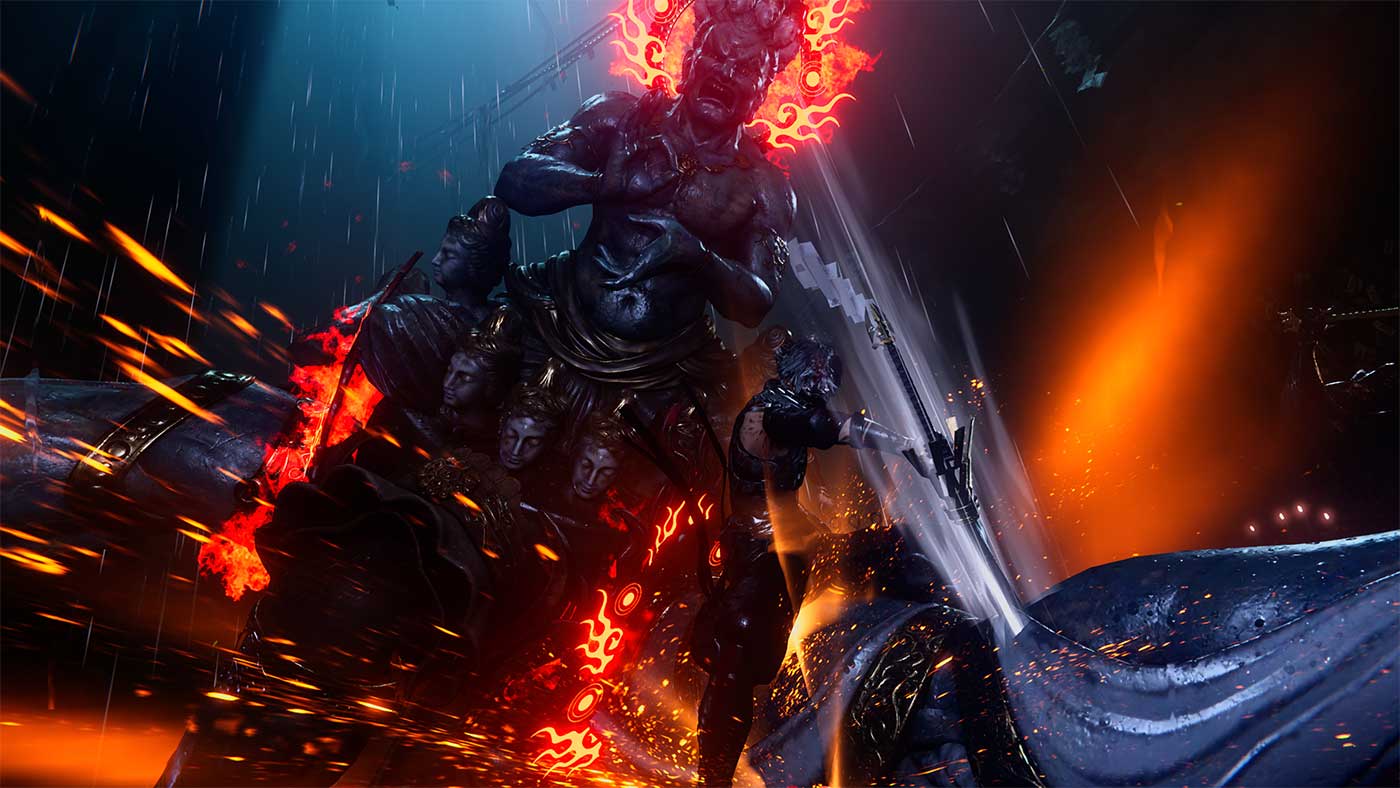
Overall, the game will take most players between fifteen and twenty hours to complete – though it’s not over when the credits roll. For one, Ryu becomes playable in all of the chapters, and a higher difficulty level is available, too. A Trials mode also unlocks, which allows you to alter some modifiers and tackle some predetermined combat challenges as either Ryu or Yakumo to earn experience and ranks. If you’re a score or rank chaser, these are definitely cool things to go for – including beating levels without getting hit.
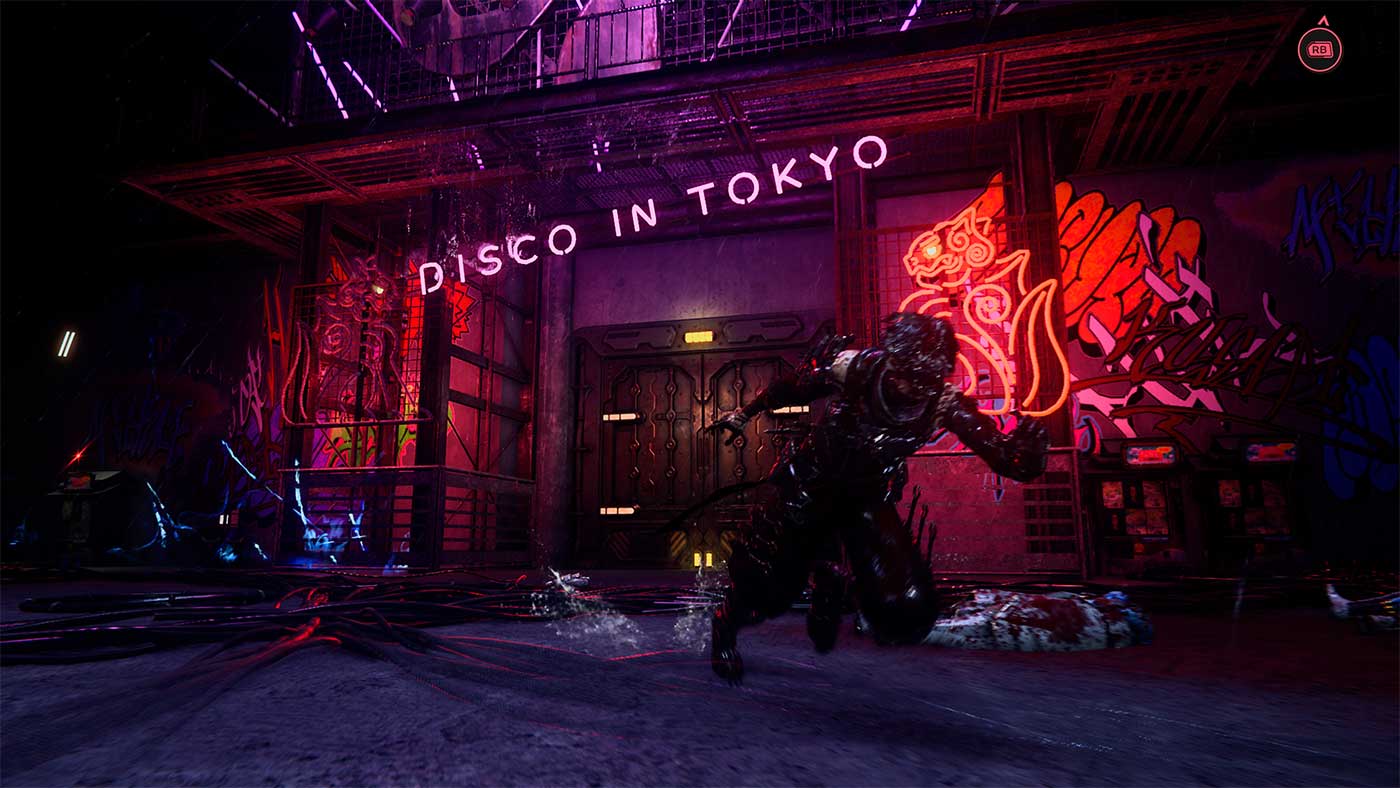
From a presentation standpoint, Ninja Gaiden 4 trades in the more typical urban settings for flashy, cyberpunk-inspired cityscapes instead. There are some detours to the odd forest or mountain, but overall, this looks and feels like a neon-lit sci-fi affair. This duality of tech and tradition comes together rather cleverly in some of the boss designs you’ll encounter, too. It’s a nice-looking game, especially as the game mostly takes place in the rain, though some of the sci-fi elements can be a smidge generic. Technically, the game is impressive, offering 30, 60 and 120fps modes depending on your preference. Things can become low-resolution and shimmery when there’s a lot of blood flying around, at least on the Xbox Series X, but overall, the game flows and plays beautifully.
Overall, while Ninja Gaiden 4 dips slightly as it begins to wrap things up, it’s a worthy sequel to Ninja Gaiden and Ninja Gaiden 2. It successfully modernises the combat of the previous games without compromising on the spirit of the originals, endearing itself to both new and old gluttons for a type of punishment that only these games can provide. While the transition to Ryu feels a bit haphazard and clumsy, overall, Ninja Gaiden 4 is an incredible action game and a real shot in the arm for both PlatinumGames and the franchise as a whole.