

Press Start may receive a commission when you buy from links on our site at no extra cost to you.
What started as an innocent paintball shooter in Splatoon has since become something of an experimental hotbed for Nintendo. The original 2015 release was a tight and focused package, with a short campaign and a multiplayer mode that proved this core concept is a worthwhile one. This quickly changed with Splatoon 2 and 3, introducing a new horde mode called Salmon Run, alongside two fantastic DLC offerings with Octo Expansion and Side Order.
It’s this latter content, particularly Salmon Run and Side Order, that lays the groundwork for Splatoon Raiders. Raiders combines the best elements of Salmon Run and Side Order, entwining design aspects from each with ideas that are entirely new to Splatoon with great results. It’s not without growing pains, and even struggles to escape some of the faults that plague its inspirations, but Raiders is another inspired and enjoyable splattin’ experience.
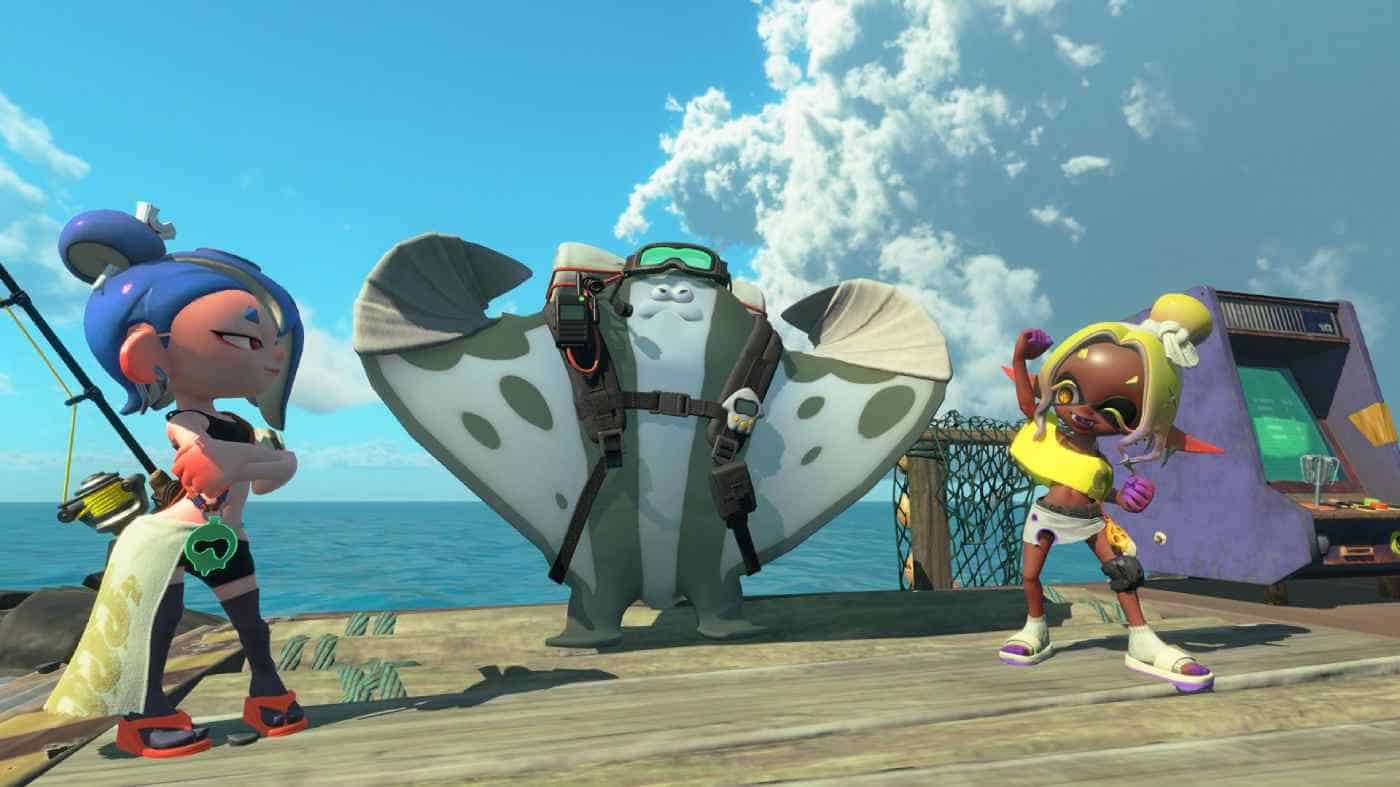
Splatoon Raiders follows the Deep Cut gang from Splatoon 3, that being Frye, Shiver, and Big Man, alongside the player character known only as the mechanic. After a news article reveals that the Spirhalite Islands have resurfaced recently, Deep Cut flies out to the islands in search of treasure. The helicopter, piloted by the mechanic, gets caught in a storm and crashes on the islands. Without a way back home, the crew creates a makeshift base and begins raiding the islands in hopes of uncovering its many treasures.
Unfortunately for Deep Cut, the Spirhalite Islands are positively infested by Salmonids, a species of warrior salmon that feature as the main antagonists in both Salmon Run modes in Splatoon 2 and 3. It quickly becomes clear to the team that more is going on with the Spirhalite Islands than initially expected, with an ominous storm planted right in the middle of the islands beckoning the gang to push forward.
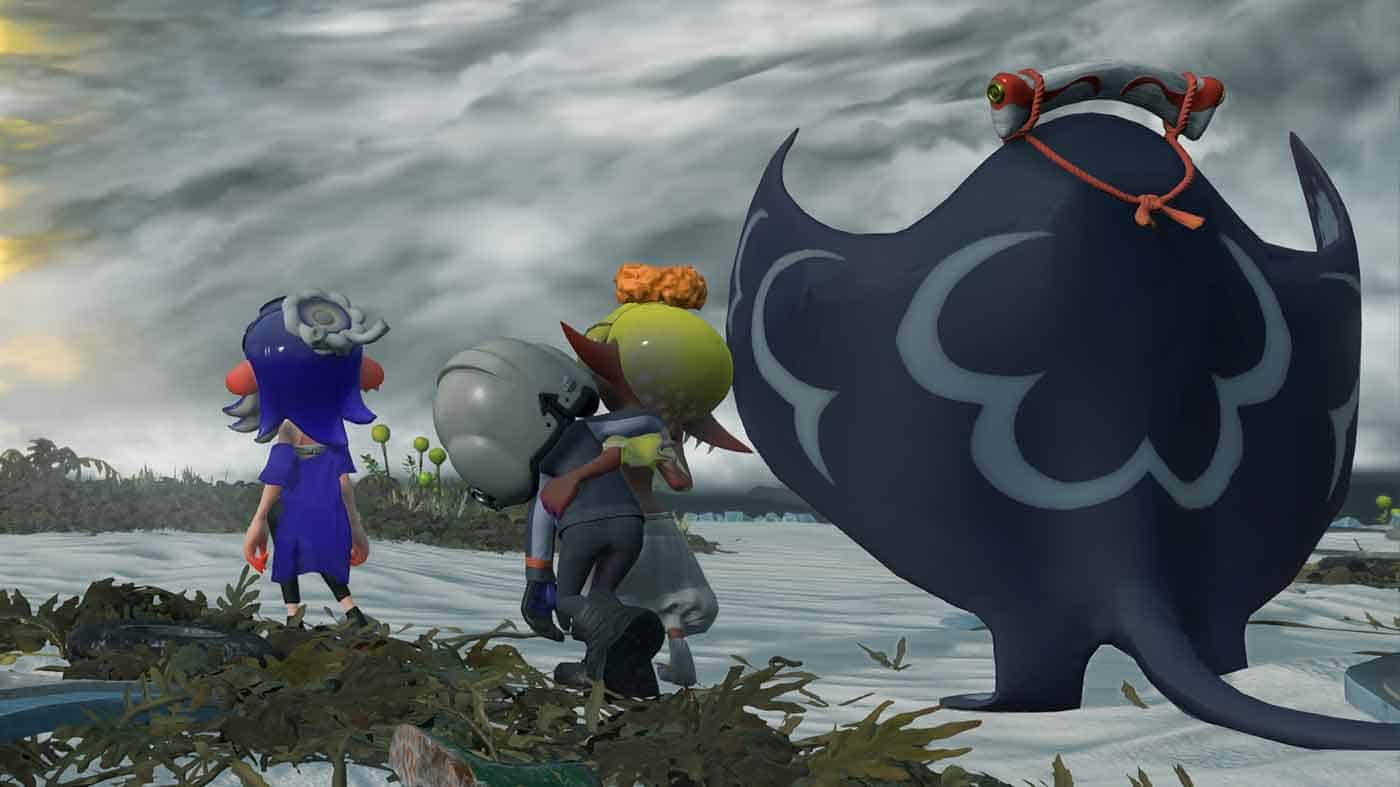
In true Splatoon fashion, things get pretty off the rails by the time credits roll, and the story serves as an excuse for the gameplay quite well. It’s fun to hang out with Deep Cut again, especially when you see the way they’ve been characterised through animations and unique dialogue. There’s also a fair bit of work put into the Salmonids here. I won’t get into spoilers, but if you’re invested in the lore of the Salmonids and how they fit in with the broader Splatoon narrative, there’s a lot to sink your teeth into here.
It’s fitting that Splatoon Raiders is posed as a spin-off, because there really isn’t much else like it in the franchise. It leans on the chaos of Salmon Run in its level design and enemy density and combines it with the progression of Side Order with a healthy dose of looter-shooter DNA sprinkled throughout. This is what surprised me most about Splatoon Raiders, and drives much of how you approach this experience outside of completing the main campaign.
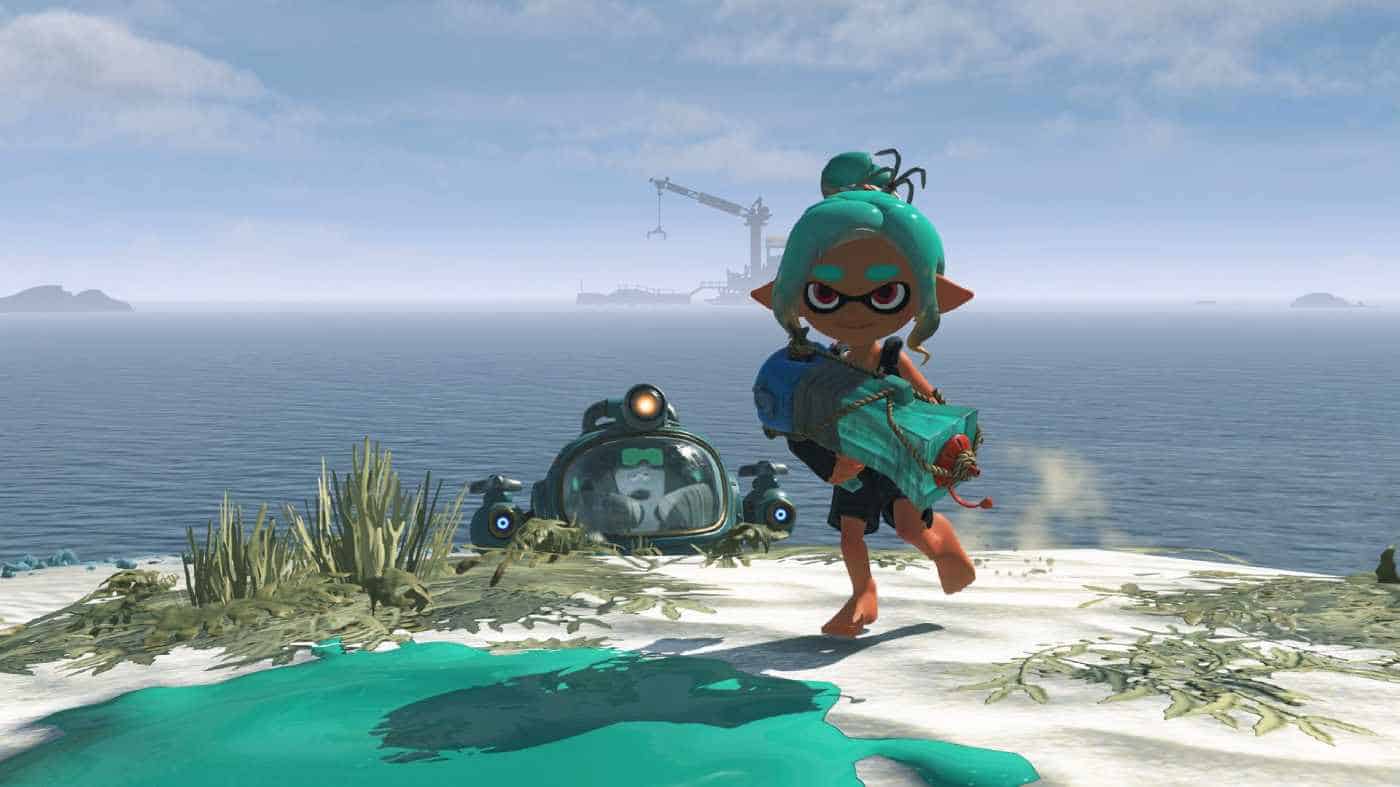
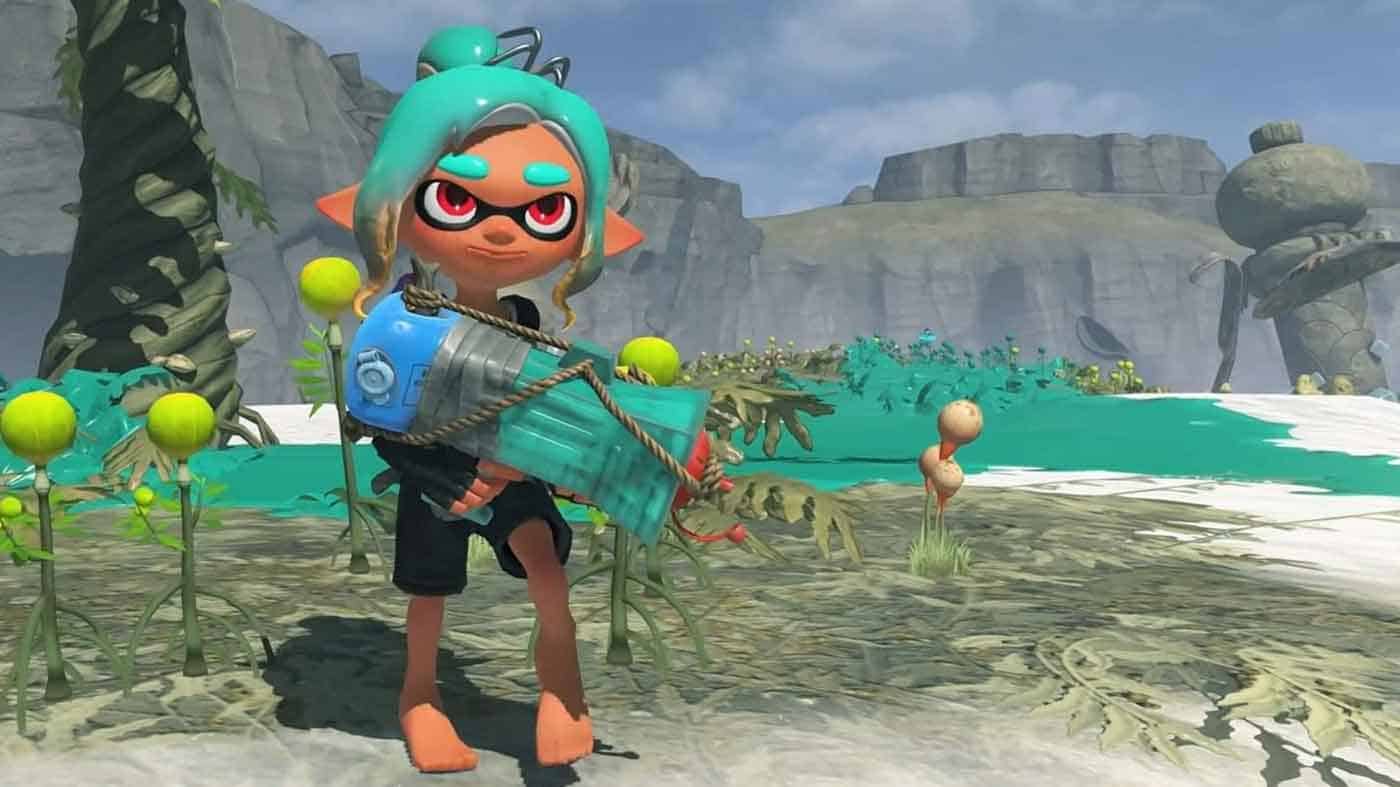
The general flow of Splatoon Raiders is going on raids from home base, defeating Salmonids to collect Power Eggs and materials, alongside Spirhalite Shards. You’ll then return to base to spend your acquired materials and get stronger for future raids. There’s a lot to upgrade here, including the home base itself as you add new crafting facilities that aid in general progression.
The biggest shakeup here in moment-to-moment combat comes with the addition of Ink Tanks. There are three in total: the Power Tank, the Speed Tank, and the Tactical Tank, each with their own equippable Gadgets and playstyles. They’re fairly straightforward – the Power Tank is about front-loaded damage and getting in the face of Salmonids, the Speed Tank leans into faster movement and positioning, and the Tactical Tank focuses on area control and afflicting status effects.
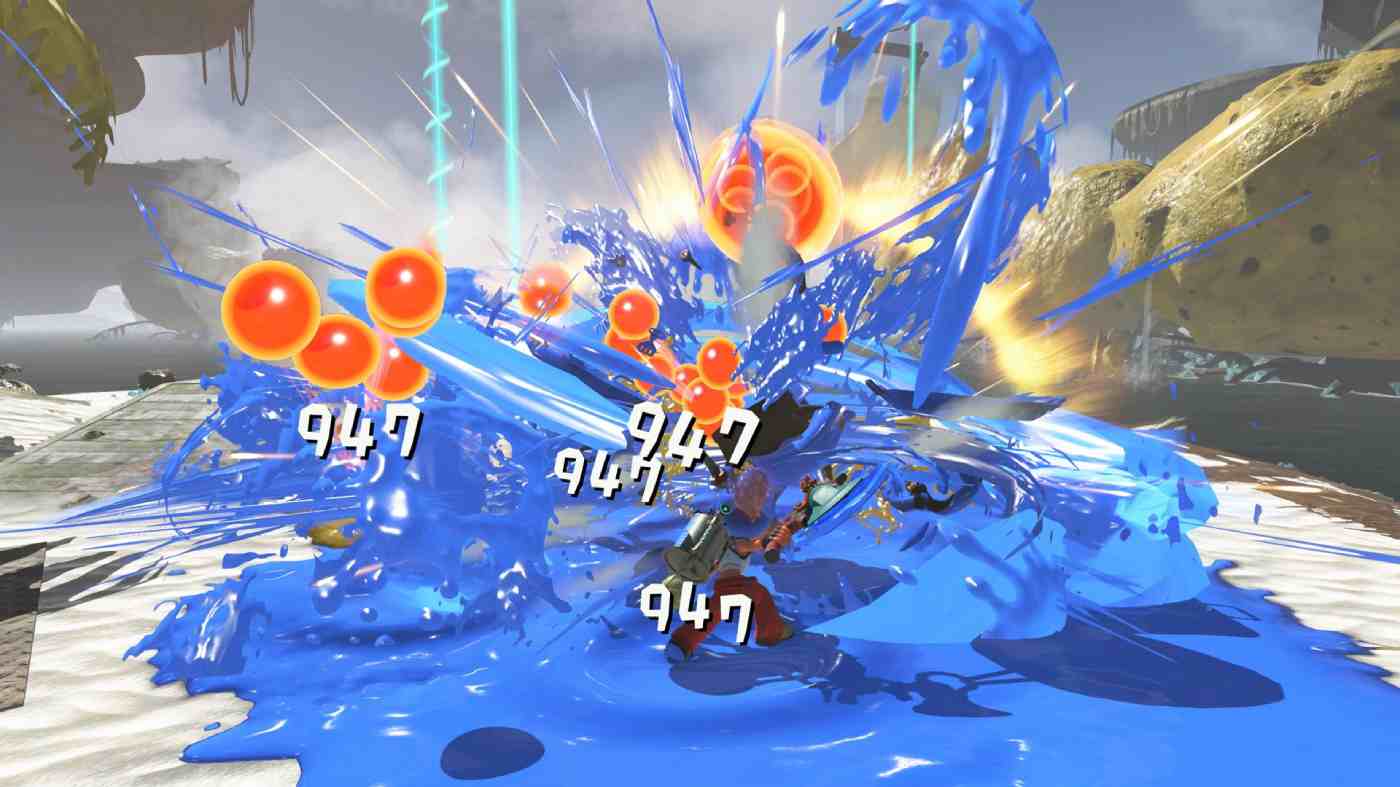
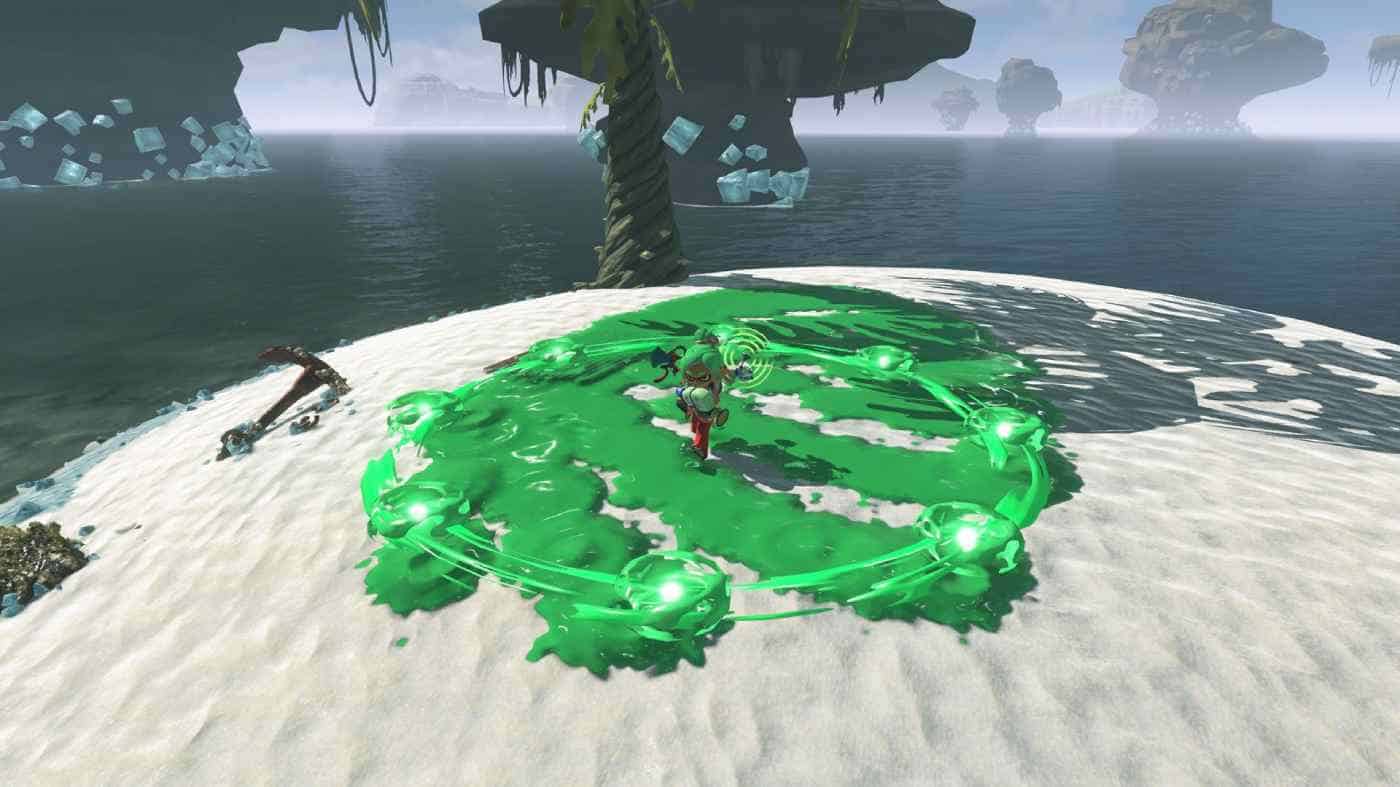
These are largely shaped by their Gadgets, which you can develop and equip at home base before you go on a raid. They vary wildly between Ink Tanks and inform much of the playstyle. Where the Power Tank’s Splatchet does heavy melee damage while advancing you forward, the Tactical Tank’s Shot Pot is a friendly turret that shoots Salmonids from afar. Every Gadget can be further customised with Gadget Parts, altering their behaviours and buffing overall capability. While parts can be crafted at home base, they also drop from defeated Salmonids and as raid rewards.
While you can only equip two Gadgets to an Ink Tank initially, collecting Power Eggs from fallen Salmonids will eventually power up your Ink Tank, allowing you to equip more Gadgets, and even those from other tank types. This is where Splatoon Raiders gets interesting. There’s a lot of cool and unique opportunities for buildcrafting here. Combining Gadgets and abilities from different Tanks endlessly fun and keeps me coming back even after rolling credits. My biggest issue with this system, though, is that it takes too long to get going.
The number of Power Eggs required to fully power up an Ink tank is quite large, and you’ll often be required to spend time using other Tanks to power up whichever one you main. It just takes too long, and there’s some repetition that settles in the early to mid game as you work to get these final unlocks. Once you do, though, it feels like Pandora’s box opens, and the core appeal of Splatoon Raiders fully reveals itself.
There are so many other aspects of buildcrafting that play into this as well. What weapon type you use, the modifiers it has, and the perks that you can equip to your Ink Tanks that support the build you’re looking for. This gameplay loop is brought full circle by weapon and Gadget Part rarity. Weapons and Gadget Parts both come with a star rarity assigned to them, up to a maximum of five. These five-star rares are incredibly infrequent, popping up more in higher difficulty content, but they feel so meaningful because of it, and it helps that their effects often fill in the gaps in your build.
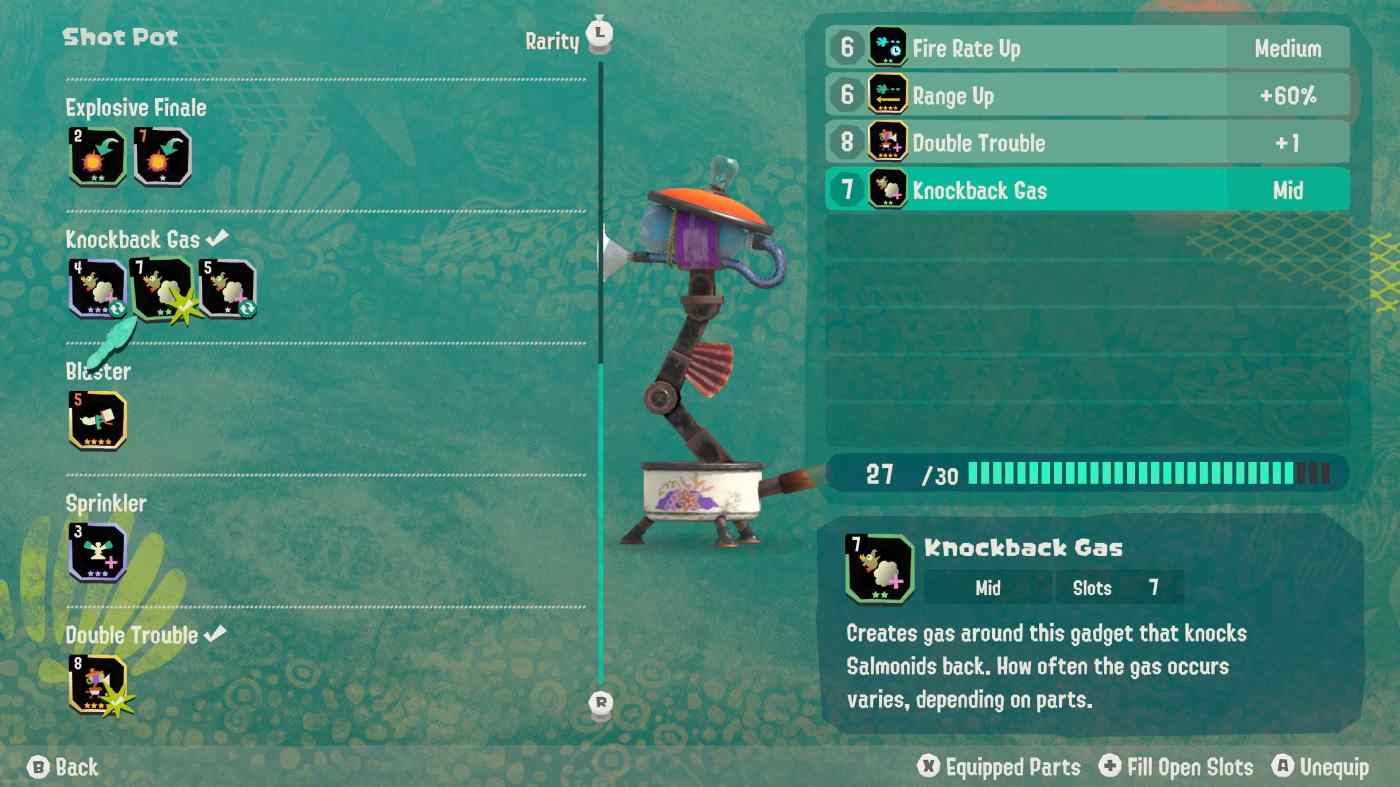
There’s also less randomised progression in levelling up as you defeat Salmonids, allowing you to spend Skill Points on your base stats like health, weapon damage, gadget damage, and so on. This is somewhat restricted by limiters. Limiters function as a hard stop on upgrading that stat until a certain number of Skill Points have been spent, forcing you to invest in all areas so you don’t fall behind.
This is fitting as Splatoon Raiders can be quite difficult. Each raid has a recommended level assigned to it, with a nice curve that slowly escalates as you move towards the centre of the Spirhalite Islands. Many levels have Spicy variants that yield new rewards but are assigned with an even higher level recommendation. If the going gets too tough, you can use the Call for Help feature to get help from other raiders or just jump into a multiplayer lobby with friends, but the Salmonids do scale aggressively and appropriately in response.
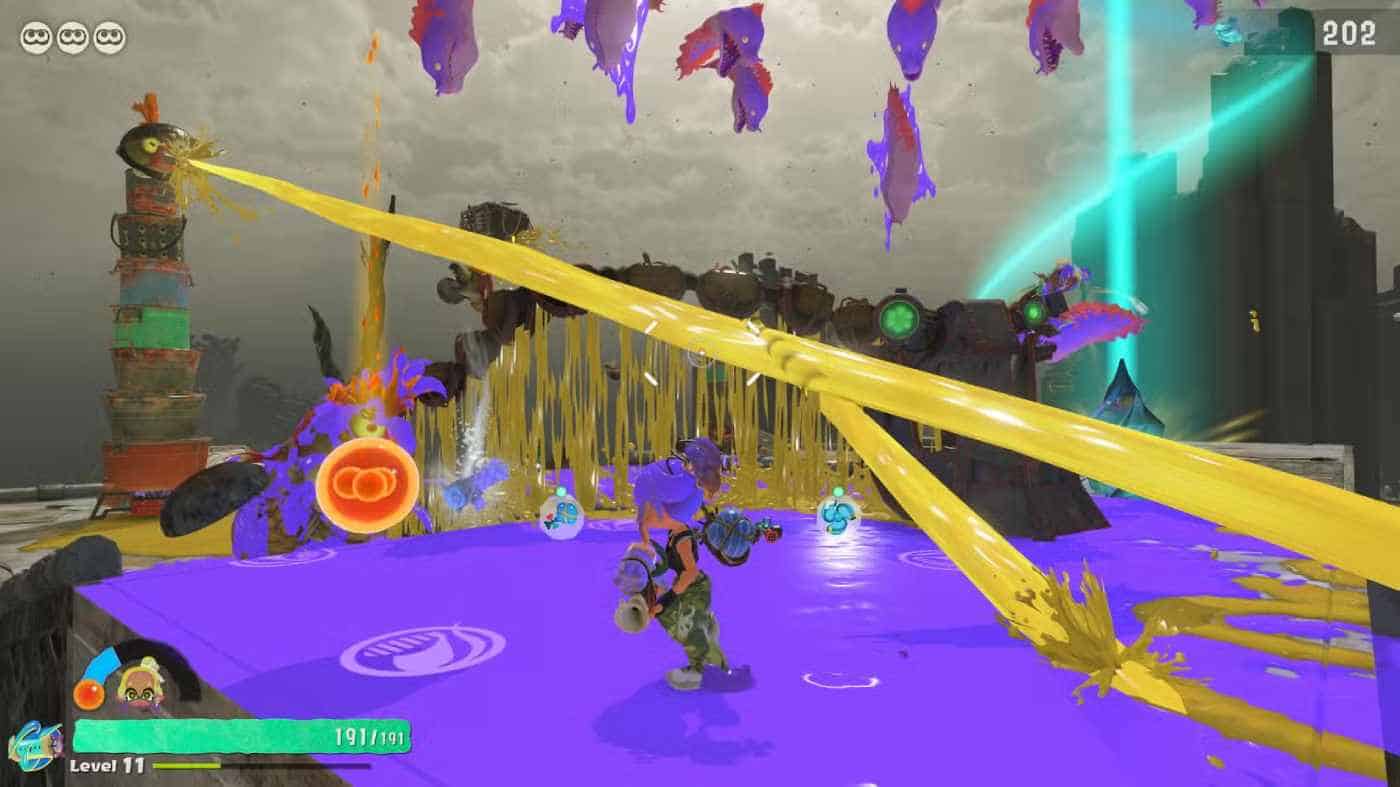
In true Splatoon fashion, combat is kinetic and incredibly satisfying. Ducking in and out of ink to refill your ammo supply as you pop Salmonids is endlessly fun, made even better by an absurd amount of enemy variety in visual design and how to take them down. Each feels like a little puzzle box that becomes infinitely more complex when plunged into a sea of other Salmonids. There’s a combination of returning and new Salmonid types here, with a slew of excellent bosses to take down as well.
Another neat new feature here is the Exploration Bot, a small quadrapedal vehicle used to explore the Spirhalite Islands. It’s operated by a member of Deep Cut of your choice, each bringing a powerful Showstopper attack that always wipes the screen of Salmonids. Outside of this, it’ll fight alongside you, and you can even double jump off of it to get some height on your enemies as you glide down and rain fire from above.
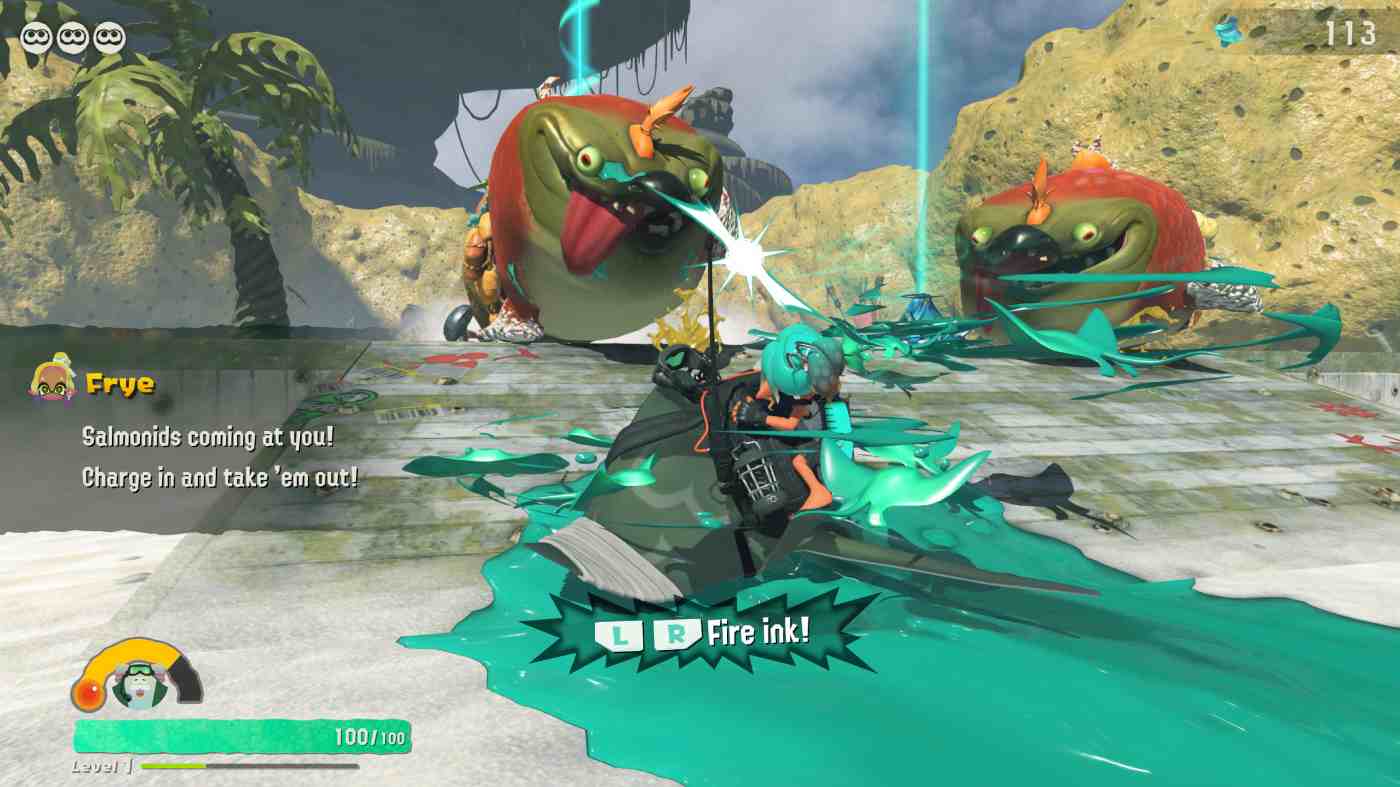
I think one place that Raiders struggles where other Splatoon experiences succeed is in its level and objective design. Because so much inspiration is taken from Salmon Run, raids don’t play around with new ideas and setpieces inside of the existing horde framework. There are a couple of different level formats here, but none feel particularly complex or engaging from a navigation perspective. They often rely on the sheer number of Salmonids filling your screen, but I feel they don’t have the legs to support the entire experience unless you’ve got friends to play co-op with.
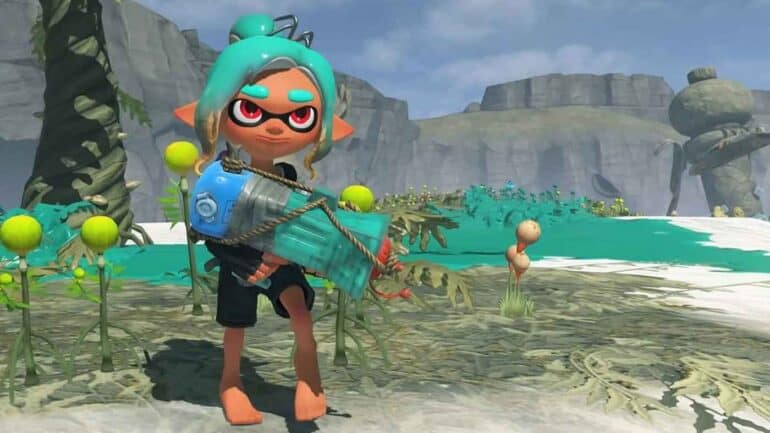
I’ve always loved the way Splatoon plays with colour and paint in ways that separate artistically from Nintendo’s other works. Splatoon Raiders carries this forward, but not without some caveats. Generally speaking, the game looks great, with impeccably high image quality and solid performance afforded by the Switch 2. The animation work is also excellent, with the Salmonids in particular exuding personality in their designs and how they move around. The music, as usual, is also banging.

In saying that, I do think it’s a bit on the bland side artistically. While the player and Deep Cut models look great and the paint tech is fantastic, environment design leaves a lot to be desired. Aside from not being super diverse from a colour palette perspective, they’re just generally bland and uninteresting. I feel this is true in prior Salmon Run iterations, but is more easily forgiven in the context of also having a campaign and multiplayer modes.
As an evolution of some of Splatoon’s best content, Splatoon Raiders feels like a natural step forward for this series. It takes a while to get going, but its core loop is so moreish and addicting without feeling like a chore – especially if you play with friends. There’s enough content here to keep you playing for hours, even more so if you want to tinker around with builds and find unique combos. Even if this is just a stop-gap leading to an inevitable Splatoon 4, Raiders has a lot to offer for fans of the franchise.