
Press Start may receive a commission when you buy from links on our site at no extra cost to you.
When Ubisoft asked if I wanted to demo a remake of its masterclass platformer, I couldn’t jump and heli-hair at the chance fast enough. Not to conjure a ‘90s sitcom, but in my house, everybody loves Rayman. Every few years we replay the timeless 4P co-op of 2013’s Rayman Legends. What starts as shared kleptomania with limbless heroes devolves into villainous backstabbery that’s anything but ‘armless.
Rayman Legends is one of those rare games that has escaped the usual ageing process. The original wasn’t merely a collection of brilliantly designed levels. It was a greatest-hits album of platforming ideas delivered with astonishing consistency and enough personality to power a small nation.
So when Ubisoft unveiled the 3D-ified Rayman Legends Retold, I wasn’t wondering whether it would look prettier. That’s the easy bit. What I wanted to know was whether there was actually a reason for this thing to exist.
After sitting through a detailed presentation and spending roughly two hours with an early build spanning the game’s opening worlds, I think there might be. More importantly, Ubisoft appears to think so too. Everything I saw suggested a joint-team effort that understands exactly why people fell in love with Rayman Legends in the first place while also recognising that simply re-releasing it with shinier foliage would have been a waste of everybody’s time.
The easiest way to describe Rayman Legends Retold is to say that it occupies the space somewhere between remake and reimagining.
The original’s DNA remains firmly intact. You’re still sprinting through intricately designed obstacle courses, pinging off walls, clobbering enemies, hoovering up Lums and gliding through some of the most imaginative jumpy spaces this side of Nintendo’s best efforts. Nobody at Ubisoft seems interested in fixing what wasn’t broken, which is fortunate because that would have been a catastrophic mistake.
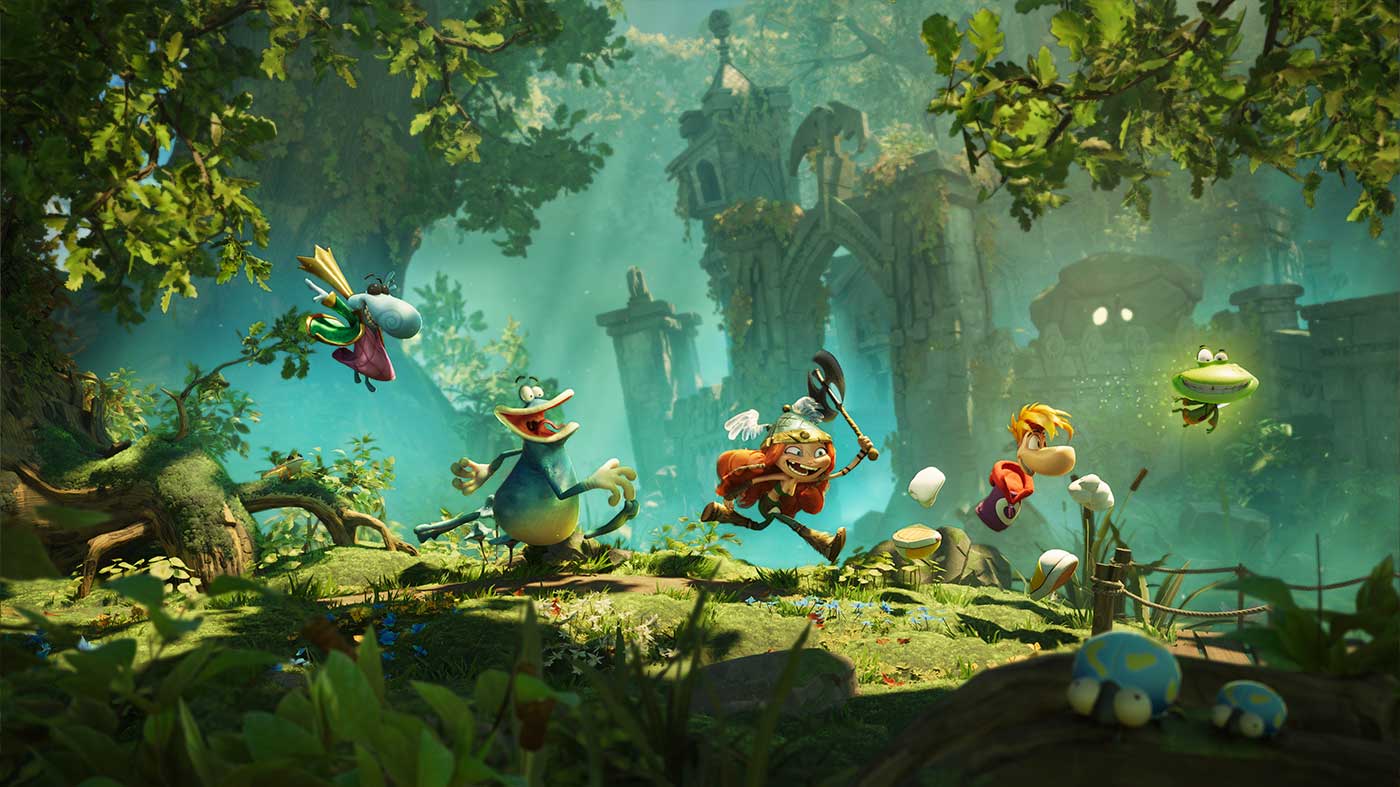
What has changed is the way those worlds are presented.
The jump to the Snowdrop engine has allowed Ubisoft Milan and Ubisoft Montpellier to revisit these environments with a Pixar degree of detail that simply wasn’t possible back in 2013. Upon returning home from the event, I went into full due diligence mode by firing up the original Rayman Legends on my PS5 Pro. Then, I replayed every level featured in my demo while side-by-siding my captured footage from Retold on a second display.
The differences became apparent almost immediately.
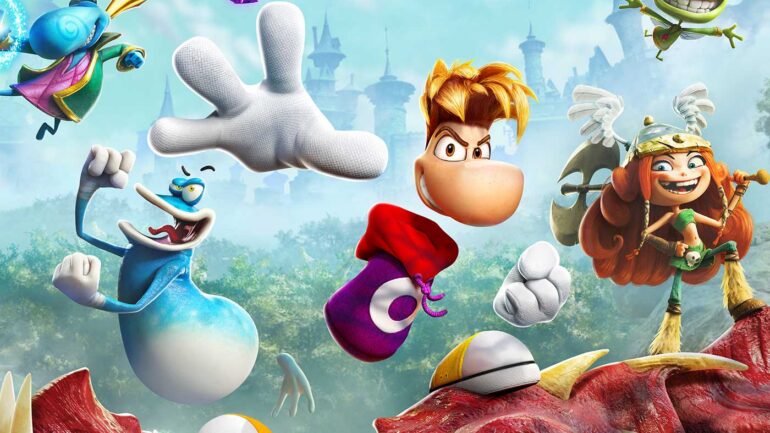
The original remains beautiful, but it achieves that beauty through sheer visual exuberance. Every colour is turned up to eleven. Every environment seems desperate to grab your attention. It’s gorgeous chaos, like somebody weaponised a children’s storybook.
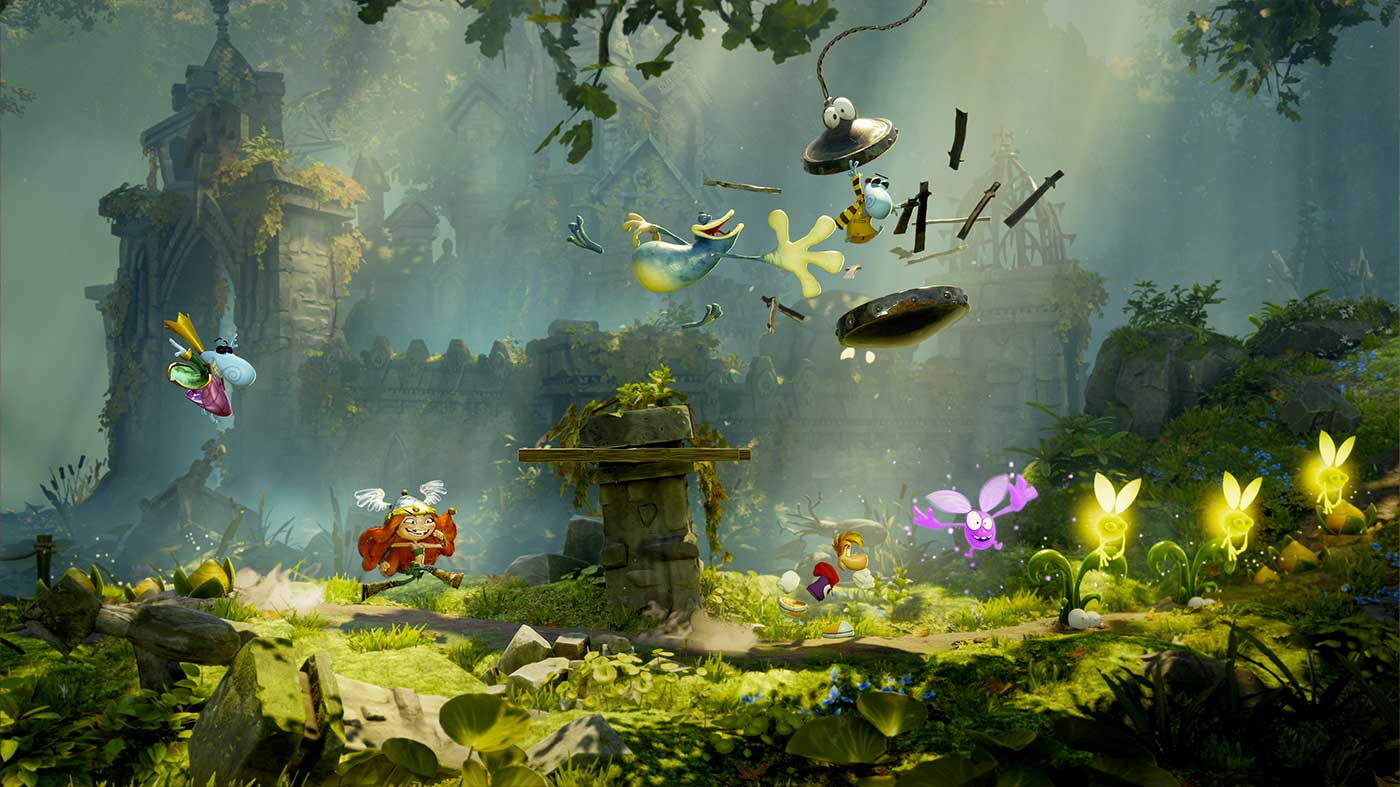
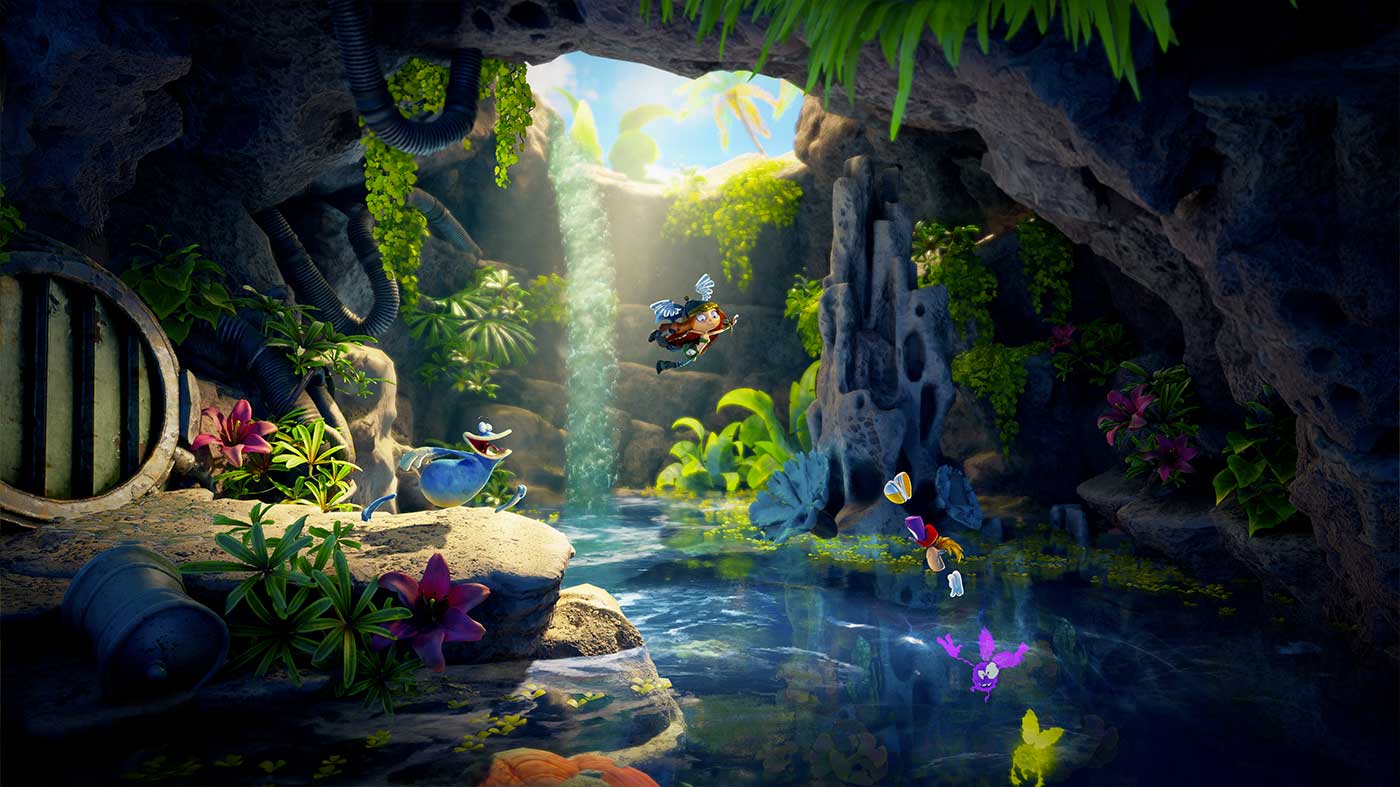
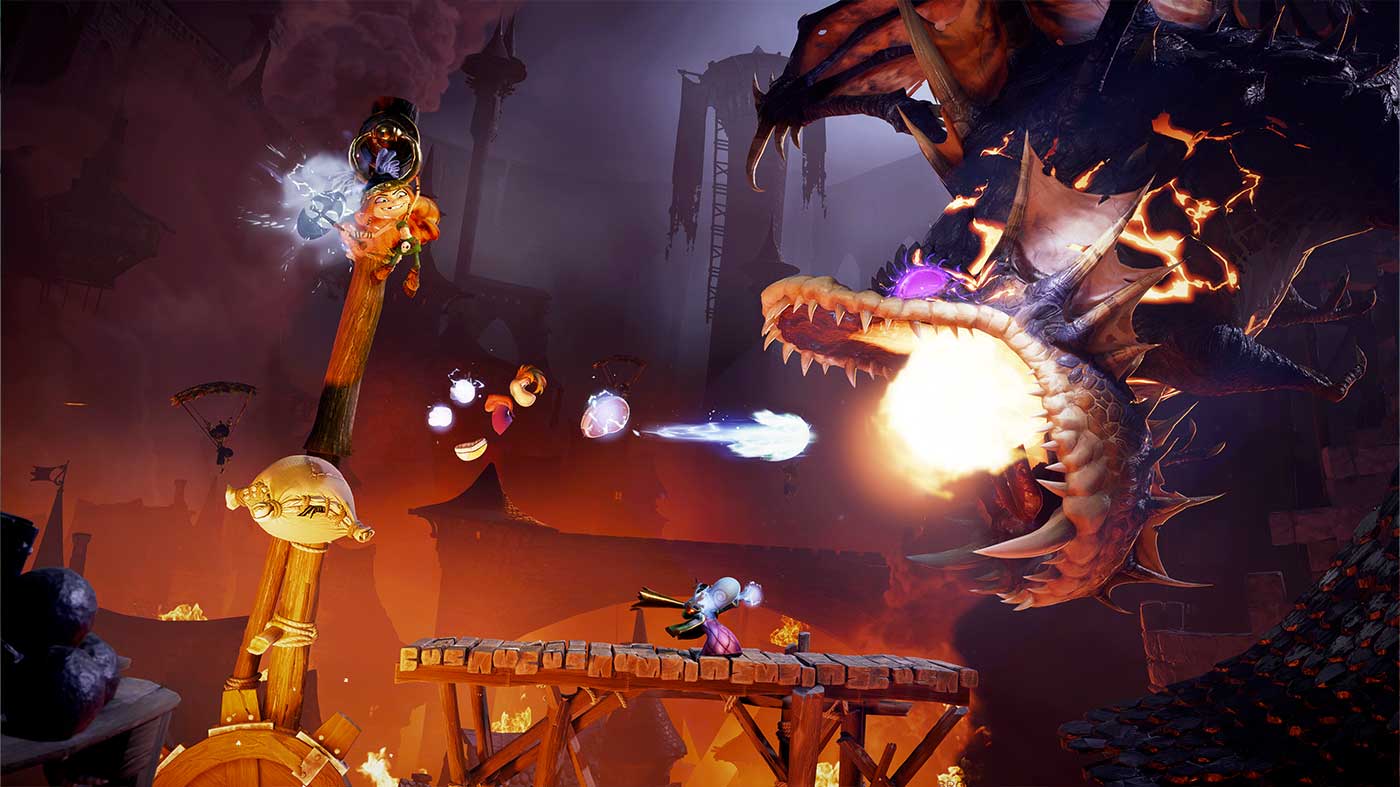
Retold takes a different approach. The worlds feel richer rather than louder. Forests are packed with wildlife going about their daily business. Tiny creatures scamper through the undergrowth. Layers of scenery stretch far deeper into the distance. Some environments twist and curve around the action in subtle 2.5D ways that make the world feel more physical without compromising the precision platforming.
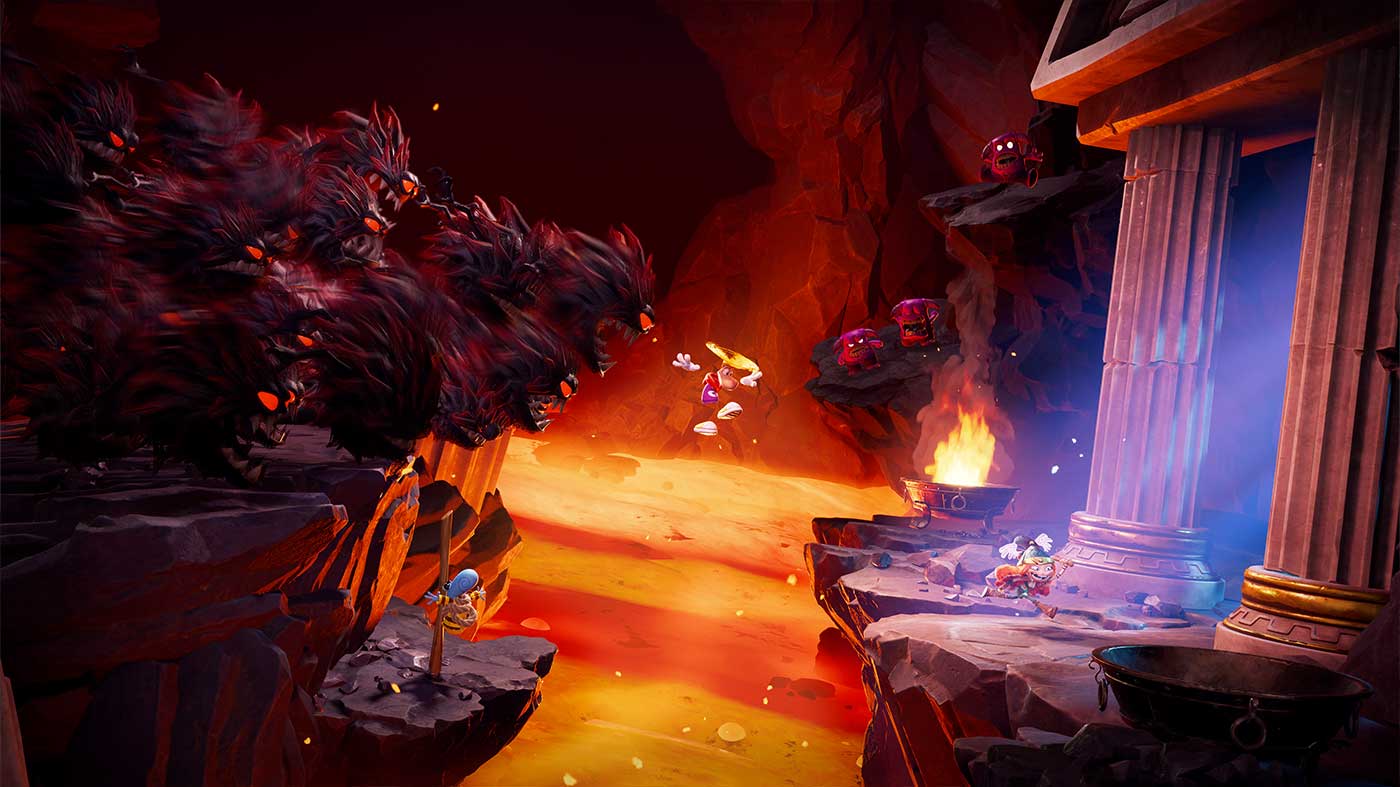
Most impressively, there’s a stronger sense of atmosphere. Dungeons feel genuinely gloomy now, illuminated by flickering torchlight and glowing spectres. Shadows have weight. Lighting creates mood rather than simply helping colours explode off the screen. The original often resembled a colouring book that had escaped captivity. This version feels more like an animated film set.
Crucially, Ubisoft has also been smart about readability. Some of the original game’s foreground flourishes occasionally obscured hazards or platforming routes. The remake seems far more restrained in that regard. Decorative elements still exist, but they’re no longer competing with gameplay for your attention. That’s the sort of refinement that only happens when developers spend years analysing what worked and what could be improved.
One of the more interesting additions isn’t a new mechanic or visual upgrade. It’s connective tissue.
Veterans will remember that the original Rayman Legends essentially operated out of a giant tent. You [non-]legged it left and right, jumped into paintings and magically arrived in whichever world Ubisoft wanted you to visit next. It worked perfectly well, but there was never much sense that these places existed alongside one another in any meaningful way.
Retold appears determined to change that. The new overworld provides a much stronger framework for the adventure, physically linking locations together and creating a more coherent sense of place. Levels feel connected to a larger world now rather than existing as isolated attractions inside a theme park. It’s a subtle shift that fundamentally changes how the journey feels.
The same philosophy extends to storytelling. The original was charmingly vague, delivering most of its narrative through grunts, more visual comedy than you could slap a stick at, and whatever fever dream happened to be occurring in the background. It didn’t need much story because the platforming was doing all the heavy lifting.
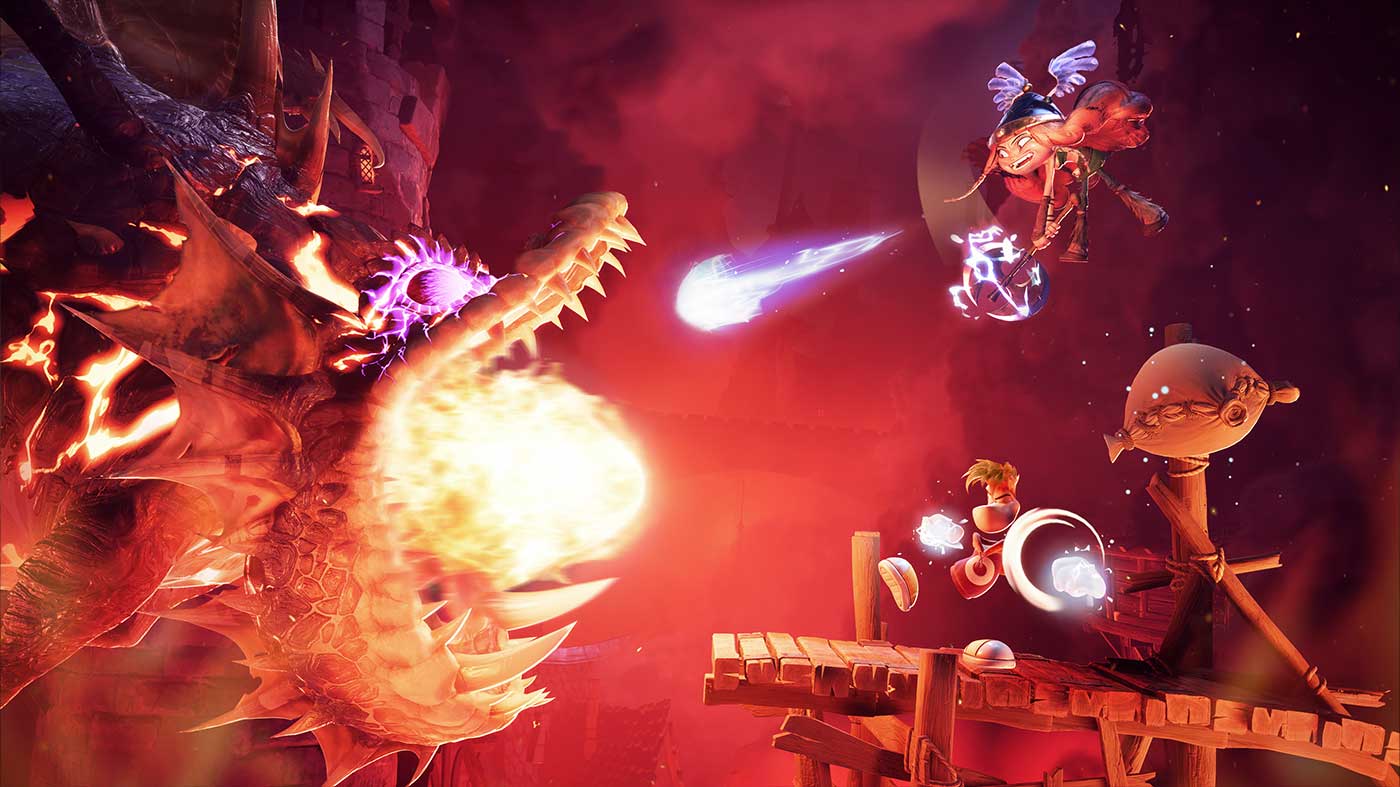
This remake seems far more interested in developing its characters and world. The cutscenes I saw were beautifully animated, fully voiced and significantly more ambitious than anything found in the original release. At times they genuinely carried that Pixar-like quality where expressive animation does most of the emotional lifting while still providing enough dialogue to flesh out personalities and motivations.
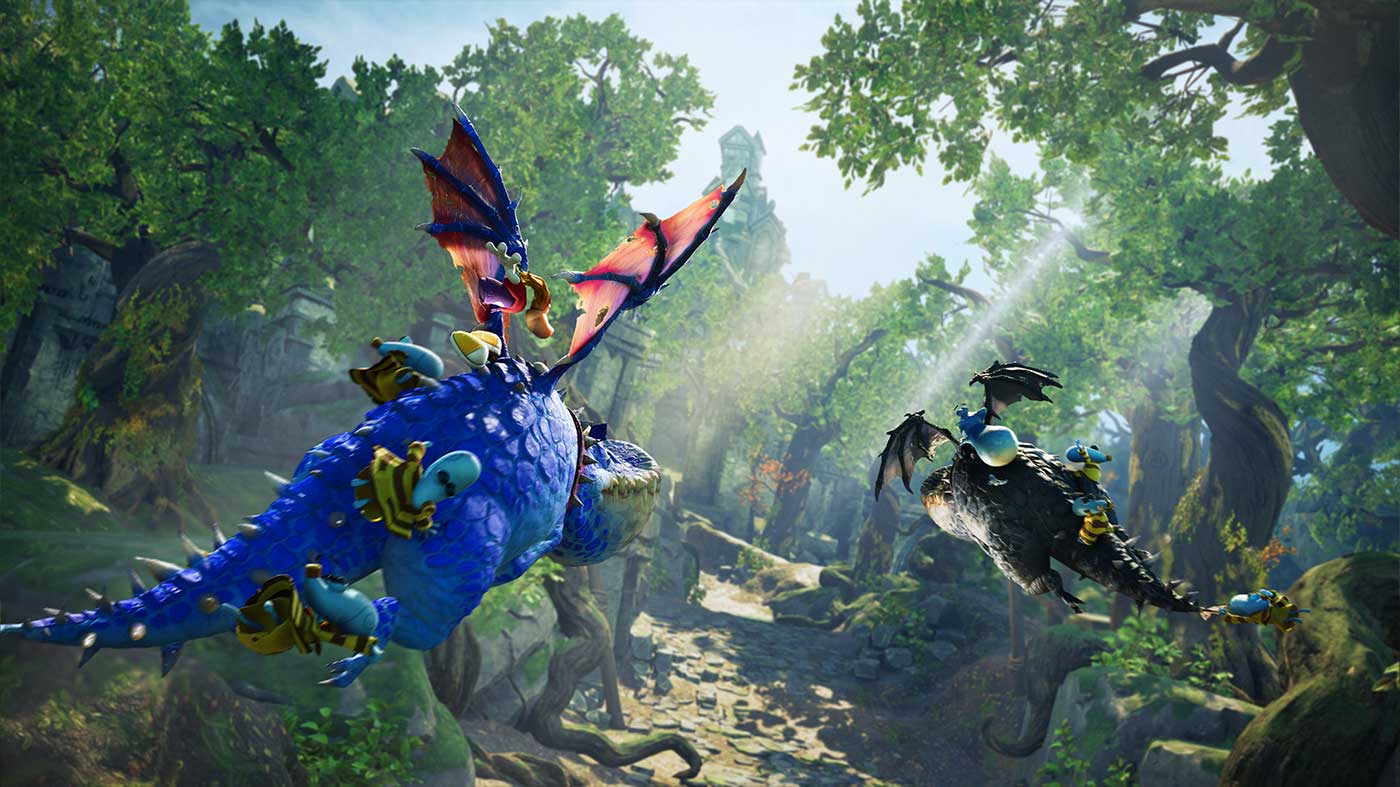
The most obvious new gameplay additions come in the form of dragon-riding sequences that periodically interrupt the platforming.
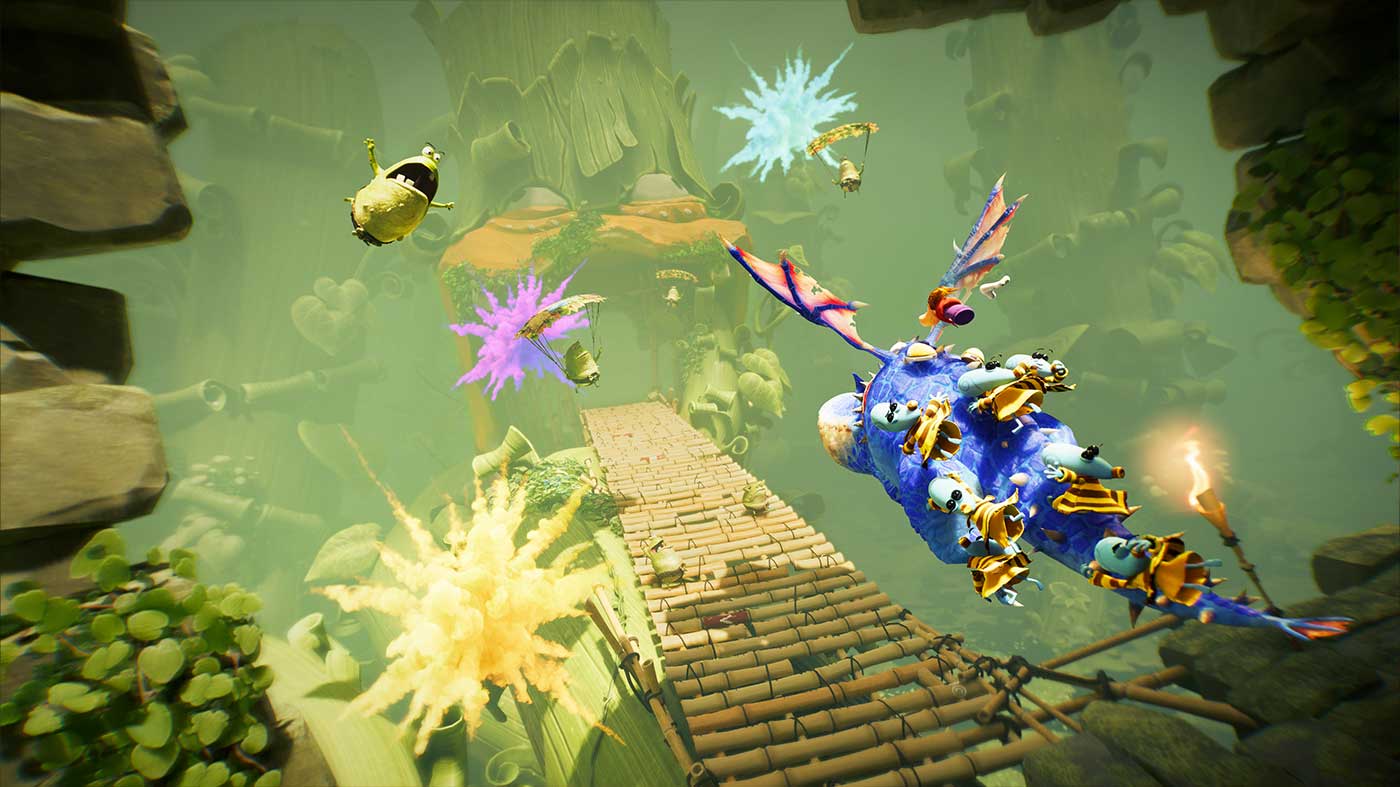
The first one immediately brought Space Harrier to my crusty old mind. Rayman and eight clinging Teensies ride atop a chunky dragon while soaring directly into the screen, weaving around obstacles and blasting incoming enemies. Every mistake costs you one of your tiny passengers, which in turn impacts your final score and completion rating.
Mechanically they’re fairly straightforward. Rapid taps unleash a barrage of fireballs while holding the attack button charges a more powerful shot capable of destroying environmental barriers. Shoulder buttons trigger quick lateral dashes that become increasingly important once goblins, trolls and large chunks of scenery start launching themselves in your direction.
What impressed me wasn’t necessarily the complexity but the presentation. These levels have fantastic scale. Mountains crumble around you. Massive creatures emerge unexpectedly from the scenery. The action is paced beautifully, with enough surprises to keep you alert even when the challenge itself remains relatively forgiving.
The second dragon sequence was far more encouraging because it demonstrated Ubisoft’s willingness to evolve the concept. What begins as another forward-scrolling stage suddenly pivots into a side-scrolling shooter reminiscent of R-Type, forcing you to adapt to an entirely different perspective midway through the ride.
That evolution gives me hope these sequences continue becoming more elaborate throughout the campaign. At present they’re enjoyable palate cleansers rather than centrepieces. Fun diversions, certainly, but not something I’d place alongside the series’ greatest moments.
If I’m being completely selfish, I know exactly where I’d rather Ubisoft spend its development budget. There are many things Rayman Legends does…er, legendarily. The music levels sit head and [non-existent] shoulders above everything else.
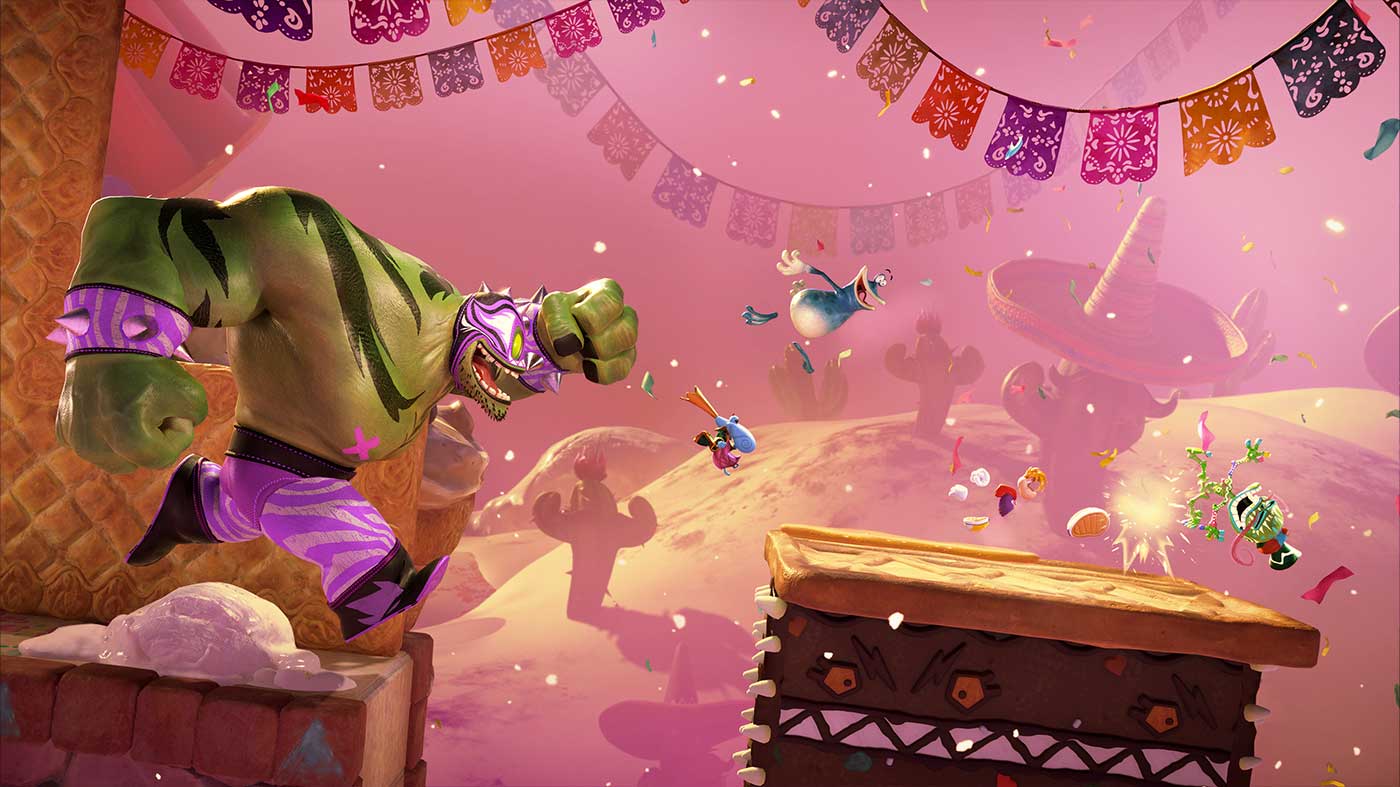
The original game’s rhythm stages remain some of the most inventive platforming sequences ever created. They transformed movement into choreography, synchronising every jump, punch and near-disaster with iconic songs in ways that felt effortless. The mariachi-flavoured take on “Eye of the Tiger” remains one of gaming’s most peak jump-a-thons. The “Black Betty” one also really gets me high (bam-ba-lam). You know that’s no lie (bam-a-lam).
Annoyingly, those rhythm levels remained hidden in my preview code. Ubisoft was keeping those cards firmly against its chest, though I was informed that new ones were being built for Retold, which was literal music to my ears. Speaking of and in total at least five new levels, an extra boss fight, and a true ending sitting beyond them was mentioned to me.
Better yet, Ubisoft has assembled an impressive musical lineup to score everything they’re adding. Returning composer Christophe Héral is joined by Grant Kirkhope, whose fingerprints are all over the golden age of platforming. Banjo-Kazooie, Donkey Kong 64 and countless other classics owe part of their identity to his work.
As someone who grew up during that era, this feels like platforming royalty joining forces. Ubisoft claims the game will feature more than 55 minutes of new music alongside enhanced versions of existing tracks. Based on the talent involved, my future appears to contain excessive quantities of xylophone.
What surprised me most throughout the demo was how restrained many of the gameplay changes felt.
Rayman himself seems slightly weightier than before. Not sluggish, not compromised, just a little more grounded. Movement carries a touch more physicality while still retaining the responsiveness that made the original such a joy to control. He’s also considerably more vocal now, reacting to situations with additional voice work that also extends to Murphy, voiced by Billy West.
Elsewhere, Ubisoft appears to be making small adjustments designed to smooth rough edges rather than reinvent systems. A handful of larger enemies I remembered from the original levels were absent or altered. Certain encounters seemed streamlined. Some of the broader slapstick humour has been dialled back too. One memorable example involved a gas bulb that originally rewarded us with an auditorium-clearing fart noise. That particular joke appears to have been retired.
Whether these changes are final remains unclear. This was very obviously an unfinished build and several familiar systems were missing entirely. End-of-level summaries tracking Lum collection percentages and ranking rewards weren’t present during my session. I’d be stunned if they don’t reappear before launch.
Still, the overall impression was one of careful curation. Ubisoft doesn’t seem interested in changing things for the sake of change. Every adjustment I noticed felt designed to improve flow, pacing or accessibility without compromising the original’s identity.
That’s a difficult balancing act and, based on what I’ve played so far, they’re handling it remarkably well.
Whether Rayman Legends Retold ultimately replicates the towering heights of the original remains impossible to say after a few hours. What I can say is that Ubisoft appears to understand the responsibility it’s taken on. This isn’t merely another remake. It’s a second shot at one of the greatest platformers ever made.
Based on what I’ve played so far, Rayman’s long-overdue comeback seems glove-tight and in very good (and inexplicably hovering) hands.