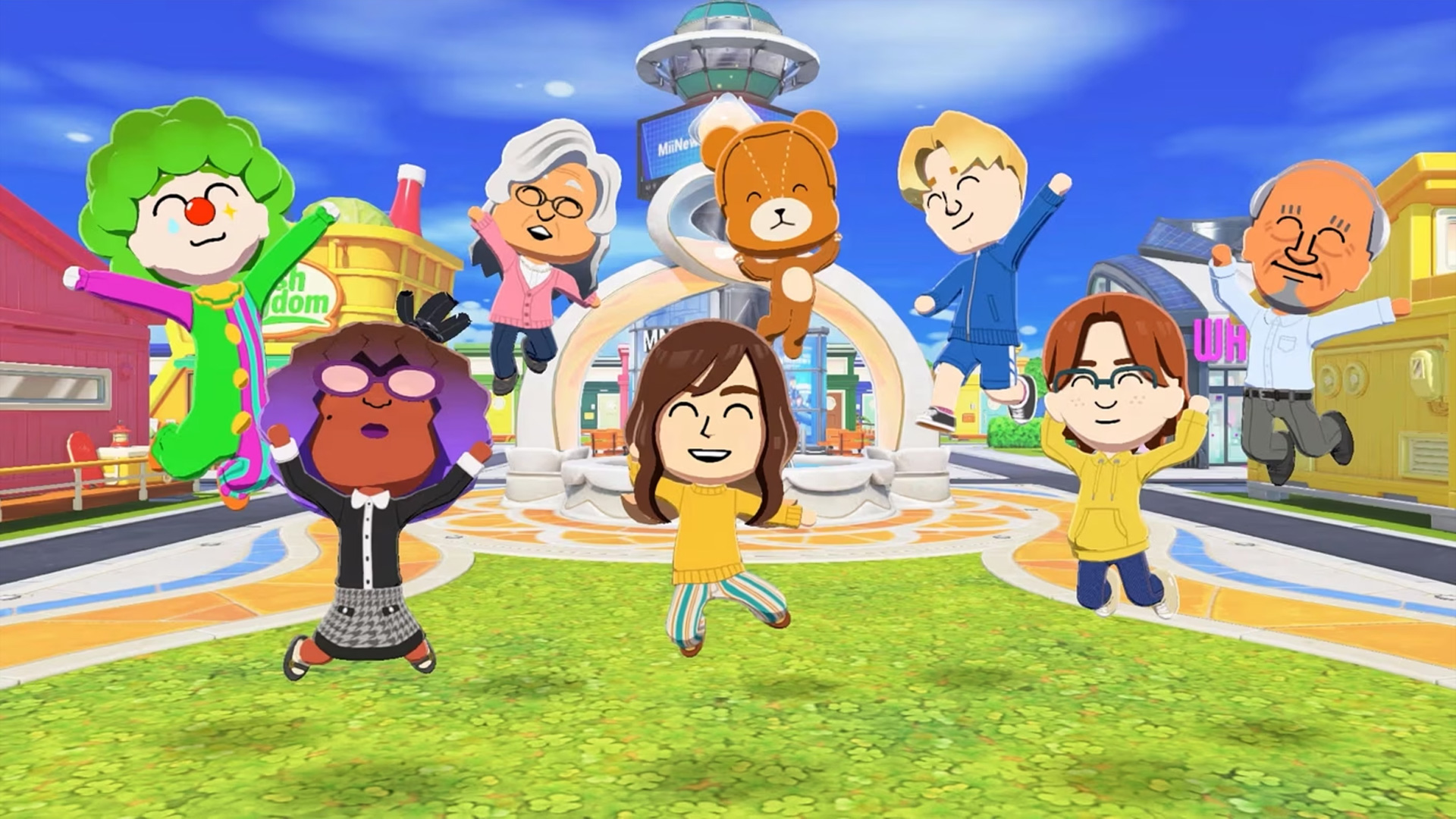




Generally speaking, social sims aren’t my choice of genre when it comes to games. While they aren’t at the bottom (sorry, sports games), I’ve never really considered investing loads of time into something like The Sims. I won’t pretend that Tomodachi Life: Living the Dream has changed my mind in that regard, but I won’t deny that I had a good time with it. This is a ridiculous little game that’s unlike anything I’ve ever played – utterly absurd, totally nonsensical, and more than capable of eliciting many a chuckle regardless of what I prefer to play and any qualms I might have with it.
The basic gist of it is that you oversee a remote tropical island populated by Miis you create. They go about their daily lives, interacting with each other both organically and inorganically, when you inevitably step in to force a certain social situation. This is all tied together by an unwavering commitment to customisation and putting power into the hands of the player. From the clothes each Mii wears to the terraformation of your island, every little detail of your island can be tweaked and fiddled with as you see fit.

This also means there is no real progression or end goal to work towards. Your island is ever evolving as Living the Dream rolls out new mechanics and options at record pace. It’s worth keeping in mind for those into the likes of Animal Crossing or Pokémon Pokopia that there isn’t necessarily an endpoint here. It’s a sandbox in every sense, and that isn’t a bad thing – just something worth remembering for those expecting Tomodachi Life to be something it’s not.
If you’re on board with that, though, I’m sure that Living the Dream will please. It’s frankly absurd how much control you have over each part of this game. Each Mii can be extensively customised, from gender and voice to personality quirks and age. They can be made from scratch or from templates if you aren’t feeling particularly creative. They can be customised even further as they spend time on the island, allowing you to choose how they walk or even choose a word that they start every single conversation with.

I do feel that for someone like me, the total count of Miis was very high. It eventually became tedious to create new ones, and you often want to in order to create new social dynamics and unlock new island capabilities. I don’t think this is a universal negative, but as someone who wanted to focus on my island layout and fostering relationships to create more emergent moments, I was over it after about 20 hours. I have no doubt that those more creative than I won’t have this issue, but it’s worth bearing in mind if this genre isn’t usually your bag.
All of this feeds into the best part of Tomodachi Life: Living the Dream – the social interactions. Many of these in the early game will require some sort of intervention from you. Maybe a Mii mentions they want to be friends with another Mii, so you give them a topic to discuss. Sometimes they’ll fall over or throw their back out and require some assistance. Once you’ve planted these seeds, a relationship will start to blossom, and who knows where it goes from there. This is where emergent moments start to shine, as Miis reference previous conversation topics.
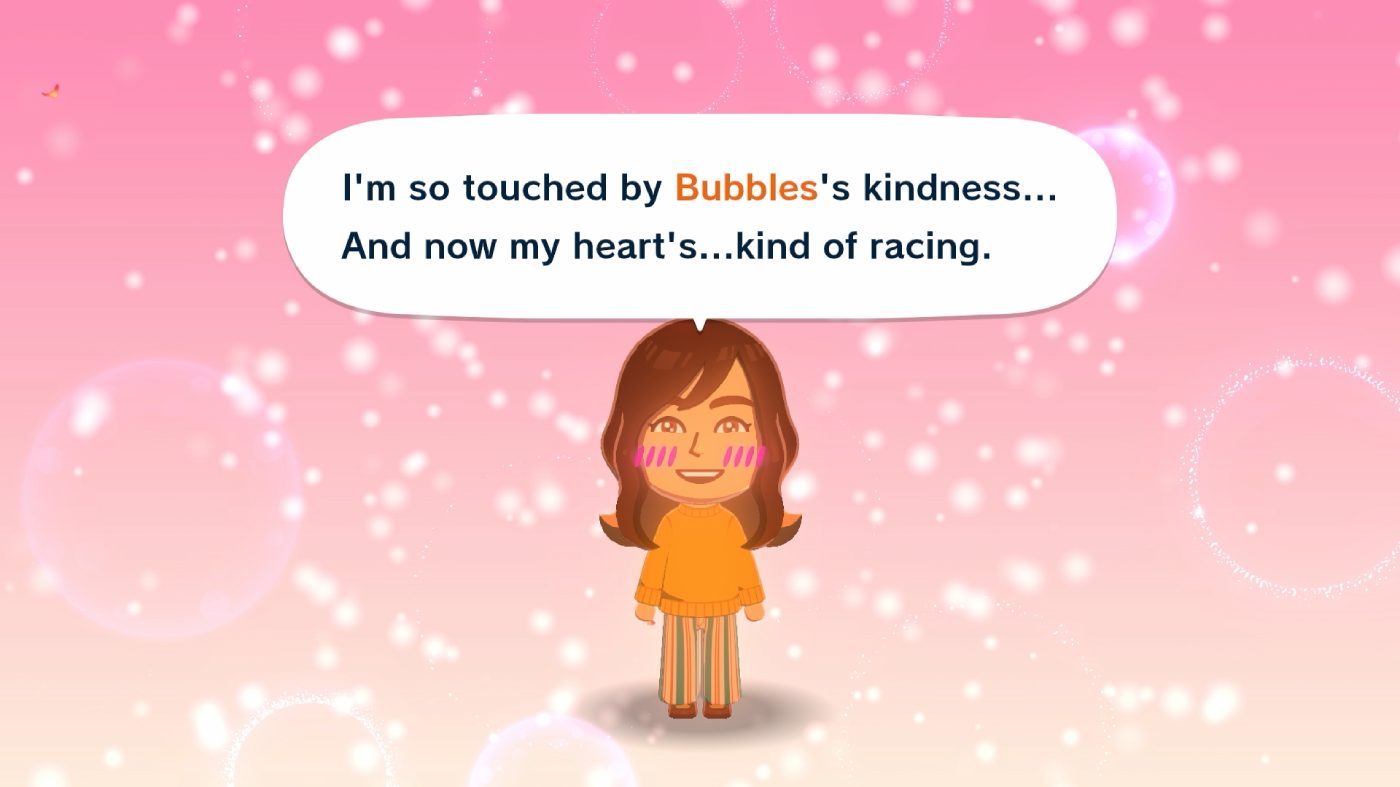
This, of course, leads to numerous social dynamics. Some of conflict, some of romance, all of them entertaining. While I can’t comment on how much of this is new versus previous entries, I can tell you it’s a genuine blast to witness all of this unfold. You never quite know what you’re going to get each time you jump into the game, and that unknown is part of the appeal that kept me coming back for an hour or two each day.
THE CHEAPEST PRICE: $74 WITH FREE SHIPPING FROM AMAZON
I also kept coming back for all the new unlocks and customisation options for my island. I wanted to continue to grow the space it occupied, the shops dotted about the main strip, and the houses throughout the streets. As I mentioned in my preview, Living the Dream does a fantastic job of doling these out at regular intervals. It feels like there’s always something new to do or play around with, especially in the early hours. I’d also like to highlight that the terraforming systems are incredibly effortless to interface with, making it easy to change up your island on a dime.
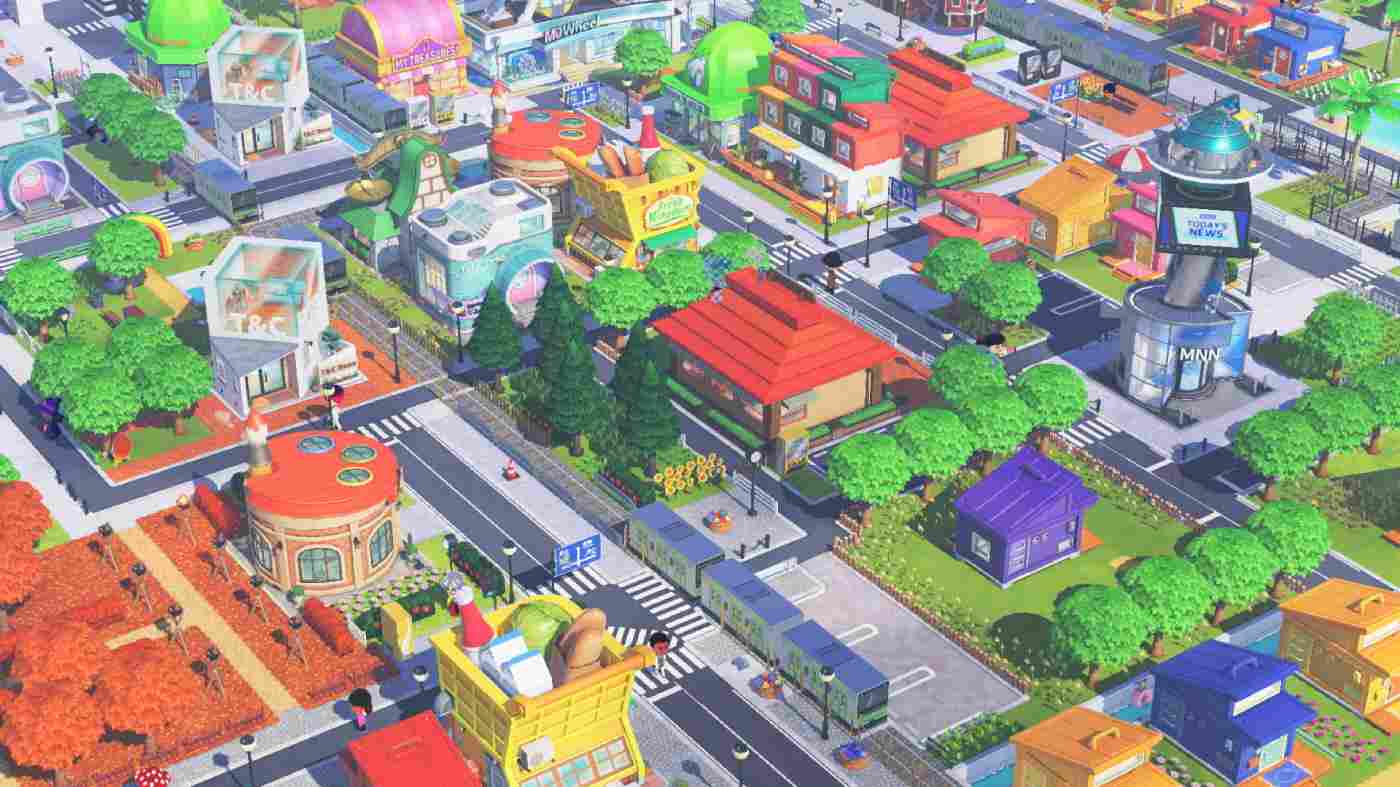
These unlocks do eventually dry up, though. This is where my urge to return to my island started to drop off. That isn’t to say I expected more content or longevity out of Tomodachi Life: Living the Dream, but it again comes back to not having a main goal to work towards. I’m sure fans of the genre will see the hours roll on well past the point of everything being unlocked, but if you aren’t the kind of player who looks to make their own fun and pursuits, it doesn’t feel like there’s a whole lot to do past this point.
Doing almost anything in Tomodachi Life: Living the Dream contributes to the quality of life of your residents and fills up the Wishing Fountain. When full, the Wishing Fountain will rank up and grant one Wish, which can unlock new shop items, terraforming options, and gifts to give to your Miis when they level up. It creates a dynamic where every system loops back into and feeds into another, ensuring constant progression, which in turn leads to more hilarity.
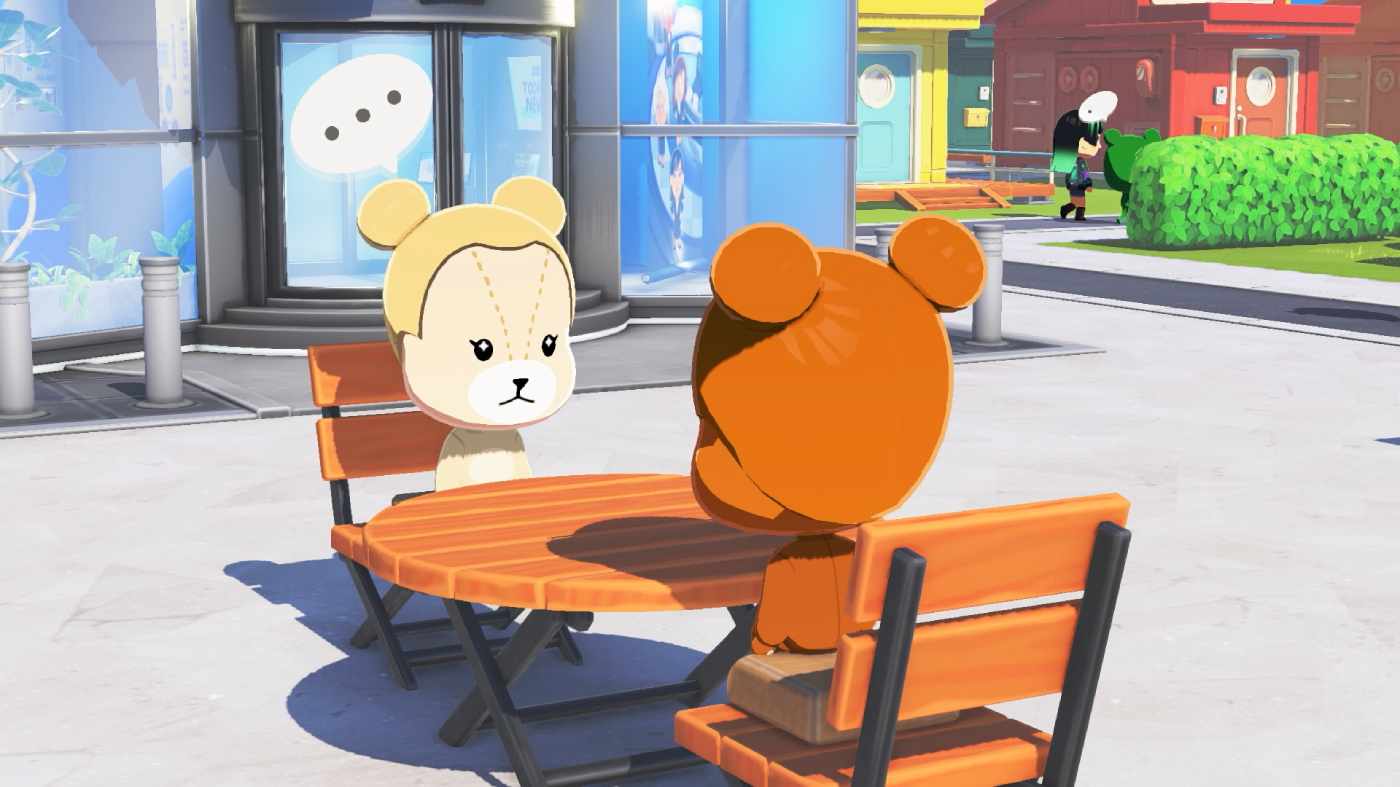
The entire game also has top-notch presentation. It’s to be expected from Nintendo nowadays, but it does feel like Living the Dream leverages the power of the Switch 2. While I can’t comment on the original Switch version, the art style here is what I’d imagine a high definition Wii Sports Resort would look like, positively bursting with bright colours, that compliments the iconic charm of the Miis. The trade-off for the high fidelity is that the game runs at 30 frames per second, but that’s a non-issue given the genre. It all looks great, and it’s fun to take time and zoom in to admire the finer details.
While there are plenty of social sim and slice-of-life games around, I can guarantee you that there’s nothing quite like Tomodachi Life: Living the Dream other than its predecessors. Where other social sim franchises have intentional comedic streaks throughout their design, Tomodachi Life is built on absurdity and hilarity. Perhaps most interesting of all is that these moments are organic, emergent, and a direct result of the players’ actions. It might not appeal to everyone, but the audience this game is made for is going to have a hell of a time with it.