


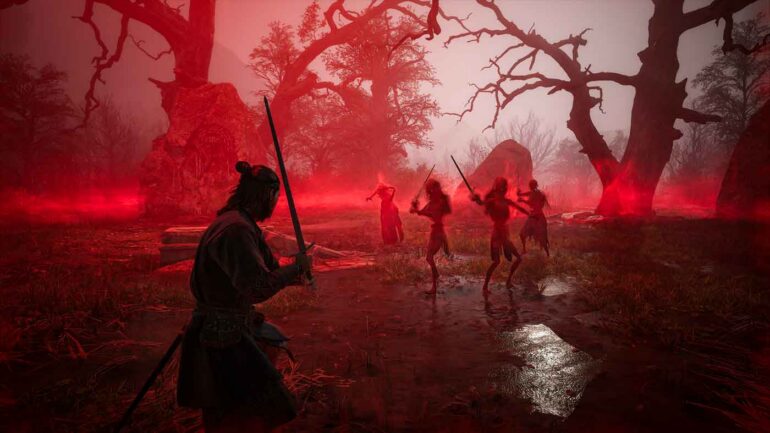
Vampires suck. If you ever needed reminding, both in the literal blood-draining sense and the figurative “what an absolute pack of a-holes” sense, The Blood of Dawnwalker wastes no time catching you up. Within minutes I’d watched soldiers reduced to chunky salsa, a plague-stricken child cured by force-feeding her vampire blood, and a tyrannical human kingdom replaced by something that somehow looked even worse.
Four hours later, I walked away convinced Rebel Wolves has one of the most fascinating RPG sandboxes I’ve seen in years. Every decision feels loaded with consequence, every spare hour feels precious, and its version of vampire rule is deliciously uncomfortable. I’m considerably less convinced by the combat, which currently feels like it’ll separate patient tacticians from players who simply want to mash faces with swords. But if the rest of the game sticks the landing, The Blood of Dawnwalker could end up being something genuinely special.
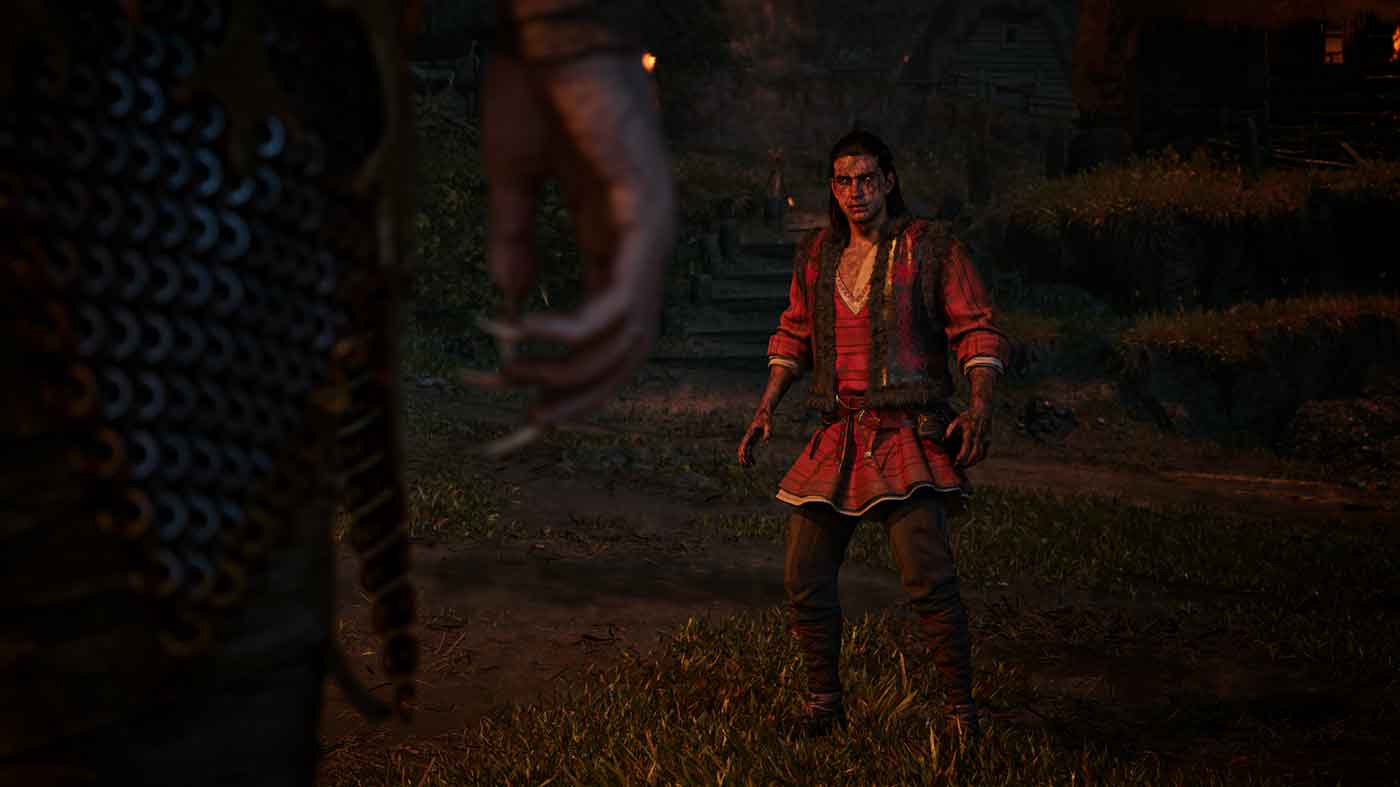
It’s 1349, the Black Death is chewing through Europe, and life already isn’t exactly handing out participation trophies. You play as Coen, a young miner living in Vale Sangora, a remote slice of the Carpathian Mountains where survival is measured one miserable day at a time.
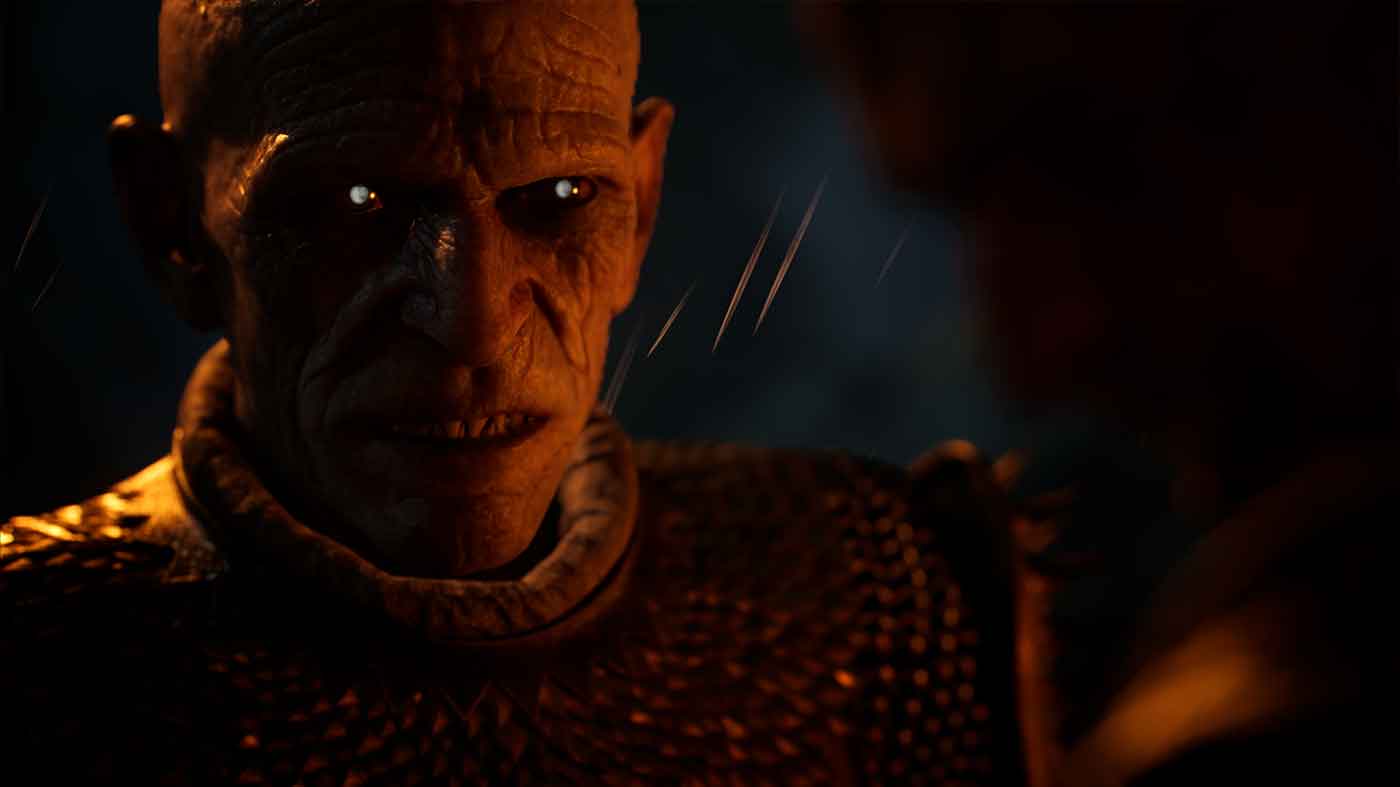
The opening wastes no opportunity making your life worse. Your younger sister Luka is dying from the plague, local despot Skender wants her executed rather than treated, and so you scoop her up to leg it through ruined churches while soldiers close in. Before things end particularly well for anybody involved, an ancient vampire lord named Brencis casually arrives with his lieutenants and turns the local militia into modern art. Limbs fly. Heads disappear. One poor bloke is telekinetically converted into pizza base.
Then Brencis, calmly slices open his own hideous hand, shoves it into Luka’s mouth and cures her.
It’s an astonishing opening because it immediately muddies every moral line in sight. The vampires are undeniably monsters, yet they’re also replacing a human ruler who appears every bit as monstrous himself. That’s a theme The Blood of Dawnwalker keeps returning to throughout my hands-on session. There are very few clean victories here. Mostly you’re choosing which flavour of awful you’re prepared to live with.
The mechanic everyone has been talking about is the game’s thirty day structure, and after playing it, I think people are worrying about the wrong thing.
Time isn’t constantly ticking away while you’re admiring scenery or organising your inventory. Instead, certain highly telegraphed actions consume chunks of your limited schedule. Investigating someone, helping a villager, reading a difficult book, waiting out a storm or pursuing a lead all move the calendar forward.
That completely changes how you think about RPG questing. Helping one person may mean abandoning another. Spending two hours learning Latin could unlock valuable skills while bringing your own ailing mother closer to death. Taking the scenic route suddenly feels selfish. It’s brilliant.
Rather than producing anxiety, it creates momentum. Every decision carries weight because opportunity cost is always sitting on your shoulder, quietly whispering that somebody else probably needed your help more.
Better still, developer Rebel Wolves isn’t interested in traditional side quests. Everything contributes towards preparing for your eventual confrontation with Brencis. You can seek allies, build your skills, sabotage vampire operations, gather knowledge, uncover magical wards or simply march straight towards his castle completely underprepared if you’re feeling unusually confident. Or clinically insane.
The best moment of my session wasn’t a boss fight or unlocking vampire powers. It involved an old lady.
Early on, I investigated a missing tapestry destined for display during the unholy public mass that our vampire overlords now force upon us. After some detective work involving footprints, witness interviews and environmental clues, I managed to recover it.
Later, during the service, there sat the grateful old woman, happily alive among the congregation. The journalist sitting beside me hadn’t found the tapestry in his run. Instead, hanging prominently inside the church was her flayed corpse.
That’s exactly the sort of consequence RPGs love promising but rarely deliver. One relatively small investigation completely altered the outcome for an NPC, potentially closing off future conversations, quests or relationships I hadn’t even discovered yet. It’s these moments that have me genuinely excited.
Another brilliant wrinkle is how ordinary citizens gradually begin accepting vampire rule because, frankly, the previous human government wasn’t exactly winning popularity contests either. Brencis abolished taxes, forced labour and tithes. Yes, he’s replacing them with blood taxes and horrifying midnight rituals, but the game’s willingness to present authoritarianism through shades of grey instead of cartoon evil makes the world feel uncomfortably believable.
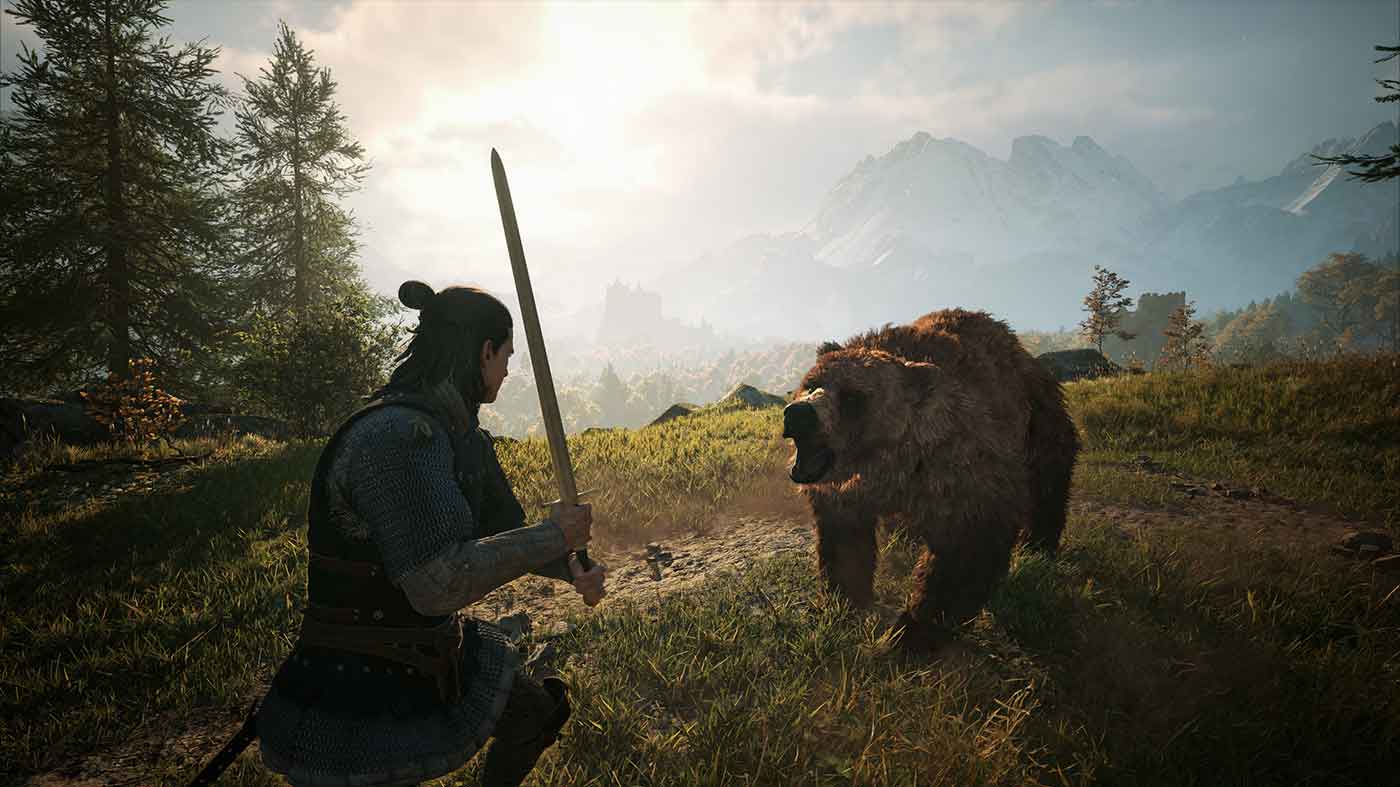
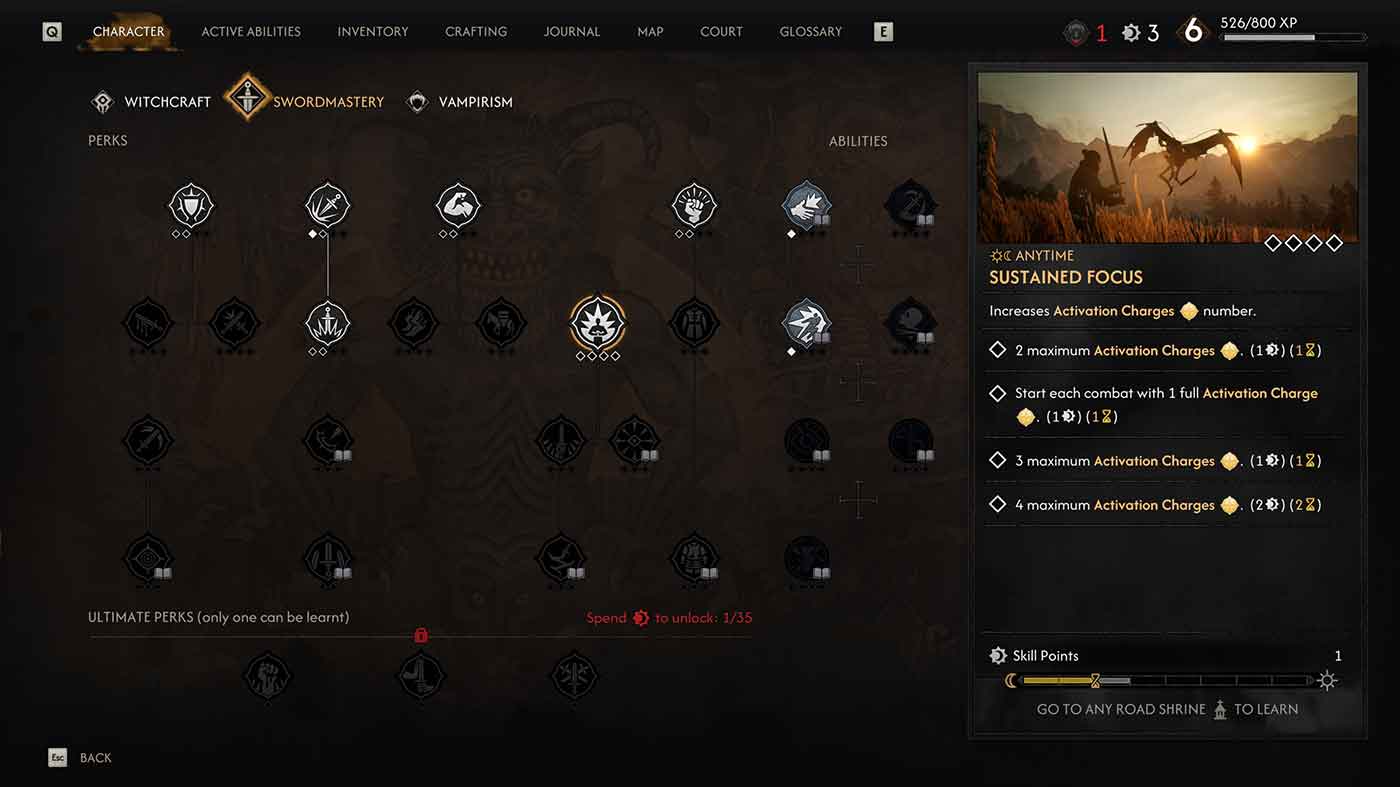
When it comes to gameplay, Coen’s dual identity drives almost every system. During daylight hours, you’re mostly human. Swordplay, investigation, conversations, exploration and preparation dominate proceedings. At night, everything changes when you become something a bit more…Wolverine-esque.
Shadowstep quickly became my favourite ability. Point towards a grapple point, release the trigger, and Coen instantly launches across rooftops and cliff faces with beastly speed. It feels somewhere between Batman: Arkham‘s gargoyle hopping and outright teleportation, making vertical exploration enormously satisfying.
The vampire toolkit also encourages considerably more aggression. Claws replace steel surprisingly effectively, wall traversal opens alternate routes through environments, and vampiric abilities can be assigned separately from your daytime loadout, giving both forms their own distinct progression.
Then there’s blood hunger. Allow your blood reserves to run dangerously low and Coen risks losing control entirely. Instead of politely introducing himself to NPCs in the next cutscene, he may decide they’re lunch.
I find that wonderfully terrifying. It’s one thing managing health bars. It’s another wondering whether talking to an important quest giver could suddenly become an impromptu buffet.
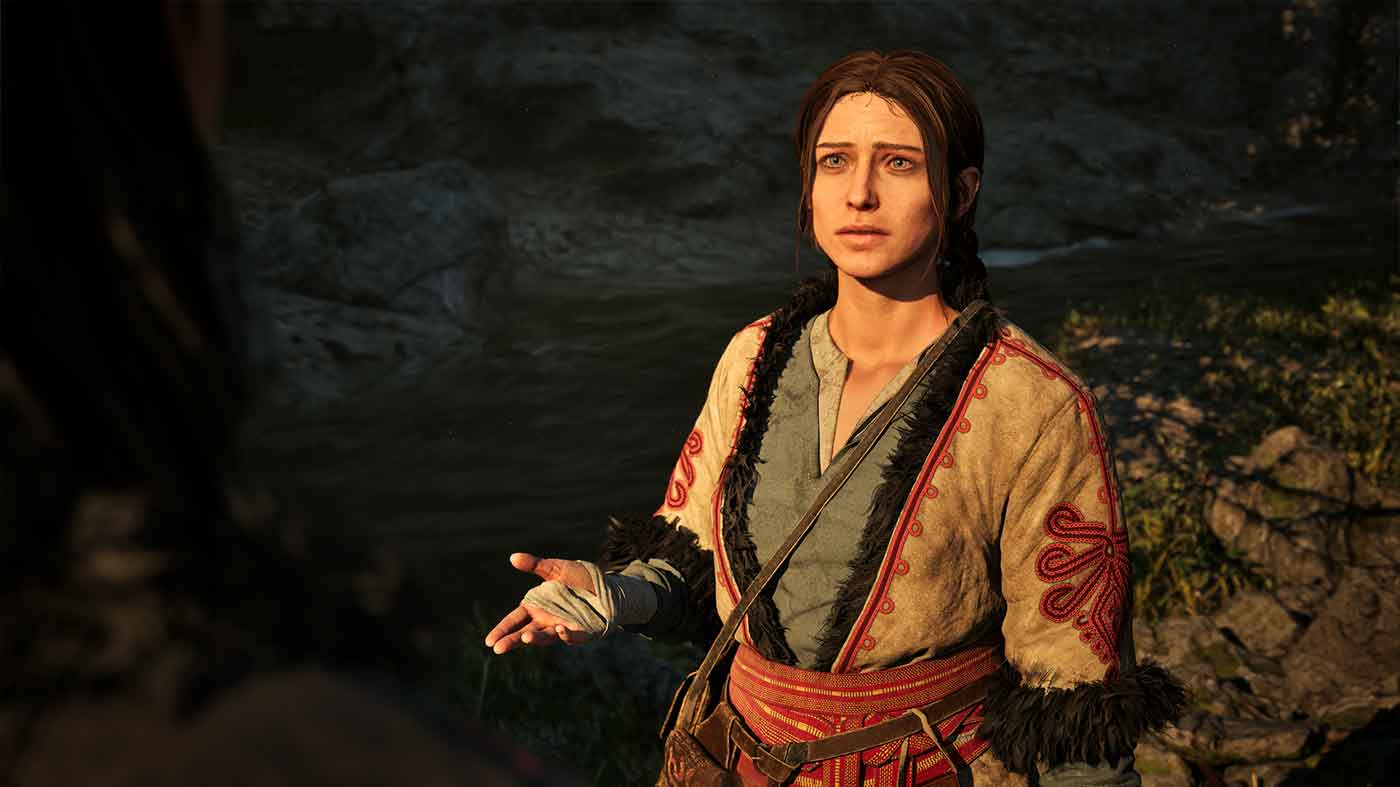
For all its vampire spectacle, the most interesting thing about The Blood of Dawnwalker might actually be its people.
One local priest openly sympathises with vampire rule. Beast-like Uriash creatures initially appear to be allies of circumstance cronies to those evil vamps before revealing surprising kindness. Dialogue regularly offers opportunities to lie, barter, flirt or simply antagonise people because you woke up choosing violence.
I even managed to start a village brawl by killing someone’s chickens. For science. These interactions consistently reinforced the feeling that Rebel Wolves wants players living inside this world rather than simply clearing icons from a map.
There’s detail to munch on and savour here. Focus Mode, essentially your detective vision, lets you examine evidence, track clues and investigate crime scenes without feeling like you’re following glowing breadcrumbs the entire time. It’s familiar territory mechanically, but works well inside a setting built around mystery, superstition and political paranoia.
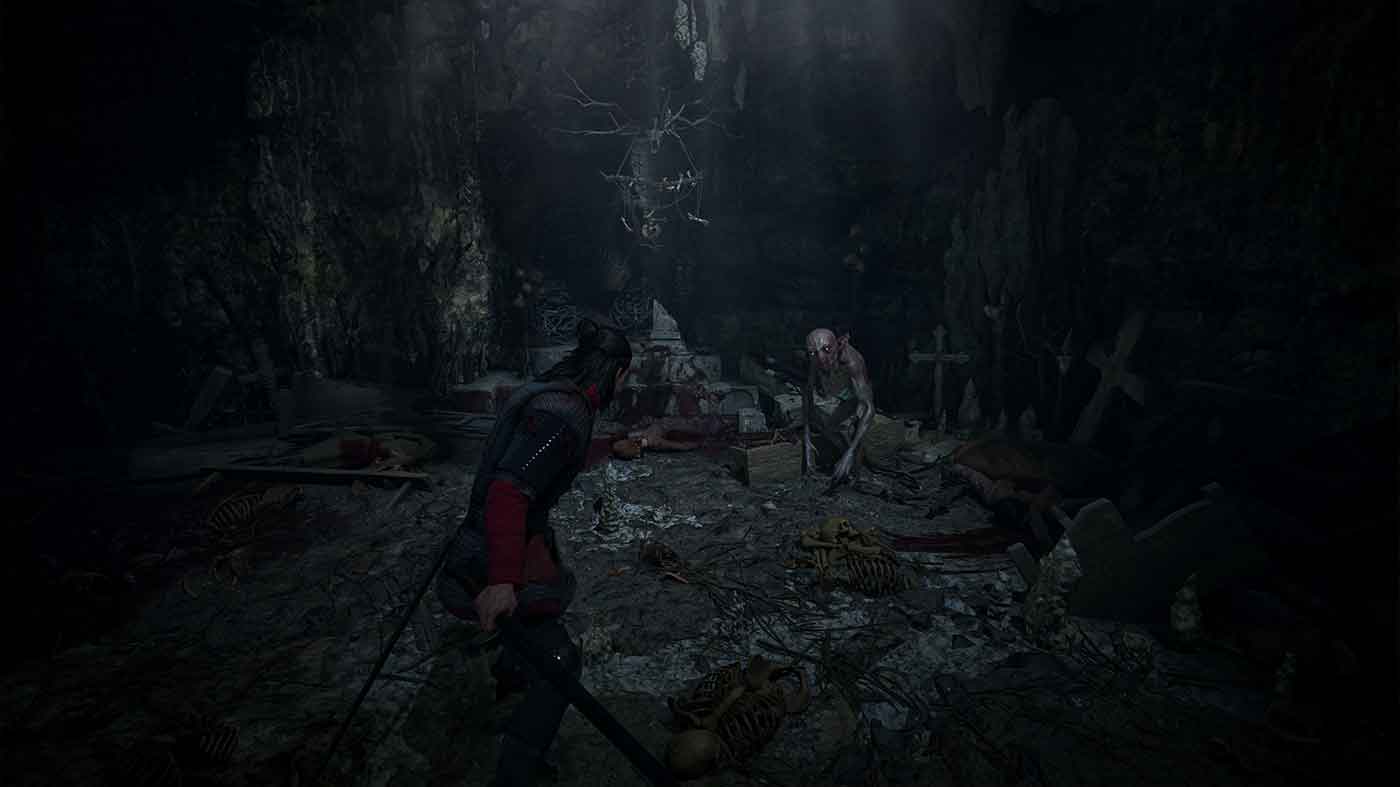
Combat is where my enthusiasm becomes considerably more measured. Anyone expecting The Witcher 3‘s flowing swordplay or Elden Ring‘s responsiveness should recalibrate their expectations immediately.
This feels far closer to a Kingdom Come: Deliverance albeit played in third-person perspective. Directional attacks and blocks reward precision over panic. Correctly matching incoming attack angles preserves stamina and creates openings, while relying on automatic attacks and omniblocks burns through endurance remarkably quickly.
I appreciate what Rebel Wolves is aiming for. Whether they entirely get there is another question. Despite already having hundreds of hours with Kingdom Come Deliverance‘s combat philosophy, I still found The Blood of Dawnwalker slightly awkward. Being rooted in place during exchanges takes adjustment, animations occasionally lack fluidity, and the system sometimes feels like it’s fighting your muscle memory rather than your enemies.
Players willing to master it may eventually discover something deeply rewarding. Plenty of others are simply going to bounce off it.
The good news is the developers clearly understand accessibility concerns. Multiple difficulty settings tweak directional indicators, enemy aggression and various assists, allowing players to customise how demanding these encounters become. Still, combat currently feels like the area needing the most refinement before launch.
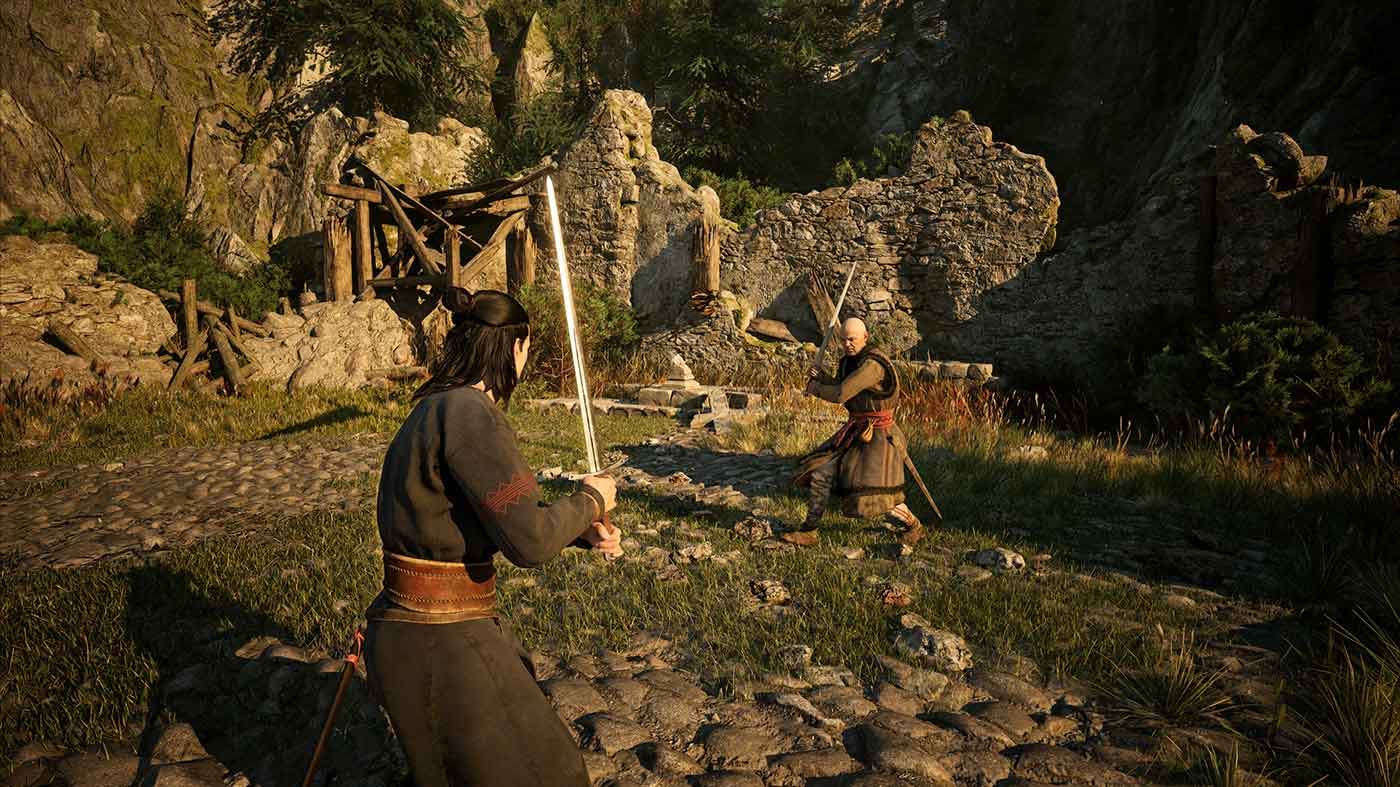
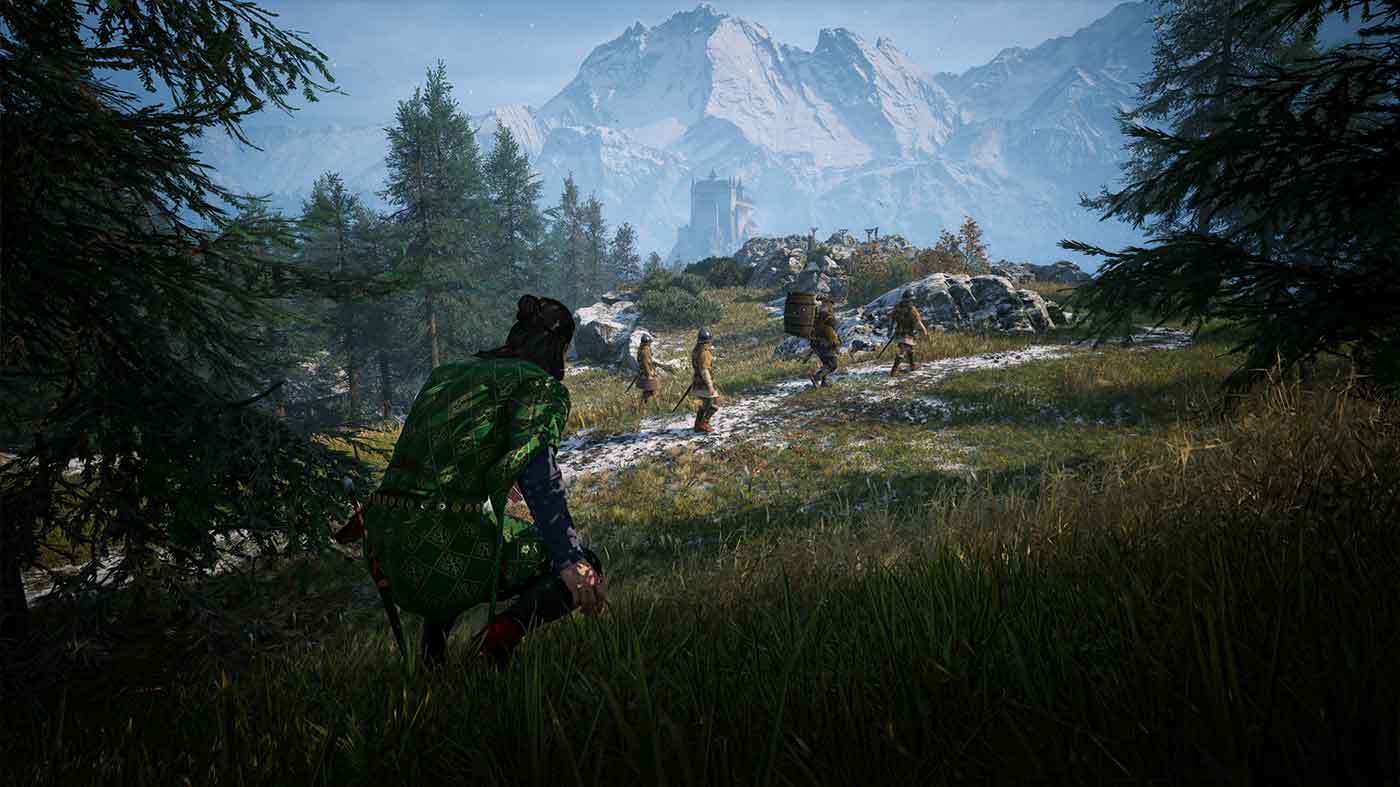
Visually, there’s plenty to admire. Dense forests filter gorgeous shafts of sunlight through swaying branches, wind ripples naturally across landscapes, and Vale Sangora feels convincingly miserable in all the right medieval ways. The environmental art consistently impressed me, especially when exploring forests or perched atop ruined architecture overlooking the valley.
Character models are more inconsistent. Hair occasionally looks unfinished, certain hand animations stretch awkwardly during interactions, and the gap between stunning pre-rendered cinematics and regular in-engine conversations is surprisingly noticeable. You’ll finish one breathtaking cutscene only to enter dialogue that suddenly feels far more ordinary.
There were the smaller rough edges one expects from non-final code, too. Enemy weapons occasionally clipped through one another during combat. Companion dialogue sometimes cut itself short because another scene triggered too quickly. Stealth also felt oddly unreliable, with guards occasionally detecting me despite every visual cue suggesting I should have remained hidden.
Nothing screamed disaster. Everything simply reminded me this is still a game being polished.
After four hours, the thing I keep thinking about isn’t Brencis. It’s time. The ol’ tick-tock spent helping strangers instead of family. The hours sacrificed reading obscure texts because knowledge itself could become the most powerful weapon in the long run.
Time deciding whether one more investigation is worth another precious segment disappearing from the calendar forever. That’s where The Blood of Dawnwalker feels genuinely fresh.
Yes, the combat still has work to do, stealth needs another pass, and some technical roughness remains obvious. Yet none of those concerns overshadow what Rebel Wolves appears to be building beneath them.
This isn’t trying to become another open-world checklist stuffed with fifty hours of busywork. It’s asking harder questions instead. How much are you willing to sacrifice? Who deserves saving? When survival demands compromise, where exactly do you draw your own moral line?
If the finished game delivers satisfying answers to those questions while tightening up the fisticuffs, Rebel Wolves may have a vampire RPG that’s remembered for a lot more than sharp teeth.
And judging by what I’ve played so far, getting bitten might actually be the least painful decision you’ll make.