

Press Start may receive a commission when you buy from links on our site at no extra cost to you.
The first thing that struck me inside Infinity Ward’s LA studio wasn’t the ear-rattling explosions or the endorphin rush of becoming reacquainted with Captain Price’s exemplary mutton chops. It was the setting itself: the Korean Peninsula.
A bold choice, given the war there technically never ended, and one the team was surprisingly candid about when I sat down with Narrative Director Jeff Negus and Associate Design Director Alex Norris.
What quickly became clear is that Modern Warfare 4 isn’t chasing spectacle for its own sake. It’s more interested in perspective, pressure, and the uncomfortable grey space that comes with a conflict this grounded in reality.
That’s where our conversation begins.
CLICK HERE TO READ OUR CAMPAIGN PREVIEW
CLICK HERE TO READ OUR HANDS-ON MULTIPLAYER PREVIEW
I have to ask – why is the Korean Peninsula your theatre of choice? It’s a super sensitive IRL situation, because the war actually hasn’t technically ended between South Korea and North Korea. Feels like a risky backdrop in my opinion, but also a fascinating narrative opportunity…
Jeff Negus, Narrative Director: Whenever we’re looking at new locations for our warfare, globetrotting is always really important to the series. I think one of the factors here was just a brand new, fresh place that we’ve never been before. Yes, there is this sort of powder keg situation and inherent conflict there, with the war never ending, as you say.
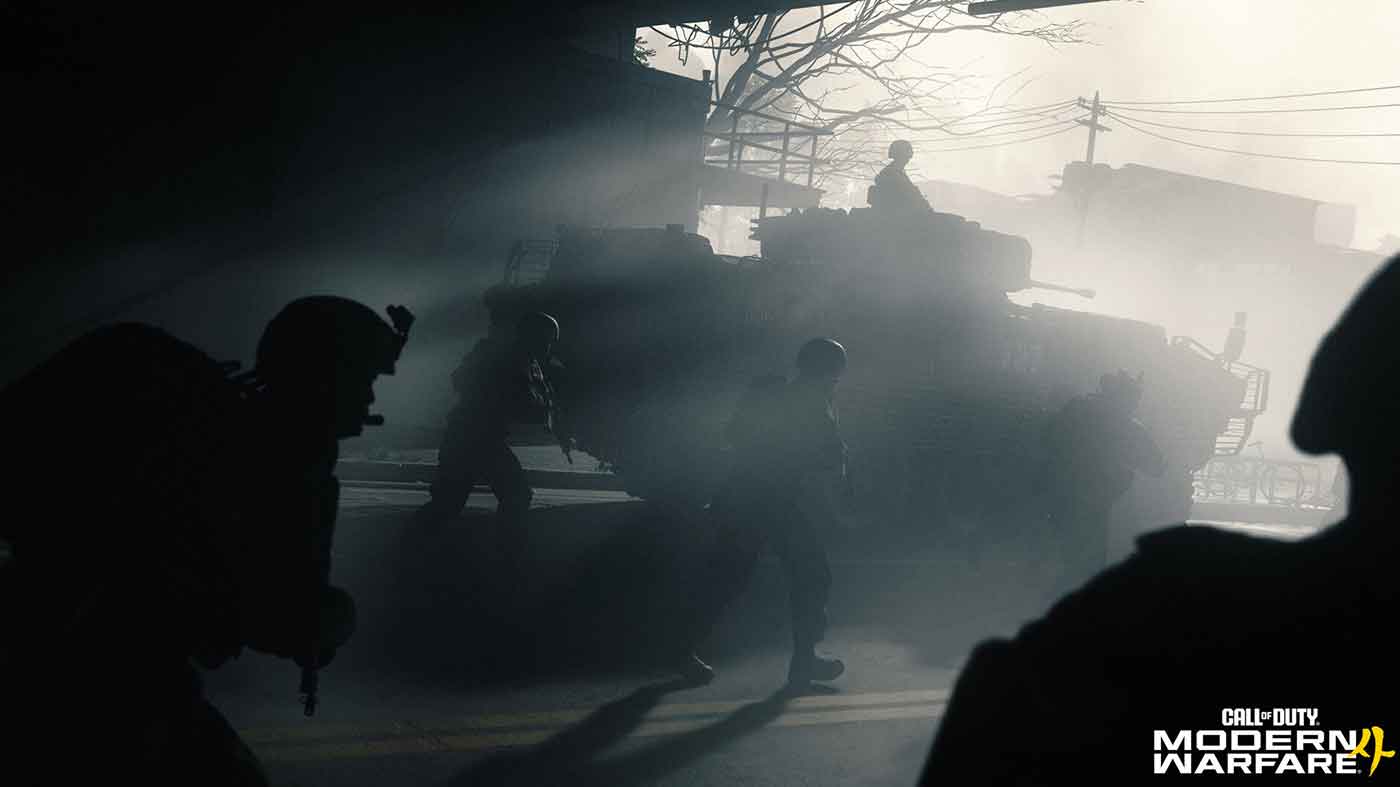
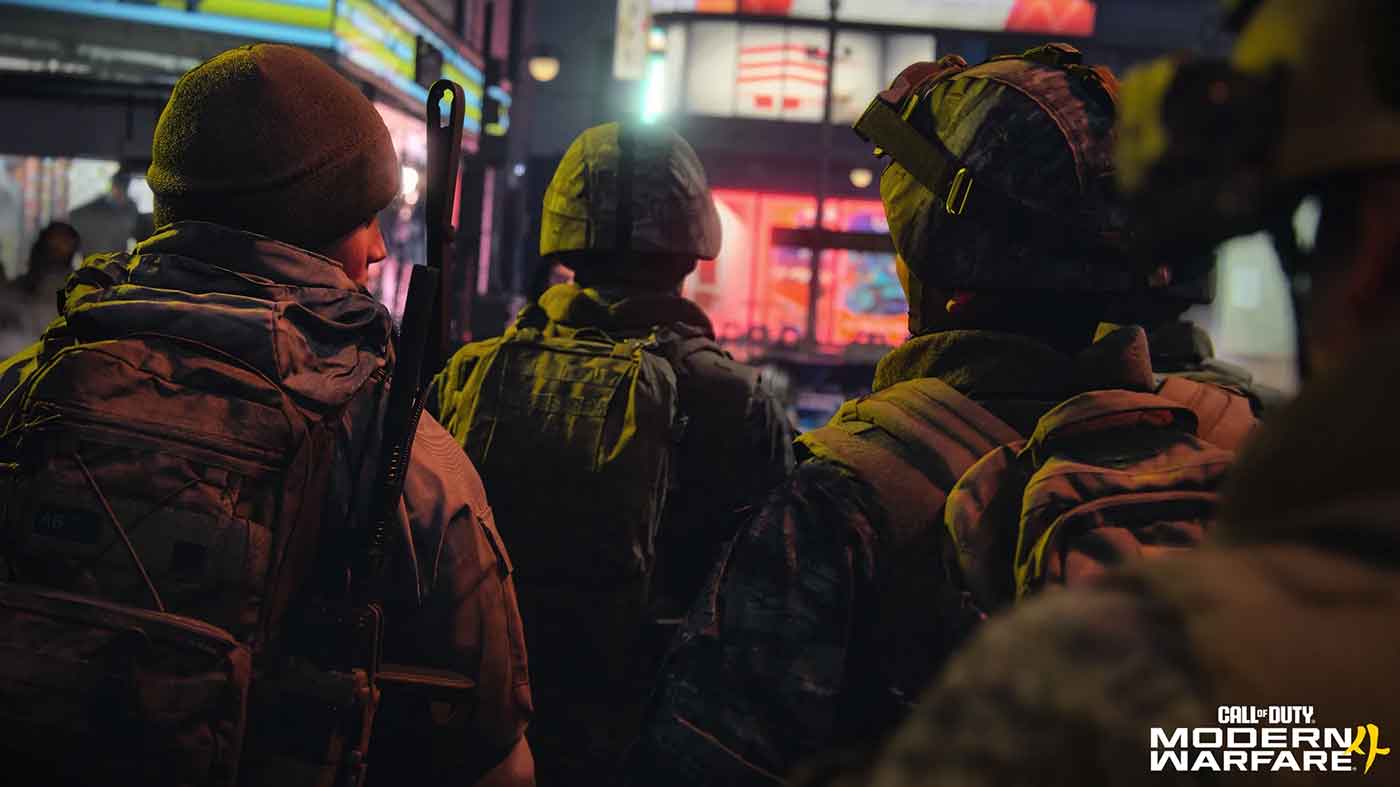
When we started doing research, and we were talking to consultants and other people who know much better than we do, we found that it was a really interesting situation to set a conflict when it comes to being from the perspective of a young mandatory conscripted grunt, [and, generally] what it’s like to be a young person who lives there.
The idea really early on was about finding out how this is sort of normal life for everyone there, that decades have gone on with artillery pointed right at the south, and people go, you know, that’s just sort of how life is. So we asked the question, “What if?” in our fictionalised universe.
Alex Norris, Associate Design Director: Also, as we researched more, we realised that the largest US overseas base is in South Korea, and so, again, we saw a potential powder keg there. [It offers] kind of the elements that we need to tell a story and have gameplay around infantry, armour, and air support all working together. So, for us, it kind of seemed like a place that answered a lot of our questions, like how do we bring a big war back to Modern Warfare?
The campaign sounds like it’s deliberately swinging back towards lots of large-scale cinematic set pieces. Was that a direct response to feedback around MW3 feeling more fragmented in its pacing?
JN: We’ve been in development since we finished MW2. We’ve kind of started to plan out our big vision for the game from there on, but in general, we make these awesome things because we want to make these awesome things. Like, I want to have this big bombastic rail ride through the streets of Paris, because I love that kind of thing. It’s a passion for us to create this stuff, and it’s a privilege as well.
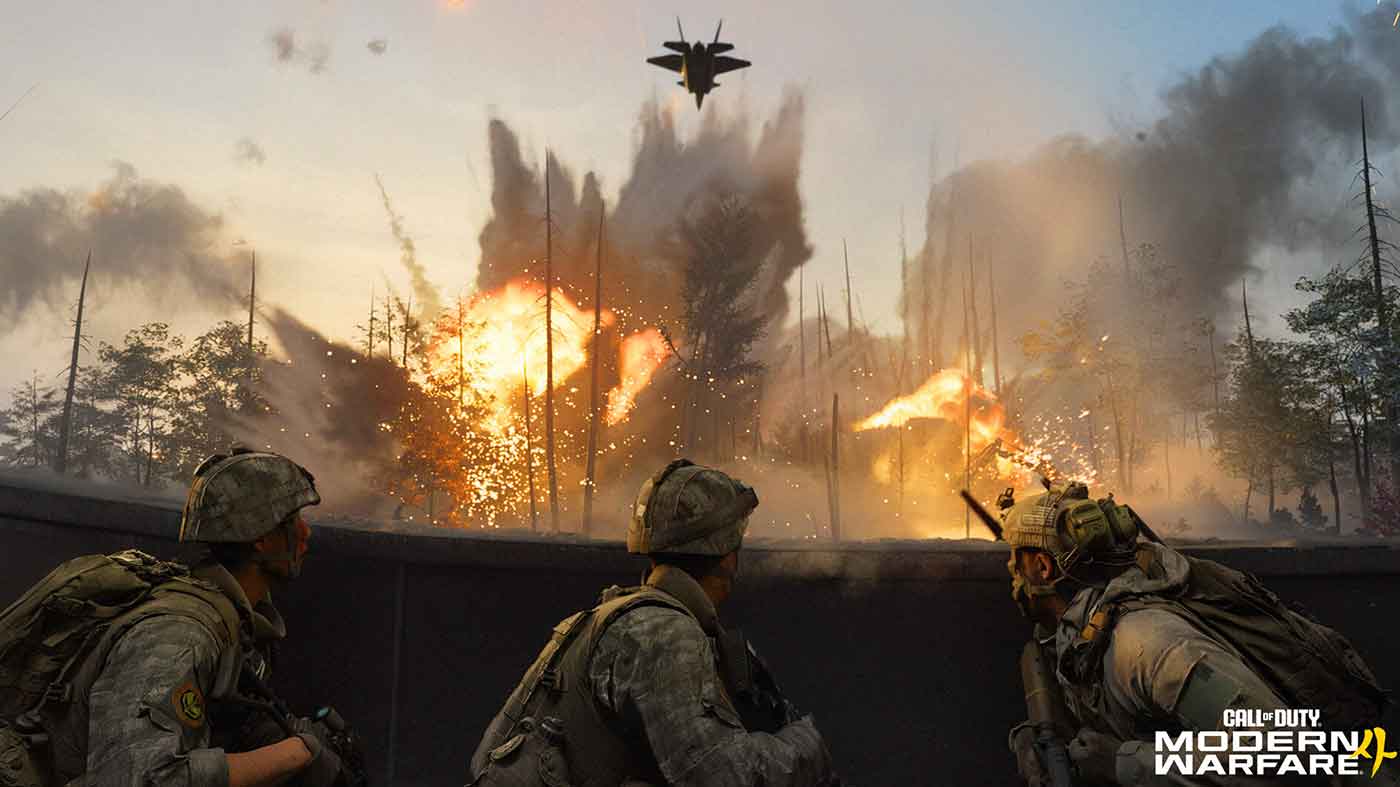
I think just from a narrative perspective, in MW4 we tend to focus on what are the sorts of engagements that are going to best express the moment, the character that’s in it, the conflict they’re in, and how to resolve the conflict. Basically, to really create an immersive environment for the player to understand that and create parity between the player and the character. So I think a lot of those types of situations were just born out of excitement for getting to tell this type of story.
Okay then, I’d like to ask about Price, or as I heard some of your team members call him: Dark Price. So, is he running alone or with Task Force 141? Also, we saw some conflict between Ghost and him at the ending of the trailer. Some sort of exchange about “too many broken rules”?
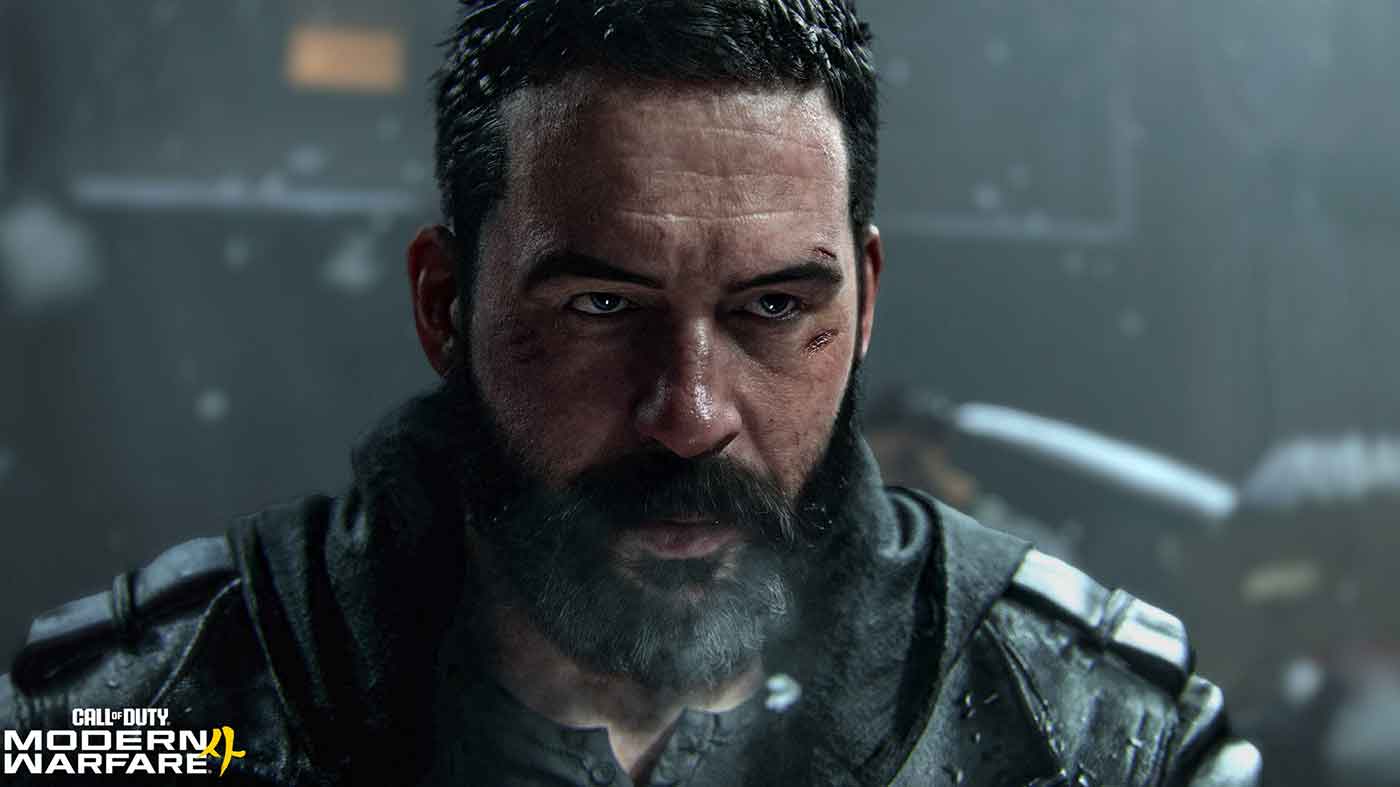
JN: Going back to 2019 and Modern Warfare, the Price quote was: “We get dirty, and the world stays clean”. Then, over the next couple of games, he’s put in a variety of different situations where that’s tested. At the end of MW3, he makes some choices that we thought would be very interesting to decide that he can’t come back from. There are some things that he decided to do and be a part of that sort of picked a path for him. He’s still the same guy that has the same beliefs, but is now faced with a different objective and a different path. So this game explores a different kind of conflict for Price. It explores the concept of drawing the line where you need it.
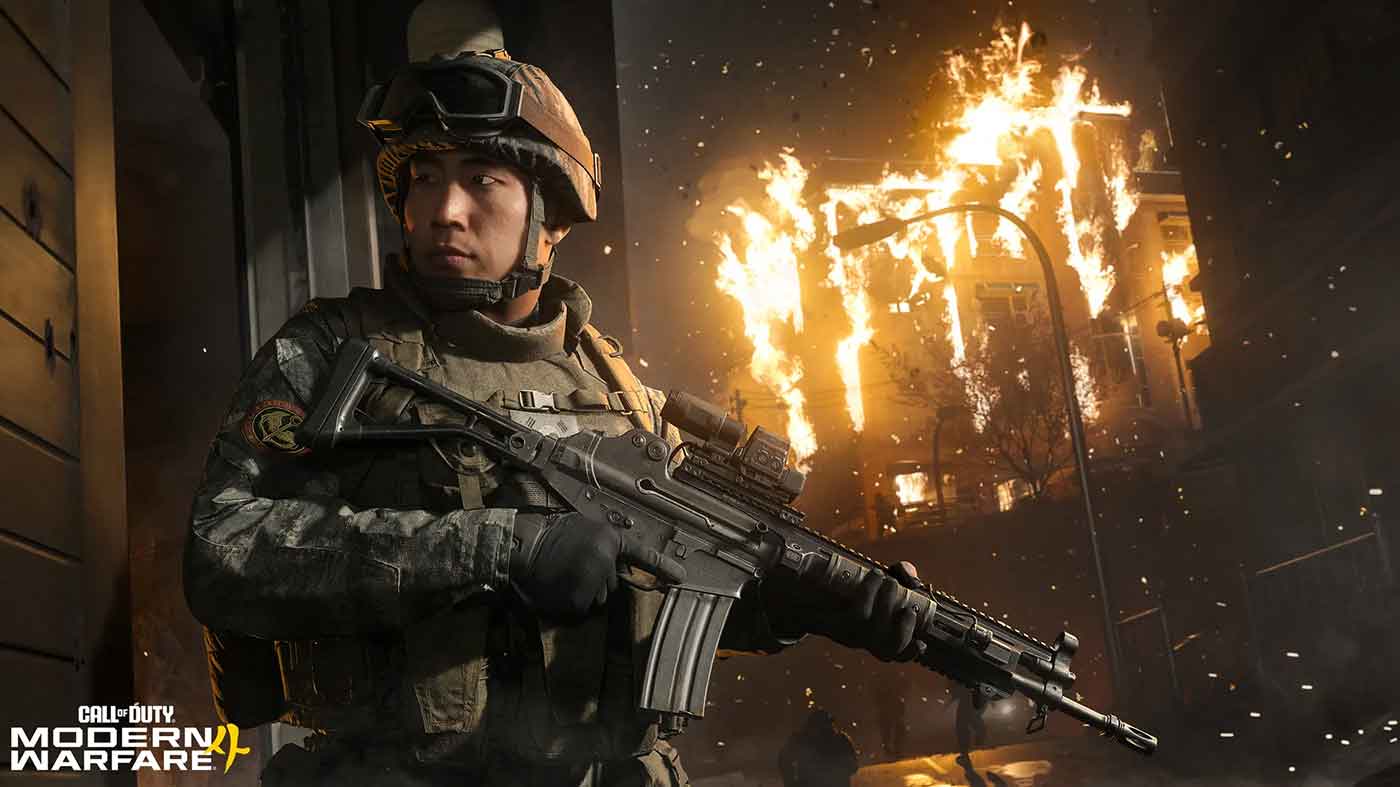
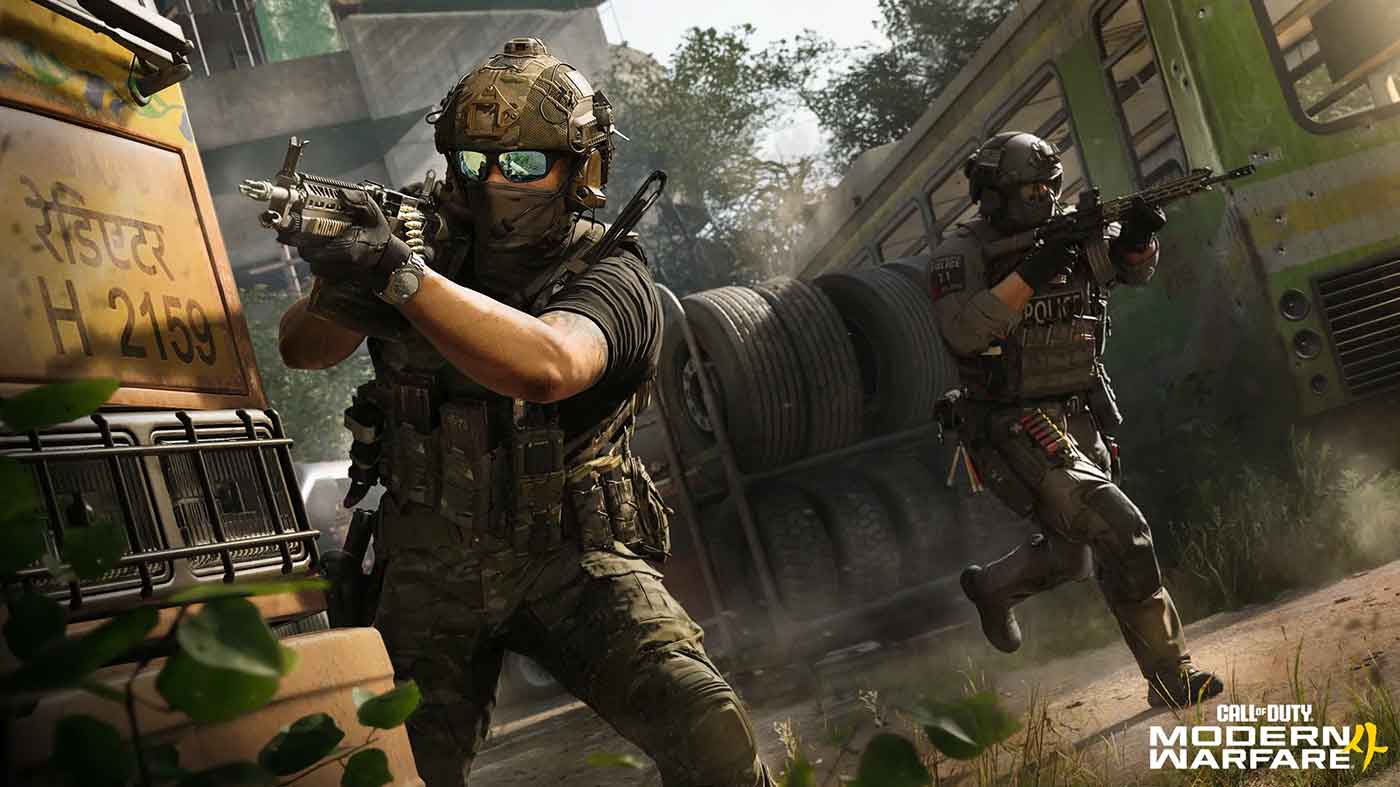
AN: On the gameplay side, that lets us play with variety across our missions. So we’ve got this grunt perspective in South Korea that is all about fighting for one’s country, fighting for survival in these infantry and marine-style missions. Then we get to have an elite-tier Price engaging in very different experiences. He’s no longer associated with Task Force 141 in that regard. Clearly, because we wouldn’t normally see a Task Force 141 operative go into a nightclub and start beating people up and having pistol shootouts. Nor would we see them leaning out of a car in Paris and shooting like a cowboy out the side, kind of thing. So when we have Price go down this other path, it really lets us blend in the variety between those two vastly different storylines.
Variety, I understand and appreciate. But what does splitting the narrative like that let you achieve emotionally, as opposed to having a single squad narrative arc?
JN: I mean, this is probably the thing I’m most excited about in this game, because we get to view similar themes, similar types of situations through different perspectives. We get to be multidimensional about looking at the same problem. There are so many different ways to look at how to complete an objective and execute on a target. How are you going to complete your mission? The different ways that these characters see a conflict, I think, is the soul of what this game is about. And because Modern Warfare has always been this provocative, “ripped from the headlines”, gritty, grounded experience, we also get to infuse our tale with the grey areas of conflict. I think we’re exploring that in this game in a bigger way than we ever have.
PS: From what footage you showed, it seems there will be a jaunt across the DMZ into the North for a mission or two. Given the limited information on how life truly is in North Korea, how did you guys go about making those moments feel as accurate as possible?
AN: We rely really heavily on consultants, talking to people that know much better than us about a variety of different situations. Lots of research there.
It is challenging, especially when it comes to arting a space and making it feel realistic. There’s not a lot of information that has come out of the country. But we were able to find quite a bit—YouTube documentaries, things like this, some images of people’s houses that found their way out [and across the border].
JN: And on the South Korean front, we were fortunate enough to work with a lot of Korean co-workers. We created this Slack channel, like our internal office communication, and all of our Korean co-workers are in there to do culture checks. We get to just reach in and say, “Hey, we were thinking about doing this. Does this feel appropriate? We wanted the character to say something along these lines.
Is this authentic?” Even dialects are such a huge thing. We’ll say, “Hey, how does this sound to you?” And they might comment that it’s funny that we chose that actor, because that person sounds more North Korean than South. So yeah, we have this level of detail that we’re extremely privileged and fortunate to have, just to keep us honest.
PS: What do you think defines a Modern Warfare campaign at this point? Is it character, tone, scale, or a specific kind of pacing that the team is trying to preserve across all of these reinventions?
AN: What I love about Modern Warfare is that it’s constantly getting to find new inventions and add experiences to the catalogue. I remember working on an experience once where somebody came into the office, and they were like, “This doesn’t feel like Call of Duty“. So we kept working on it, we kept working on it, and it became a part of what Call of Duty is for our Modern Warfare experiences. So it’s wonderful to work on a franchise that gets to grow and gets to add new life.
And when we talk about something novel that’s in here now, it’s like our brawler experience. We’ve got Price fighting his way through a nightclub, for example. Something that’s always kind of challenging for us to work on is boss fights. Sometimes you end up just shooting a bullet sponge, right? That mechanic where more and more bullets need to go into this character to be stopped. So it’s nice to be able to create new features that let us experience boss fights in a new way. [In this case] punching the crap out of somebody instead of unloading a clip into them.
[This question has character death spoilers.] You guys have been surprisingly upfront about killing off Price’s nemesis, Makarov, in mission two. That’s some fast pacing. What’s the go there?
JN: [Again, spoilers about a character death] I agree, it is. We really wanted to make people understand right away, you’re not getting the same old. You’re not getting the game as before, with the same conflict as before. MW4 is bigger than that; it’s more than that, and it’s bringing you into new territory emotionally. That was kind of behind it.
AN: We’re keeping you on your toes. We want players to ask, “Where are we going now?” If that guy’s out of it, then what’s Price’s next goal?
Gentlemen, thanks very much for your time.
The author of this article travelled to LA as a guest of Activision to play Modern Warfare 4.